
Anxiety Disorder

❝Feeling overwhelmed by worry or fear? Understand what anxiety is, how it feels, and discover how therapy provides real tools and hope for managing it.❞
Worry that will not switch off, a stomach that tightens for no clear reason, or the sense that something bad is about to happen can all be signs of anxiety. This is more than ordinary stress, and it can affect a great deal of daily life.
In this article
Click for more like this: Anxiety Disorder - Attachment Disorder - ADHD - Bipolar Disorder - Borderline Personality Disorder - Depression - Eating Disorder - Narcissistic Personality Disorder - Obsessive Compulsive Disorder - PTSD - Somatic Symptom Disorder - Substance Use Disorders
What is Anxiety?
Anxiety is your body's natural response to stress or perceived danger. A little is normal and can even be helpful, such as motivating you to prepare for a test. Sometimes, though, that response is set off too easily, or it carries on well after the situation has passed.
Anxiety can become a problem when the feelings are intense or overwhelming, or when the worry feels uncontrollable. How often it happens matters, and so does how long it lasts. It is also a problem when it seems out of proportion to the actual situation, or when it stops you from doing things you want or need to do, which is avoidance. Where anxiety significantly interferes with life, it might be an anxiety disorder, such as Generalised Anxiety Disorder, Panic Disorder or Social Anxiety.
Managing anxiety is easier with the right support. TherapyRoute connects you with qualified therapists who specialise in anxiety and stress.
Find an Anxiety TherapistHere are some common types of anxiety disorders:
1. Generalised Anxiety Disorder (GAD). The worry is constant and nagging, spread across many things at once. Often there is no specific big reason for it. You might feel anxious, tense, and find it hard to control your worrying most days, for at least six months.1
2. Panic Disorder. Panic attacks are sudden, intense episodes of fear that can feel overwhelming and strike unexpectedly. Worry about when the next attack will come often follows, and that worry can lead you to avoid certain places or situations altogether.
3. Social Anxiety Disorder (Social Phobia). This is an intense fear of being watched, judged, or embarrassed in social situations or when performing in front of others. You might work hard to avoid social events, speaking up, or meeting new people.
4. Specific Phobias. A strong, irrational fear of a particular object, animal or situation: heights, spiders, flying or needles. You will likely try very hard to avoid what you are afraid of, even if you realise your fear is more intense than the actual danger.
5. Agoraphobia. This is a fear of being in situations where escape might be difficult, or where help would not be available if you had a panic attack or other distressing symptoms. You might avoid crowded areas, public transport, open spaces, or being outside your home alone.
Correctly diagnosing an anxiety disorder can be challenging because the symptoms often vary among individuals and can mimic other mental health conditions (as seen in movies that depict anxiety).
How Does Anxiety Affect Daily Life?
Anxiety reaches well beyond how you feel. At work or school it shows up as difficulty concentrating, missed deadlines, fear of presentations and avoided meetings. In relationships it can look like irritability, withdrawing from people you love, needing constant reassurance, or difficulty with intimacy, and socially it often means avoiding events, feeling self-conscious and struggling to make conversation.
Sleep is commonly affected, with trouble falling asleep, waking often, and restless nights from racing thoughts. Physically there may be headaches, muscle tension, stomach problems and fatigue. It can also become hard to relax or to enjoy hobbies and activities.
What Does Anxiety Actually Feel Like?
Anxiety shows up differently for everyone, though many of the experiences are common. It is usually a mix of thoughts, feelings and physical sensations.
Thoughts tend towards constant "What if...?" scenarios, usually negative, and towards worrying about things you cannot control. You might assume the worst will happen, a habit called catastrophising, or find decisions hard because you fear the wrong one. Your mind can feel as though it is racing or will not switch off. Being overly self-critical is common too.
The feelings themselves include fear, dread or panic, a sense of impending doom, and being overwhelmed or stressed out. Irritability and restlessness are common, along with the sense of being 'on edge' or tense.
Physically, anxiety can produce a racing or pounding heart, shortness of breath or the feeling that you cannot get enough air, and muscle tension, especially in the neck, shoulders and jaw. Headaches, dizziness, stomach problems (nausea, butterflies, diarrhoea), sweating, trembling or shaking, and fatigue or exhaustion are also common.
Anxiety also shows in behaviour. You may avoid situations, people or places that trigger anxiety, seek constant reassurance from others, and put off tasks that feel overwhelming.
What Might Contribute to Anxiety?
There is usually no single cause for developing significant anxiety. It comes out of a mix of factors, and that mix is different for everyone.
Some people may be naturally more prone to anxiety. It can run in families.1 Imbalances in certain brain chemicals, called neurotransmitters, might also play a role.
Stressful or traumatic events, past or present, can trigger or worsen anxiety, including major life changes, loss, conflict or abuse. Anxious responses are sometimes learned from family or from earlier experience, and habits of thinking, such as focusing on the negative or expecting the worst, can fuel them. Certain health issues and medications can sometimes cause anxiety symptoms, and high levels of ongoing stress from work, finances or relationships contribute as well. None of this is a matter of blame.
What Else Could It Be?
Symptoms of anxiety can overlap with other conditions. It is important not to self-diagnose, because getting the right support depends on understanding the full picture.
High stress is the most obvious overlap, though anxiety often persists even when the immediate stressor is gone. It's common to experience both anxiety and depression together.1 They share some symptoms like sleep problems and difficulty concentrating. Conditions like ADHD or PTSD can involve anxiety symptoms, and certain medical conditions, such as thyroid issues or heart problems, can mimic them.
A doctor or mental health professional can help figure out what's going on through a proper assessment.
How Can You Start Helping Yourself?
Professional help is often key, but there are small, practical things you can try day to day to manage anxiety symptoms. Start small and be patient with yourself.
- Deep Breathing: Practise slow, deep breaths, inhaling gently through your nose and exhaling slowly through your mouth. This can calm your nervous system quickly.
- Grounding Techniques: When feeling overwhelmed, focus on your senses. Name 5 things you see, 4 things you can touch, 3 things you hear, 2 things you smell, 1 thing you taste. This pulls you back to the present moment.
- Gentle Movement: Regular physical activity, such as walking, stretching or yoga, is a powerful anxiety reliever, and even short bursts help.
- Establish Routines: Predictable routines for sleep, meals, and daily tasks can create a sense of stability and reduce uncertainty.
- Talk to Someone Trusted: Sharing your feelings with a supportive friend, family member, or partner can make a big difference.
- Limit News & Social Media: Constant exposure to negative news, or to comparison on social media, can fuel anxiety, so it is worth setting limits.
- Journalling: Writing down your worries can help get them out of your head and sometimes put them into perspective.
These are starting points, not cures, but they can provide some immediate relief.
What Professional Help Looks Like?
If you're struggling with anxiety, reaching out to a mental health professional like a psychologist, psychiatrist, or your doctor is a key first step. They will listen carefully to your worries, your physical feelings and the ways anxiety is affecting your daily life. Other factors are weighed at the same time.
To ensure they understand correctly and comprehensively, these professionals use established guidelines23 (Diagnostic and Statistical Manual of Mental Disorders, 5th edition (DSM-5) , and the International Classification of Diseases, 10th Revision (ICD-10) . This helps them make an accurate assessment so you can get the best possible support and guidance.
Effective help, often including therapy, is available. Therapy offers a supportive space to learn practical strategies, challenge unhelpful thoughts, and manage anxiety for long-term well-being.
Common types of therapy for anxiety include:
1. Cognitive Behavioural Therapy (CBT). This helps you identify and challenge negative or anxious thought patterns, and change the behaviours that go with them, such as avoidance. You learn practical skills to view situations more realistically and react in healthier ways. It often involves "homework" like tracking thoughts or trying new behaviours. Highly effective for many anxiety disorders.4
2. Acceptance and Commitment Therapy (ACT). This teaches you to accept difficult thoughts and feelings without struggling against them, and to commit to actions aligned with your values. It uses mindfulness and acceptance strategies. The aim is a meaningful life even with anxiety present, rather than a life spent trying to eliminate it completely.
3. Psychodynamic Therapy. This explores how past experiences and unconscious feelings might be contributing to current anxiety. The work is on understanding where the anxiety comes from, through talking about your past and present relationships and feelings.
4. Exposure Therapy. This exposes you gradually and safely to feared situations or objects in a controlled way. It is often used for phobias and OCD. Fear and avoidance reduce as you learn that the feared outcomes do not happen, or that you can cope with the anxiety.
5. Medication. Sometimes medication, prescribed by a doctor or psychiatrist, can be helpful alongside therapy, especially for moderate to severe anxiety. It can help manage symptoms, making it easier to engage in therapy. This is a decision made in consultation with a medical professional.
What Can You Do Now?
Recognising that anxiety is interfering with your life is the first step, and acting on it can lead to real change and relief.
Consider seeking professional help if:
- Anxiety is causing significant distress or suffering.
- It's negatively impacting your work, school, or relationships.
- You're avoiding things you used to enjoy or need to do.
- You experience physical symptoms that worry you.
- Self-help strategies aren't providing enough relief.
Here are clear next steps you can take:
- Talk to Your Doctor (GP): Discuss your symptoms. They can rule out any underlying medical causes, provide referrals or information about mental health support, and discuss medication options if appropriate.
- Explore Therapist Profiles: Use directories like therapyroute.com to find qualified therapists in your area or online, looking for professionals experienced in treating anxiety and whose approach suits you.
- Reach Out: Contact a potential therapist (or several) for an initial consultation. Ask questions about their experience, approach, fees, and availability.
- Seek a Professional Assessment: A therapist can conduct a thorough assessment to understand your specific type of anxiety and recommend the best course of treatment.
Anxiety can be managed. Therapy provides tools, understanding, and support to help you face challenges and get back to the life you want.
Books to Deepen Your Understanding of Anxiety Disorders
These books offer insight into anxiety disorders, drawing on both personal experience and clinical expertise.

Anxiety: The Missing Stage of Grief: A Revolutionary Approach to Understanding and Healing the Impact of Loss
Author: Claire Bidwell Smith
This book explores how anxiety often shows up after a loss. The author blends personal experience with practical tools to help you understand and manage anxiety during grief.
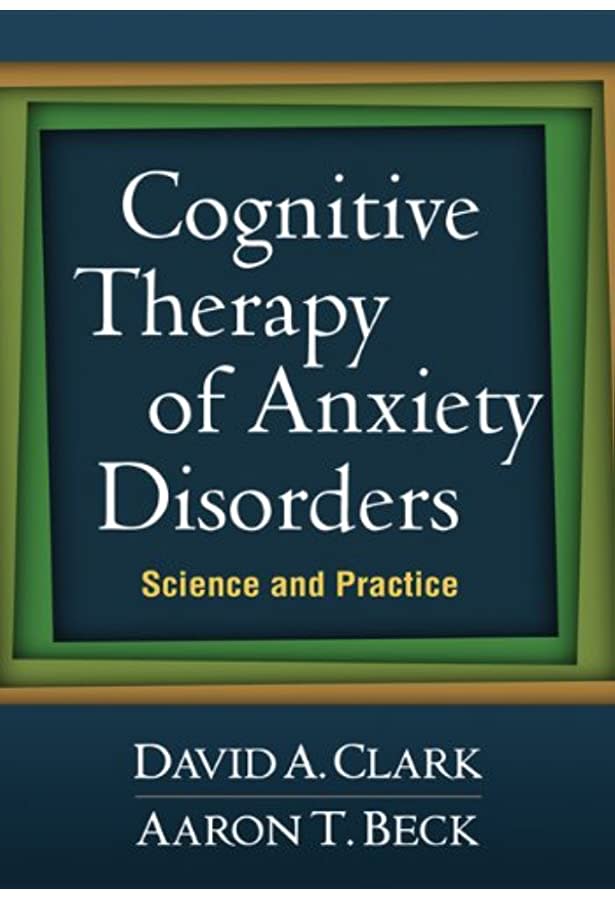
Cognitive Therapy of Anxiety Disorders: Science and Practice
Authors: David A. Clark and Aaron T. Beck
A detailed guide to using cognitive behavioural therapy (CBT) for anxiety disorders. This book is ideal for professionals or anyone interested in the science behind CBT techniques.
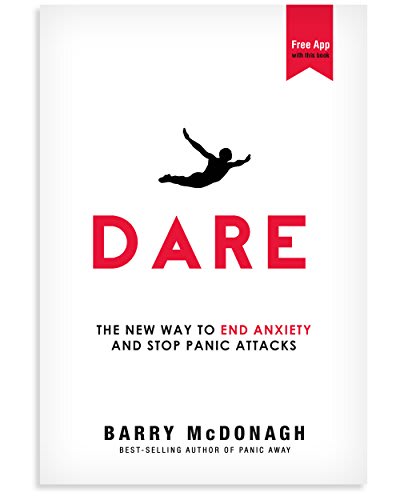
Dare: The New Way to End Anxiety and Stop Panic Attacks
Author: Barry McDonagh
This book introduces the DARE method for facing anxiety and panic attacks, teaching you to respond with courage and calm.

First, We Make the Beast Beautiful: A New Journey Through Anxiety
Author: Sarah Wilson
Part memoir, part self-help, this book offers a deeply personal look at living with anxiety, and its unconventional approach shows how to find meaning in the experience.

Furiously Happy: A Funny Book About Horrible Things
Author: Jenny Lawson
Through humour and honesty, Lawson shares her experience with anxiety and depression, and reminds readers that it's okay to laugh while healing.
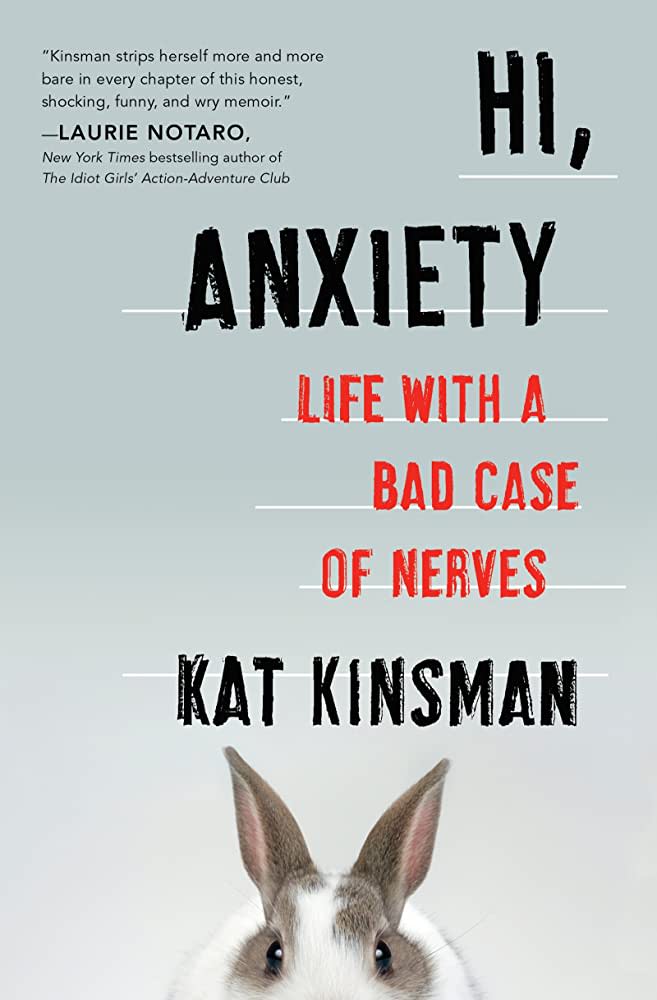
Hi, Anxiety: Life with a Bad Case of Nerves
Author: Kat Kinsman
This candid memoir explores how anxiety shows up in everyday life, from relationships to work, with raw honesty and unexpected humour.
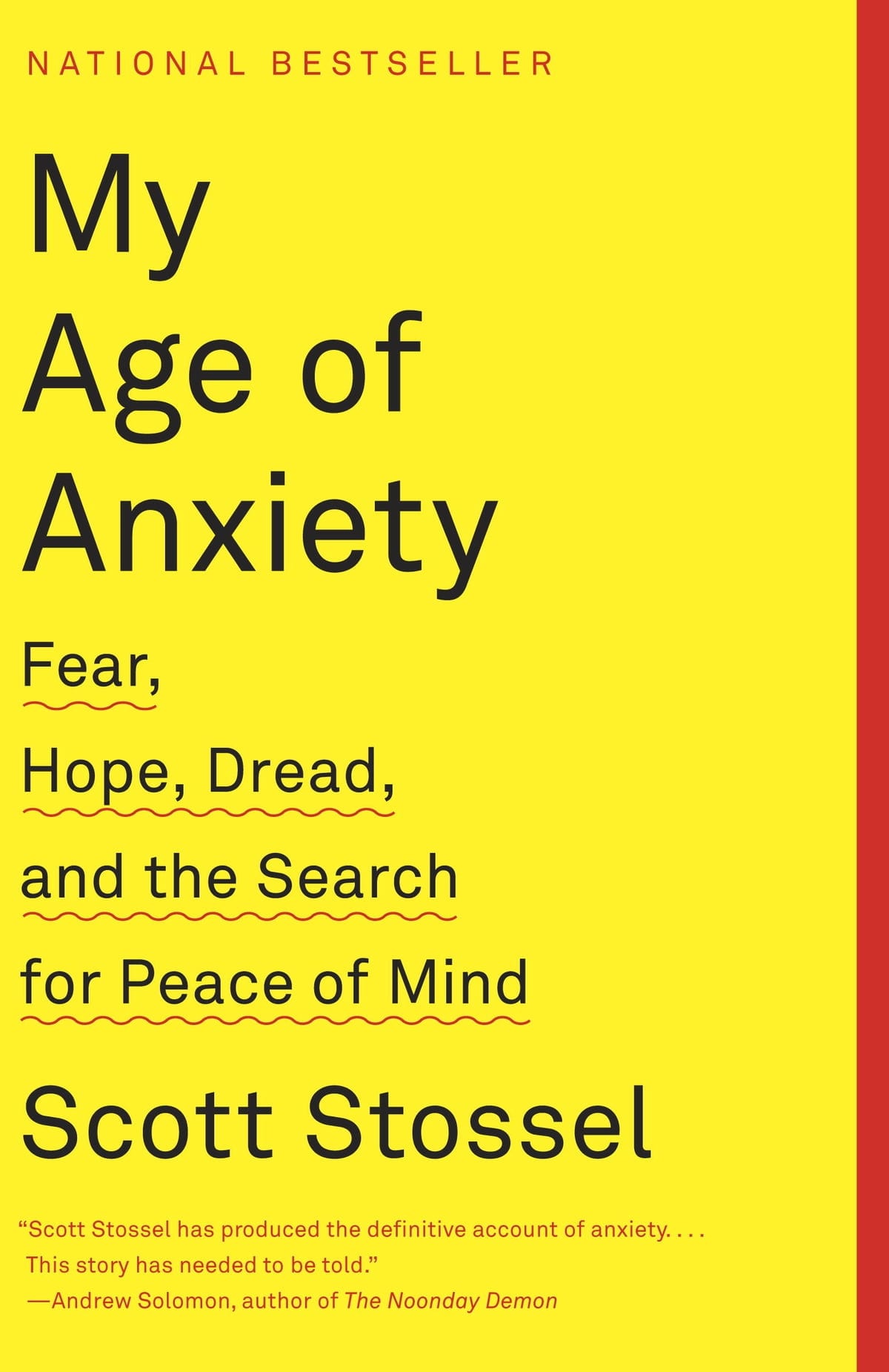
My Age of Anxiety: Fear, Hope, Dread, and the Search for Peace of Mind
Author: Scott Stossel
A close look at the history, science, and personal experience of anxiety, in which Stossel explores treatments and the ongoing search for peace.
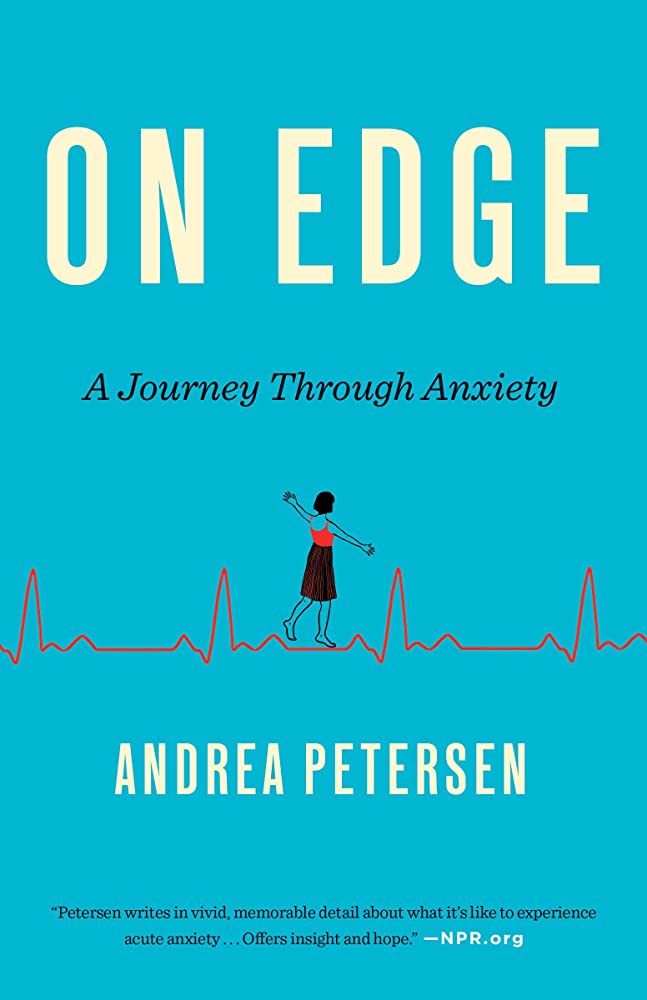
On Edge: A Journey Through Anxiety
Author: Andrea Petersen
Blending memoir and research, this book explores the author’s personal experience with anxiety while shedding light on how it affects the brain and body.
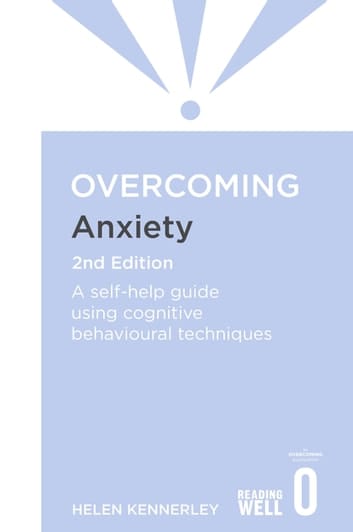
Overcoming Anxiety, 2nd Edition: A Self-Help Guide Using Cognitive Behavioural Techniques
Author: Helen Kennerley
This hands-on workbook uses CBT strategies to help readers understand anxiety and take practical steps toward feeling better.
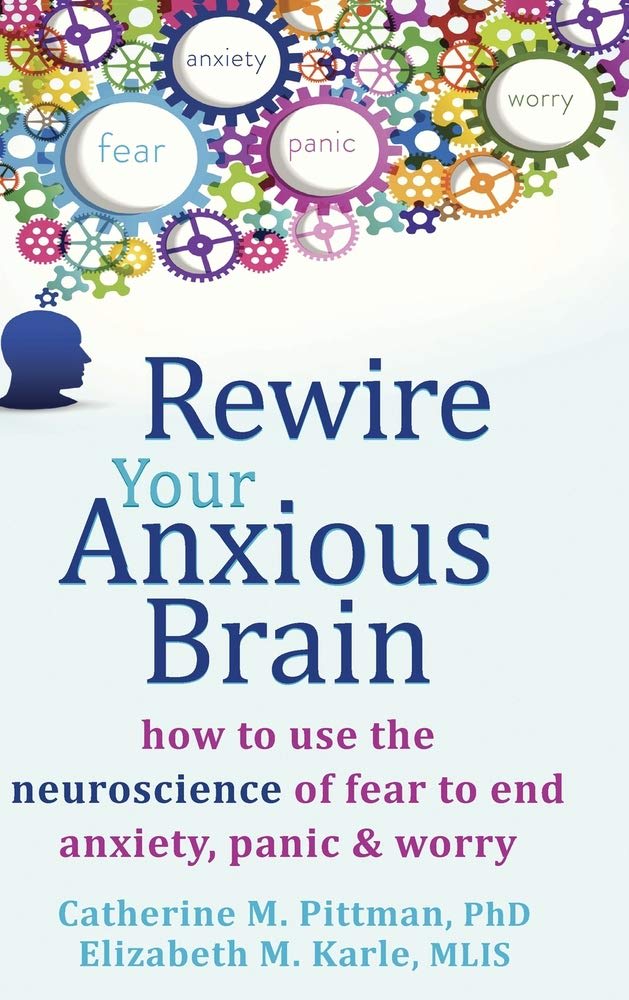
Rewire Your Anxious Brain: How to Use the Neuroscience of Fear to End Anxiety, Panic, and Worry
Author: Catherine M. Pittman and Elizabeth M. Karle
Learn how your brain creates fear, and how to retrain it. This book uses neuroscience to explain anxiety and gives you practical tools to change your response.
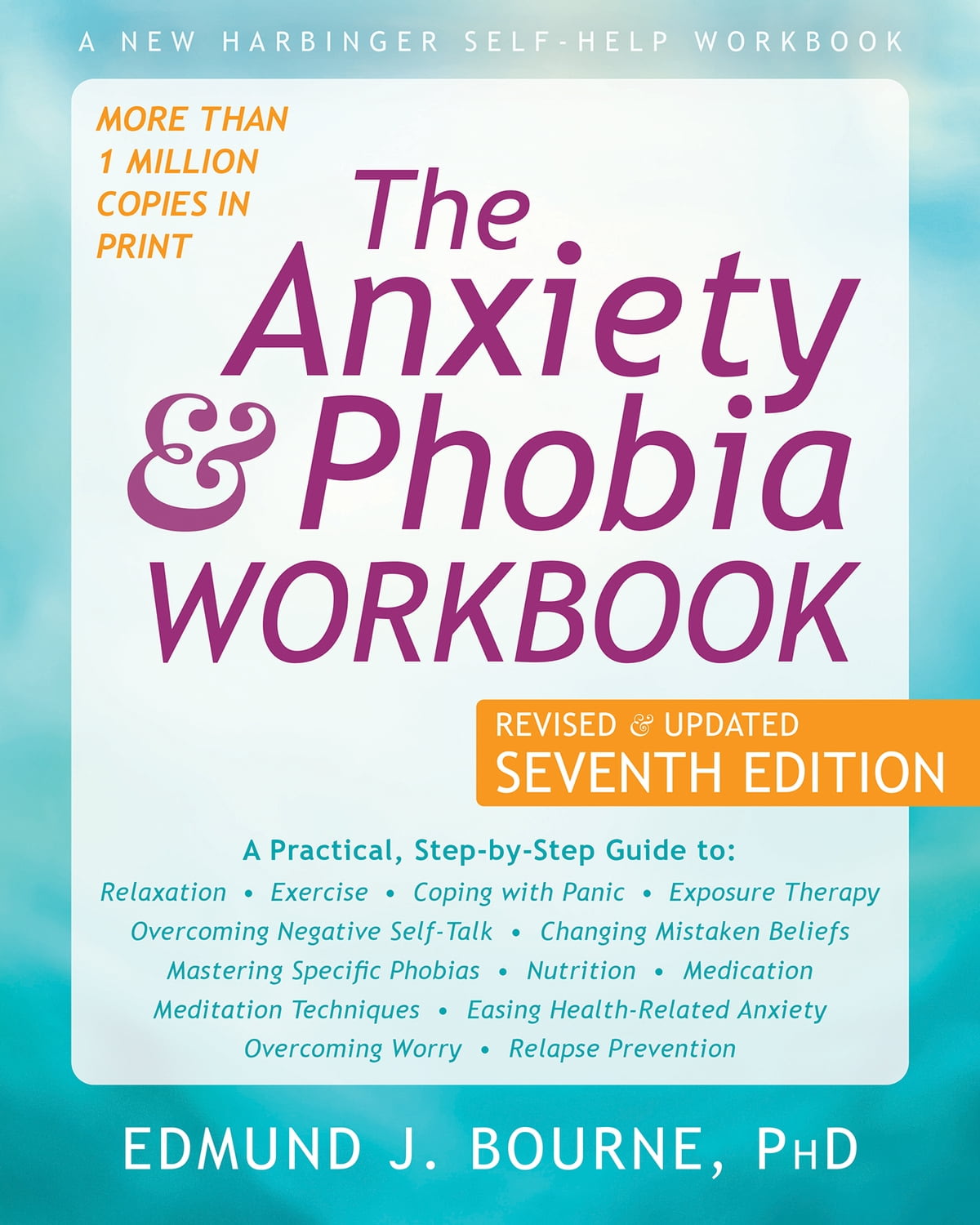
The Anxiety and Phobia Workbook
Author: Edmund J. Bourne
A popular workbook packed with exercises and strategies to help manage anxiety, panic, and phobias using proven techniques.
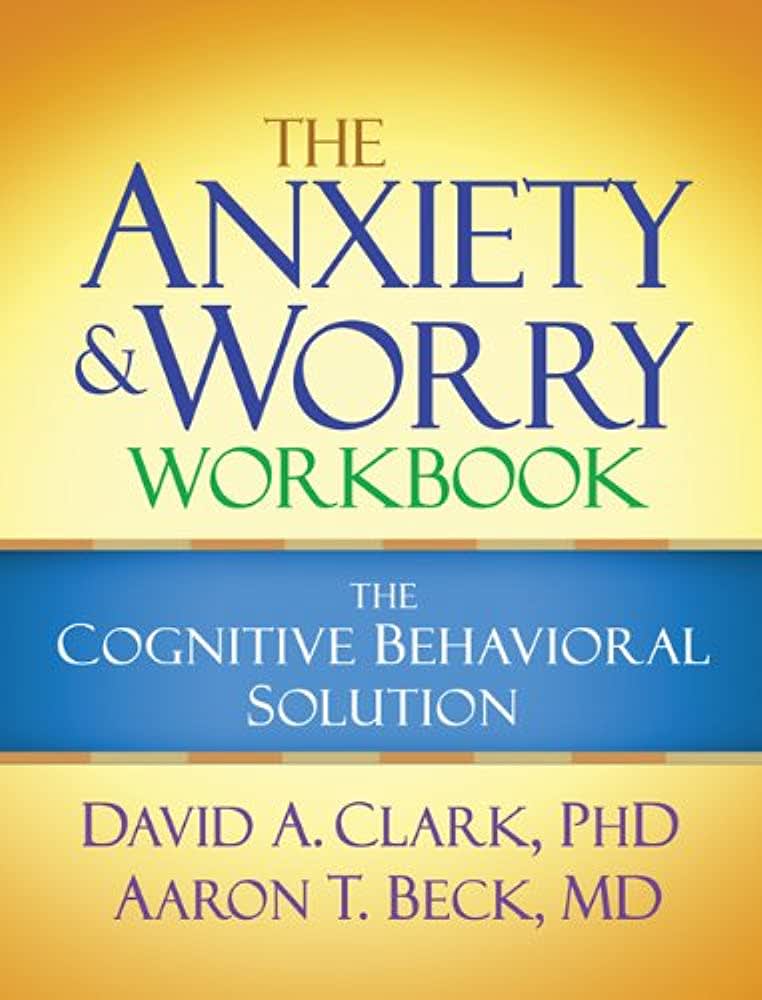
The Anxiety and Worry Workbook: The Cognitive Behavioural Solution
Authors: David A. Clark and Aaron T. Beck
This CBT-based workbook offers step-by-step guidance for identifying, understanding, and managing anxious thoughts and behaviours.
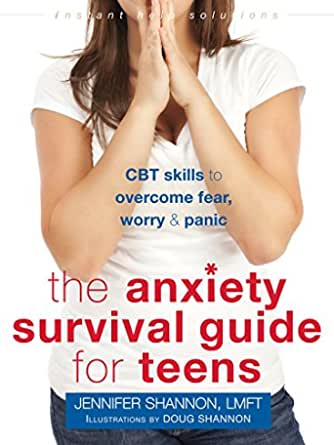
The Anxiety Survival Guide for Teens: CBT Skills to Overcome Fear, Worry, and Panic (The Instant Help Solutions Series)
Author: Jennifer Shannon
A helpful and relatable guide for teenagers dealing with anxiety. It teaches practical CBT skills in a friendly, easy-to-understand way.
The Anxiety Toolkit: Strategies for Fine-Tuning Your Mind and Moving Past Your Stuck Points
Author: Alice Boyes
This book is ideal for overthinkers. It offers practical tips to overcome anxiety-driven habits and improve emotional resilience.
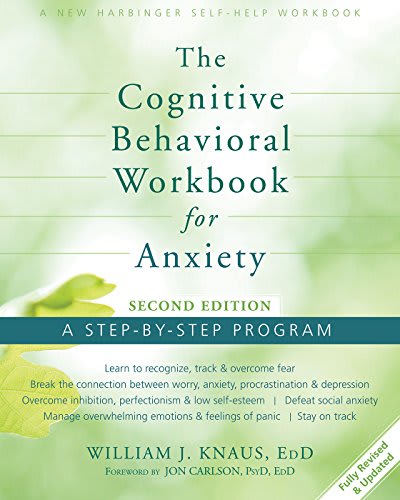
The Cognitive Behavioural Workbook for Anxiety: A Step-by-Step Program
Author: William J. Knaus
This detailed workbook teaches CBT techniques for reducing anxiety and changing negative thought patterns.
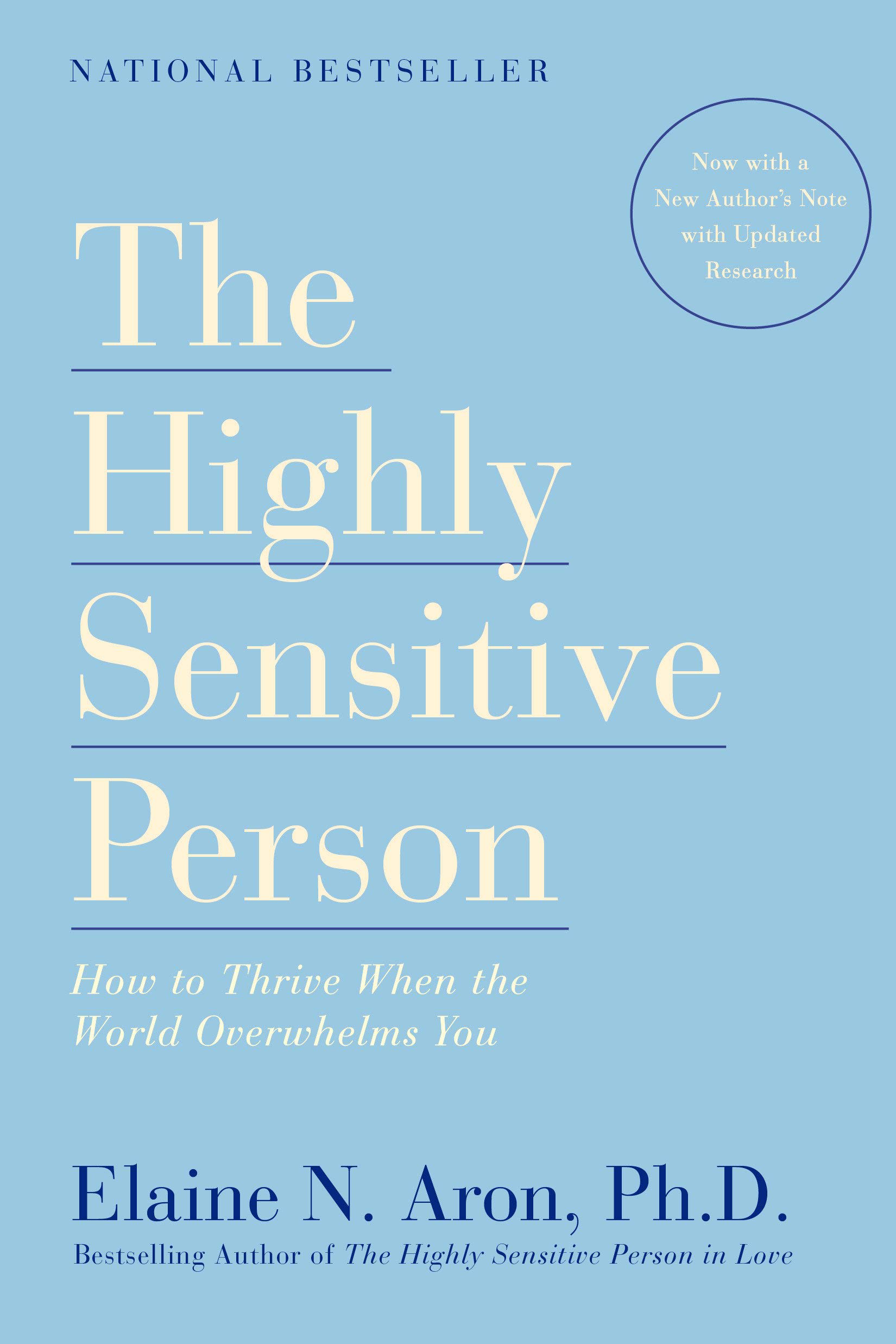
The Highly Sensitive Person: How to Thrive When the World Overwhelms You
Author: Elaine N. Aron
This book is for people who often feel overwhelmed by their surroundings. It explains what it means to be highly sensitive, how that relates to anxiety, and ways to cope and thrive.

The Mindfulness and Acceptance Workbook for Anxiety: A Guide to Breaking Free from Anxiety, Phobias, and Worry Using Acceptance and Commitment Therapy
Authors: John P. Forsyth and Georg H. Eifert
A guide based on Acceptance and Commitment Therapy (ACT) that helps you stop fighting anxiety and start living with more acceptance and presence.

The Noonday Demon: An Atlas of Depression
Author: Andrew Solomon
While focused on depression, this award-winning book offers valuable insights into how anxiety and depression often overlap, through personal stories and research.
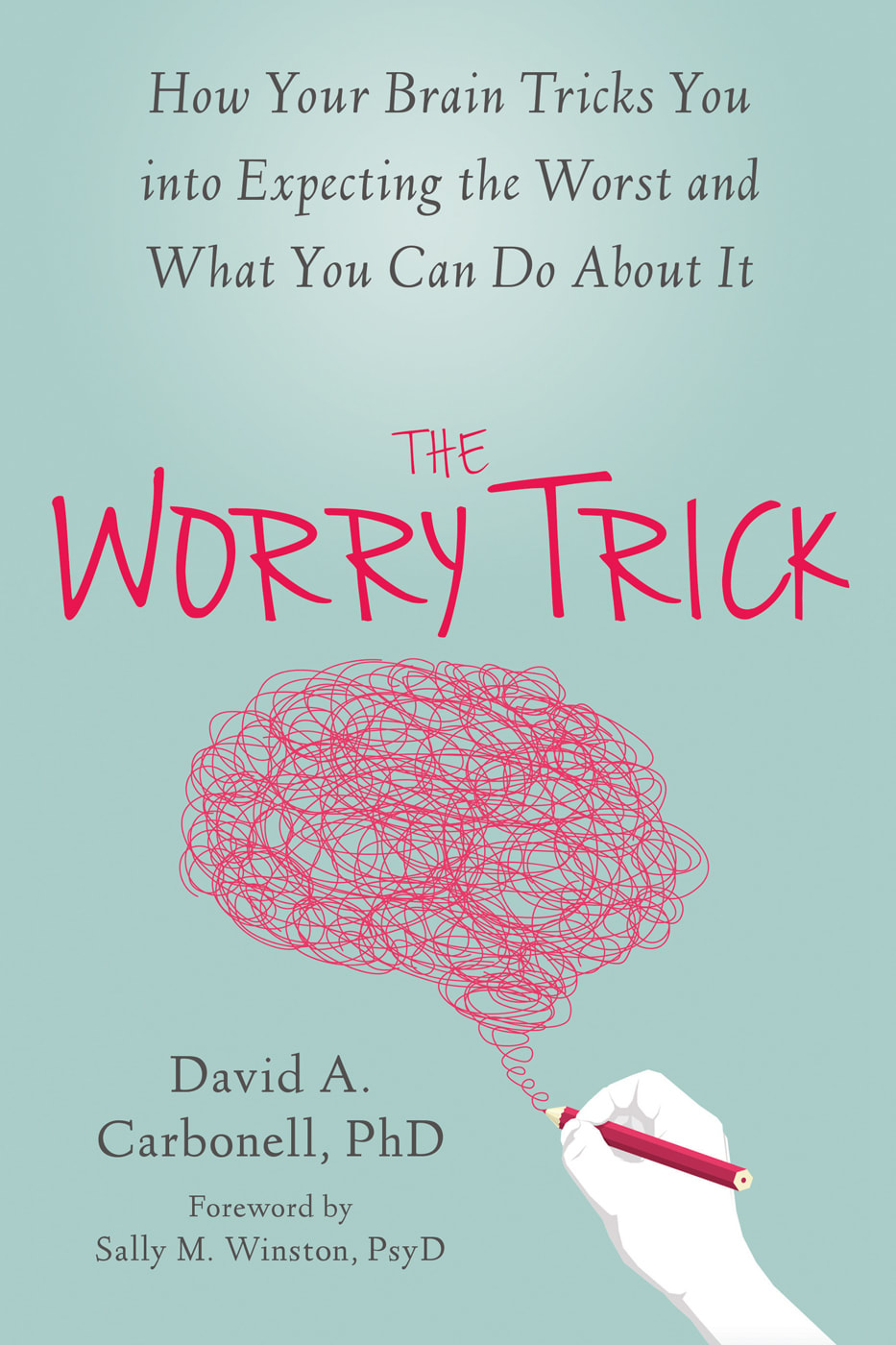
The Worry Trick: How Your Brain Tricks You into Expecting the Worst and What You Can Do About It
Author: David A. Carbonell
This book explains why worry feels so convincing, and how to stop falling for your brain's false alarms.

Treatment Plans and Interventions for Depression and Anxiety Disorders (Treatment Plans and Interventions for Evidence-Based Psychotherapy)
Author: Robert L. Leahy
Ideal for mental health professionals, this book offers evidence-based tools and plans for treating anxiety and depression in therapy.
Disclaimer: This resource is for information only and is not meant to replace professional advice, diagnosis, or treatment. If you're in crisis or thinking about hurting yourself, please call a local emergency number or crisis hotline right away. Always talk to a licensed mental health professional or your doctor if you have questions about a mental health condition. Click here to find a therapist, psychologist, or counsellor near you.
About the Reviewer: Vincenzo Sinisi holds a MA in Clinical Psychology from the University of the Witwatersrand and has over 20 years of experience in the field. As an expert in clinical psychology and psychotherapy, Vincenzo Sinisi is a member of the HPCSA, AGPA, and IPA. His dedication to providing accurate, high-quality information and staying current with industry developments ensures that the content they review meets the highest standards of Experience, Expertise, Authoritativeness, and Trustworthiness (E-E-A-T). To learn more about Vincenzo Sinisi and his work, visit his website or connect with him on LinkedIn.
References
- [1] National Institute of Mental Health (NIMH). Anxiety Disorders. https://www.nimh.nih.gov/health/topics/anxiety-disorders
- [2] World Health Organization. International Classification of Diseases (ICD). https://icd.who.int/
- [3] American Psychiatric Association. Diagnostic and Statistical Manual of Mental Disorders (DSM-5-TR). https://www.psychiatry.org/psychiatrists/practice/dsm
- [4] National Institute for Health and Care Excellence (NICE) (2011, updated). Generalised anxiety disorder and panic disorder in adults: management (CG113). https://www.nice.org.uk/guidance/cg113
Important: TherapyRoute does not provide medical advice. All content is for informational purposes and cannot replace consulting a healthcare professional. If you face an emergency, please contact a local emergency service. For immediate emotional support, consider contacting a local helpline.
Find Therapists
Must Read
Creating Space for Growth: How Boundaries Strengthen Relationships
Setting healthy boundaries fosters respect, protects emotional well-being, and strengthens relationships by defining personal limits and maintaining self-care.
International Mutual Recognition Agreements for Mental Health Professionals
Mutual recognition agreements for mental health professions are rare and uneven, with major gaps in counselling, social work, and allied therapies. Read on to understand ...
Mental Health Licensing & Regulation in New York State: 2025 Guide
Mental Health Licensing & Regulation in Singapore: 2025 Guide
Jumping to Conclusions
Jumping to conclusions is a thinking habit where we assume the worst or make judgments without enough evidence. By recognising this pattern, therapy can help you slow dow...
About The Author

TherapyRoute
Cape Town, South Africa
“Our in-house team, including world-class mental health professionals, publishes high-quality articles to raise awareness, guide your therapeutic journey, and help you find the right therapy and therapists. All articles are reviewed and written by or under the supervision of licensed mental health professionals.”
TherapyRoute is a mental health resource platform connecting individuals with qualified therapists. Our team curates valuable mental health information and provides resources to help you find the right professional support for your needs.