
Eating Disorder

❝Struggling with food, weight, or body image? Learn about eating disorders, their serious impact, and how specialised therapy provides a path to recovery and peace.❞
Concerns about food, weight, and body shape can sometimes take over your life, becoming an overwhelming preoccupation that harms your health and happiness. Eating disorders are serious, complex mental illnesses, not lifestyle choices or phases.
This guide simply explains what eating disorders are, how they feel, and crucially, how specialised therapy and support offer real hope for healing and recovery.
- What are Eating Disorders?
- How Do Eating Disorders Affect Daily Life?
- What Does an Eating Disorder Actually Feel Like?
- What Might Contribute to Eating Disorders?
- What Else Could It Be?
- How Can You Start Supporting Recovery?
- What Professional Help Looks Like?
- What Can You Do Now?
- Books to Deepen Your Understanding of Eating Disorders
Click for more like this: Anxiety Disorder - Attachment Disorder - ADHD - Bipolar Disorder - Borderline Personality Disorder - Depression - Eating Disorder - Narcissistic Personality Disorder - Obsessive Compulsive Disorder - PTSD - Somatic Symptom Disorder - Substance Use Disorders
What are Eating Disorders?
Eating disorders involve extreme emotions, attitudes, and behaviours surrounding weight, food, and body image. They lead to harmful eating patterns and often involve intense obsessions that disrupt daily life.
Think of the outward behaviours (like restricting food, bingeing, or purging) as just the tip of the iceberg. Underneath lie deep emotional pain, distress, and often co-occurring conditions like anxiety or depression.
Sometimes you just need someone qualified to talk to. Find a counsellor near you — independent, professional, and ready to listen.
Find a CounsellorCommon types include:
1. Anorexia Nervosa:
- Intense fear of gaining weight, severe restriction of food intake, distorted body image, often resulting in significantly low body weight.
2. Bulimia Nervosa:
- Cycles of binge eating (consuming large amounts of food uncontrollably) followed by compensatory behaviours (like self-induced vomiting, laxative misuse, excessive exercise) to prevent weight gain. Self-worth is heavily tied to body image.
3. Binge Eating Disorder (BED):
- Recurrent episodes of binge eating without compensatory behaviours, often accompanied by feelings of guilt and shame.
4. Other Specified Feeding or Eating Disorder (OSFED):
- Individuals who don't meet the strict criteria for AN, BN, or BED but still have significant eating disorder symptoms causing distress or impairment. This category is common and equally serious.
The symptoms vary among individuals and (as seen in movies depicting eating disorders) may not be apparent as the individuals may hide or obscure them.
How Do Eating Disorders Affect Daily Life?
Eating disorders cast a long shadow, impacting nearly every aspect of a person's life:
- Serious Physical Health Consequences: Malnutrition, heart problems (including risk of heart failure), electrolyte imbalances, osteoporosis, severe digestive issues, dental problems, infertility, organ damage. Eating disorders have one of the highest mortality rates of any mental illness.
- Mental Health: High rates of co-occurring depression, anxiety disorders (OCD, social anxiety), trauma-related disorders, substance use. Increased risk of self-harm and suicide.
- Relationships: Secrecy, withdrawal from loved ones, irritability, difficulty trusting, significant conflict around food and eating habits.
- Social Life: Avoiding social events involving food, feeling isolated, difficulty connecting authentically with others.
- Work/School: Difficulty concentrating ("brain fog" from malnutrition or preoccupation), fatigue, obsessive thoughts interfering with focus, potential need for time off for treatment.
- Daily Functioning: Obsessive thoughts about food, weight, or body image can consume immense amounts of time and mental energy.
What Does an Eating Disorder Actually Feel Like?
Living with an eating disorder often involves a constant, exhausting internal battle filled with anxiety, secrecy, and immense distress.
You might notice thoughts like:
- An obsessive preoccupation with food, calories, weight, fat grams, body shape, or exercise routines.
- Strict, rigid rules about what, when, or how much to eat ("good" vs "bad" foods).
- Intense fear of gaining weight or becoming "fat," regardless of actual body size.
- A distorted perception of your own body (seeing yourself as larger than you are).
- Believing your self-worth is determined by your weight or how well you stick to food/exercise rules.
- Constant comparison of your body or food intake to others.
- Harsh self-criticism and perfectionistic thinking.
Feelings often involve:
- Intense anxiety, especially before, during, or after eating, or when routines are disrupted.
- Overwhelming guilt and shame, particularly after eating, breaking a rule, or bingeing.
- Feeling "out of control," often leading to attempts to regain control through ED behaviours.
- Feeling depressed, hopeless, irritable, or emotionally numb.
- A temporary, misleading sense of "control," power, or accomplishment through restriction or rituals, often followed by feeling worse.
- Feeling profoundly isolated, secretive, and misunderstood.
Behaviours might include:
- Secretive eating, hiding food, eating alone.
- Restricting types or amounts of food.
- Compulsive exercise, often continuing despite injury or fatigue.
- Frequent weighing or body checking (mirror gazing, pinching skin).
- Binge eating episodes.
- Engaging in purging behaviours (self-induced vomiting, misusing laxatives or diuretics).
- Withdrawing from social activities, especially those centred around food.
What Might Contribute to Eating Disorders?
There is no single cause. Eating disorders arise from a complex interplay of biological, psychological, and sociocultural factors. It's never just one thing.
Potential contributing factors include:
Biological Factors:
- Genetics: Having a first-degree relative (parent, sibling) with an eating disorder significantly increases risk. Genetics likely influence temperament and brain chemistry.
- Brain Biology: Differences in brain structure, function, and chemical pathways related to appetite, reward, anxiety, perfectionism, and impulse control may play a role.
Psychological Factors:
- Low self-esteem, feelings of inadequacy or worthlessness.
- Perfectionism, rigidity, obsessive-compulsive traits.
- Difficulty identifying, tolerating, or expressing emotions.
- History of trauma, abuse (physical, emotional, sexual), or neglect.
- Co-occurring mental health conditions (anxiety, depression, OCD are very common).
- Body dissatisfaction and internalisation of the thin ideal.
Sociocultural Factors:
- Cultural pressures idealising specific body types (often thinness) and promoting dieting ("diet culture").
- Weight stigma, bias, and bullying based on body size.
- Media exposure to unrealistic or narrow body ideals.
- Participation in activities where weight or appearance is emphasised (e.g., ballet, gymnastics, wrestling, modeling).
Developing an eating disorder is never the person's fault or a sign of weakness. It is also not the fault of family members.
What Else Could It Be?
Eating disorder symptoms can overlap with other conditions, making a specialised assessment vital.
- Anxiety Disorders (OCD, Social Anxiety, Generalised Anxiety): Anxiety is nearly always present. OCD traits (rigidity, rituals) are common. Social anxiety may focus on eating in public.
- Major Depressive Disorder: Depression is very common alongside EDs and shares symptoms like appetite changes and low energy, but EDs have core body image/food preoccupations.
- Body Dysmorphic Disorder (BDD): Involves preoccupation with perceived flaws in appearance, but BDD is often focused on specific body parts, whereas EDs typically focus more broadly on weight and shape. They can co-occur.
- Trauma-Related Disorders (PTSD/C-PTSD): Trauma is a significant risk factor, and ED behaviours can develop as coping mechanisms for trauma symptoms.
- Avoidant/Restrictive Food Intake Disorder (ARFID): Involves limiting food intake due to sensory issues, lack of interest, or fear of consequences (like choking), but importantly, it is not driven by fear of weight gain or body image concerns.
- Medical Conditions: Certain gastrointestinal or endocrine conditions can affect weight or appetite, but lack the core psychological features of an ED.
Only professionals experienced in eating disorders can provide an accurate diagnosis and rule out or identify co-occurring conditions.
How Can You Start Supporting Recovery?
CRITICAL WARNING: Self-help strategies alone are dangerous and insufficient for treating eating disorders due to their complexity and serious medical risks. Professional, specialised help is absolutely essential. These steps are about fostering readiness or taking initial steps towards seeking help, not attempting self-treatment.
- Acknowledge the Struggle is Real: Recognise honestly that the thoughts and behaviours are causing harm and distress. This is a huge and courageous first step.
- Confide in ONE Trusted Person: Choose someone you believe will be supportive and non-judgmental (a friend, family member, teacher, counsellor). Share that you are struggling. You don't have to reveal everything.
- Learn from Reputable Sources: Seek information from established eating disorder organisations (e.g., NEDA - US, Beat - UK, NEDIC - Canada, Butterfly Foundation - Australia). Avoid pro-ED websites, diet blogs, or general weight loss advice.
- Journal Your Feelings (NOT Food/Weight): Focus on writing about the emotions, situations, or stresses that seem to trigger ED urges or thoughts. This can help identify underlying issues. (Avoid tracking food, weight, or calories unless specifically guided by your treatment team).
- Curate Your Social Media Feed: Unfollow accounts that trigger comparisons, promote dieting, or show idealised bodies. Consider following recovery-focused or body-neutral accounts if helpful.
- Practice Gentle Self-Compassion: Acknowledge the pain you are in. Try to counter harsh self-criticism with understanding – recognise the ED likely started as a way to cope. (This is hard and takes practice, often guided by a therapist).
- Seek Professional Help: This is the most important action. Early intervention significantly improves the chances of full recovery.
These are steps towards getting help. They do not replace the need for professional assessment and treatment.
What Professional Help Looks Like?
To understand if someone has an eating disorder, mental health professionals like psychologists or psychiatrists will have a careful conversation about their experiences and symptoms. They'll also consider other possible causes to get a clear picture.
To ensure an accurate assessment, these experts use established guidelines (Diagnostic and Statistical Manual of Mental Disorders, 5th edition (DSM-5), and the International Classification of Diseases, 10th Revision (ICD-10), which describe the specific patterns of eating disorders.
This thorough understanding is vital, as effective treatment for eating disorders often requires a multidisciplinary team approach, with different professionals working together to tailor support to what's needed.
Key components include:
1. Medical Monitoring:
Essential due to physical health risks. A physician (GP, pediatrician, internist) monitors vital signs, performs lab tests, manages medical complications, and coordinates care.
2. Psychotherapy (Talk Therapy):
The core of treatment, addressing thoughts, feelings, behaviours, and underlying issues. Evidence-based therapies include:
- Cognitive Behavioural Therapy - Enhanced (CBT-E): A leading therapy specifically for EDs. Focuses on understanding and changing the mechanisms that maintain the eating disorder.
- Family-Based Treatment (FBT) / Maudsley Approach: The primary treatment for adolescents with AN and BN. Empowers parents to manage nutritional restoration and support recovery at home.
- Dialectical Behaviour Therapy (DBT): Teaches skills in mindfulness, emotion regulation, distress tolerance, and interpersonal effectiveness. Particularly helpful for BN, BED, or when significant emotional dysregulation is present.
- Acceptance and Commitment Therapy (ACT): Helps accept difficult thoughts/feelings and commit to value-driven actions instead of ED behaviours.
- Psychodynamic Therapy: Explores underlying conflicts and past experiences contributing to the ED.
4. Nutritional Rehabilitation & Counselling:
A Registered Dietitian specialising in eating disorders helps restore nutritional health, challenge food rules, develop balanced eating patterns, and heal the relationship with food and body. This is crucial.
5. Psychiatric Medication Management:
While no medication cures EDs (except possibly lisdexamfetamine for BED), a psychiatrist may prescribe medication to treat co-occurring conditions like anxiety or depression, which can support recovery.
What Can You Do Now?
If you are struggling with your relationship with food, weight, or body image, or suspect you or someone you know has an eating disorder, please reach out for help immediately. Timely intervention is critical.
Seek help urgently if you experience:
- Significant or rapid weight loss.
- Fainting, dizziness, chest pain, or heart palpitations.
- Confusion, severe fatigue, or inability to function.
- Signs of purging (vomiting blood, swollen glands, severe dental issues).
- Thoughts of suicide or self-harm (Contact emergency services or a crisis line NOW).
Here are clear next steps:
- Talk to Your Doctor Immediately: This is the first and most crucial step. Be honest about your eating behaviours, thoughts, and physical symptoms. They can assess medical risk and provide referrals.
- Seek Specialised Eating Disorder Assessment: Get evaluated by a mental health professional (psychologist, psychiatrist, therapist) AND a dietitian who specialise in eating disorders. General practitioners or therapists may lack the necessary expertise.
- Find Specialised Treatment Providers: Use reputable directories like therapyroute.com, specifically filtering for "eating disorder specialists." Look for therapists trained in CBT-E, FBT, DBT, etc., and dietitians with ED experience.
- Contact Eating Disorder Helplines/Organisations: National and local organisations (NEDA, Beat, NEDIC, Butterfly Foundation, etc.) offer helplines, websites with treatment finders, resources, and support groups.
- Be Prepared for a Process: Recovery takes time, patience, and commitment. Finding the right team and level of care is key. Relapses can happen, but they don't mean failure.
Recovery from an eating disorder is absolutely possible. Many people go on to live full, healthy lives free from the grip of the illness. Reaching out for professional help is a sign of courage and the most important step you can take.
Books to Deepen Your Understanding of Eating Disorders
Looking to learn more? Below is a curated list of valuable books that offer insight into eating disorders, drawing from both personal stories and clinical expertise. Whether you're a psychologist seeking a deeper understanding or someone looking for tools to manage an eating disorder, these books provide helpful perspectives and strategies.
We’re Amazon affiliates, so if you click a title and make a purchase, you’ll be supporting your own learning and helping us continue our meaningful work.
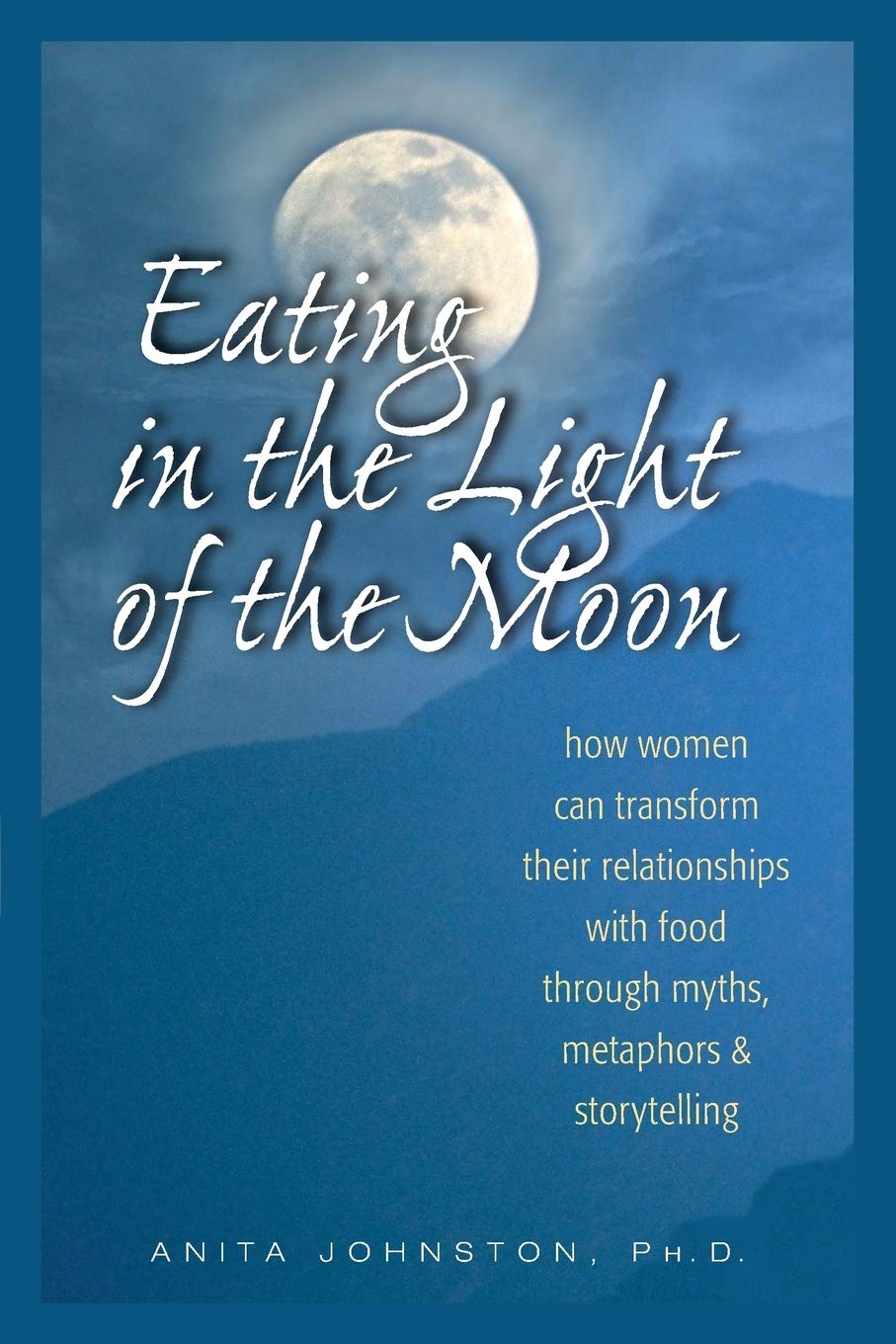
Author: Anita A. Johnston
This insightful guide uses myths and storytelling to help women understand and heal their relationship with food, body image, and emotional well-being.

Author: Marya Hornbacher
A raw and honest memoir detailing the author's personal struggles with anorexia, bulimia, and alcoholism from adolescence into adulthood.
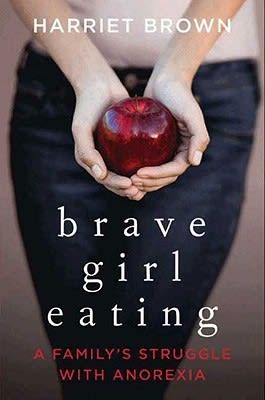
Brave Girl Eating: A Family's Struggle with Anorexia
Author: Harriet Brown
A powerful mother’s memoir chronicling her daughter’s battle with anorexia and their shared journey through recovery.
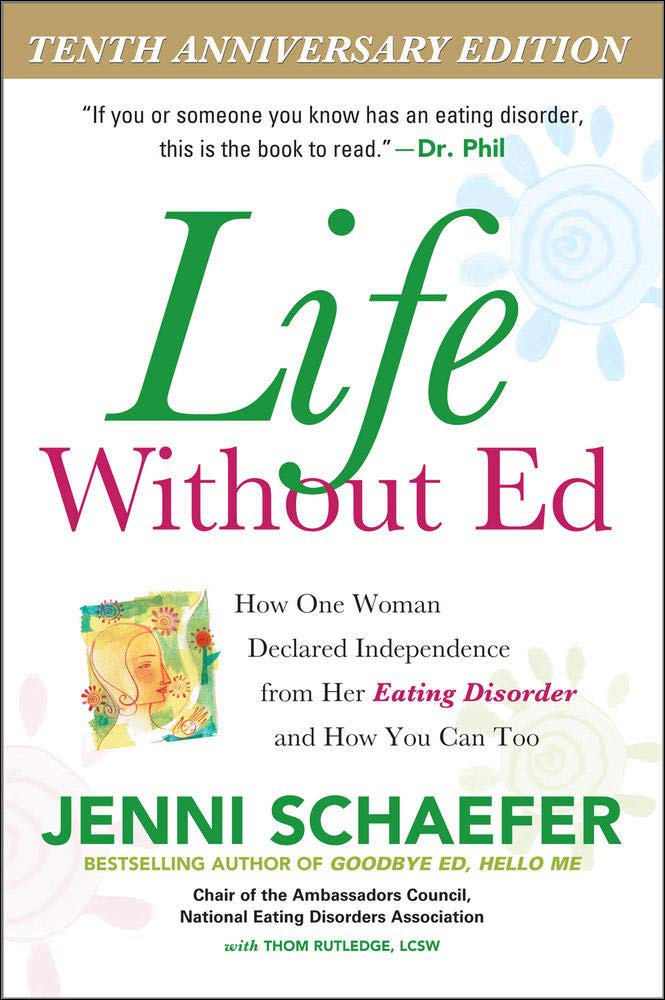
Life Without Ed: How One Woman Declared Independence from Her Eating Disorder and How You Can Too
Author: Jenni Schaefer
Part memoir, part self-help, this book personifies the eating disorder as "Ed" and shares the author's path to reclaiming her life and health.

The Golden Cage: The Enigma of Anorexia Nervosa
Author: Hilde Bruch
A pioneering exploration of the psychological and societal roots of anorexia nervosa, written by one of the first experts in the field.
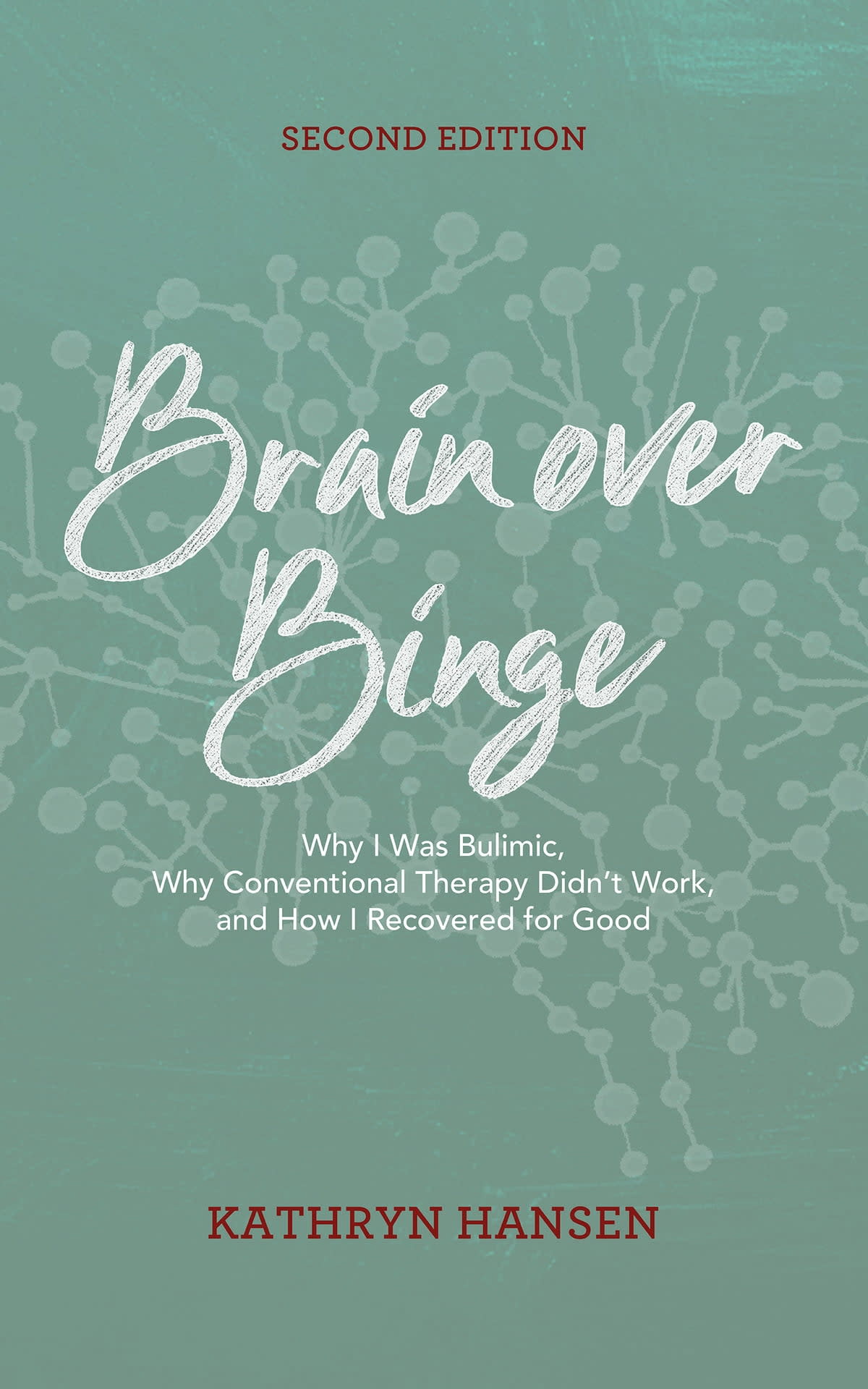
Author: Kathryn Hansen
A bold and unconventional self-help book that challenges traditional views on binge eating and offers a unique recovery approach.
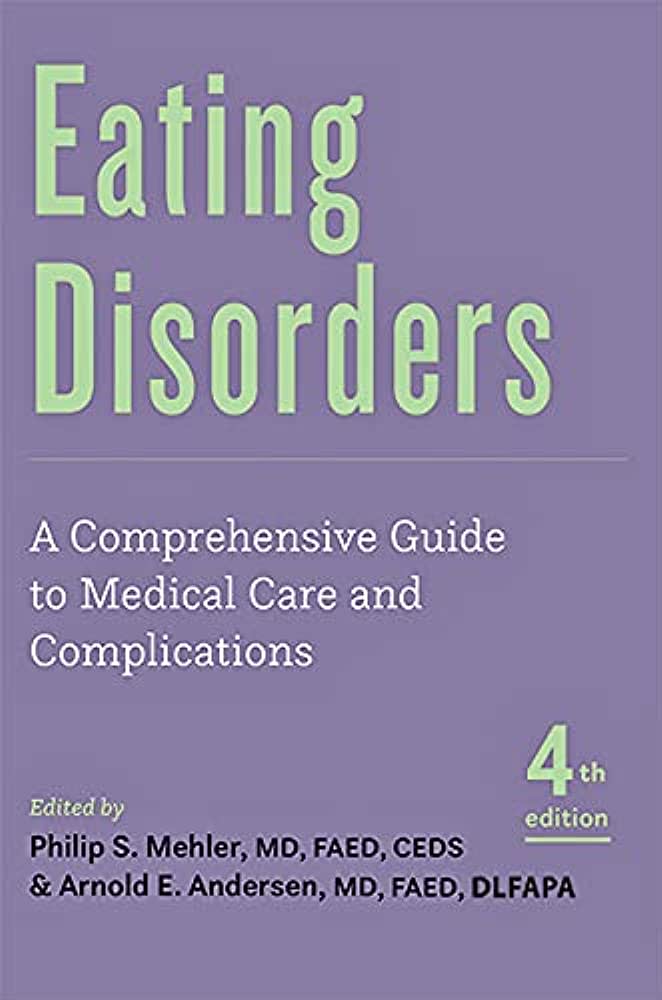
Eating Disorders: A Guide to Medical Care and Complications
Author: Philip S. Mehler and Arnold E. Andersen
A clinical guide that outlines the medical risks of eating disorders and provides guidance for safe and effective treatment.
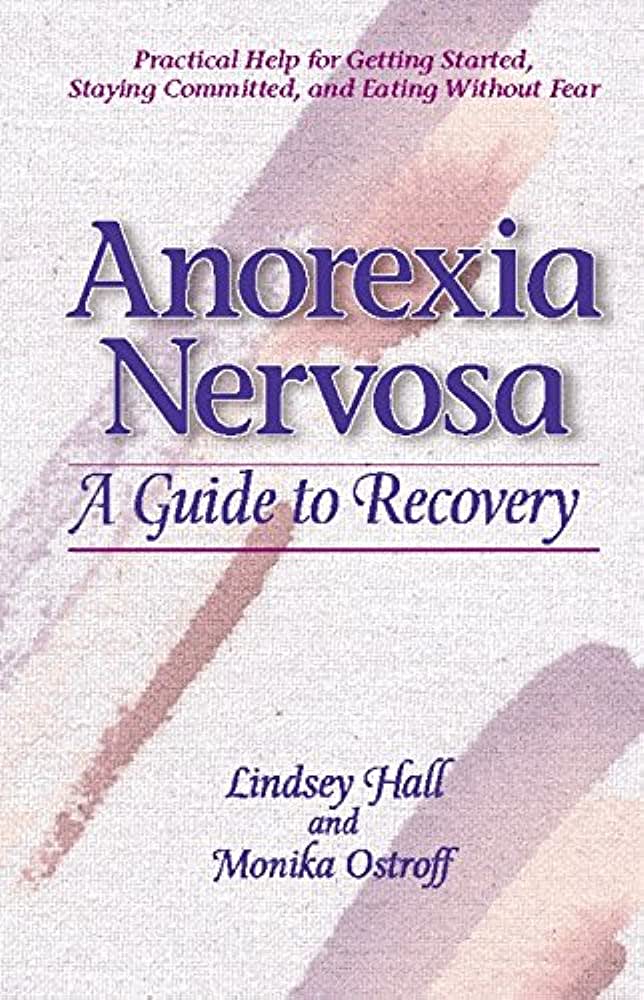
Anorexia Nervosa: A Guide to Recovery
Author: Lindsey Hall and Monika Ostroff
A compassionate and practical resource for individuals with anorexia and their loved ones, filled with tools for healing and hope.
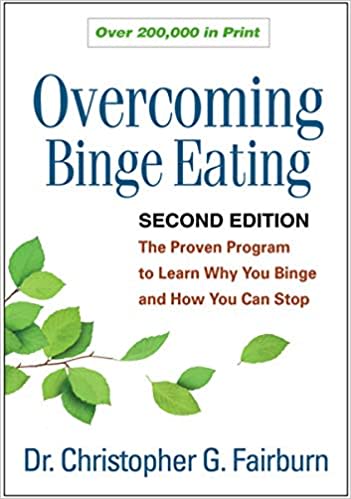
Overcoming Binge Eating: The Proven Program to Learn Why You Binge and How You Can Stop
Author: Christopher G. Fairburn
This evidence-based self-help book offers practical strategies rooted in cognitive-behavioural therapy for stopping binge eating.

Eating Disorders: Anatomy of a Social Epidemic
Author: Richard A. Gordon
A thought-provoking sociological study of the cultural and societal influences that contribute to the development of eating disorders.
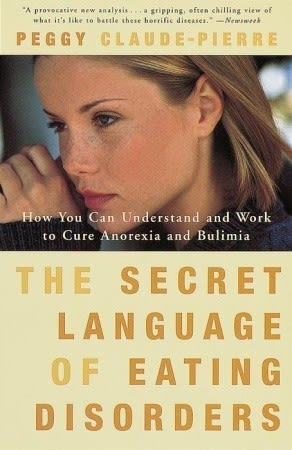
Author: Peggy Claude-Pierre
A controversial yet compassionate guide that explores the emotional roots of eating disorders and offers a nurturing approach to healing.
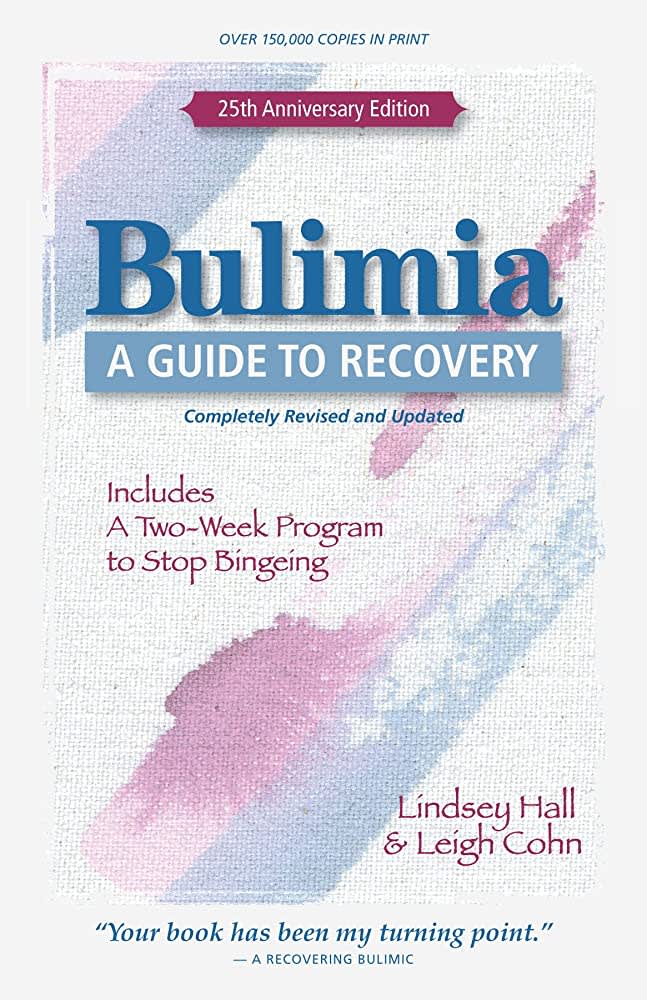
Author: Lindsey Hall and Leigh Cohn
A practical and encouraging guide offering insights and tools for recovery from bulimia.
Eating Disorders Anonymous: The Story of How We Recovered from Our Eating Disorders
Author: Eating Disorders Anonymous
A collection of stories and wisdom from members of a 12-step program designed to support long-term recovery from eating disorders.
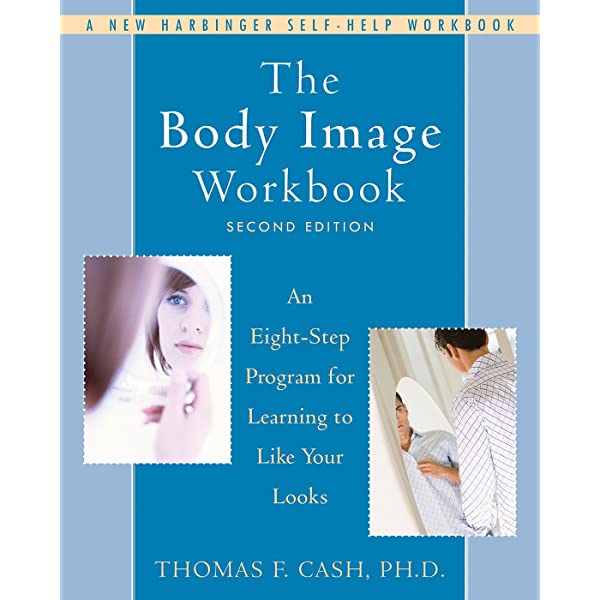
Author: Thomas F. Cash
A self-help workbook offering evidence-based strategies to build a healthier body image and boost self-esteem.
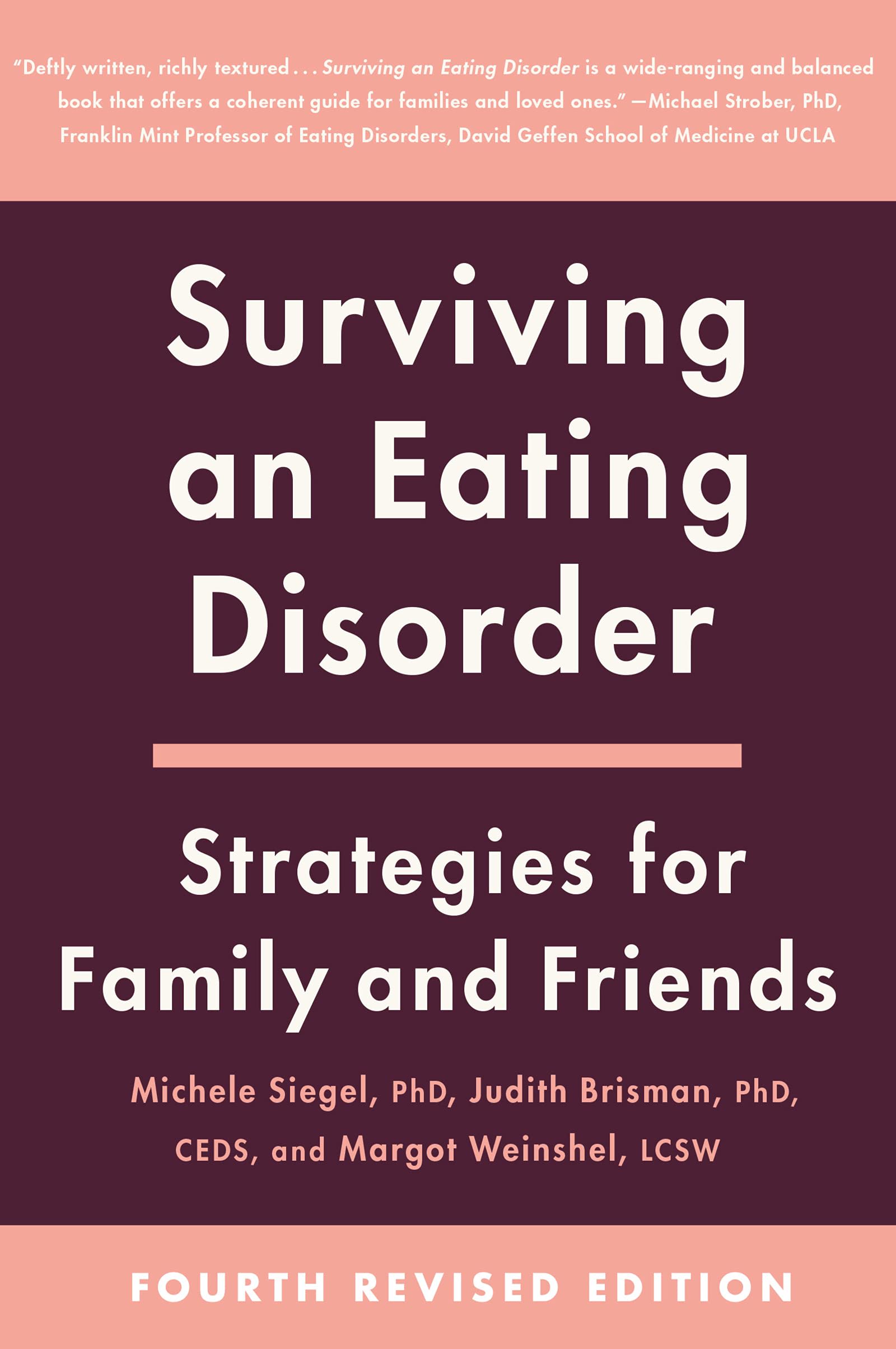
Surviving an Eating Disorder: Strategies for Family and Friends
Author: Michele Siegel and Judith Brisman
A compassionate guide for loved ones, providing insights and tools to support someone struggling with an eating disorder.
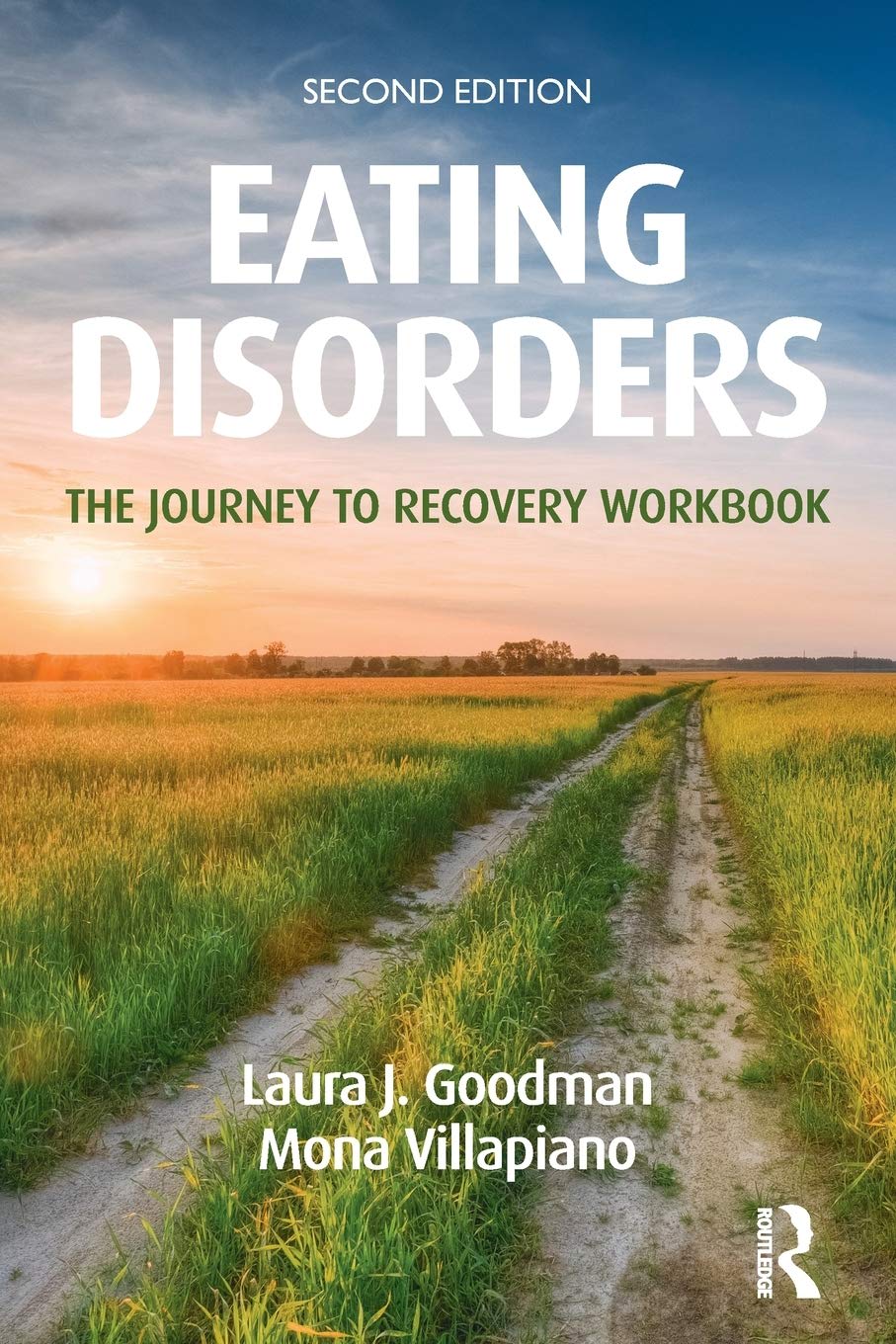
Eating Disorders: The Journey to Recovery Workbook
Author: Laura J. Goodman
This workbook offers structured exercises and tools for individuals actively working toward eating disorder recovery.
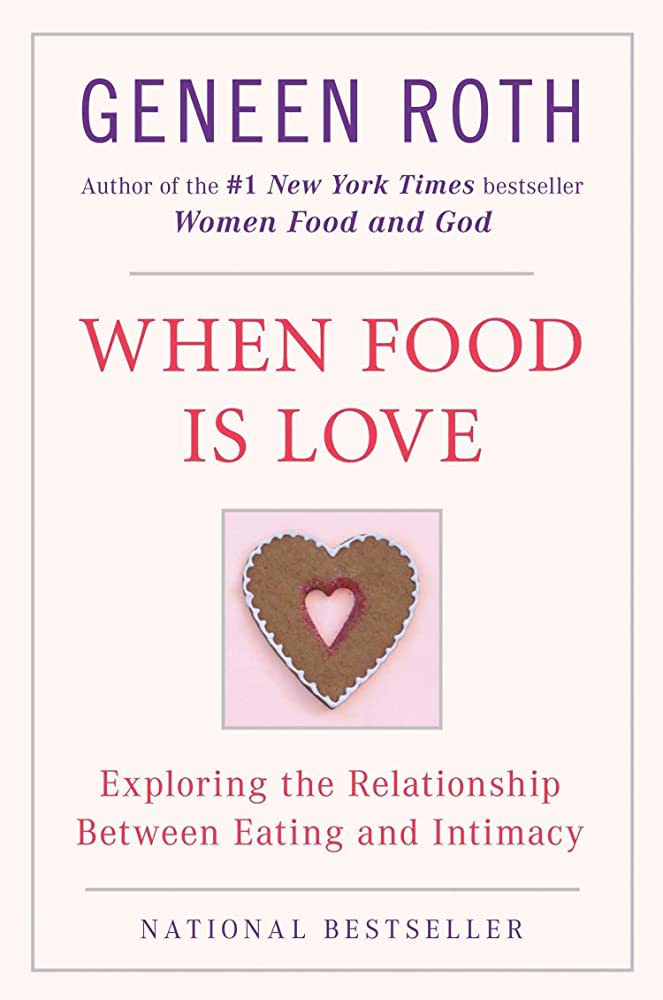
When Food Is Love: Exploring the Relationship Between Eating and Intimacy
Author: Geneen Roth
A reflective memoir that delves into emotional eating and the connection between food, intimacy, and self-worth.
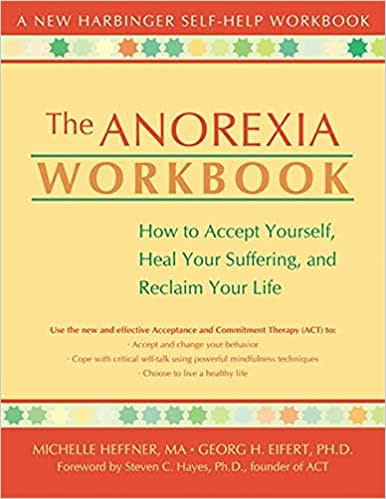
Author: Michelle Heffner and Georg H. Eifert. A hands-on workbook that combines acceptance and commitment therapy (ACT) principles to support recovery from anorexia.
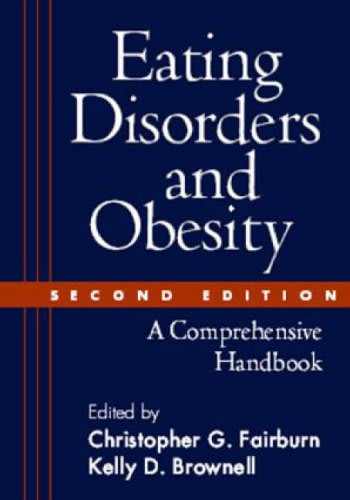
Eating Disorders and Obesity: A Comprehensive Handbook
Author: Christopher G. Fairburn and Kelly D. Brownell
A leading clinical reference covering the full spectrum of eating disorders and obesity, with in-depth discussion of diagnosis, treatment, and prevention.
Disclaimer: This resource is for information only and is not meant to replace professional advice, diagnosis, or treatment. Always talk to a licensed mental health professional or your doctor if you have questions about a mental health condition. Click here to find a therapist, psychologist, or counsellor near you.
About the Reviewer: Vincenzo Sinisi holds a MA in Clinical Psychology from the University of the Witwatersrand and has over 20 years of experience in the field. As an expert in clinical psychology and psychotherapy, Vincenzo Sinisi is a member of the HPCSA, AGPA, and IPA. His dedication to providing accurate, high-quality information and staying current with industry developments ensures that the content they review meets the highest standards of Experience, Expertise, Authoritativeness, and Trustworthiness (E-E-A-T). To learn more about Vincenzo Sinisi and his work, visit his website or connect with him on LinkedIn.
Important: TherapyRoute does not provide medical advice. All content is for informational purposes and cannot replace consulting a healthcare professional. If you face an emergency, please contact a local emergency service. For immediate emotional support, consider contacting a local helpline.
Find Therapists
Must Read
Creating Space for Growth: How Boundaries Strengthen Relationships
Setting healthy boundaries fosters respect, protects emotional well-being, and strengthens relationships by defining personal limits and maintaining self-care.
International Mutual Recognition Agreements for Mental Health Professionals
Mutual recognition agreements for mental health professions are rare and uneven, with major gaps in counselling, social work, and allied therapies. Read on to understand ...
Mental Health Licensing & Regulation in New York State: 2026 Guide
Mental Health Licensing & Regulation in Singapore: 2026 Guide
Jumping to Conclusions
Jumping to conclusions is a thinking habit where we assume the worst or make judgments without enough evidence. By recognising this pattern, therapy can help you slow dow...
About The Author

TherapyRoute
Cape Town, South Africa
“Our in-house team, including world-class mental health professionals, publishes high-quality articles to raise awareness, guide your therapeutic journey, and help you find the right therapy and therapists. All articles are reviewed and written by or under the supervision of licensed mental health professionals.”
TherapyRoute is a mental health resource platform connecting individuals with qualified therapists. Our team curates valuable mental health information and provides resources to help you find the right professional support for your needs.



