Attachment Disorder


❝Severe early neglect can lead to Attachment Disorders like RAD (withdrawal) or DSED (over-familiarity) in children. Learn the signs, causes, and effective treatments.❞
Secure early bonds with caregivers are vital for a child's well-being, teaching them trust and how to connect. When children experience severe neglect or highly unstable care very early in life, their ability to form healthy attachments can be seriously damaged, sometimes leading to specific Attachment Disorders.
This guide explains the two main types – RAD and DSED – what they look like, and how specialised help offers hope.
In this Article
- What are Attachment Disorders?
- How Do Attachment Disorders Affect Daily Life?
- What Do Attachment Disorders Actually Look Like?
- What Causes Attachment Disorders?
- What Else Could It Be?
- How Can Caregivers Start Helping?
- What Professional Help Looks Like?
- What Can You Do Now?
- Books to Deepen Your Understanding of Attachment Disorders
Click for more like this: Anxiety Disorder - Attachment Disorder - ADHD - Bipolar Disorder - Borderline Personality Disorder - Depression - Eating Disorder - Narcissistic Personality Disorder - Obsessive Compulsive Disorder - PTSD - Somatic Symptom Disorder - Substance Use Disorders
What are Attachment Disorders?
Attachment Disorders are specific mental health conditions diagnosed primarily in children who have experienced patterns of extreme insufficient care, like severe social neglect or repeated changes of primary caregivers, early in life.
These conditions are not the same as common "attachment issues" or "attachment styles" seen in many adults. Attachment Disorders are clinical diagnoses stemming from significant early adversity that deeply impacts how children relate to others.
Relationships take work — and sometimes outside support. Find a couples or relationship therapist who can help you move forward.
Find a relationship therapistThere are two main types:
1. Reactive Attachment Disorder (RAD):
- Characterised by inhibited, emotionally withdrawn behaviour towards caregivers.
- Children with RAD rarely seek or respond to comfort.
2. Disinhibited Social Engagement Disorder (DSED):
- Characterised by culturally inappropriate, overly familiar behaviour with relative strangers, lacking normal caution.
Both are linked directly to the absence of adequate, consistent caregiving in early development.
Correctly diagnosing an attachment disorder can be challenging because (as seen in movies that depict attachment disorder) the symptoms of attachment disorder often vary among individuals and can mimic other mental health conditions.
How Do Attachment Disorders Affect Daily Life?
These disorders significantly disrupt a child's social and emotional functioning:
Relationship with Caregivers:
- RAD: Difficulty forming affectionate bonds, appearing detached, not seeking comfort.
- DSED: May seem overly friendly with unfamiliar adults but lack deep, meaningful connections with caregivers.
Social Interactions:
- RAD: May be withdrawn from peers, show limited social responsiveness.
- DSED: May approach and interact with strangers indiscriminately, struggle with social boundaries, putting them at risk.
Emotional Regulation: Both can involve difficulties managing emotions, though RAD often presents with suppressed emotions or unexplained irritability/fear, while DSED involves lack of appropriate social restraint.
Safety Concerns: DSED specifically creates safety risks due to the child's willingness to go off with unfamiliar adults without hesitation.
Learning & Development: Ongoing emotional distress can interfere with focus and school performance.
What Do Attachment Disorders Actually Look Like?
The two disorders have distinct presentations, though both stem from similar early experiences:
Reactive Attachment Disorder (RAD):
A consistent pattern of inhibited, emotionally withdrawn behaviour towards adult caregivers, shown by both of the following:
- Rarely or minimally seeks comfort when distressed.
- Rarely or minimally responds to comfort when offered.
- Plus at least two of the following social/emotional disturbances:
- Minimal social and emotional responsiveness to others.
- Limited positive affect (joy, excitement).
- Episodes of unexplained irritability, sadness, or fearfulness, even during non-threatening interactions with caregivers.
Disinhibited Social Engagement Disorder (DSED):
A pattern of behaviour in which a child actively approaches and interacts with unfamiliar adults, shown by at least two of the following:
- Reduced or absent reticence (shyness/caution) in approaching and interacting with unfamiliar adults.
- Overly familiar verbal or physical behaviour (not consistent with culturally sanctioned and age-appropriate social boundaries).
- Diminished or absent checking back with adult caregiver after venturing away, even in unfamiliar settings.
- Willingness to go off with an unfamiliar adult with minimal or no hesitation.
For both disorders, the child must have experienced a pattern of extreme insufficient care, and the disturbances are not better explained by Autism Spectrum Disorder or other developmental delays.
What Causes Attachment Disorders?
Attachment Disorders (both RAD and DSED) are directly caused by severe social neglect or other situations limiting a young child's opportunity to form selective attachments. The child's fundamental needs for comfort, stimulation, and affection were consistently unmet early in life.
Specific causes include:
- Social Neglect or Deprivation: Basic emotional needs for comfort, stimulation, and affection are persistently unmet by caregiving adults.
- Repeated Changes of Primary Caregivers: Frequent changes (e.g., multiple foster care placements) limit opportunities to form stable attachments.
- Rearing in Unusual Settings: Settings like institutions with high child-to-staff ratios severely limit opportunities to form selective attachments.
These disorders are not caused by typical parenting stress, parental choices about daycare, or inherent traits in the child. They are a direct consequence of pathogenic care.
What Else Could It Be?
Differentiating Attachment Disorders requires careful professional assessment, as some symptoms might overlap with other conditions:
- Autism Spectrum Disorder (ASD): Children with ASD may have social difficulties, but these stem from neurological differences, not neglect. They usually form attachments, though they might express them differently. ASD involves restricted interests and repetitive behaviours not typical of RAD/DSED.
- ADHD (Attention-Deficit/Hyperactivity Disorder): Impulsivity in ADHD might resemble the lack of restraint in DSED, but DSED's core is indiscriminate social behaviour linked to care history, not primarily attention/hyperactivity issues.
- Intellectual Disability / Developmental Delays: Global delays can impact social understanding, but RAD and DSED have specific behavioural patterns directly linked to insufficient care history.
- Adjustment Disorders: These involve reactions to identifiable stressors, but RAD/DSED are tied specifically to the absence of adequate caregiving for attachment formation.
An accurate diagnosis requires a thorough evaluation by a qualified mental health professional specialising in child development, trauma, and attachment, carefully considering the child's history.
How Can Caregivers Start Helping?
While professional intervention is vital, caregivers are essential in providing a healing environment.
- Prioritise Safety and Stability: Create a predictable, consistent, and emotionally/physically safe home environment. Routine is crucial.
- Provide Consistent, Responsive Care: Be emotionally available, offer comfort sensitively, and respond predictably to the child's needs, even if they don't initially respond in typical ways. Nurturing interactions are key.
- Maintain Patience and Realistic Expectations: Healing takes significant time and consistency. Progress may be slow and non-linear. Understand behaviours are rooted in early trauma/neglect.
- Educate Yourself: Learn about RAD/DSED, trauma-informed parenting, and the impact of early neglect. Understanding helps inform responses.
- Practice Self-Care: Caring for a child with an attachment disorder is extremely demanding. Seek support for yourself (therapy, support groups, respite) to prevent burnout and maintain your capacity to provide care.
These steps support the therapeutic process but do not replace it.
What Professional Help Looks Like?
If there are concerns about a child's ability to connect and form secure bonds, professionals like child psychologists or psychiatrists can help. They will carefully observe the child's interactions and talk with caregivers to understand the child's behaviours and emotional responses, while also considering if other issues might be involved.
To guide their understanding, these experts use established guidelines (Diagnostic and Statistical Manual of Mental Disorders, 5th edition (DSM-5), and the International Classification of Diseases, 10th Revision (ICD-10) that describe specific patterns pointing to an attachment disorder, helping them make an accurate assessment.
This understanding is key because treatment for attachment disorders, like Reactive Attachment Disorder (RAD) and Disinhibited Social Engagement Disorder (DSED), focuses on helping the child build healthier attachments with their current primary caregiver(s). Active caregiver participation is always essential.
Effective, evidence-based approaches include:
1. Family Therapy Focused on Attachment: The core of treatment involves improving the caregiver-child relationship and interaction patterns.
2. Specific Attachment-Based Models:
- Dyadic Developmental Psychotherapy (DDP): Focuses on helping the child feel safe and understood within the therapeutic relationship involving the caregiver, using PACE (Playfulness, Acceptance, Curiosity, Empathy).
- Attachment and Biobehavioural Catch-up (ABC): Coaches caregivers on providing nurturing, sensitive care and following the child's lead to enhance attachment and regulation.
3. Parent-Child Interaction Therapy (PCIT): Uses live coaching to help caregivers practice specific skills to improve relationship quality and manage behaviour. (Adaptations may be needed for attachment disorders).
4. Trauma-Informed Care Principles: All interventions should recognise the impact of the child's history of neglect and trauma.
5. Caregiver Education and Support: Helping caregivers understand the child's behaviour and develop effective strategies is crucial.
Warning: Avoid interventions involving coercive methods, physical restraint ("holding therapy"), or attempts to "re-parent" intensely, as these lack evidence and can be harmful. Focus on therapies promoting positive, safe, and nurturing interactions.
What Can You Do Now?
If you suspect a child may have RAD or DSED due to their behaviour and a known history of severe early neglect or unstable care, seeking professional guidance is critical.
Consider seeking professional help if:
- The child consistently shows the specific withdrawn behaviours of RAD or the indiscriminate friendliness of DSED.
- There is a confirmed history of severe neglect, institutionalisation, or multiple caregiver disruptions in the first few years of life.
- The child's social and emotional functioning is significantly impaired.
Here are clear next steps:
- Consult an Expert: Seek assessment from a child psychiatrist, clinical child psychologist, or other mental health professional with specific expertise in early childhood trauma, neglect, and attachment disorders.
- Obtain a Comprehensive Evaluation: A thorough assessment is needed to confirm the diagnosis, rule out other conditions, understand the child's full history, and guide treatment planning.
- Find Specialised Therapy: Look for therapists trained in evidence-based, attachment-focused treatments for RAD/DSED (like DDP, ABC, adapted PCIT). Use resources like therapyroute.com but always verify the therapist's specific expertise in this complex area.
- Commit to Caregiver Participation: Successful treatment requires the caregiver's active involvement in therapy sessions and applying strategies at home.
- Connect with Support Networks: Find support groups for foster/adoptive parents or caregivers of children with trauma histories, if applicable. Shared experiences can be invaluable.
Treating Attachment Disorders is challenging but possible. With specialised, relationship-focused therapy and a stable, nurturing caregiving environment, children can make significant progress in building trust and forming healthier connections.
Books to Deepen Your Understanding of Attachment Disorders
Looking to learn more? Below is a curated list of worthwhile books that offer insight into attachment disorders, drawing from both personal experiences and clinical expertise. Whether you're a psychologist seeking a deeper understanding or someone looking for tools to manage attachment-related challenges, these books provide helpful perspectives and strategies.
We’re Amazon affiliates, so if you click a title and make a purchase, you’ll be supporting your learning and helping us continue doing meaningful work.
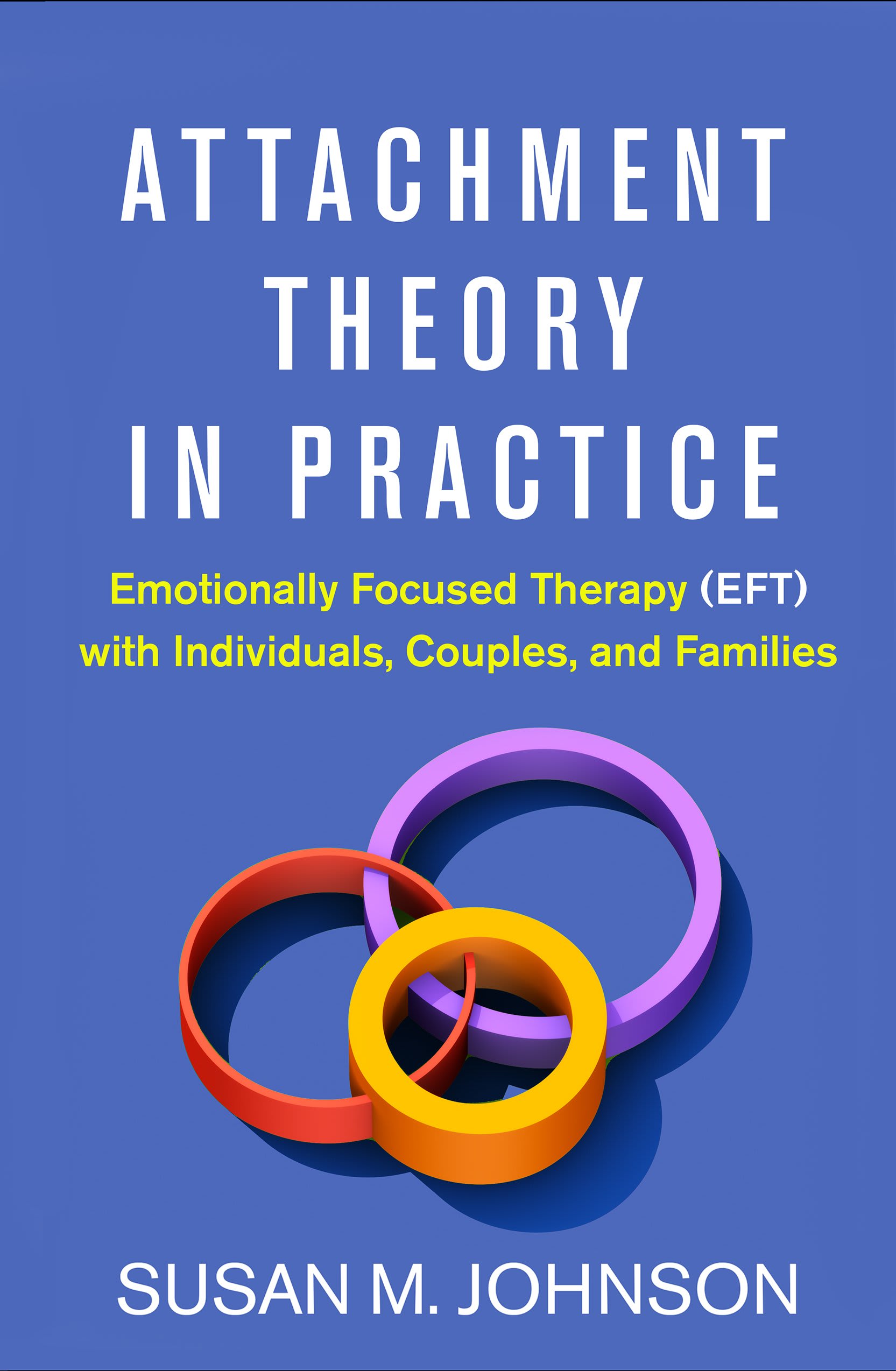
Author: Susan M. Johnson
This book offers a hands-on guide to using Emotionally Focused Therapy (EFT) to treat attachment-related challenges. Dr. Johnson explains how EFT can help individuals, couples, and families build stronger emotional connections and heal relationship wounds. It’s a valuable read for anyone interested in how emotions shape our bonds and how therapy can improve them.

Attachment Theory and Psychoanalysis
Authors: Peter Fonagy and Mary Target
This book explores how attachment theory and psychoanalysis connect and support each other. The authors break down complex ideas in a clear and thoughtful way, making it easier to understand how our early relationships shape our minds and emotions. A great read for those curious about the deeper roots of human behaviour.
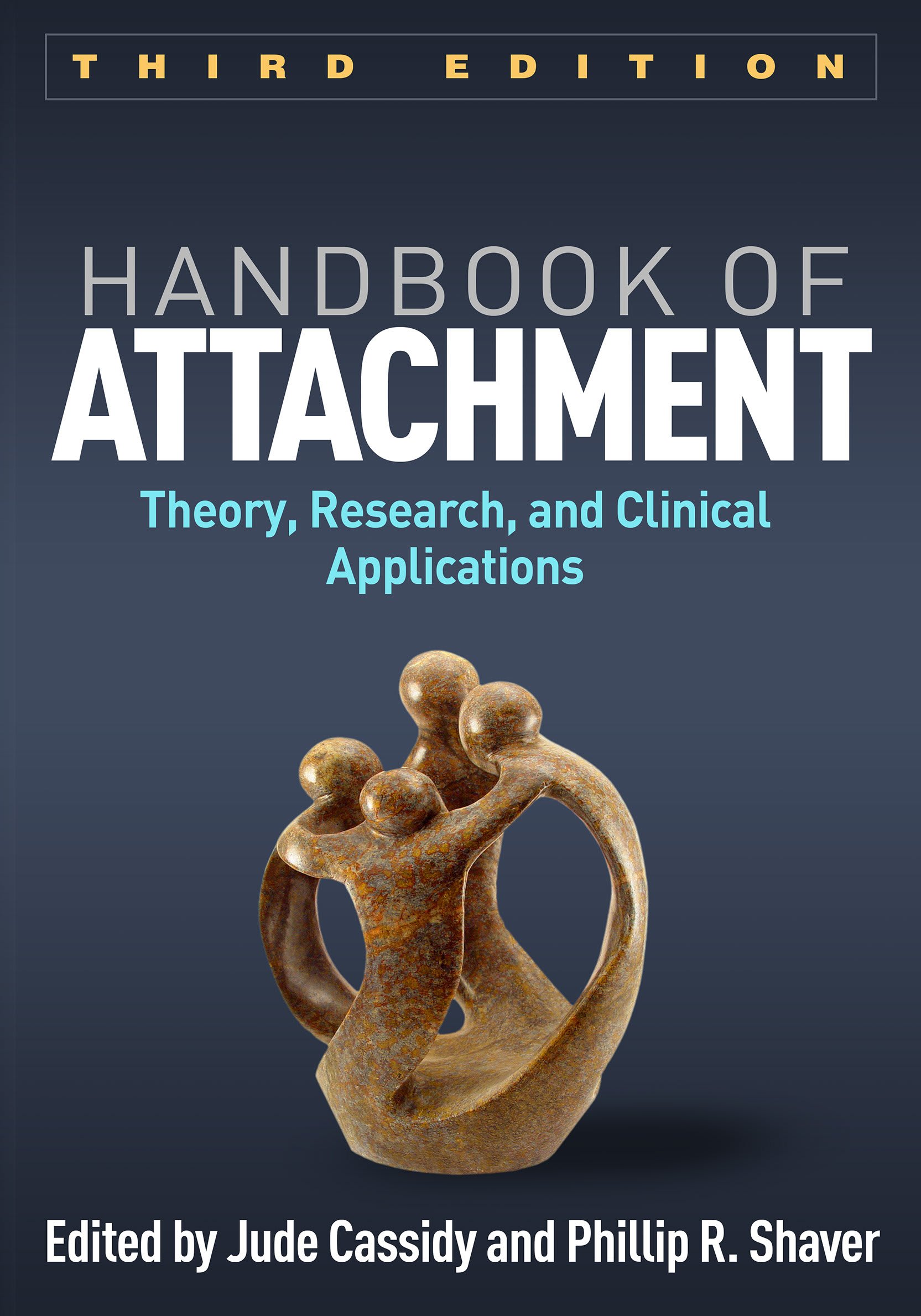
Handbook of Attachment: Theory, Research, and Clinical Applications
Authors: Jude Cassidy and Phillip R. Shaver
This is one of the most complete and trusted resources on attachment theory. It brings together top researchers and clinicians to explain the science behind attachment, its role in development, and how it applies to therapy and relationships. Ideal for students, professionals, or anyone looking to dive deeper into the field.
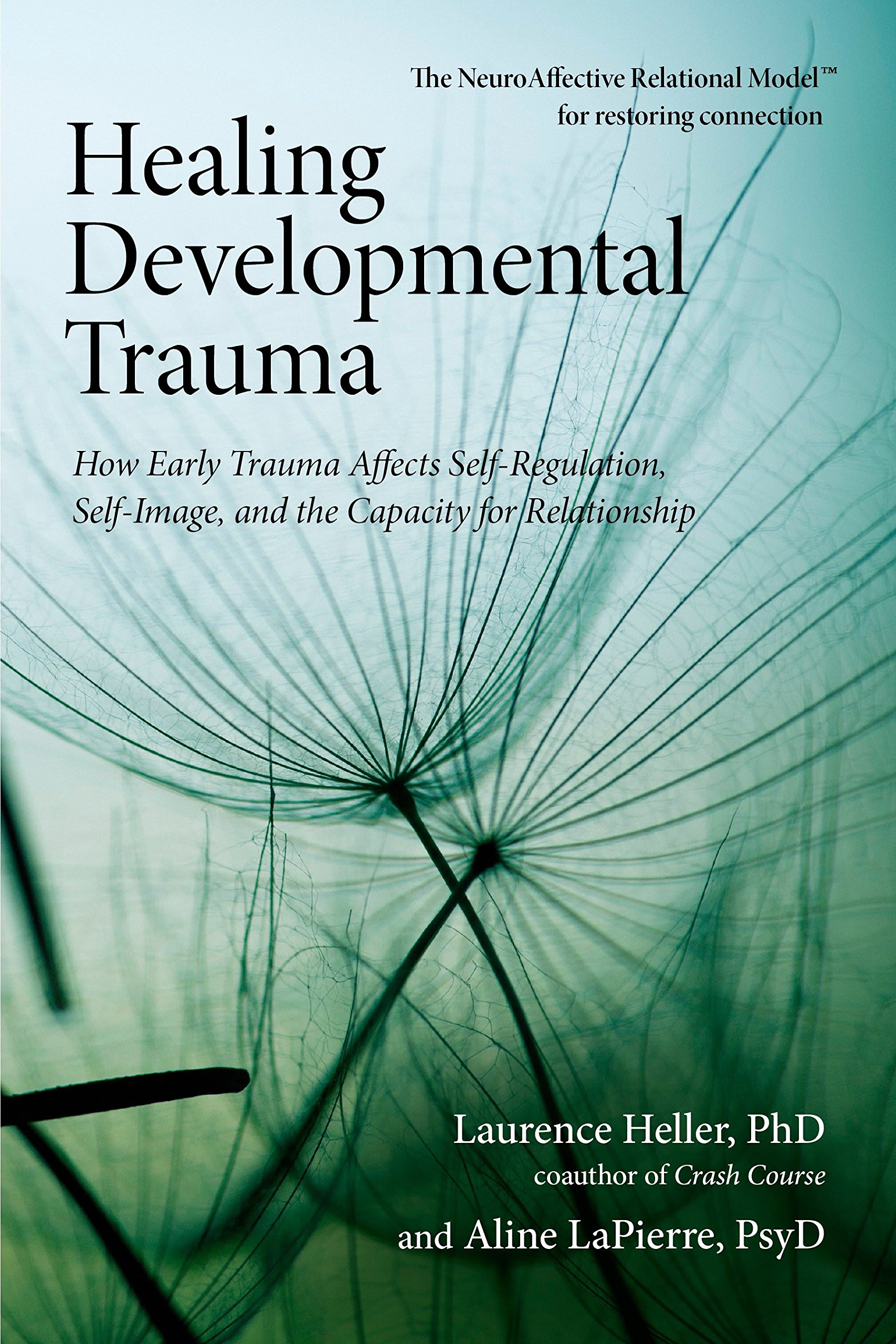
Authors: Laurence Heller and Aline LaPierre
This book explains how early childhood trauma can affect how we see ourselves, manage emotions, and form relationships. It introduces the NeuroAffective Relational Model (NARM), a powerful approach to healing long-standing emotional pain. Accessible and practical, it’s a must-read for anyone working through—or helping others work through—deep-rooted trauma.
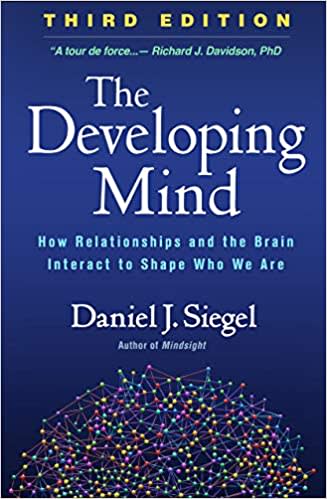
The Developing Mind: How Relationships and the Brain Interact to Shape Who We Are
Author: Daniel J. Siegel
This book explains how relationships and experiences influence the brain as it grows, helping shape who we become. It’s a great resource for understanding the link between attachment and brain development.
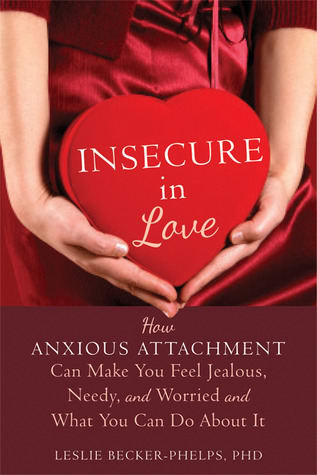
Author: Leslie Becker-Phelps
This book explores how anxious attachment affects adult relationships and offers simple, effective ways to feel more secure and connected.
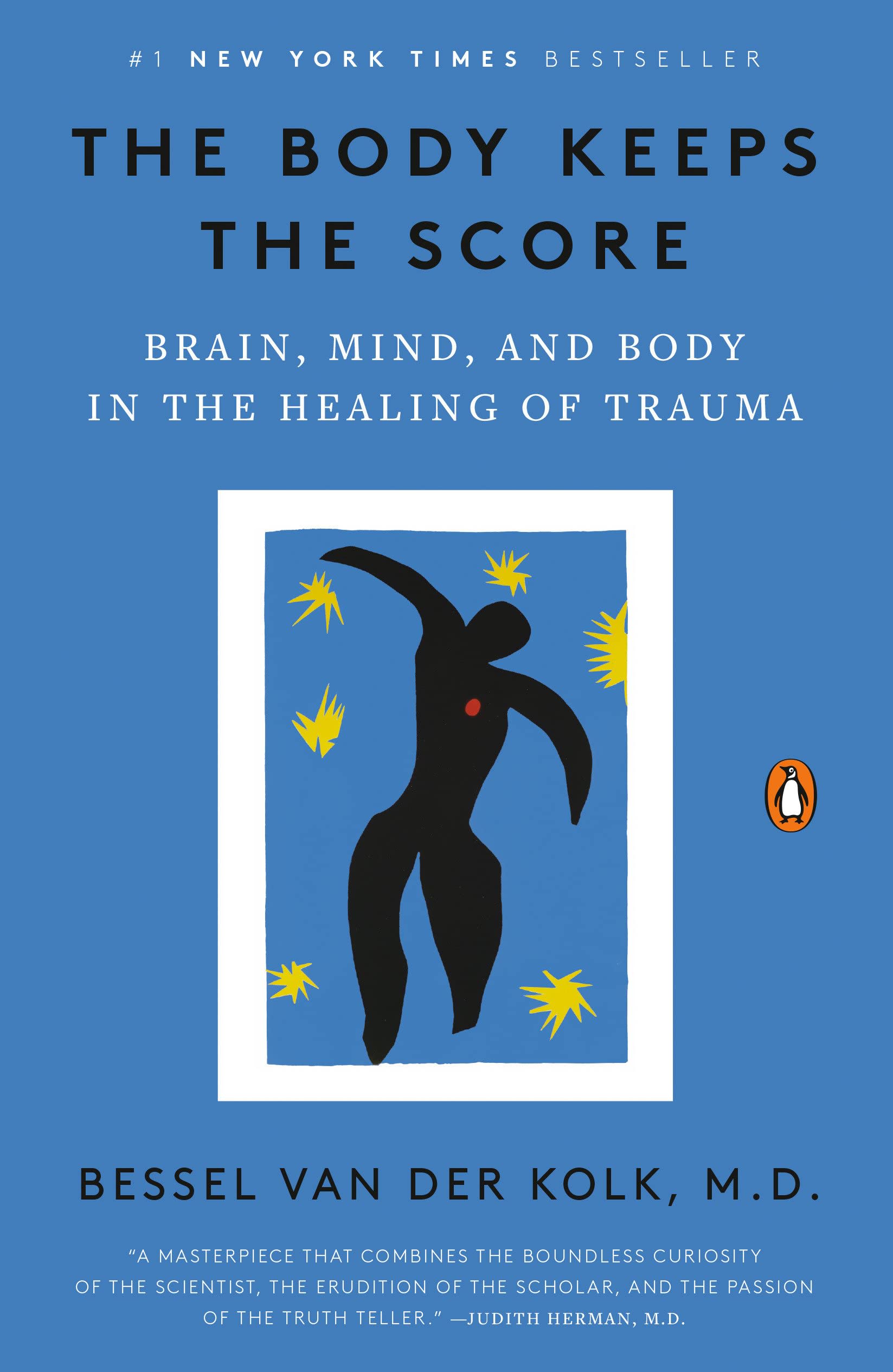
The Body Keeps the Score: Brain, Mind, and Body in the Healing of Trauma
Author: Bessel van der Kolk
A powerful exploration of how trauma impacts the body and brain—and how healing is possible. Backed by science and real stories, this book is both informative and hopeful.
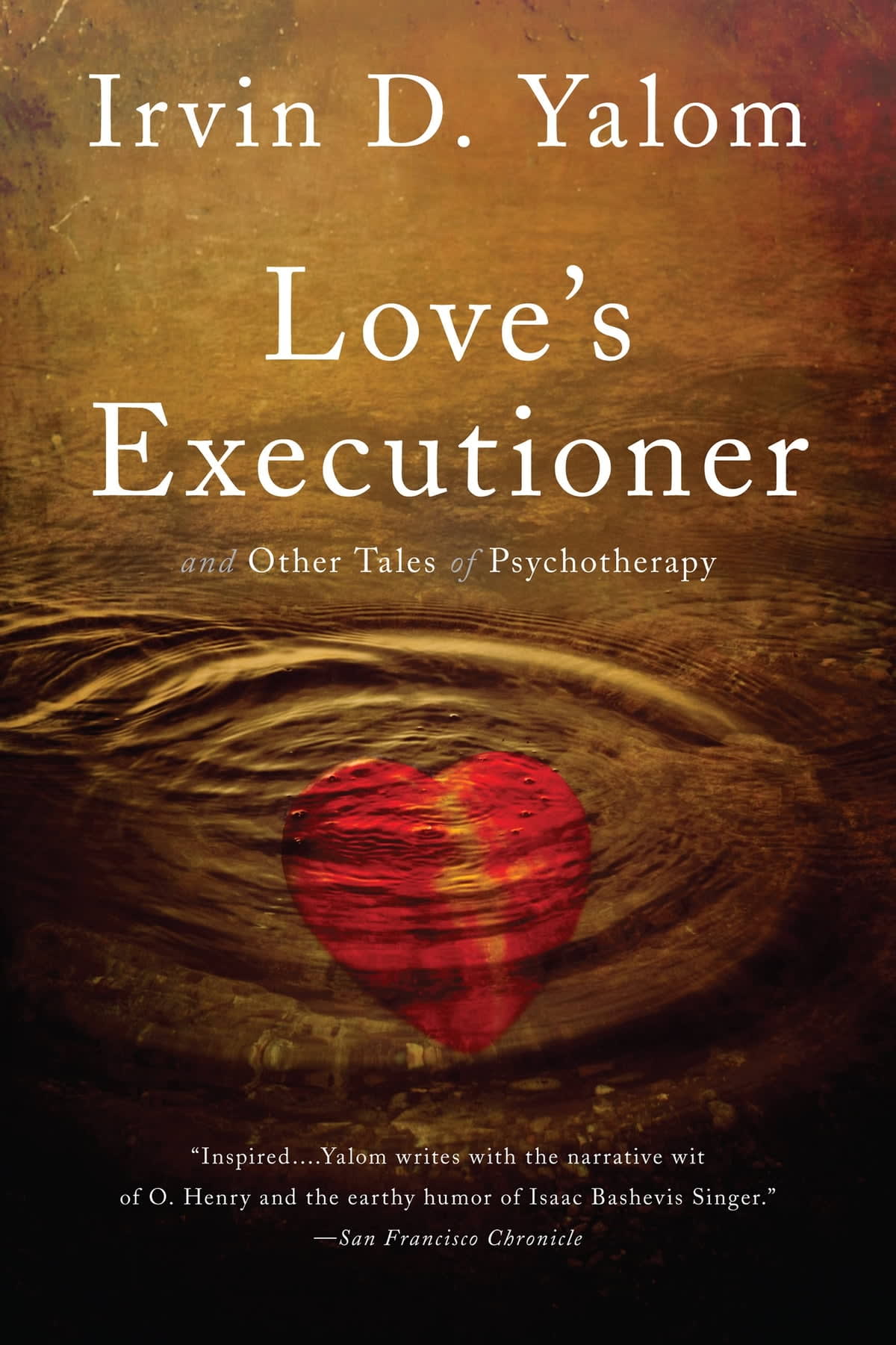
Love’s Executioner: & Other Tales of Psychotherapy
Author: Irvin D. Yalom
This collection of real therapy cases shows how complex—and human—the therapeutic journey can be. It’s insightful, emotional, and often thought-provoking.

A Secure Base: Clinical Applications of Attachment Theory
Author: John Bowlby
Written by the founder of attachment theory, this book looks at how early relationships affect mental health, especially in therapy settings.
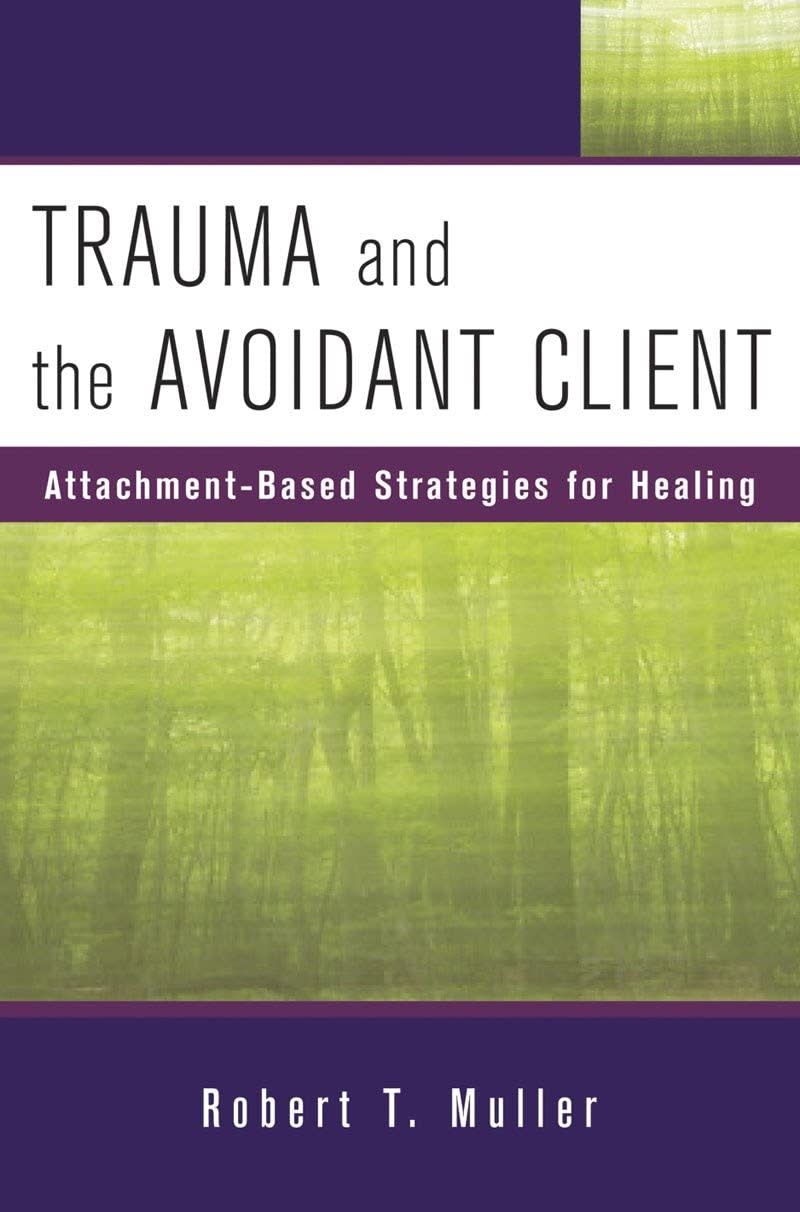
Trauma and the Avoidant Client: Attachment-Based Strategies for Healing
Author: Robert T. Muller
This book offers clear guidance for helping people who’ve learned to avoid closeness because of past trauma. It’s especially useful for therapists and students.

Authors: Bruce D. Perry and Maia Szalavitz
Through real cases, this book shows how trauma affects children—and how healing is possible with care, love, and understanding.
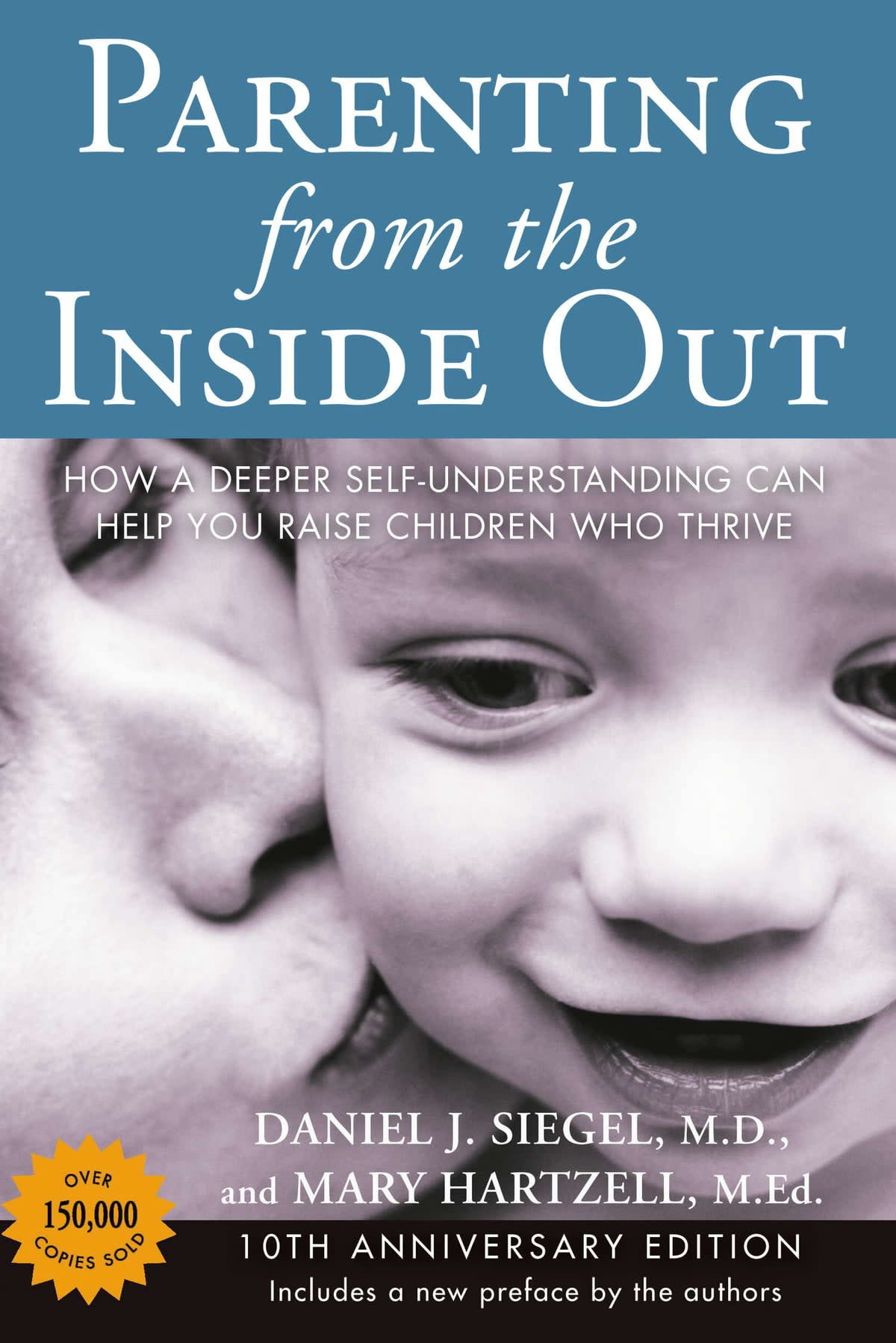
Authors: Daniel J. Siegel and Mary Hartzell
This book helps parents understand themselves better so they can raise emotionally healthy, secure children.
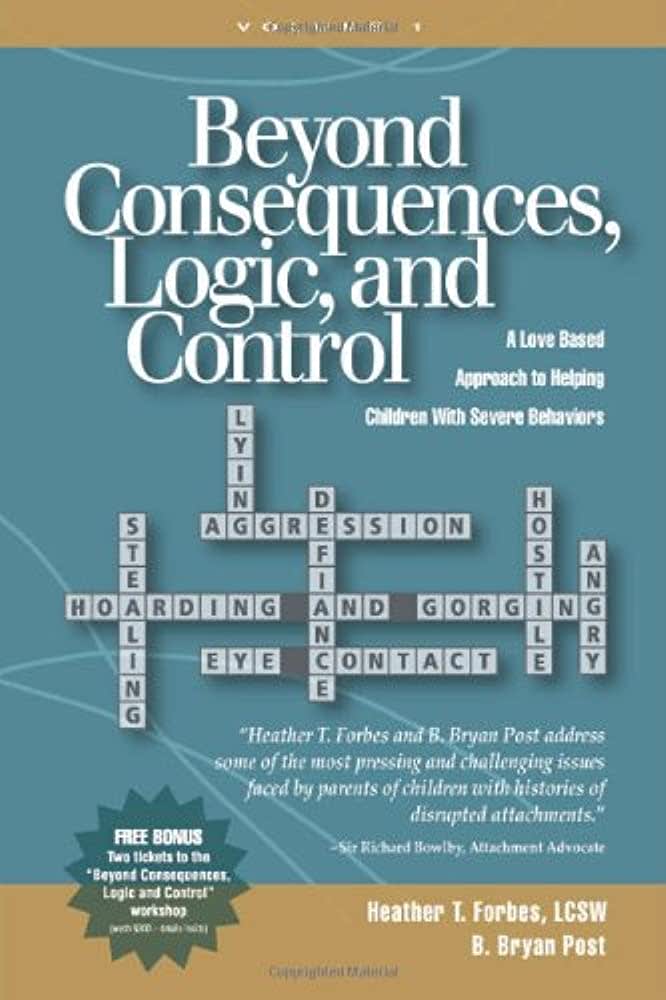
Author: Heather T. Forbes
Focused on children with intense behaviours, this book introduces a love-based approach that goes beyond punishment to build strong emotional bonds.
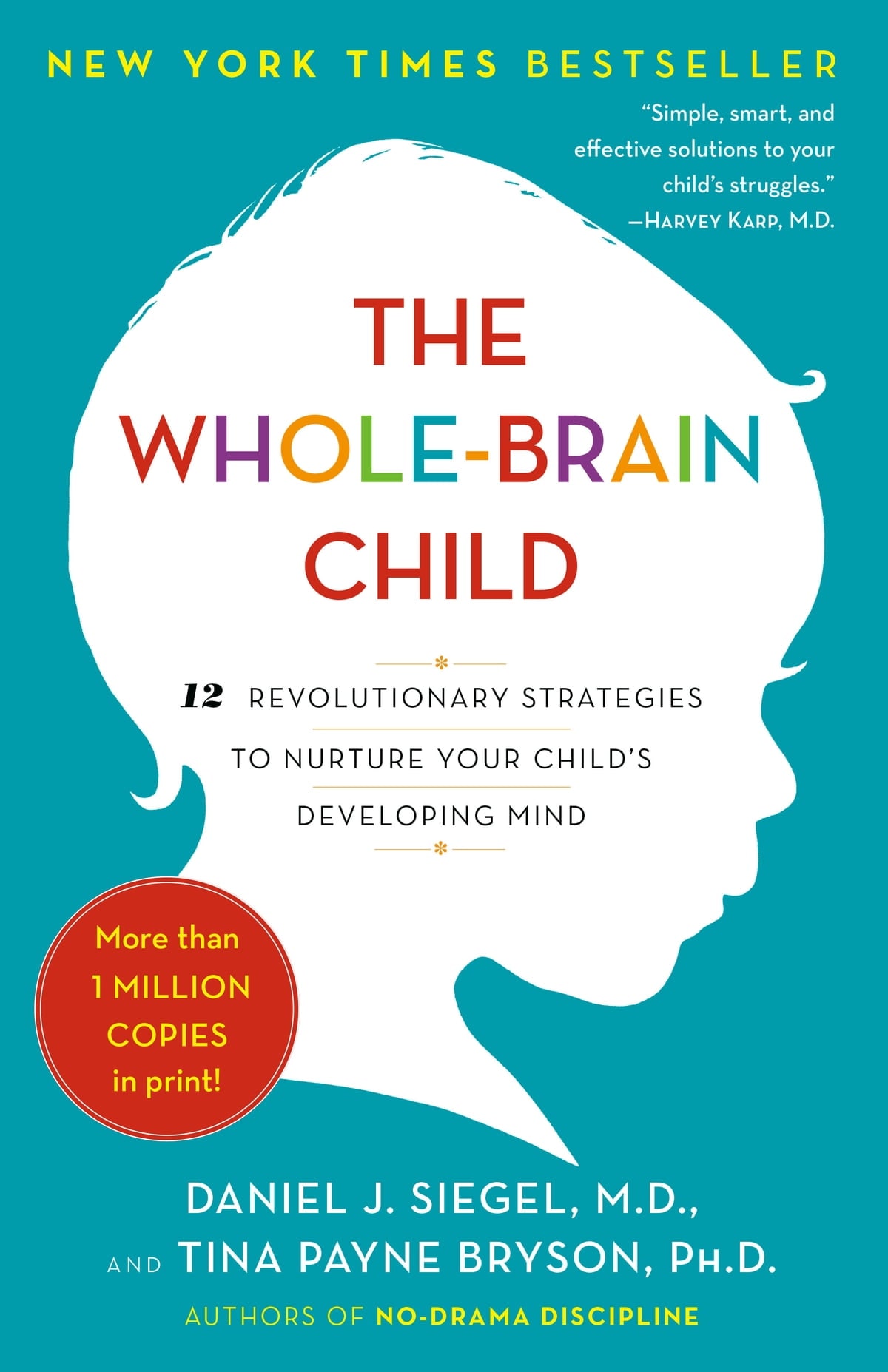
The Whole-Brain Child: 12 Revolutionary Strategies to Nurture Your Child’s Developing Mind
Authors: Daniel J. Siegel and Tina Payne Bryson
Packed with tips, this book teaches parents how to support emotional and brain development while helping children feel safe and understood.
Attaching in Adoption: Practical Tools for Today’s Parents
Author: Deborah D. Gray
This guide offers adoptive parents tools and insights for building trust and secure attachments with their children.
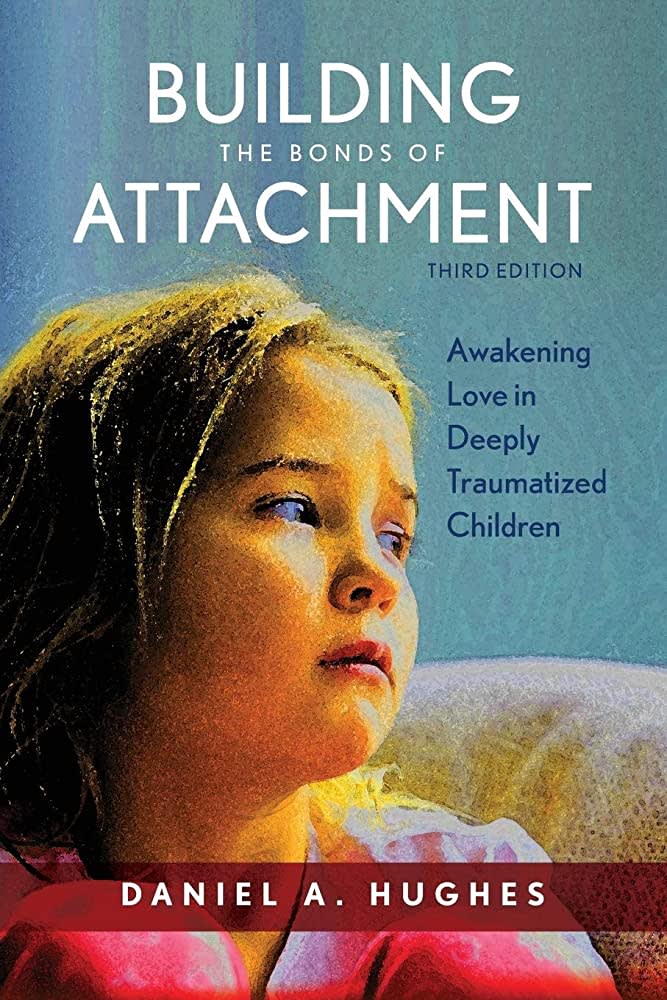
Building the Bonds of Attachment: Awakening Love in Deeply Traumatised Children
Author: Daniel A. Hughes
A practical guide for caregivers working with deeply traumatised children, using empathy and structure to help children heal.
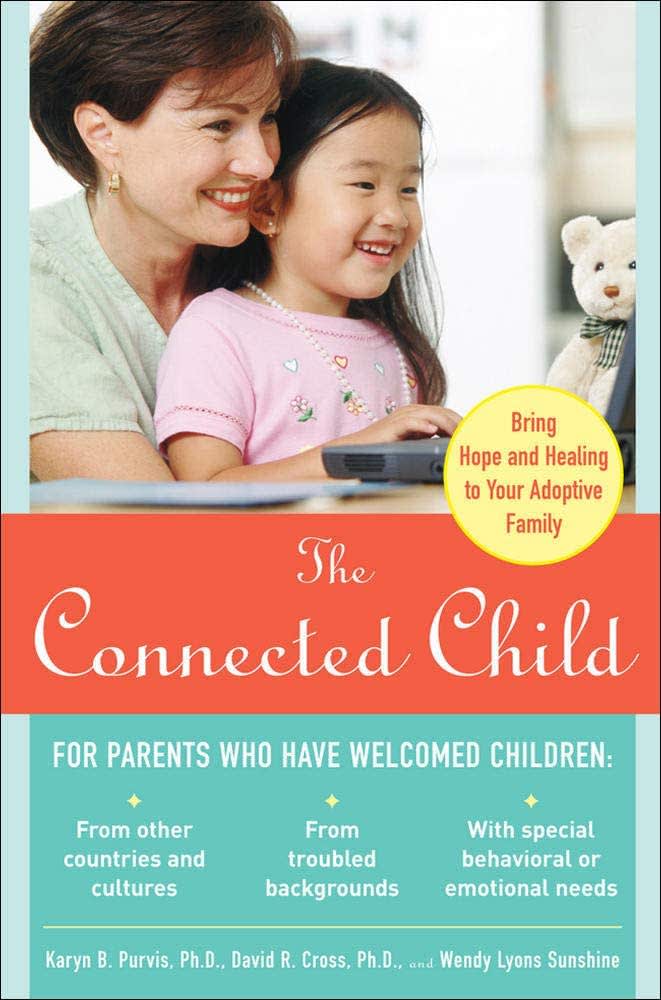
The Connected Child: Bring Hope and Healing to Your Adoptive Family
Authors: Karyn B. Purvis, David R. Cross, and Wendy Lyons Sunshine
This easy-to-read book helps adoptive families build loving, healing relationships with children who’ve experienced trauma.
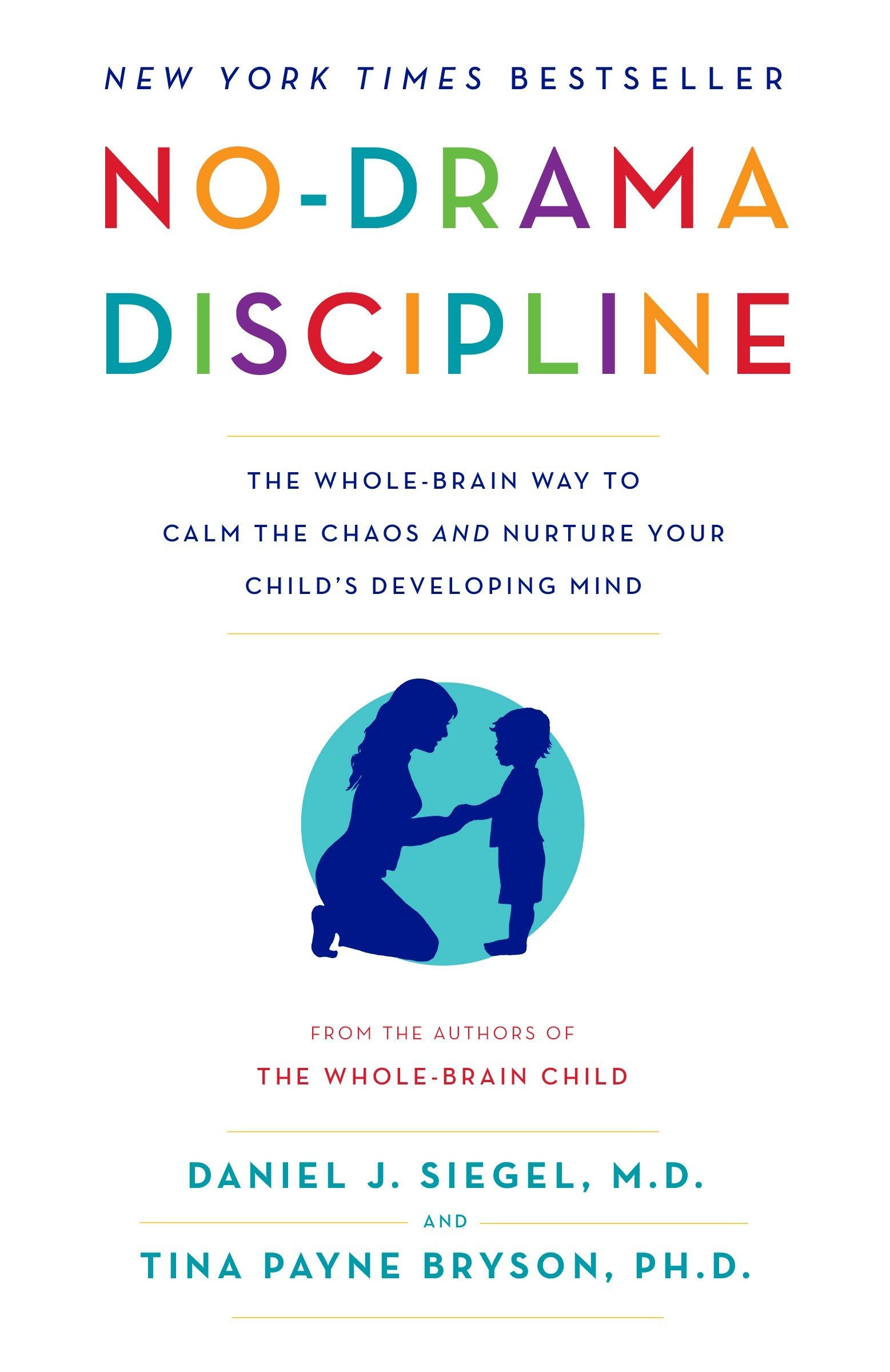
No-Drama Discipline: The Whole-Brain Way to Calm the Chaos and Nurture Your Child’s Developing Mind
Authors: Daniel J. Siegel and Tina Payne Bryson
This book teaches how to handle discipline without yelling or punishment, helping kids grow emotionally while staying connected to parents.
The Attachment Parenting Book: A Common Sense Guide to Understanding and Nurturing Your Baby
Authors: William Sears and Martha Sears
This gentle parenting guide explains how to create strong, loving bonds with babies and young children using nurturing and responsive care.
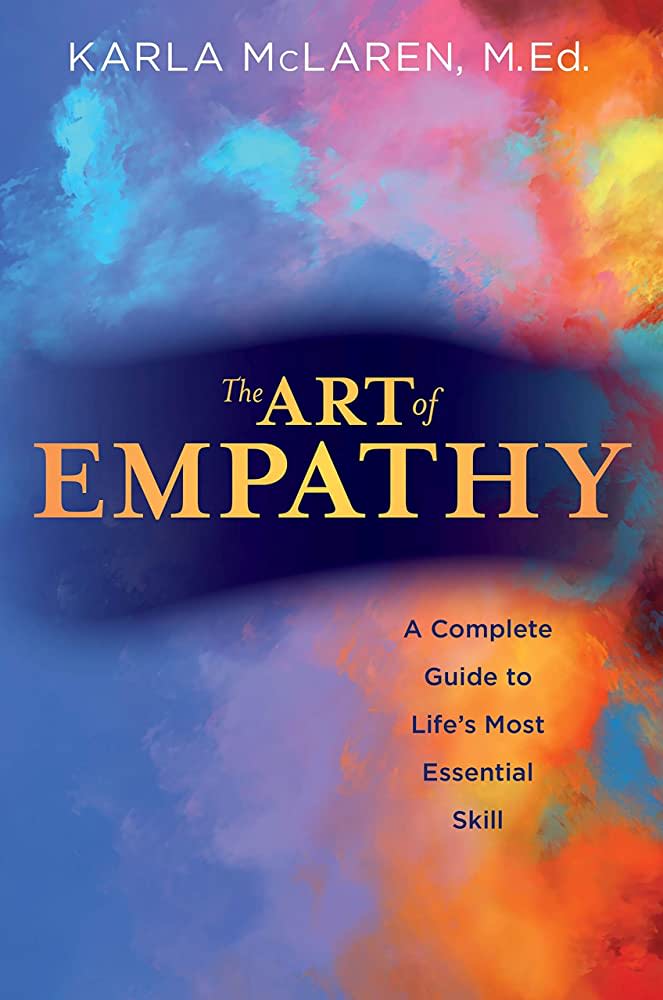
The Art of Empathy: A Complete Guide to Life’s Most Essential Skill
Author: Karla McLaren
This book offers practical guidance on developing empathy, a key component of building secure attachments.
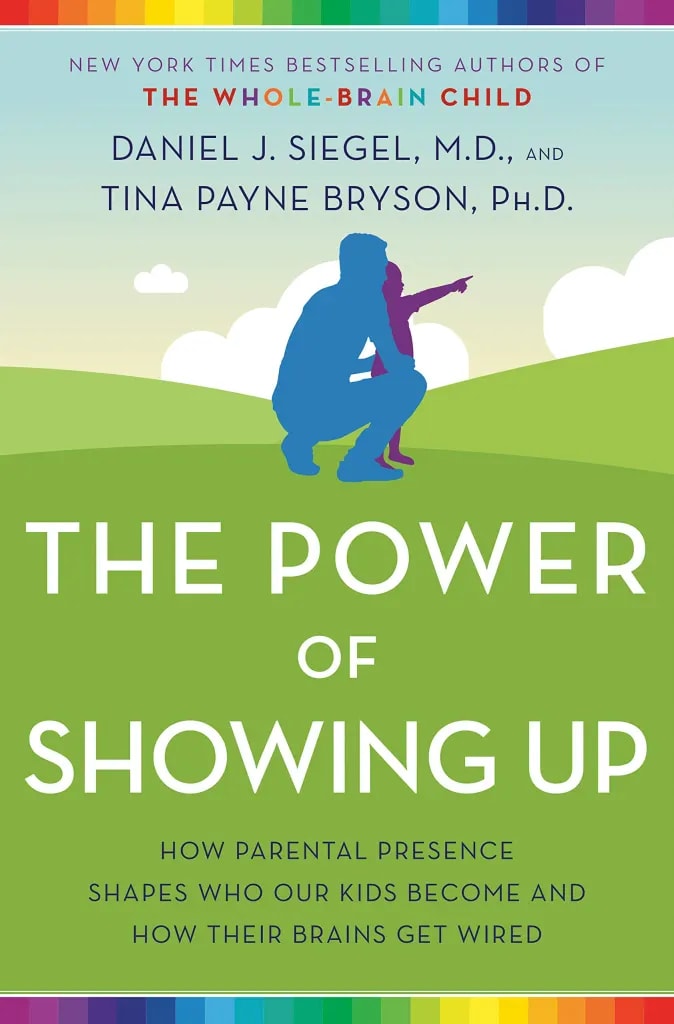
Authors: Daniel J. Siegel and Tina Payne Bryson
Learn how simply being present—emotionally and physically—can help your child thrive and feel deeply loved.
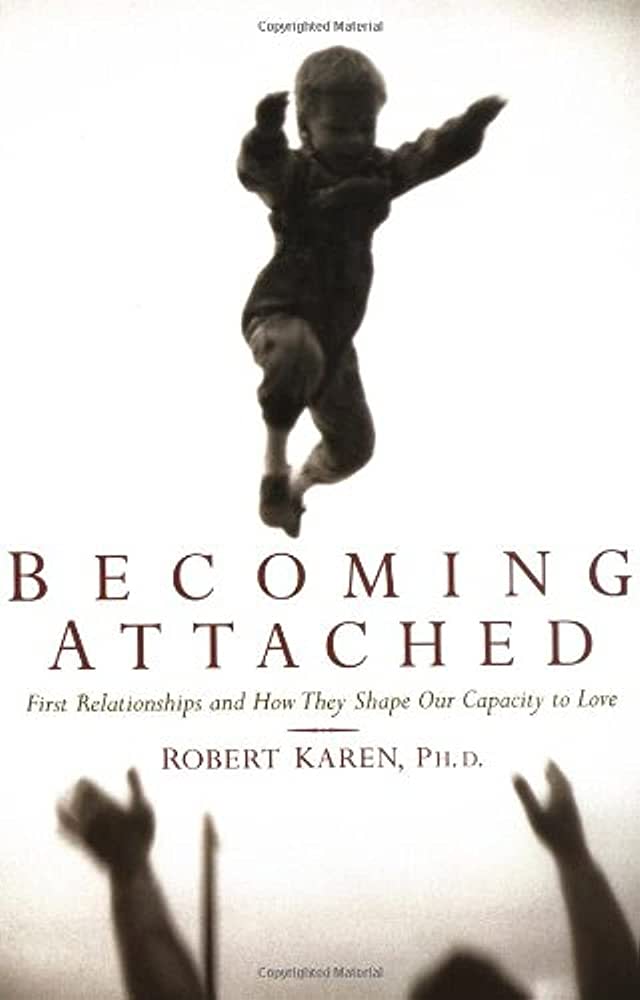
Becoming Attached: First Relationships and How They Shape Our Capacity to Love
Author: Robert Karen
This engaging book explains how our earliest bonds shape our ability to love and connect throughout life, blending research with real-life examples.
Disclaimer: This resource is for information only and is not meant to replace professional advice, diagnosis, or treatment. Always talk to a licensed mental health professional or your doctor if you have questions about a mental health condition. Click here to find a therapist, psychologist, or counsellor near you.
About the Reviewer: Vincenzo Sinisi holds a MA in Clinical Psychology from the University of the Witwatersrand and has over 20 years of experience in the field. As an expert in clinical psychology and psychotherapy, Vincenzo Sinisi is a member of the HPCSA, AGPA, and IPA. His dedication to providing accurate, high-quality information and staying current with industry developments ensures that the content they review meets the highest standards of Experience, Expertise, Authoritativeness, and Trustworthiness (E-E-A-T). To learn more about Vincenzo Sinisi and his work, visit his website or connect with him on LinkedIn.
Important: TherapyRoute does not provide medical advice. All content is for informational purposes and cannot replace consulting a healthcare professional. If you face an emergency, please contact a local emergency service. For immediate emotional support, consider contacting a local helpline.
Find Therapists
Must Read
Creating Space for Growth: How Boundaries Strengthen Relationships
Setting healthy boundaries fosters respect, protects emotional well-being, and strengthens relationships by defining personal limits and maintaining self-care.
International Mutual Recognition Agreements for Mental Health Professionals
Mutual recognition agreements for mental health professions are rare and uneven, with major gaps in counselling, social work, and allied therapies. Read on to understand ...
Therapy for children and teenagers: statistics worldwide
How well psychological therapy works for children and teenagers, for which problems, with or without medication and parents, online or face to face, and in countries arou...
Cancer and mental health statistics worldwide
How common depression and anxiety are among people with cancer in six world regions, how measurement changes the figures, and how symptoms change over time.
Anger and intermittent explosive disorder statistics worldwide
How common intermittent explosive disorder is across six world regions, in adults and young people, what conditions come with it and how rarely anger is treated.
About The Author

TherapyRoute
Cape Town, South Africa
“Our in-house team, including world-class mental health professionals, publishes high-quality articles to raise awareness, guide your therapeutic journey, and help you find the right therapy and therapists. All articles are reviewed and written by or under the supervision of licensed mental health professionals.”
TherapyRoute is a mental health resource platform connecting individuals with qualified therapists. Our team curates valuable mental health information and provides resources to help you find the right professional support for your needs.