
PTSD

❝PTSD can develop after experiencing trauma, causing flashbacks, avoidance, and intense anxiety. Effective therapies help process trauma and regain control.❞
Experiencing or witnessing a deeply frightening or dangerous event can shake your world, leaving you feeling unsafe and overwhelmed long after it's over. For some, these feelings develop into Post-Traumatic Stress Disorder (PTSD).
This resource explains PTSD simply, explores how it can feel, and shows how therapy offers real pathways to healing and recovery. If you're struggling after trauma, know that you're not alone and effective help exists.
- What is PTSD?
- How Does PTSD Affect Daily Life?
- What Does PTSD Actually Feel Like?
- What Might Contribute to PTSD?
- What Else Could It Be?
- How Can You Start Helping Yourself?
- What Professional Help Looks Like?
- What Can You Do Now?
- Books to Deepen Your Understanding of PTSD
Click for more like this: Anxiety Disorder - Attachment Disorder - ADHD - Bipolar Disorder - Borderline Personality Disorder - Depression - Eating Disorder - Narcissistic Personality Disorder - Obsessive Compulsive Disorder - PTSD - Somatic Symptom Disorder - Substance Use Disorders
What is PTSD?
PTSD is a mental health condition that can occur in people who have experienced or witnessed a traumatic event. A traumatic event is one that involves actual or threatened death, serious injury, or sexual violence.
Think of it like your brain's natural alarm system getting stuck in the "on" position after danger has passed. Key features usually fall into four categories:
Healing from trauma is possible with the right therapist. TherapyRoute lists trauma-informed professionals ready to support you.
Find a Trauma Therapist- Intrusion: Unwanted upsetting memories, flashbacks (feeling like the event is happening again), or nightmares.
- Avoidance: Staying away from people, places, activities, objects, or thoughts that remind you of the trauma.
- Negative Changes in Thoughts and Mood: Feeling numb, guilty, ashamed, or detached; losing interest in activities; having trouble remembering parts of the event; distorted beliefs about yourself or the world.
- Changes in Arousal and Reactivity: Being easily startled, feeling tense or "on edge" (hypervigilance), having trouble sleeping, or having angry outbursts.
Diagnosing PTSD can be challenging because (as seen in movies that depict PTSD) the symptoms differ between people and may appear unrelated to the traumatic event.
How Does PTSD Affect Daily Life?
PTSD can ripple through many areas of life, often causing:
- Relationship Difficulties: Trouble with trust, intimacy, communication, or feeling disconnected from loved ones.
- Work or School Challenges: Difficulty concentrating, memory problems, irritability, or avoiding work/school environments.
- Physical Health Problems: Chronic pain, fatigue, stomach issues, or weakened immune system due to ongoing stress.
- Difficulties with Daily Tasks: Feeling overwhelmed by simple routines or responsibilities.
- Increased Risk of Other Issues: Such as depression, anxiety disorders, or substance use problems as ways to cope.
- Social Isolation: Withdrawing from friends, family, and activities previously enjoyed.
- Emotional Volatility: Experiencing intense mood swings, irritability, or anger.
What Does PTSD Actually Feel Like?
Living with PTSD can be incredibly difficult and isolating. You might notice:
- Reliving the Trauma: Unwanted flashbacks that feel incredibly real, or distressing nightmares about the event.
- Feeling Constantly Unsafe: A persistent sense of danger, even when you're safe; being jumpy or easily startled.
- Avoiding Reminders: Going out of your way to avoid anything (people, places, thoughts) connected to the trauma.
- Emotional Numbness: Feeling detached from others or unable to experience positive emotions.
- Negative Thoughts: Believing the world is entirely dangerous, blaming yourself for the event, or feeling permanently damaged.
- Intense Emotions: Overwhelming fear, anger, guilt, or shame related to the trauma.
- Physical Symptoms: Racing heart, sweating, dizziness, nausea, or muscle tension, especially when reminded of the event.
- Sleep Problems: Difficulty falling asleep, staying asleep, or having restless sleep.
- Irritability or Aggression: Finding yourself easily angered or having outbursts.
It can feel like you're trapped in the past, unable to move forward or feel like your old self.
What Might Contribute to PTSD?
Experiencing trauma is the direct trigger for PTSD, but not everyone who experiences trauma develops it. Factors influencing risk include:
- The Trauma Itself: Severity, duration, proximity, and type of traumatic event (e.g., interpersonal violence often carries higher risk).
- Past Experiences: History of previous trauma or adverse childhood experiences.
- Existing Mental Health: Having pre-existing anxiety, depression, or other mental health conditions.
- Lack of Support: Insufficient social support from family, friends, or community after the event.
- Biological Factors: Potential genetic predispositions or differences in brain chemistry and stress hormone regulation.
- Additional Stressors: Experiencing significant stress or loss soon after the traumatic event.
It's crucial to understand that developing PTSD is never a sign of weakness. It's a understandable biological and psychological response to overwhelming events.
What Else Could It Be?
Symptoms of PTSD can sometimes look like other conditions. A professional assessment is needed for diagnosis, but be aware of potential overlap with:
- Acute Stress Disorder (ASD): Similar symptoms to PTSD, but occurs within the first month after trauma. If symptoms persist beyond a month, the diagnosis may change to PTSD.
- Generalised Anxiety Disorder (GAD): Involves excessive worry, but typically not focused specifically on re-experiencing a past trauma.
- Major Depressive Disorder (MDD): Shares symptoms like low mood, loss of interest, and sleep problems, but lacks the core intrusion and avoidance symptoms specific to PTSD.
- Adjustment Disorders: Difficulty coping with a stressful life event (that might not meet the criteria for trauma), but symptoms are generally less severe than PTSD.
- Substance Use Disorders: Sometimes used to self-medicate PTSD symptoms, which can complicate the picture.
How Can You Start Helping Yourself?
While professional therapy is vital for PTSD recovery, these steps can help manage symptoms:
- Practice Grounding Techniques: When feeling overwhelmed or dissociated, focus on your senses: notice 5 things you see, 4 things you can touch, 3 things you hear, 2 things you smell, 1 thing you taste.
- Establish Routines: Predictable daily schedules can provide a sense of safety and control.
- Connect with Safe People: Spend time with trusted, supportive friends or family who listen without judgment. Avoid isolating yourself.
- Gentle Movement: Engage in light physical activity like walking or stretching, which can help regulate the nervous system (avoid anything overly strenuous if it feels activating).
- Mindfulness & Deep Breathing: Practice being present in the moment and use slow, deep breaths to calm anxiety.
- Limit Substance Use: Avoid using alcohol or drugs to cope, as this often makes things worse long-term.
- Self-Compassion: Be kind to yourself. Healing takes time, and it's okay to have difficult days.
What Professional Help Looks Like?
If you've been through a trauma and are finding things difficult, understanding if it's PTSD is something mental health professionals, like psychologists or psychiatrists, can help with. They'll have a careful conversation about your experiences and symptoms, while also considering other possible causes to get a clear picture.
To guide their assessment accurately, these professionals use established expert guidelines (Diagnostic and Statistical Manual of Mental Disorders, 5th edition (DSM-5), and the International Classification of Diseases, 10th Revision (ICD-10), which describe the specific patterns of PTSD.
This careful understanding is important because trauma-focused therapies are highly effective for PTSD.
Some leading approaches include:
1. Trauma-Focused Cognitive Behavioural Therapy (TF-CBT):
- How it works: This therapy helps you process the traumatic memory and change unhelpful thoughts related to the trauma. It involves learning coping skills (like relaxation), gradually talking through the traumatic event (trauma narrative), and challenging negative beliefs.
- Goal: To reduce the emotional power of the trauma memory and develop healthier coping mechanisms.
2. Eye Movement Desensitisation and Reprocessing (EMDR):
- How it works: EMDR involves focusing on the trauma memory while simultaneously experiencing bilateral stimulation (like eye movements or tapping). This seems to help the brain process the memory so it's less distressing.
- Goal: To help the brain integrate the traumatic memory, reducing its emotional charge and associated symptoms.
3. Prolonged Exposure (PE):
- How it works: PE involves carefully and gradually confronting trauma-related memories, feelings, and situations you've been avoiding. This includes talking about the trauma repeatedly in therapy and doing "in vivo" exposures (facing safe, real-world reminders).
- Goal: To learn that trauma-related memories and reminders are not dangerous and to reduce avoidance behaviours.
4. Cognitive Processing Therapy (CPT):
- How it works: CPT focuses specifically on identifying and changing unhelpful thoughts and beliefs ("stuck points") connected to the trauma, such as beliefs about safety, trust, control, esteem, and intimacy.
- Goal: To develop a more balanced perspective on the trauma and its impact on your life.
5. Medication:
- How it works: Certain antidepressants (like SSRIs and SNRIs) can help manage PTSD symptoms like anxiety, depression, and irritability. They don't cure PTSD but can make therapy more manageable.
- Goal: To reduce symptom severity, often used alongside trauma-focused therapy.
What Can You Do Now?
If trauma symptoms are persistent, distressing, and interfering with your life, it's time to seek professional support. Healing is possible.
Here are concrete steps:
- Acknowledge the Impact: Recognise that the trauma has affected you and that seeking help is a sign of strength, not weakness.
- Consult Your Doctor: Talk to your primary care physician about your experiences. They can assess your overall health and provide referrals.
- Find a Trauma-Informed Therapist: Search for mental health professionals (psychologists, psychiatrists, licensed therapists) who specialise in PTSD and evidence-based trauma therapies (like EMDR, PE, CPT, TF-CBT).
- Use TherapyRoute.com: Explore therapist profiles on therapyroute.com to find qualified therapists experienced in treating PTSD in your area or online. Look for those listing specific trauma therapies as specialties.
- Schedule an Assessment: Reach out to potential therapists. Ask about their experience with PTSD and their therapeutic approach. Book an initial consultation to see if it's a good fit.
- Be Patient and Hopeful: Recovery from PTSD is a journey, not a quick fix. Be patient with yourself and the process. With the right support, you can process the trauma, reduce symptoms, and reclaim your life.
You deserve to heal and feel safe again. Taking the step to find professional help is the first move towards a brighter future.
Books to Deepen Your Understanding of PTSD
Looking to learn more? Below is a curated list of valuable books that offer insight into PTSD, drawing from both personal stories and clinical expertise. Whether you're a psychologist seeking a deeper understanding or someone looking for tools to manage PTSD, these books provide helpful perspectives and strategies.
We’re Amazon affiliates, so if you click a title and make a purchase, you’ll be supporting your own learning—and helping us continue our meaningful work.
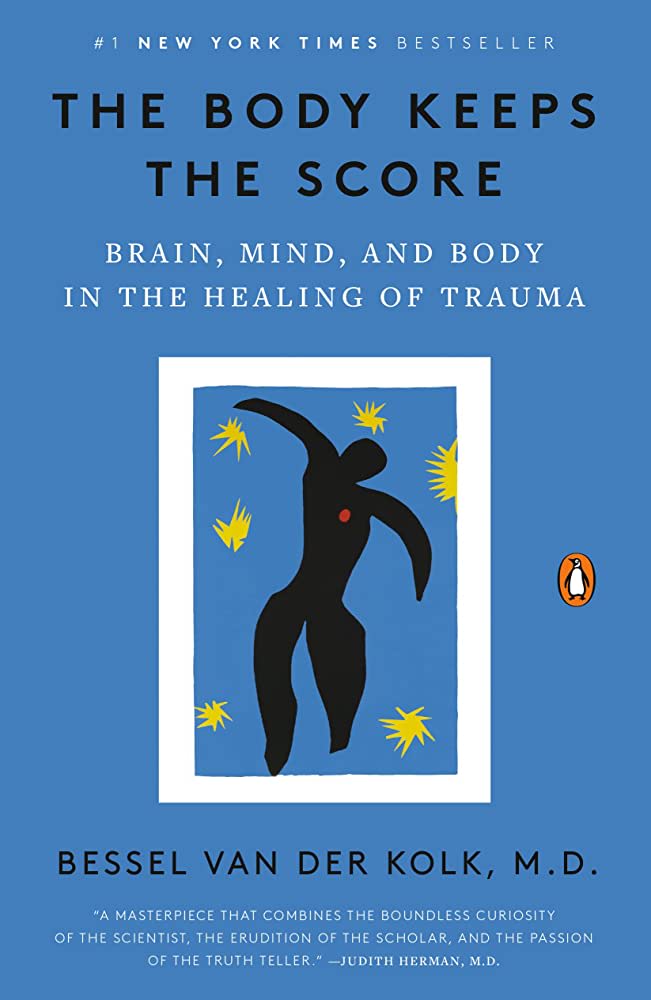
The Body Keeps the Score: Brain, Mind, and Body in the Healing of Trauma
Author: Bessel van der Kolk
A groundbreaking and widely praised book that explains how trauma reshapes the body and brain—and how healing can occur through therapy, movement, and connection.
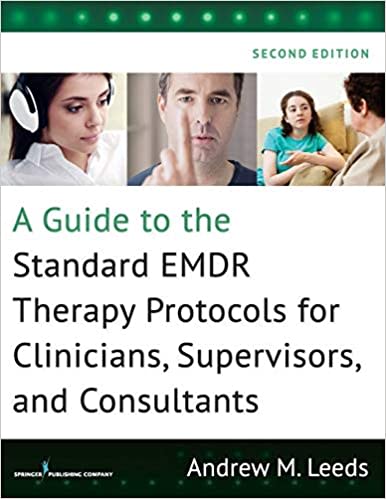
A Guide to the Standard EMDR Therapy Protocols for Clinicians, Supervisors, and Consultants
Author: Andrew Leeds
A practical and detailed guide for professionals learning or applying EMDR therapy, covering standard protocols for various trauma-related conditions.
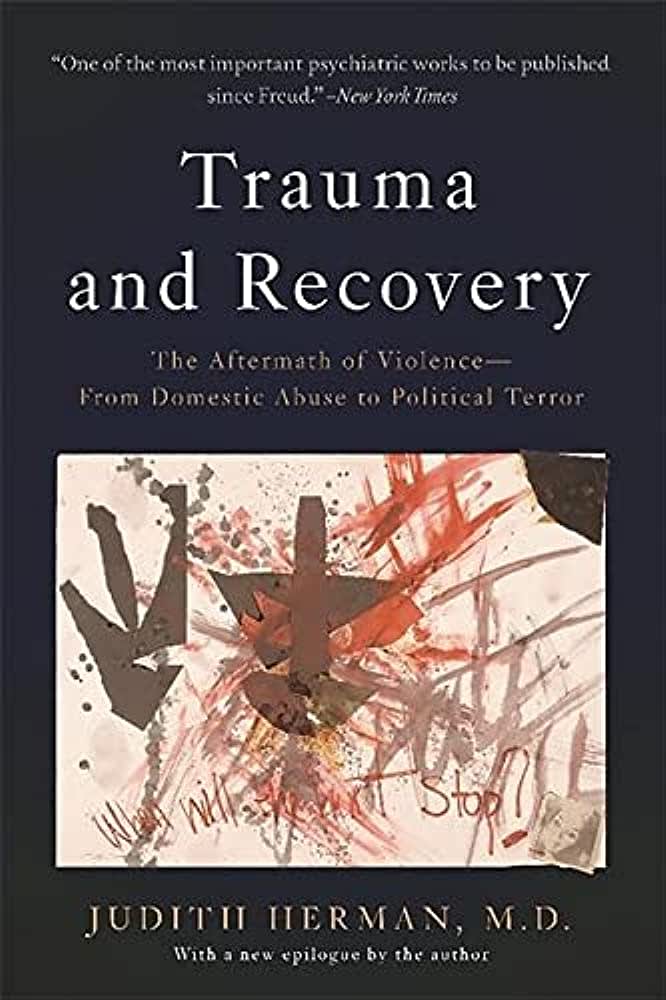
Author: Judith Herman
A classic in the field, this book outlines how trauma impacts individuals and society, and offers insight into recovery, especially for survivors of abuse and violence.
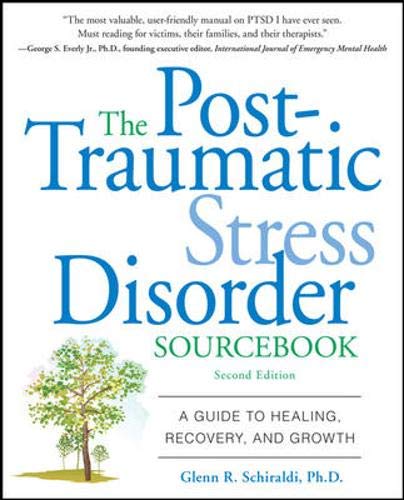
The Post-Traumatic Stress Disorder Sourcebook: A Guide to Healing, Recovery, and Growth
Author: Glenn R. Schiraldi
A user-friendly, comprehensive guide that explains PTSD symptoms and treatment options, offering practical exercises for healing and personal growth.
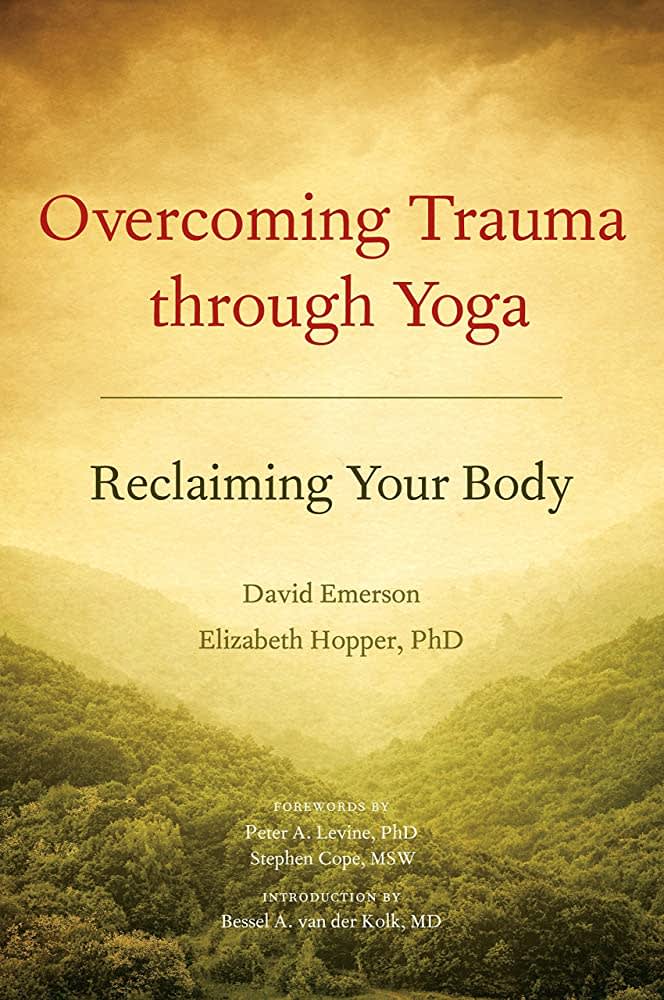
Overcoming Trauma through Yoga
Author: David Emerson and Elizabeth Hopper
This book introduces trauma-sensitive yoga as a healing method for trauma survivors, blending practical guidance with personal reflections.
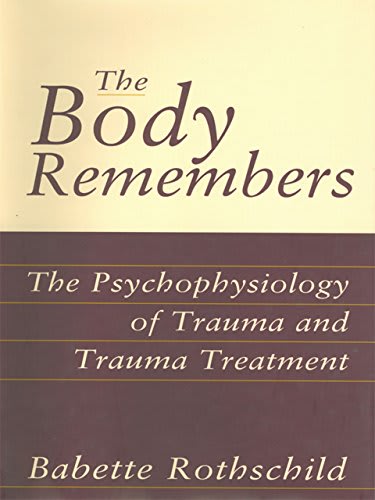
The Body Remembers: The Psychophysiology of Trauma and Trauma Treatment
Author: Babette Rothschild
A readable and informative guide to how trauma affects the nervous system—and how body-based strategies can support healing.

After the War Zone: A Practical Guide for Returning Troops and Their Families
Author: Laurie B. Slone and Mathew J. Friedman
Written for veterans and their families, this guide offers tools to manage post-deployment stress and adjust to civilian life.
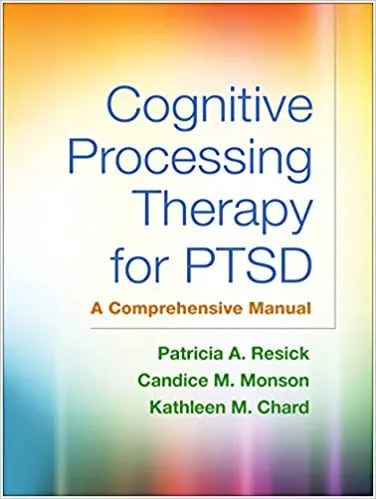
Cognitive Processing Therapy for PTSD: A Comprehensive Manual
Author: Patricia A. Resick, Candice M. Monson, and Kathleen M. Chard
A step-by-step manual for clinicians using Cognitive Processing Therapy, one of the most evidence-based treatments for PTSD.
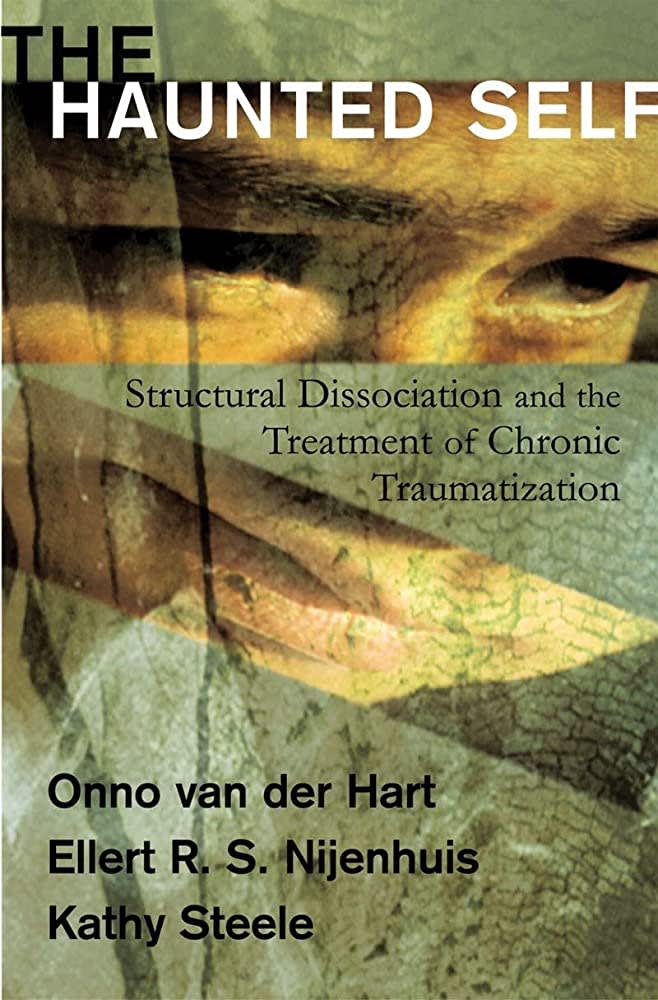
The Haunted Self: Structural Dissociation and the Treatment of Chronic Traumatisation
Author: Onno van der Hart, Ellert R.S. Nijenhuis, and Kathy Steele
This book explores how severe trauma can lead to internal fragmentation, and presents advanced therapeutic strategies for healing complex PTSD.
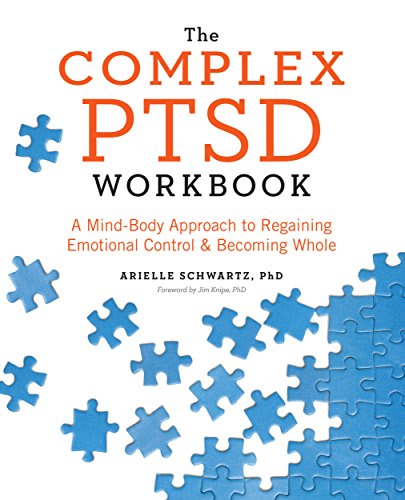
The Complex PTSD Workbook: A Mind-Body Approach to Regaining Emotional Control and Becoming Whole
Author: Arielle Schwartz and Jim Knipe
An accessible workbook offering trauma-informed exercises and guidance for people healing from long-term or repeated trauma.
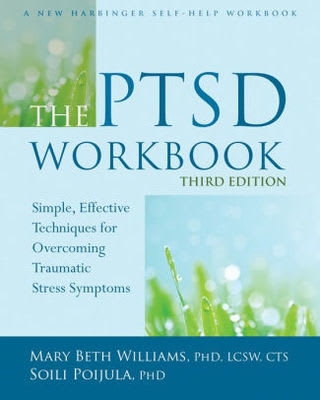
The PTSD Workbook: Simple, Effective Techniques for Overcoming Traumatic Stress Symptoms
Authors: Mary Beth Williams and Soili Poijula
Packed with practical tools, this workbook helps individuals manage symptoms and move forward with recovery.
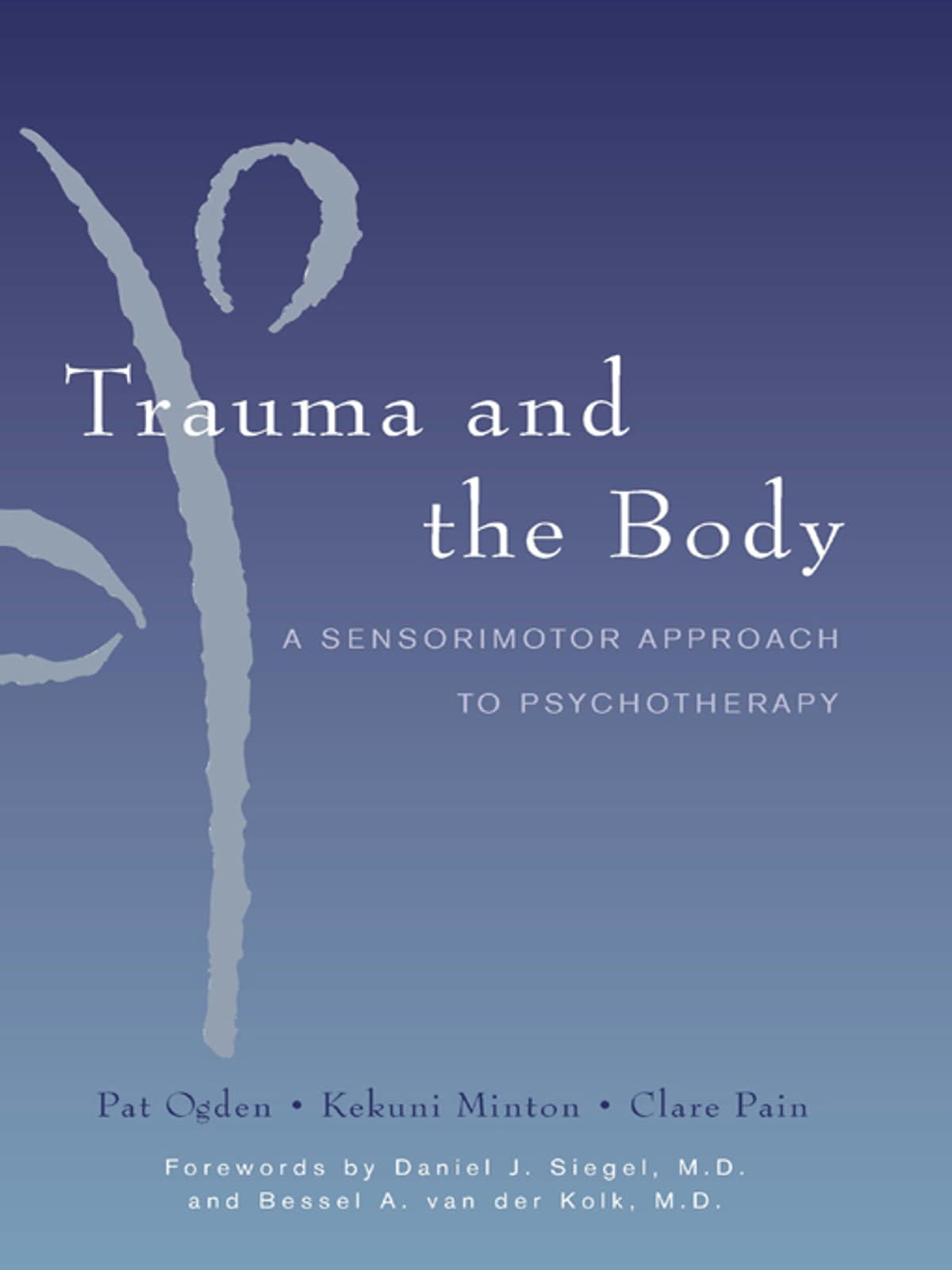
Trauma and the Body: A Sensorimotor Approach to Psychotherapy
Author: Pat Ogden, Clare Pain, Kekuni Minton
Introduces a body-based therapeutic method for treating trauma, with detailed case examples and techniques for clinicians.

Emotional Resilience and the Expat Child
Author: Julia Simens
Focuses on how global mobility and life transitions affect children, including trauma-related challenges, and offers tools to build emotional resilience.
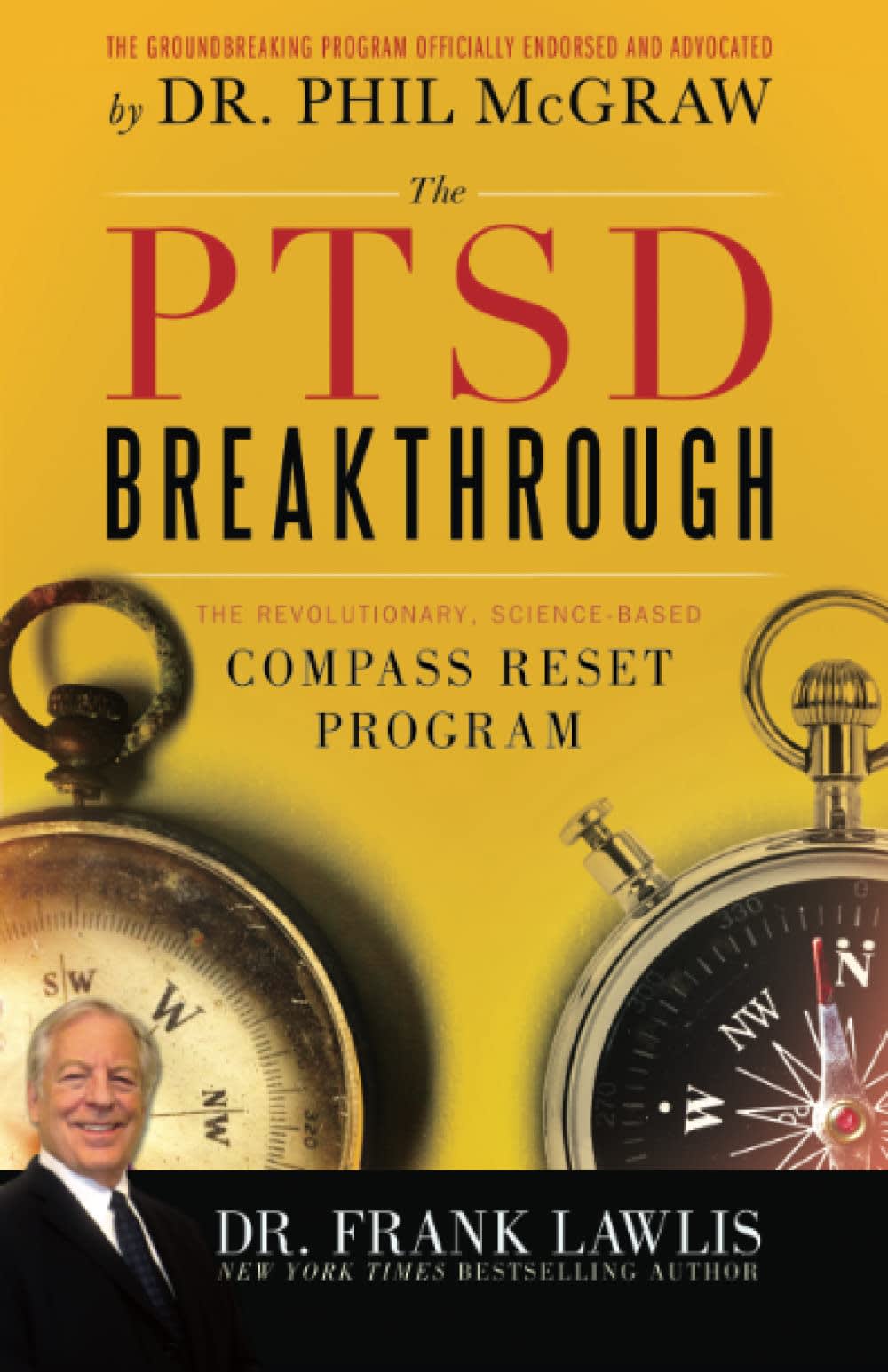
The PTSD Breakthrough: The Revolutionary Science-Based Compass RESET Program
Author: Frank Lawlis
This book introduces a structured, science-backed program to help individuals heal from trauma and regain emotional balance.
Healing Trauma: A Pioneering Program for Restoring the Wisdom of Your Body
Author: Peter A. Levine
Offers a body-focused method for healing trauma, drawing on somatic experiencing to gently guide survivors toward recovery.
Posttraumatic Growth: Positive Changes in the Aftermath of Crisis
Authors: Richard G. Tedeschi, Lawrence G. Calhoun and Crystal L. Park
Explores how people can grow stronger and more resilient after surviving trauma, offering hope and insight into personal transformation.
Trauma Stewardship: An Everyday Guide to Caring for Self While Caring for Others
Authors: Laura van Dernoot Lipsky and Connie Burk
A supportive and practical book for caregivers and professionals who are exposed to trauma through their work and want to avoid burnout.

The War Within: Preventing Suicide in the U.S. Military
Authors: Rajeev Ramchand, Joie Acosta, Rachel M. Burns, Lisa H. Jaycox, Christopher G. Pernin
This research-based book examines mental health challenges in the military and offers strategies for preventing suicide among service members.
Disclaimer: This resource is for information only and is not meant to replace professional advice, diagnosis, or treatment. Always talk to a licensed mental health professional or your doctor if you have questions about a mental health condition. Click here to find a therapist, psychologist, or counsellor near you.
About the Reviewer: Vincenzo Sinisi holds a MA in Clinical Psychology from the University of the Witwatersrand and has over 20 years of experience in the field. As an expert in clinical psychology and psychotherapy, Vincenzo Sinisi is a member of the HPCSA, AGPA, and IPA. His dedication to providing accurate, high-quality information and staying current with industry developments ensures that the content they review meets the highest standards of Experience, Expertise, Authoritativeness, and Trustworthiness (E-E-A-T). To learn more about Vincenzo Sinisi and his work, visit his website or connect with him on LinkedIn.
Important: TherapyRoute does not provide medical advice. All content is for informational purposes and cannot replace consulting a healthcare professional. If you face an emergency, please contact a local emergency service. For immediate emotional support, consider contacting a local helpline.
Find Therapists
Must Read
Creating Space for Growth: How Boundaries Strengthen Relationships
Setting healthy boundaries fosters respect, protects emotional well-being, and strengthens relationships by defining personal limits and maintaining self-care.
International Mutual Recognition Agreements for Mental Health Professionals
Mutual recognition agreements for mental health professions are rare and uneven, with major gaps in counselling, social work, and allied therapies. Read on to understand ...
Mental Health Licensing & Regulation in New York State: 2026 Guide
Mental Health Licensing & Regulation in Singapore: 2026 Guide
Jumping to Conclusions
Jumping to conclusions is a thinking habit where we assume the worst or make judgments without enough evidence. By recognising this pattern, therapy can help you slow dow...
About The Author

TherapyRoute
Cape Town, South Africa
“Our in-house team, including world-class mental health professionals, publishes high-quality articles to raise awareness, guide your therapeutic journey, and help you find the right therapy and therapists. All articles are reviewed and written by or under the supervision of licensed mental health professionals.”
TherapyRoute is a mental health resource platform connecting individuals with qualified therapists. Our team curates valuable mental health information and provides resources to help you find the right professional support for your needs.



