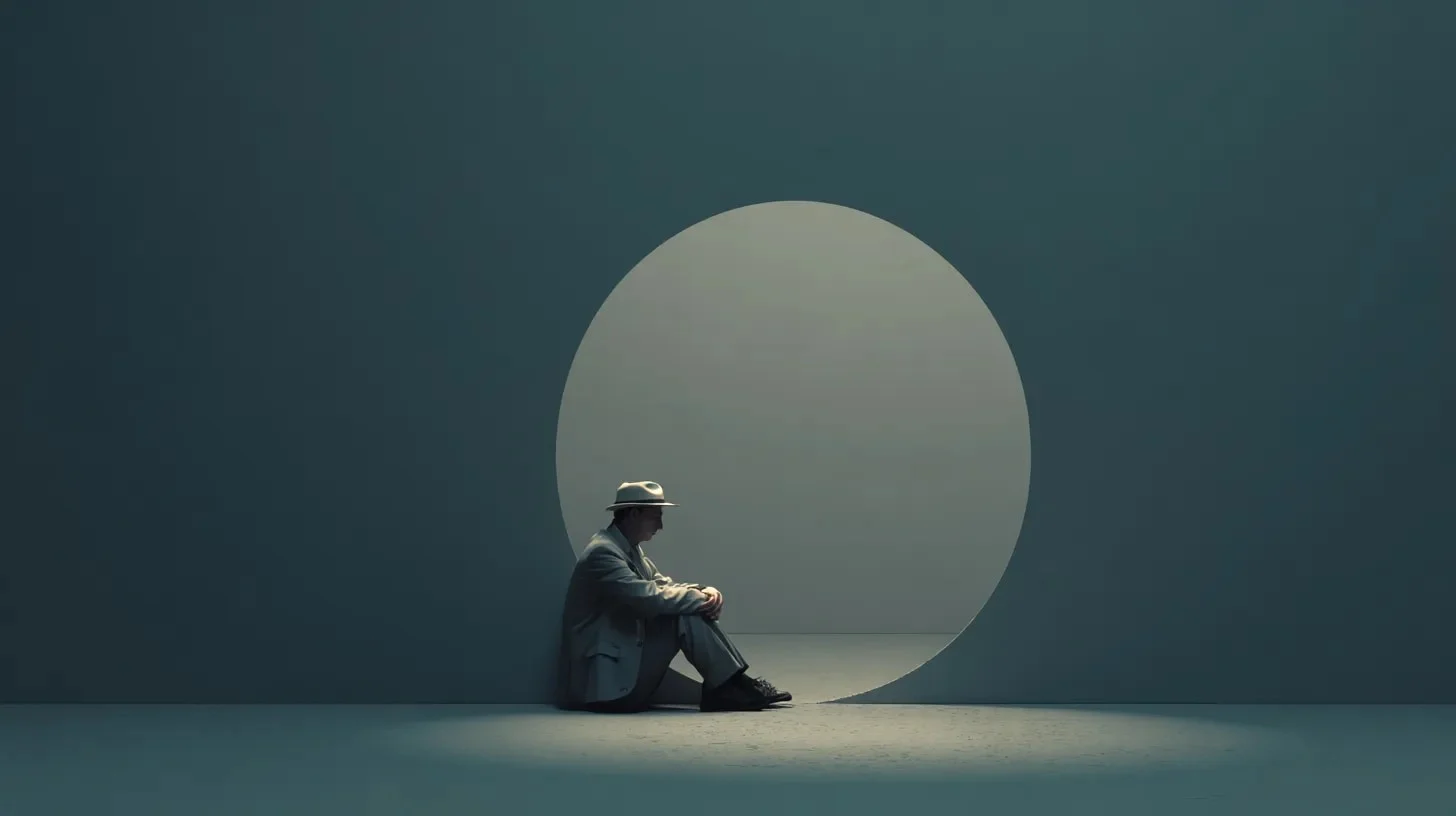
Bipolar Disorder


❝Experience intense shifts between high energy and deep lows? Learn about bipolar disorder, how it feels, and how therapy plus medication offers a path to stability.❞
Life with bipolar disorder can feel like riding an intense emotional rollercoaster, swinging between periods of high energy and activity, and deep, difficult lows. It's a brain-based condition, not a personality flaw.
This guide will simply explain bipolar disorder, what those shifts can feel like, and how therapy, usually alongside medication, provides crucial support and strategies for managing the condition and finding stability.
In this Article
- What is Bipolar Disorder?
- How Does Bipolar Disorder Affect Daily Life?
- What Do Mood Episodes Actually Feel Like?
- What Might Contribute to Bipolar Disorder?
- What Else Could It Be?
- How Can You Start Helping Yourself?
- What Professional Help Looks Like?
- What Can You Do Now?
- Books to Deepen Your Understanding of Bipolar Disorder
Click for more like this: Anxiety Disorder - Attachment Disorder - ADHD - Bipolar Disorder - Borderline Personality Disorder - Depression - Eating Disorder - Narcissistic Personality Disorder - Obsessive Compulsive Disorder - PTSD - Somatic Symptom Disorder - Substance Use Disorders
What is Bipolar Disorder?
Bipolar disorder is a mental health condition characterised by significant shifts in mood, energy, activity levels, concentration, and the ability to carry out day-to-day tasks. These shifts involve distinct periods called mood episodes.
The main types of mood episodes are:
Therapy should be personal. Therapists listed on TherapyRoute are qualified, independent, and free to answer to you – no scripts, algorithms, or company policies.
Find Your Therapist- Manic Episodes: Periods of extremely elevated, expansive, or irritable mood and persistently increased energy or activity. These are severe and cause significant impairment (can include psychosis).
- Hypomanic Episodes: Similar to manic episodes but less severe. There's a noticeable change in functioning, but not the severe impairment or psychosis seen in mania.
- Major Depressive Episodes: Periods of persistent low mood, loss of interest or pleasure, low energy, and other depressive symptoms (similar to clinical depression).
There are different types of bipolar disorder, based on the pattern of episodes:
1. Bipolar I Disorder:
- Defined by at least one manic episode.
- May also experience hypomanic or major depressive episodes.
2. Bipolar II Disorder:
- Defined by a pattern of at least one hypomanic episode and at least one major depressive episode.
- No history of full manic episodes.
3. Cyclothymic Disorder (Cyclothymia):
- Periods of hypomanic symptoms and periods of depressive symptoms lasting for at least two years (1 year in children/adolescents), but the symptoms don't meet the full criteria for hypomanic or depressive episodes.
Correctly diagnosing bipolar disorder can be challenging because (as seen in movies that depict bipolar disorder) the symptoms of bipolar disorder often vary among individuals and can mimic other mental health conditions.
How Does Bipolar Disorder Affect Daily Life?
The intense mood shifts of bipolar disorder can profoundly disrupt many areas of life:
- Work/School: Difficulty concentrating, impulsivity leading to poor decisions (mania/hypomania), or inability to function or complete tasks (depression). Job loss is common without treatment.
- Relationships: Intense conflicts, irritability, impulsive behaviours (mania/hypomania), or social withdrawal and isolation (depression) can strain relationships with family, friends, and partners.
- Finances: Impulsive spending sprees during mania/hypomania can lead to significant debt. Difficulty managing finances during depression.
- Physical Health: Risky behaviours during mania/hypomania (e.g., substance use, unsafe sex). Neglect of self-care and physical health during depression. Sleep patterns are severely disrupted in both states.
- Judgment & Decision Making: Impaired judgment during manic/hypomanic episodes can lead to actions with serious consequences.
What Do Mood Episodes Actually Feel Like?
Living through mood episodes can be intense and disorienting. The experience is very different depending on the type of episode:
What Mania or Hypomania Might Feel Like:
- Thoughts: Racing thoughts, jumping quickly from one idea to another ("flight of ideas"), feeling overly confident or self-important (grandiosity), difficulty concentrating because too many ideas are present.
- Feelings: Feeling euphoric, unusually "high," optimistic, or extremely irritable and agitated. Feeling powerful or unstoppable.
- Energy/Behaviour: Having boundless energy, needing much less sleep but not feeling tired, talking very fast and a lot, being highly distractible, increased goal-directed activity (work, social, sexual), impulsive behaviour (spending, risky decisions).
- (In Mania specifically): Sometimes involves psychosis – delusions (false beliefs) or hallucinations (seeing/hearing things not there).
What Depression Might Feel Like:
- Thoughts: Difficulty concentrating or making decisions, feeling worthless or excessively guilty, hopelessness, thoughts of death or suicide (Seek immediate help if experiencing this: contact your local emergency service, or see helplines and suicide hotlines worldwide).
- Feelings: Persistent sadness, emptiness, anxiety, or numbness. Loss of interest or pleasure in almost all activities (anhedonia). Irritability can also be present.
- Energy/Behaviour: Extreme fatigue, lack of energy, sleeping too much or too little, significant changes in appetite or weight, slowed movement or speech, social withdrawal, difficulty with basic self-care.
What Might Contribute to Bipolar Disorder?
There's no single cause for bipolar disorder. It's understood to be a complex condition resulting from a combination of factors:
- Genetics: Bipolar disorder runs strongly in families. Having a close relative with the condition increases risk, though it doesn't guarantee someone will develop it.
- Brain Structure and Chemistry: Research suggests differences in brain structure, function, and the activity of certain neurotransmitters (brain chemicals) play a key role.
- Stress and Triggers: While not causes, stressful life events (positive or negative), trauma, major life changes, or disruptions to sleep schedules can sometimes trigger mood episodes in vulnerable individuals. Substance use can also trigger episodes or worsen the course of the illness.
Bipolar disorder is a biological brain condition, not a result of personal weakness or character flaws.
What Else Could It Be?
Symptoms seen in bipolar disorder can sometimes overlap with other conditions, making an accurate diagnosis essential for effective treatment.
Conditions with potential overlap include:
- Major Depressive Disorder (Unipolar Depression): Involves depressive episodes but lacks the characteristic manic or hypomanic episodes. Misdiagnosis is common initially if only depression is reported.
- Anxiety Disorders: Anxiety is very common alongside bipolar disorder, but the core issue in bipolar is the mood shifts.
- ADHD: Symptoms like distractibility, impulsivity, and high energy can overlap with mania/hypomania, especially in younger people. However, ADHD symptoms are typically more constant, whereas bipolar symptoms occur in distinct episodes.
- Substance Use Disorders: Substance use can trigger mood changes mimicking bipolar episodes, and people with bipolar disorder have higher rates of substance use.
- Trauma-Related Disorders (e.g., PTSD, BPD): Emotional dysregulation and impulsivity can be features, but the pattern and nature of mood shifts differ from classic bipolar episodes.
- Medical Conditions: Certain conditions (like thyroid disorders or neurological conditions) can sometimes cause mood symptoms.
A thorough evaluation by a qualified healthcare professional (psychiatrist or clinical psychologist) is necessary to distinguish bipolar disorder from other conditions.
How Can You Start Helping Yourself?
While professional treatment (usually medication and therapy) is fundamental, certain lifestyle strategies can help manage the condition between episodes and support overall stability:
- Maintain a Strict Routine: Consistency is crucial. Aim for regular sleep/wake times, meal times, and daily activities. This helps stabilise your body's natural rhythms.
- Track Your Moods: Use a journal or app to monitor daily mood, sleep, energy levels, and potential triggers. This increases self-awareness and helps identify early warning signs of an episode.
- Manage Stress: Identify stressors and develop healthy coping mechanisms (e.g., mindfulness, gentle exercise, relaxation techniques). Avoid overloading yourself.
- Avoid Alcohol and Recreational Drugs: These can trigger mood episodes, interfere with medication effectiveness, and worsen the course of the illness.
- Build a Strong Support System: Educate trusted friends and family about bipolar disorder. Their understanding and support can be invaluable.
- Learn Your Triggers and Warning Signs: Recognise personal patterns or situations that might precede a mood episode, allowing for early intervention.
These strategies support formal treatment; they do not replace it.
What Professional Help Looks Like?
If you're experiencing extreme mood swings, speaking with a mental health professional like a psychologist or psychiatrist is key. They'll have a careful conversation about your mood episodes – the highs and lows – and their impact on your life, while also considering other factors to get a clear picture.
To guide their understanding and ensure accuracy, these professionals use widely accepted expert guidelines (Diagnostic and Statistical Manual of Mental Disorders, 5th edition (DSM-5), and the International Classification of Diseases, 10th Revision (ICD-10).
This accurate understanding is vital because effective help is available. Treatment for bipolar disorder is most successful with a combined approach, typically involving medication and psychotherapy (talk therapy).
1. Medication:
- Mood stabilisers (like lithium or certain anticonvulsants) are often the cornerstone of treatment to manage manic/hypomanic episodes and prevent future ones.
- Antidepressants (used cautiously with a mood stabiliser) or antipsychotics may also be used. Finding the right medication often takes time and collaboration with a psychiatrist.
2. Psychotherapy:
Therapy helps individuals cope with the illness, manage symptoms, prevent relapses, and address related challenges. Effective therapies include:
- Psychoeducation: Learning about bipolar disorder, its symptoms, triggers, and treatment is essential for managing the condition effectively.
- Cognitive Behavioural Therapy (CBT): Helps identify and change unhelpful thought patterns and behaviours associated with both depressive and manic/hypomanic phases. Can help develop coping strategies for managing symptoms and stress.
- Interpersonal and Social Rhythm Therapy (IPSRT): Focuses specifically on stabilising daily routines (sleep, meals, social activity) and addressing interpersonal issues that can impact mood stability. Highly effective for bipolar disorder.
- Dialectical Behaviour Therapy (DBT): Teaches skills in mindfulness, emotion regulation, distress tolerance, and interpersonal effectiveness, which can be very helpful for managing the intense emotions and relationship difficulties associated with bipolar disorder.
- Family-Focused Therapy (FFT): Involves family members to improve communication, problem-solving, and support within the family system, recognising the impact of the illness on loved ones.
What Can You Do Now?
If you suspect you might have bipolar disorder due to experiencing significant mood swings that impact your life, seeking professional help is crucial.
It's time to seek help if:
- You experience distinct periods of unusually high energy/elevated mood AND periods of deep depression.
- Mood shifts cause significant problems in your work, school, relationships, or finances.
- You engage in risky behaviours during high periods.
- You have thoughts of harming yourself (seek immediate help).
Here are clear next steps you can take:
- See a Doctor or Psychiatrist: This is essential for an accurate diagnosis and to discuss medication options. A psychiatrist specialises in mental health conditions and medication management.
- Get a Comprehensive Evaluation: Diagnosis involves discussing your symptoms, history, family history, and ruling out other potential causes.
- Find a Qualified Therapist: Look for therapists experienced in treating bipolar disorder. Use directories like therapyroute.com and inquire about their experience with therapies like CBT, IPSRT, or DBT for bipolar.
- Commit to Treatment: Consistency with medication (as prescribed) and therapy appointments is key to achieving and maintaining stability.
- Educate Yourself and Your Support System: Understanding the condition helps everyone involved. Resources like NAMI (US) or local mental health organisations can be helpful.
Living with bipolar disorder requires ongoing management, but with the right treatment and support, individuals can lead fulfilling, stable lives. Reaching out for help is the first and most important step.
Books to Deepen Your Understanding of Bipolar Disorder
Looking to learn more? Below is a curated list of valuable books that offer insight into bipolar disorder, drawing from both personal stories and clinical expertise. Whether you're a psychologist seeking a deeper understanding or someone looking for tools to manage bipolar disorder, these books provide helpful perspectives and strategies.
We’re Amazon affiliates, so if you click a title and make a purchase, you’ll be supporting your own learning and helping us continue our meaningful work.

Shoot the Damn Dog: A Memoir of Depression
Author: Sally Brampton
An honest and emotionally raw memoir about the author’s experience with depression and bipolar disorder, offering a powerful look into the struggle for recovery.

Author: Andy Behrman
A fast-paced and humorous memoir that follows Behrman’s experience living with bipolar disorder, including his manic episodes and search for effective treatment.

The Center Cannot Hold: My Journey Through Madness
Author: Elyn R. Saks.
This inspiring memoir follows Saks’ journey as she lives with schizophrenia and bipolar disorder, while building a successful career in law and mental health advocacy.
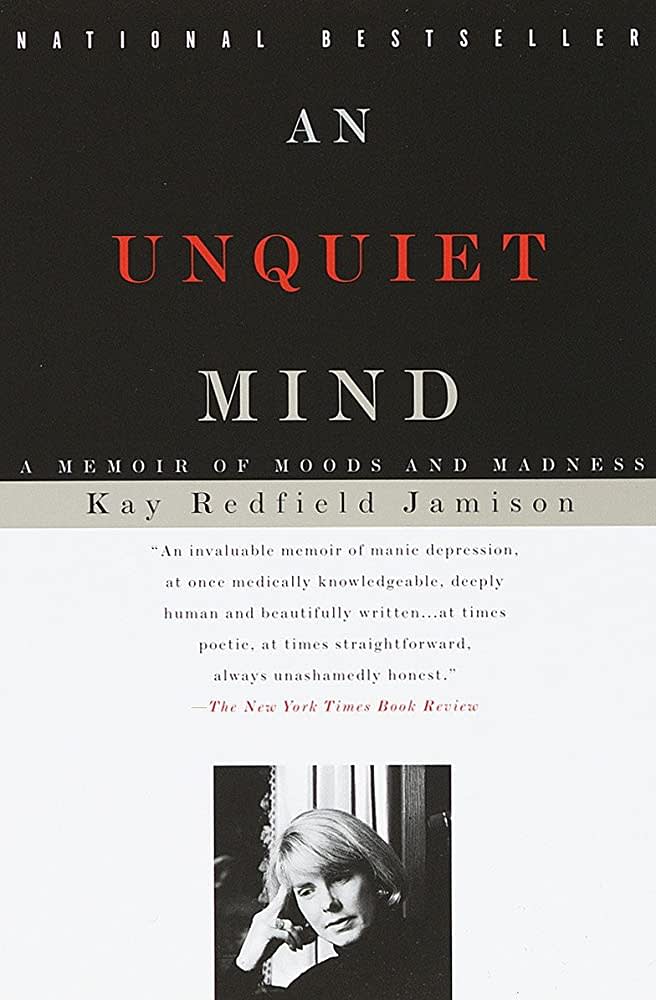
An Unquiet Mind: A Memoir of Moods and Madness
Author: Kay Redfield Jamison
A deeply personal memoir by a clinical psychologist who shares her own experience of living with bipolar disorder, combining professional insight with lived experience.
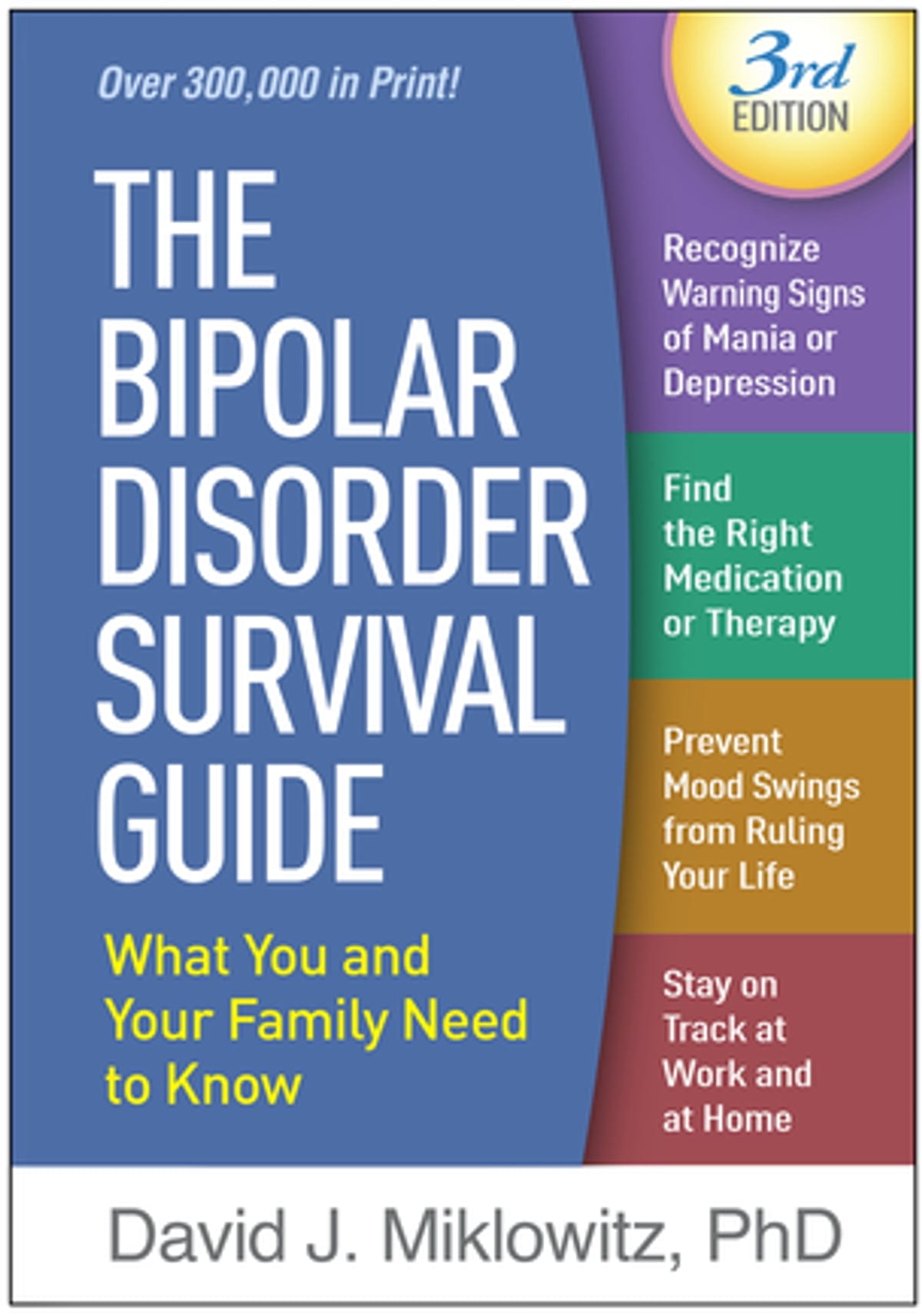
The Bipolar Disorder Survival Guide: What You and Your Family Need to Know
Author: David J. Miklowitz
A practical and comprehensive guide covering the causes, symptoms, and treatment of bipolar disorder, with tools for managing mood episodes and supporting loved ones.
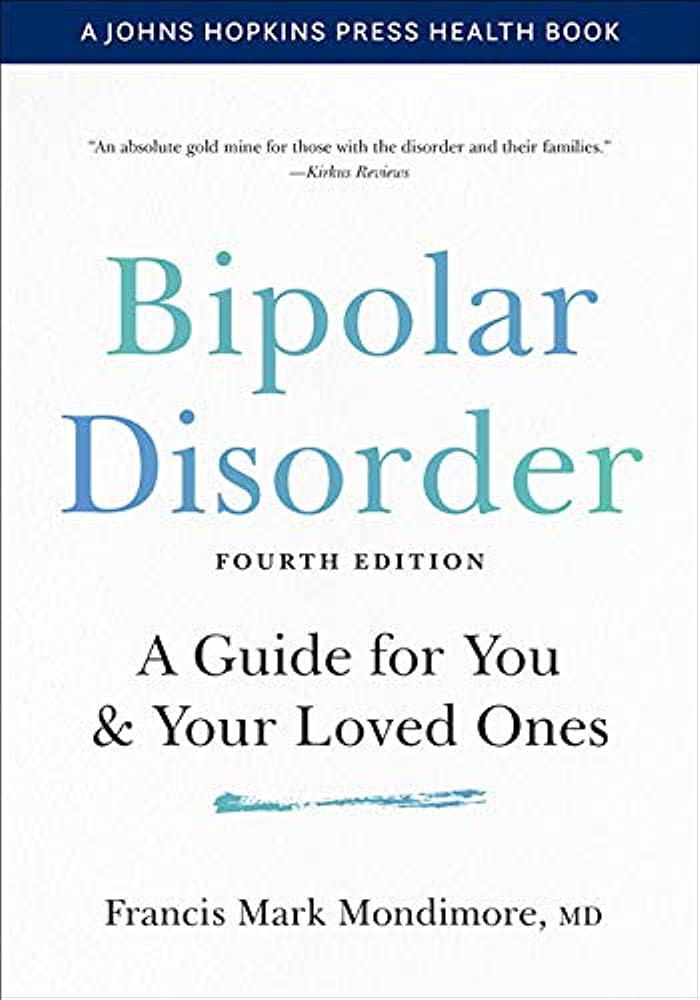
Bipolar Disorder: A Guide for You and Your Loved Ones
Author: Francis Mark Mondimore
This guide offers clear and up-to-date information about bipolar disorder, including diagnosis, treatment options, and tips for navigating daily life with the condition.

The Bipolar Workbook: Tools for Controlling Your Mood Swings
Author: Monica Ramirez Basco
A hands-on workbook filled with exercises and strategies to help individuals with bipolar disorder manage mood swings and maintain emotional balance.
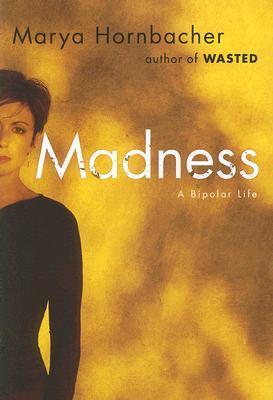
Author: Marya Hornbacher
In this candid memoir, Hornbacher shares her intense experiences with bipolar disorder, highlighting both her struggles and resilience.
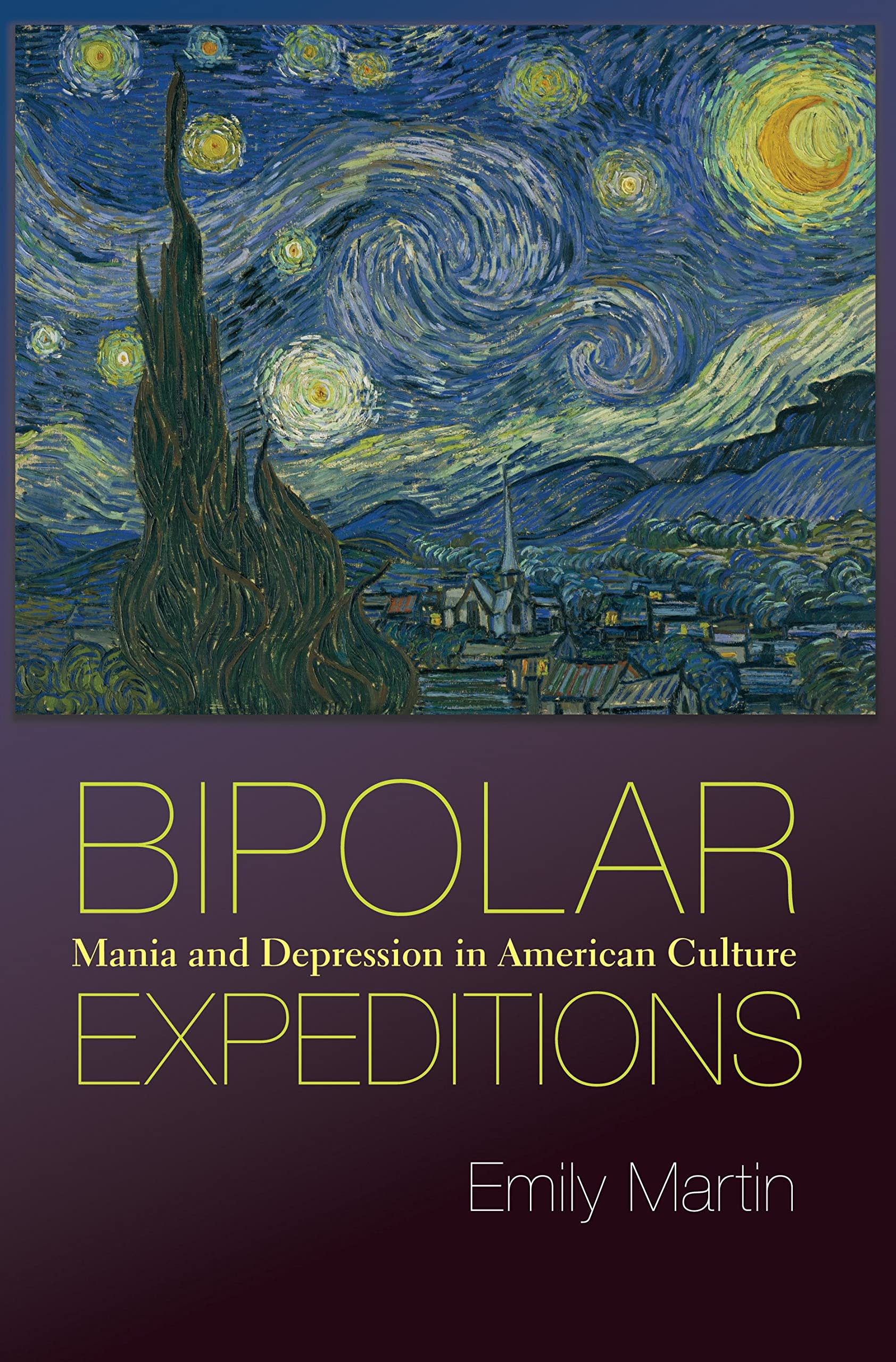
Bipolar Expeditions: Mania and Depression in American Culture
Author: Emily Martin
A thought-provoking sociological look at how bipolar disorder is perceived in American culture, blending personal stories with academic analysis.
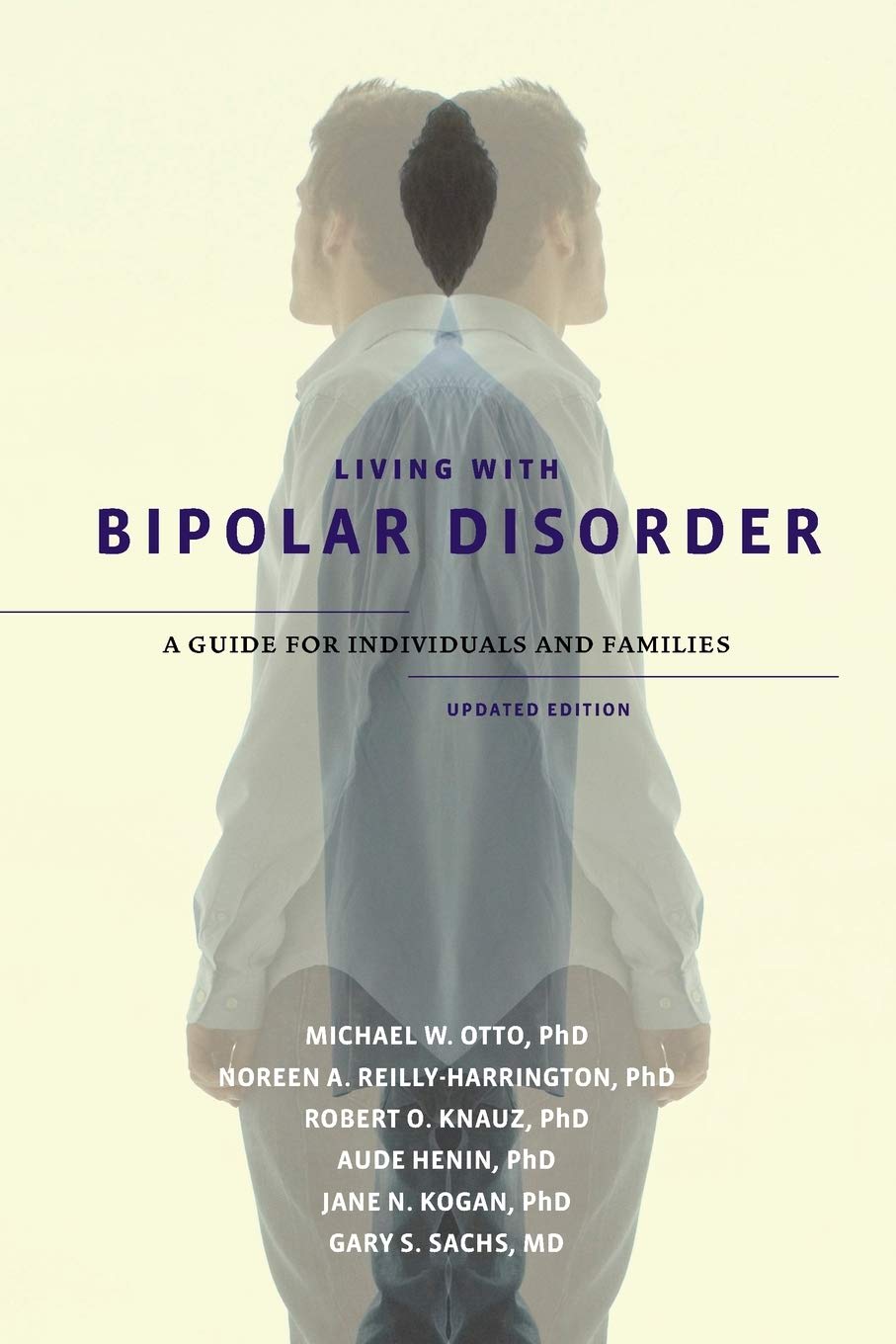
Living Well with Bipolar Disorder: A Guide for Individuals and Families
Authors: Michael W. Otto and Noreen A. Reilly-Harrington
This guidebook offers practical tools and lifestyle strategies for living successfully with bipolar disorder, geared toward both individuals and their families.

The Dark Side of Innocence: Growing Up Bipolar
Author: Terri Cheney
A moving memoir about Cheney’s early years living with undiagnosed bipolar disorder and the impact it had on her childhood and identity.
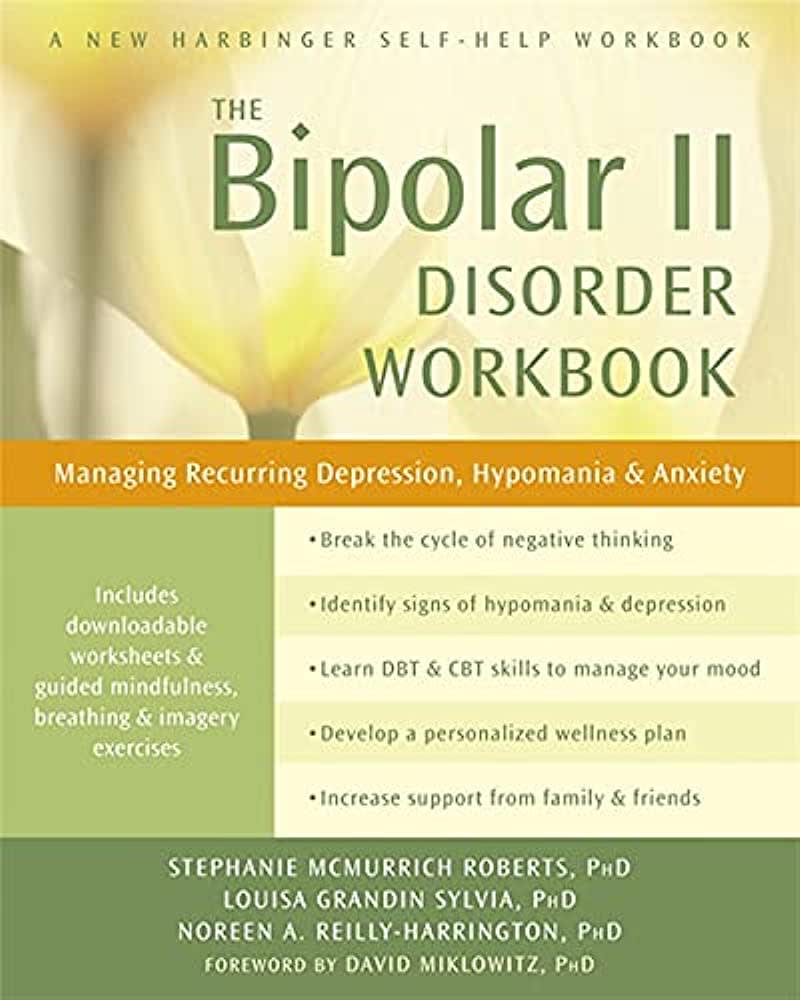
The Bipolar II Disorder Workbook: Managing Recurring Depression, Hypomania, and Anxiety
Author: Stephanie McMurrich Roberts
A workbook designed specifically for people with bipolar II disorder, offering exercises and strategies for managing symptoms like hypomania, depression, and anxiety.
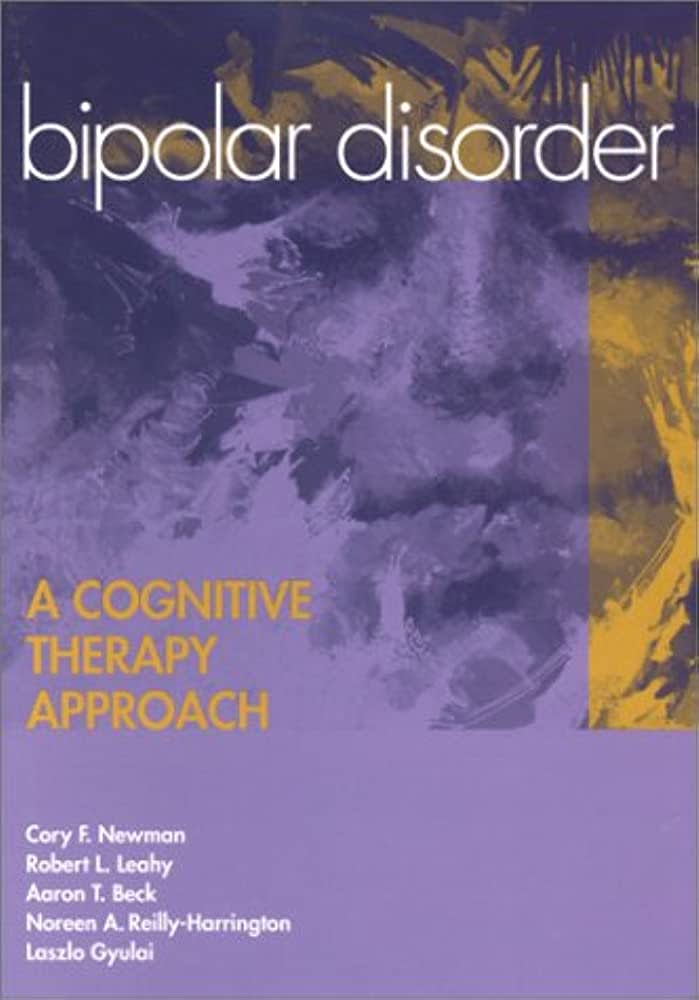
Bipolar Disorder: A Cognitive Therapy Approach
Author: Cory F. Newman
A clinical guide that outlines how cognitive-behavioral therapy (CBT) can be used to treat bipolar disorder, ideal for mental health professionals or advanced readers.
Disclaimer: This resource is for information only and is not meant to replace professional advice, diagnosis, or treatment. Always talk to a licensed mental health professional or your doctor if you have questions about a mental health condition. Click here to find a therapist, psychologist, or counsellor near you.
About the Reviewer: Vincenzo Sinisi holds a MA in Clinical Psychology from the University of the Witwatersrand and has over 20 years of experience in the field. As an expert in clinical psychology and psychotherapy, Vincenzo Sinisi is a member of the HPCSA, AGPA, and IPA. His dedication to providing accurate, high-quality information and staying current with industry developments ensures that the content they review meets the highest standards of Experience, Expertise, Authoritativeness, and Trustworthiness (E-E-A-T). To learn more about Vincenzo Sinisi and his work, visit his website or connect with him on LinkedIn.
Important: TherapyRoute does not provide medical advice. All content is for informational purposes and cannot replace consulting a healthcare professional. If you face an emergency, please contact a local emergency service. For immediate emotional support, consider contacting a local helpline.
Find Therapists
Must Read
Creating Space for Growth: How Boundaries Strengthen Relationships
Setting healthy boundaries fosters respect, protects emotional well-being, and strengthens relationships by defining personal limits and maintaining self-care.
International Mutual Recognition Agreements for Mental Health Professionals
Mutual recognition agreements for mental health professions are rare and uneven, with major gaps in counselling, social work, and allied therapies. Read on to understand ...
Mental Health Licensing & Regulation in New York State: 2026 Guide
Mental Health Licensing & Regulation in Singapore: 2026 Guide
Jumping to Conclusions
Jumping to conclusions is a thinking habit where we assume the worst or make judgments without enough evidence. By recognising this pattern, therapy can help you slow dow...
About The Author

TherapyRoute
Cape Town, South Africa
“Our in-house team, including world-class mental health professionals, publishes high-quality articles to raise awareness, guide your therapeutic journey, and help you find the right therapy and therapists. All articles are reviewed and written by or under the supervision of licensed mental health professionals.”
TherapyRoute is a mental health resource platform connecting individuals with qualified therapists. Our team curates valuable mental health information and provides resources to help you find the right professional support for your needs.