Borderline Personality Disorder (BPD)

❝Feeling emotions intensely? Struggle with relationships and self-image? Learn about BPD, understand the inner experience, and discover how therapy offers hope and skills.❞
Living with intense, rapidly shifting emotions can feel like being on a constant rollercoaster, making relationships, work, and just feeling okay incredibly challenging. If this sounds familiar, learning about Borderline Personality Disorder (BPD) might offer some understanding.
This resource explains what BPD is in simple terms, how it can affect life, and importantly, how therapy can help you build a more stable and fulfilling future. It's okay to feel overwhelmed; understanding is the first step.
- What is Borderline Personality Disorder (BPD)?
- How Does BPD Affect Daily Life?
- What Does BPD Actually Feel Like?
- What Might Contribute to BPD?
- What Else Could It Be?
- How Can You Start Helping Yourself?
- What Professional Help Looks Like?
- What Can You Do Now?
- Books to Deepen Your Understanding of Borderline Personality Disorder
Click for more like this: Anxiety Disorder - Attachment Disorder - ADHD - Bipolar Disorder - Borderline Personality Disorder - Depression - Eating Disorder - Narcissistic Personality Disorder - Obsessive Compulsive Disorder - PTSD - Somatic Symptom Disorder - Substance Use Disorders
What is Borderline Personality Disorder (BPD)?
Borderline Personality Disorder (BPD) is a mental health condition characterised by ongoing patterns of instability. Think of it like having difficulty regulating several key areas of life, all at once.
This instability often shows up in:
Therapy should be personal. Therapists listed on TherapyRoute are qualified, independent, and free to answer to you – no scripts, algorithms, or company policies.
Find Your Therapist- Intense Emotions: Feelings can be very strong, overwhelming, and change quickly.
- Relationships: Relationships often feel intense, chaotic, and unstable.
- Self-Image: Your sense of who you are might feel unclear or shift dramatically.
- Impulsive Behaviours: You might act quickly without thinking, sometimes in risky ways.
BPD isn't about being "bad" or "difficult." It's a complex condition resulting from a combination of factors, often involving heightened emotional sensitivity interacting with life experiences.
Correctly diagnosing BPD can be challenging because (as seen in movies that depict BPD) the symptoms of a BPD often vary among individuals and can mimic other mental health conditions.
How Does BPD Affect Daily Life?
The patterns of BPD can ripple through many parts of life, making everyday things feel harder.
Common impacts include:
- Relationships: Fear of abandonment can lead to frantic efforts to avoid being left alone, or pushing people away. Relationships might feel like extremes – all good or all bad.
- Work or School: Intense moods or relationship conflicts can interfere with focus, attendance, and performance. Impulsive decisions might affect career paths.
- Self-Care: Difficulty managing emotions or impulsivity can sometimes lead to neglecting physical health, sleep, or nutrition.
- Mood Swings: Rapid shifts in mood (lasting hours or a few days) can make planning or sticking to routines very challenging.
- Sense of Self: Feeling unsure about your identity, values, or goals can make decision-making difficult.
- Risky Behaviours: Impulsivity might lead to things like spending sprees, substance use, reckless driving, or unsafe sex.
- Self-Harm or Suicidal Thoughts: These can occur as ways to cope with overwhelming emotional pain or feelings of emptiness. (If you are experiencing these thoughts, please reach out for immediate help).
What Does BPD Actually Feel Like?
Living with BPD can be confusing and painful. It’s more than just being "moody."
Here’s what it might feel like inside:
- Emotional Intensity: Like your emotions have the volume turned way up – joy is ecstatic, sadness is despair, anger is rage.
- Fear of Abandonment: A deep, persistent worry that people you care about will leave, even without evidence.
- Chronic Emptiness: A frequent feeling of being hollow, bored, or like something is missing inside.
- Unstable Sense of Self: Feeling like a chameleon, changing who you are depending on who you're with, or feeling unsure of your core identity.
- Intense Anger: Difficulty controlling anger, which might come out in outbursts or be turned inward.
- Black-and-White Thinking: Seeing people, situations, or yourself in extremes – perfect one moment, terrible the next (sometimes called splitting).
- Racing Thoughts: Your mind might feel chaotic or jump quickly between worries, ideas, or fears.
- Feeling Misunderstood: Like others don't grasp the intensity of your experiences.
- Brief Stress-Related Paranoia: Feeling suspicious of others' motives, especially under stress.
- Dissociation: Sometimes feeling disconnected from yourself, your body, or reality, like watching yourself from afar, particularly during intense stress.
What Might Contribute to BPD?
There's no single cause for BPD. It's usually understood as resulting from a combination of factors interacting together.
Potential contributing areas include:
- Biological Factors: Some people may be born with a higher emotional sensitivity or a tendency towards intense reactions.
- Brain Differences: Research suggests potential differences in brain areas involved in emotion regulation, impulsivity, and thinking.
- Early Life Experiences: Difficult childhood experiences are common, such as:
- Emotional, physical, or sexual abuse or neglect.
- Growing up in an environment where intense emotions were dismissed, punished, or invalidated.
- Experiencing early separation, loss, or unstable family relationships.
- Witnessing domestic violence or substance abuse.
- Environmental Stress: Ongoing stress or invalidation in current life can trigger or worsen symptoms.
- It's crucial to remember: Having these risk factors doesn't guarantee someone will develop BPD, and not everyone with BPD has these experiences. It's a complex interplay.
What Else Could It Be?
Some BPD symptoms overlap with other conditions, which is why a professional assessment is vital for an accurate diagnosis.
Conditions with some similar features might include:
- Mood Disorders: Intense sadness can look like Depression; mood shifts can sometimes be confused with Bipolar Disorder (though BPD mood shifts are typically faster and often triggered by interpersonal events).
- Post-Traumatic Stress Disorder (PTSD): Trauma is a risk factor for both, and symptoms like emotional dysregulation and relationship difficulties can overlap.
- Attention-Deficit/Hyperactivity Disorder (ADHD): Impulsivity and difficulties with focus can be present in both.
- Other Personality Disorders: Some features might overlap with other personality disorders.
- Anxiety Disorders: Intense anxiety, including panic, is common in BPD.
A mental health professional can help sort through symptoms to understand the full picture.
How Can You Start Helping Yourself?
While professional therapy is key for managing BPD, there are things you can try to cope with intense moments and begin building stability.
Focus on small, manageable steps:
- Learn Your Triggers: Notice what situations, thoughts, or interactions tend to set off intense emotions.
- Practice "Pausing": When feeling impulsive, try to create a delay before acting. Even a few minutes can help. Ask yourself: What's the urge? What might happen if I act on it? What's a less harmful alternative?
- Grounding Techniques: When feeling overwhelmed or dissociated, bring yourself back to the present using your senses (e.g., notice 5 things you see, 4 things you feel, 3 things you hear, 2 things you smell, 1 thing you taste; hold ice; splash cold water on your face).
- Name Your Feelings: Simply identifying an emotion ("I feel intense anger right now") can sometimes lessen its power.
- Create Simple Routines: Predictability in things like sleep, meals, or daily tasks can provide a sense of stability.
- Develop a Crisis Plan: Know who to call (trusted friend, family member, crisis line) and what coping strategies help before a crisis hits.
- Communicate Needs (Safely): If possible, practice expressing needs or feelings calmly with trusted, supportive people.
- Self-Compassion: Be kind to yourself. Managing BPD is hard work. Acknowledge your efforts.
What Professional Help Looks Like?
Figuring out if someone has Borderline Personality Disorder (BPD) is done by mental health professionals, like psychologists or psychiatrists. They'll have a detailed, caring conversation to understand your symptoms and experiences, and also make sure other issues aren't causing how you feel.
To ensure an accurate understanding, these professionals use established expert guidelines (Diagnostic and Statistical Manual of Mental Disorders, 5th edition (DSM-5), and the International Classification of Diseases, 10th Revision (ICD-10) which outline the specific patterns seen in BPD.
This careful assessment is important because therapy is the most effective treatment for BPD. Certain therapies are specifically designed to address its core difficulties, and finding a therapist experienced in treating BPD is key.
Here are some evidence-based approaches:
1. Dialectical Behaviour Therapy (DBT):
Often considered the gold standard. DBT teaches practical skills in four key areas:
- Mindfulness: Staying present and aware without judgment.
- Distress Tolerance: Coping with painful emotions without making things worse.
- Emotion Regulation: Understanding and managing intense feelings.
- Interpersonal Effectiveness: Building healthier relationships and communicating needs effectively.
2. Mentalisation-Based Therapy (MBT):
Helps you develop the ability to "mentalise" – to understand your own thoughts, feelings, and intentions, as well as those of others, especially in emotionally charged situations. This improves self-awareness and relationships.
3. Schema Therapy (ST):
Focuses on identifying and changing long-standing, deeply ingrained negative patterns of thinking, feeling, and behaving (called "schemas") that often originate in childhood experiences.
4. Transference-Focused Psychotherapy (TFP):
Uses the relationship between you and your therapist to explore and understand the relationship patterns and difficulties you experience in life outside therapy.
5. Medication:
While there's no specific medication "for BPD," medication might be prescribed to manage co-occurring conditions like depression, anxiety, or mood instability. It's often used alongside therapy, not instead of it.
What Can You Do Now?
Recognising these patterns in yourself or someone you care about is a significant first step. Recovery and managing BPD effectively is possible.
Consider these next steps:
- Acknowledge Your Struggles: Validating your own experience is powerful. It's okay to admit things are hard.
- Recognise When to Seek Help: If symptoms consistently disrupt your life, relationships, work, or cause significant distress, or if you experience self-harm urges or suicidal thoughts, it's time to reach out.
- If you are in immediate danger or crisis, call your local emergency number or a crisis hotline immediately.
- Talk to a Professional: Schedule an appointment with your doctor or a mental health professional for an assessment. They can help clarify diagnosis and discuss treatment options.
- Learn More (Reliably): Seek information from reputable sources (like national mental health organisations).
- Explore Therapist Profiles: Visit TherapyRoute.com to find qualified mental health professionals in your area. Look for therapists who specifically state experience or specialisation in treating BPD or using therapies like DBT, MBT, ST, or TFP.
- Reach Out: Contact potential therapists to inquire about their approach and experience with BPD. Finding the right fit is important.
Living with BPD presents real challenges, but with the right support and tools, you can learn to manage intense emotions, build stable relationships, and create a life that feels more meaningful and less chaotic. Reaching out is a sign of strength.
Books to Deepen Your Understanding of Borderline Personality Disorder
Looking to learn more? Below is a curated list of valuable books that offer insight into borderline personality disorder, drawing from both personal stories and clinical expertise. Whether you're a psychologist wanting a deeper understanding or someone searching for tools to manage BPD, these books provide helpful perspectives and practical strategies.
We’re Amazon affiliates, so if you click a title and make a purchase, you’ll be supporting your own learning and helping us continue our meaningful work.
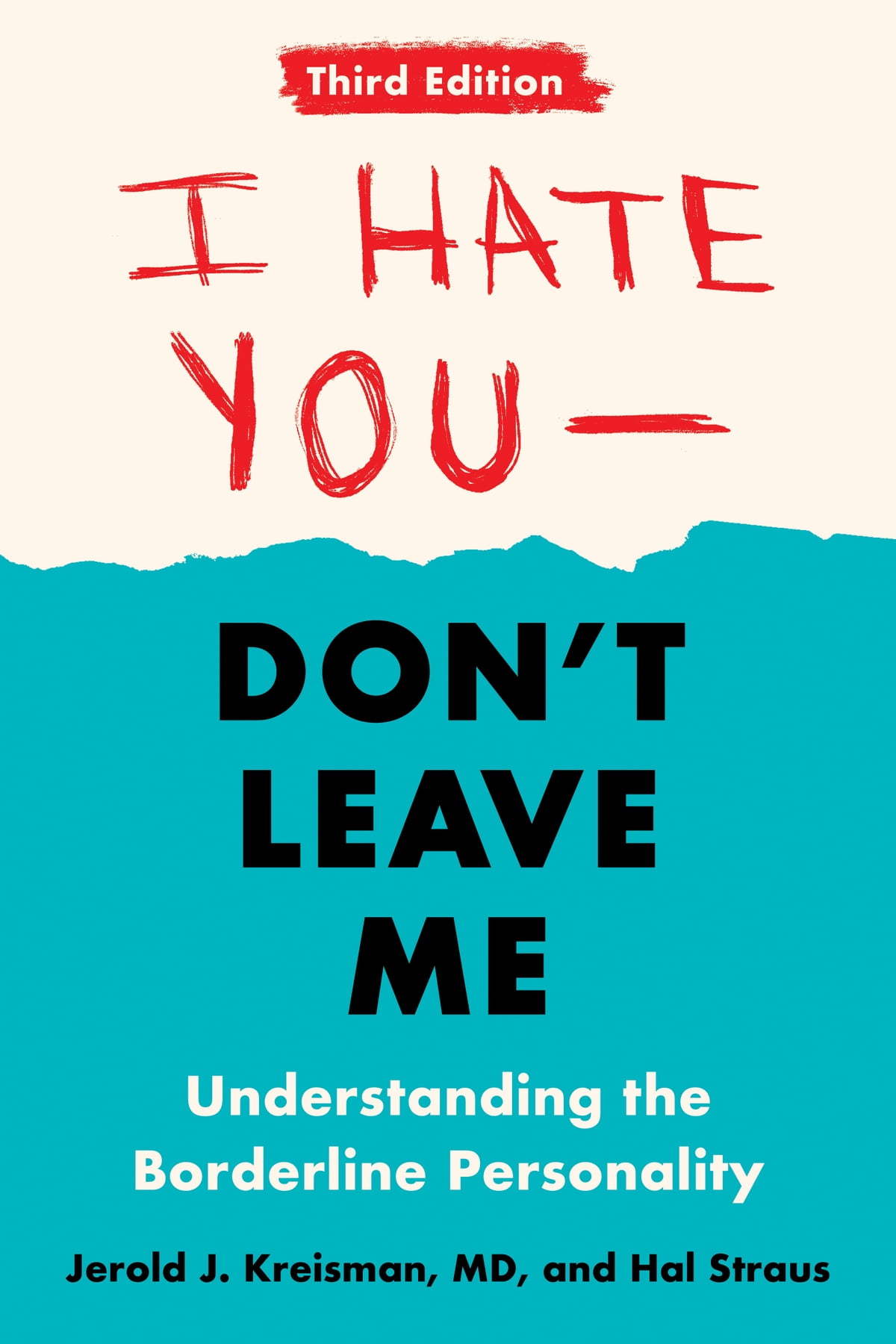
Authors: Jerold J. Kreisman and Hal Straus
An accessible introduction to BPD that explores its causes, symptoms, and treatment. It also offers practical advice for family members and loved ones trying to understand and support someone with BPD.

Authors: Alexander L. Chapman and Kim L. Gratz
A straightforward, supportive guide for people who have recently been diagnosed with BPD. It explains what the diagnosis means and includes tools for managing symptoms and building a healthier life.
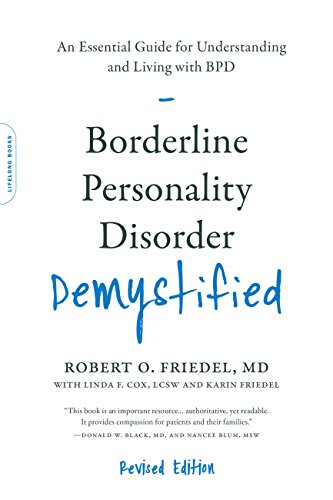
Author: Robert O. Friedel
A clear and compassionate overview of BPD. This book is helpful for individuals with BPD, their families, and mental health professionals seeking to understand the condition better.
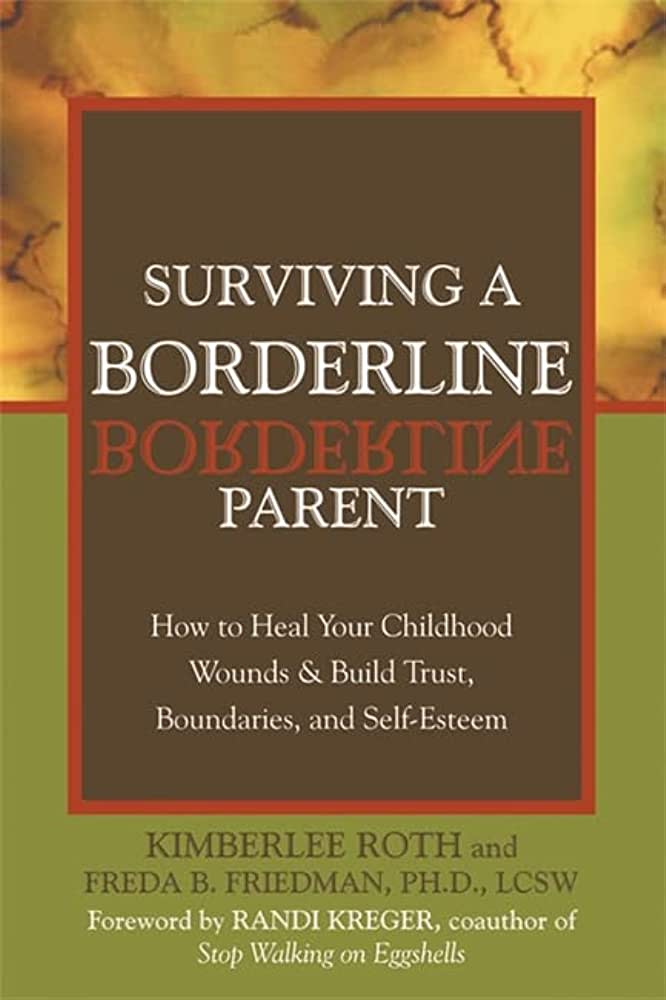
Authors: Kimberlee Roth and Freda B. Friedman
For those raised by a parent with BPD, this book offers validation, guidance, and tools for healing childhood wounds and rebuilding self-esteem and trust.
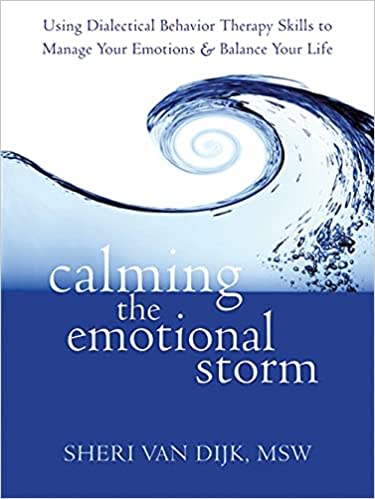
Author: Sheri Van Dijk
This book introduces readers to Dialectical Behaviour Therapy (DBT) skills and explains how to use them to regulate emotions, reduce conflict, and bring more balance to everyday life.
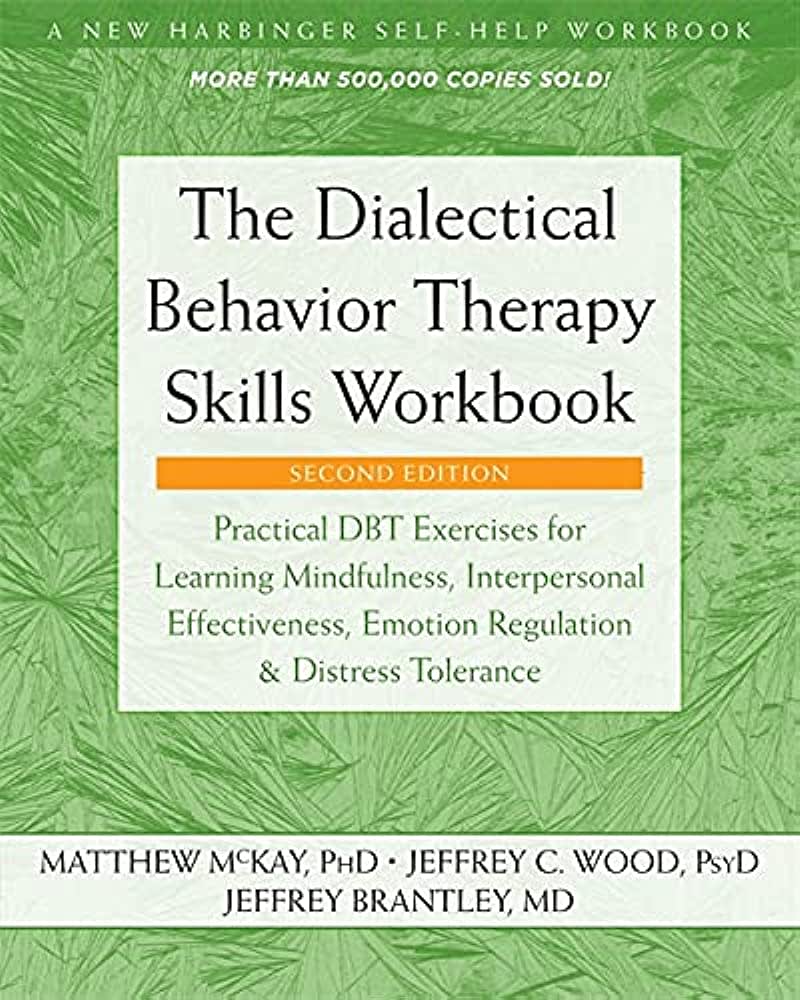
Authors: Matthew McKay, Jeffrey C. Wood, and Jeffrey Brantley
A hands-on workbook filled with practical exercises in mindfulness, emotional regulation, interpersonal effectiveness, and distress tolerance—core DBT skills for managing BPD.
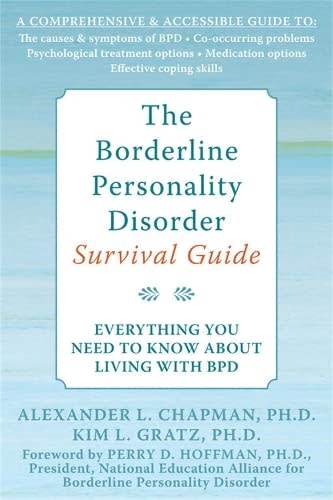
Authors: Alex L. Chapman, Kim L. Gratz, and Perry D. Hoffman
A helpful and easy-to-follow guide that covers everything from understanding symptoms to developing effective coping strategies and improving your relationships.
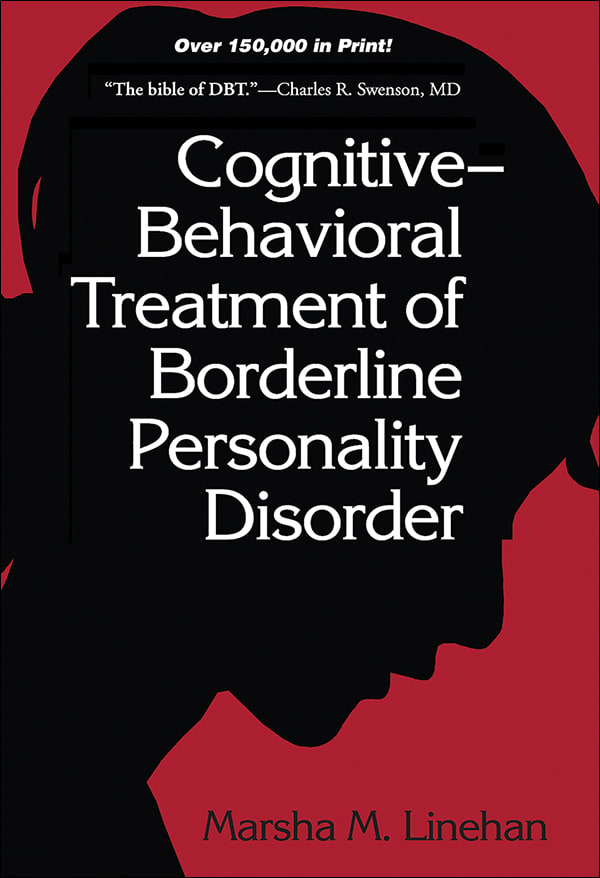
Author: Marsha M. Linehan
A foundational clinical manual for therapists using DBT to treat BPD. It outlines theory, treatment structure, and specific interventions used with clients.
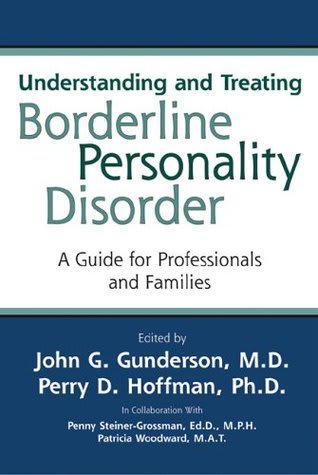
Understanding and Treating Borderline Personality Disorder: A Guide for Professionals and Families
Authors: John G. Gunderson and Perry D. Hoffman
A guide written for both professionals and families. It explains BPD in detail and provides practical advice on treatment and supporting loved ones.
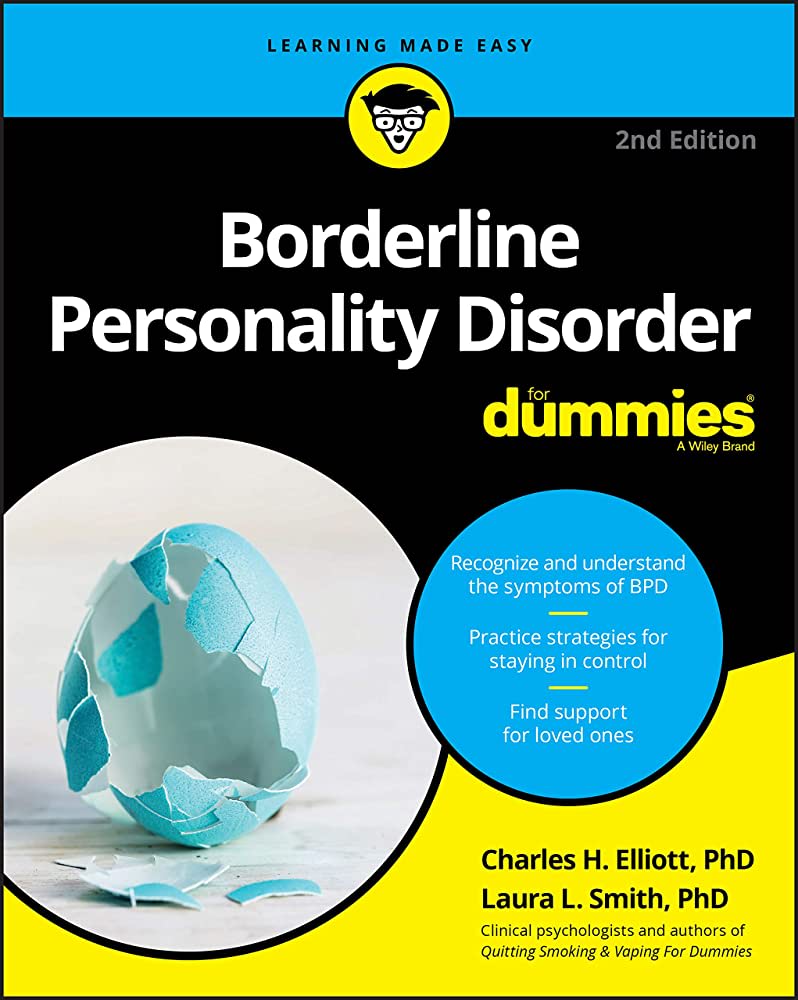
Borderline Personality Disorder For Dummies
Authors: Charles H. Elliott and Laura L. Smith
An accessible, jargon-free overview of BPD that explains symptoms, causes, treatment options, and everyday strategies for managing the disorder.

Authors: Alan E. Fruzzetti and Marsha M. Linehan
A relationship guide based on DBT principles, designed for couples who struggle with intense conflict—particularly helpful if one partner has BPD.
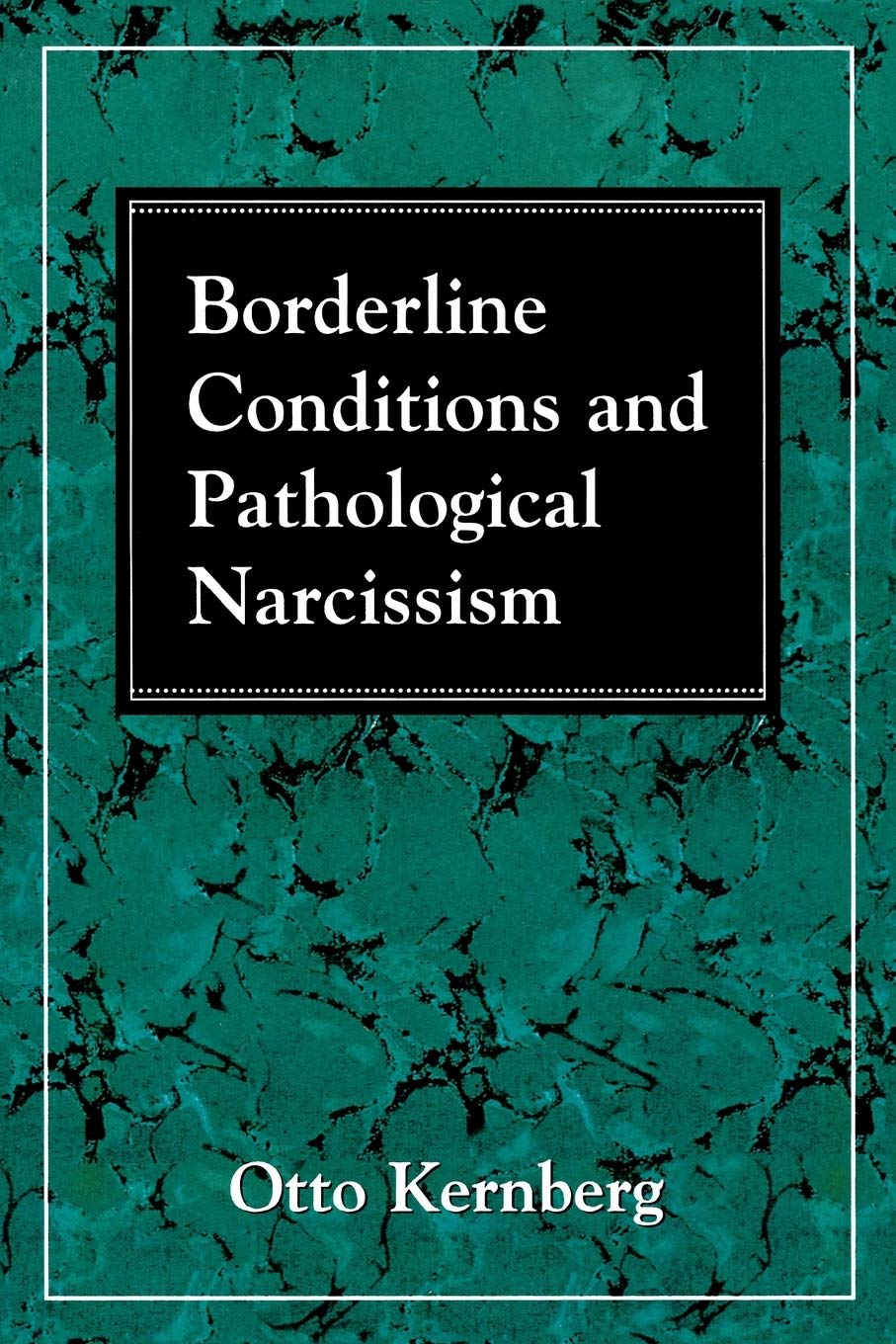
Borderline Conditions and Pathological Narcissism
Author: Otto F. Kernberg
A more advanced clinical text exploring the relationship between BPD and narcissistic traits, often used in academic and therapeutic settings.
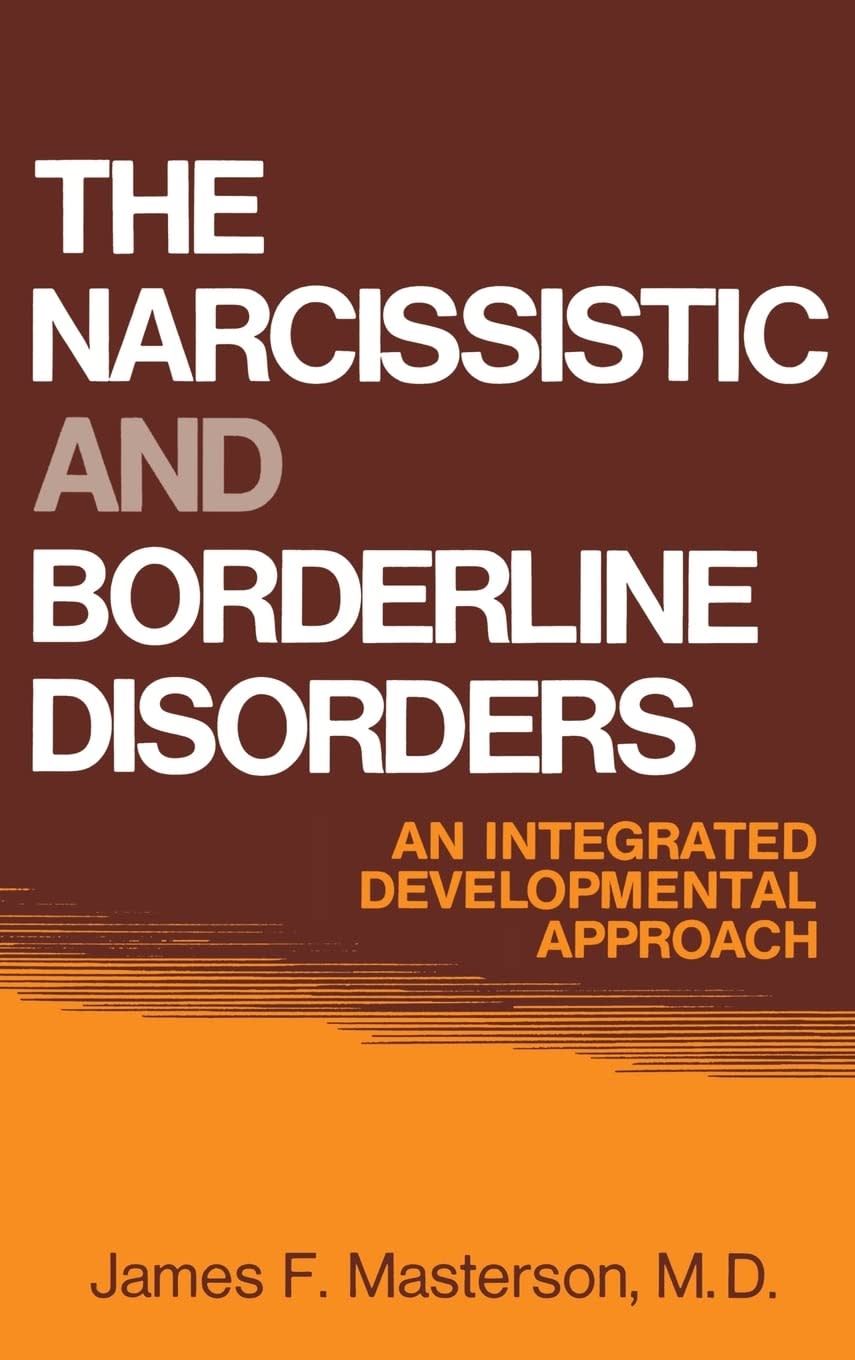
The Narcissistic and Borderline Disorders: An Integrated Developmental Approach
Author: James F. Masterson
This book offers a developmental approach to understanding and treating both borderline and narcissistic personality disorders.

Author: Paul T. Mason and Randi Kreger
A widely read guide that helps family members and partners of people with BPD set healthy boundaries, communicate effectively, and take care of their own emotional health.
Disclaimer: This resource is for information only and is not meant to replace professional advice, diagnosis, or treatment. Always talk to a licensed mental health professional or your doctor if you have questions about a mental health condition. Click here to find a therapist, psychologist, or counsellor near you.
About the Reviewer: Vincenzo Sinisi holds a MA in Clinical Psychology from the University of the Witwatersrand and has over 20 years of experience in the field. As an expert in clinical psychology and psychotherapy, Vincenzo Sinisi is a member of the HPCSA, AGPA, and IPA. His dedication to providing accurate, high-quality information and staying current with industry developments ensures that the content they review meets the highest standards of Experience, Expertise, Authoritativeness, and Trustworthiness (E-E-A-T). To learn more about Vincenzo Sinisi and his work, visit his website or connect with him on LinkedIn.
Important: TherapyRoute does not provide medical advice. All content is for informational purposes and cannot replace consulting a healthcare professional. If you face an emergency, please contact a local emergency service. For immediate emotional support, consider contacting a local helpline.
Find Therapists
Must Read
Creating Space for Growth: How Boundaries Strengthen Relationships
Setting healthy boundaries fosters respect, protects emotional well-being, and strengthens relationships by defining personal limits and maintaining self-care.
International Mutual Recognition Agreements for Mental Health Professionals
Mutual recognition agreements for mental health professions are rare and uneven, with major gaps in counselling, social work, and allied therapies. Read on to understand ...
Mental Health Licensing & Regulation in New York State: 2026 Guide
Mental Health Licensing & Regulation in Singapore: 2026 Guide
Jumping to Conclusions
Jumping to conclusions is a thinking habit where we assume the worst or make judgments without enough evidence. By recognising this pattern, therapy can help you slow dow...
About The Author

TherapyRoute
Cape Town, South Africa
“Our in-house team, including world-class mental health professionals, publishes high-quality articles to raise awareness, guide your therapeutic journey, and help you find the right therapy and therapists. All articles are reviewed and written by or under the supervision of licensed mental health professionals.”
TherapyRoute is a mental health resource platform connecting individuals with qualified therapists. Our team curates valuable mental health information and provides resources to help you find the right professional support for your needs.