Somatic Symptom Disorder


❝Experiencing real physical symptoms coupled with excessive worry and life disruption? Learn about Somatic Symptom Disorder and how therapy can help you cope.❞
Do you experience real physical symptoms – like pain, fatigue, or dizziness – that medical tests can't fully explain? Does the worry about these symptoms take over your thoughts and disrupt your life? If so, you might be dealing with Somatic Symptom Disorder (SSD).
This resource explains what SSD is, how it feels, and how therapy can offer effective ways to manage symptoms and improve your quality of life. Your symptoms are real, and so is the distress they cause; help is available.
In this Article
- What is Somatic Symptom Disorder (SSD)?
- How Does SSD Affect Daily Life?
- What Does SSD Actually Feel Like?
- What Might Contribute to SSD?
- What Else Could It Be?
- How Can You Start Helping Yourself?
- What Professional Help Looks Like?
- What Can You Do Now?
- Books to Deepen Your Understanding of Somatic Symptom Disorder
Click for more like this: Anxiety Disorder - Attachment Disorder - ADHD - Bipolar Disorder - Borderline Personality Disorder - Depression - Eating Disorder - Narcissistic Personality Disorder - Obsessive Compulsive Disorder - PTSD - Somatic Symptom Disorder - Substance Use Disorders
What is Somatic Symptom Disorder (SSD)?
Somatic Symptom Disorder involves having one or more physical symptoms that are genuinely felt and cause significant distress or problems functioning. The key isn't just the symptom itself, but the excessive thoughts, feelings, or behaviours related to it.
Think of it like this: The physical sensation (e.g., back pain, stomach issues) is real, but the reaction to it – constant worry, frequent doctor visits seeking answers, intense anxiety about illness – becomes overwhelming and disproportionate, significantly impacting daily life.
Managing anxiety is easier with the right support. TherapyRoute connects you with qualified therapists who specialise in anxiety and stress.
Find an Anxiety TherapistKey characteristics include:
- Real Physical Symptoms: Pain, fatigue, nausea, dizziness, or other bodily sensations are experienced.
- Excessive Focus: Disproportionate and persistent thoughts about the seriousness of one's symptoms.
- High Health Anxiety: Persistently high levels of anxiety about health or symptoms.
- Excessive Time/Energy: Devoting excessive time and energy to these symptoms or health concerns (e.g., repeated checking, excessive research, frequent medical appointments).
How Does SSD Affect Daily Life?
SSD can significantly interfere with daily living:
- Frequent Doctor Visits: Seeking explanations or reassurance from multiple doctors, often feeling frustrated with results.
- Strained Relationships: Loved ones may struggle to understand or feel burdened by constant health talk or limitations.
- Work/School Difficulties: Symptoms or worry about them can make it hard to concentrate, attend, or perform tasks.
- Reduced Activity: Avoiding activities due to fear of worsening symptoms or because of physical discomfort.
- Emotional Toll: Leading to frustration, anxiety, depression, and feelings of hopelessness.
- Financial Strain: Costs associated with frequent medical consultations, tests, or missed work.
What Does SSD Actually Feel Like?
Living with SSD can be confusing, isolating, and exhausting. You might:
- Experience Persistent Symptoms: Such as chronic pain, fatigue, shortness of breath, weakness, or stomach problems.
- Worry Constantly About Health: Fear that minor symptoms indicate a serious, undiagnosed illness.
- Feel Your Symptoms Are Dismissed: Frustration that doctors "can't find anything wrong" or suggest it's "all in your head." (Remember: the symptoms are real, even if a specific medical cause isn't found).
- Check Your Body Frequently: Constantly monitoring for physical changes or sensations.
- Spend Hours Researching Symptoms: Searching online for potential diagnoses, often increasing anxiety.
- Feel Anxious and Overwhelmed: High levels of general anxiety, often centred on health.
- Have Trouble Functioning: Finding it hard to engage in work, hobbies, or social life due to symptoms or worry.
- Feel Misunderstood: Difficulty explaining your experience to others.
What Might Contribute to SSD?
SSD is complex, and its causes aren't fully understood. It's likely a mix of factors:
- Heightened Sensitivity: Being more sensitive to physical sensations than others.
- Difficulty Processing Emotions: Sometimes, emotional distress (like stress, anxiety, or past trauma) can be expressed physically through bodily symptoms. The body "keeps the score."
- Learned Behaviours: Receiving attention for being ill in the past, or growing up in a family overly focused on health issues.
- Beliefs and Interpretations: A tendency to interpret normal bodily sensations as signs of serious illness (catastrophising).
- Stress: High levels of life stress can trigger or worsen physical symptoms and the worry around them.
- Past Trauma: Experiencing traumatic events can increase the risk for developing various health issues, including SSD.
- It's crucial to understand: People with SSD are not faking their symptoms. The pain and other sensations are real; the disorder lies in the excessive focus and distress surrounding them.
What Else Could It Be?
It's absolutely essential to rule out underlying medical conditions first. Always start with a thorough medical evaluation. However, SSD symptoms can overlap with:
- Actual Undiagnosed Medical Conditions: This is why comprehensive medical checks are the first step.
- Illness Anxiety Disorder (formerly Hypochondriasis): Intense fear of having a serious illness, but with few or no actual physical symptoms, or very mild ones. The focus is on the fear of illness itself.
- Conversion Disorder (Functional Neurological Symptom Disorder): Neurological symptoms (like paralysis, blindness, seizures) that can't be explained by a neurological disease.
- Anxiety Disorders (e.g., GAD, Panic Disorder): These often involve physical symptoms (racing heart, sweating, stomach issues), but the primary focus isn't typically on the symptoms themselves being signs of a specific undiagnosed illness.
- Major Depressive Disorder: Depression often includes physical symptoms like fatigue, aches, and changes in appetite or sleep.
A mental health professional can help differentiate these after medical causes are ruled out.
How Can You Start Helping Yourself?
While professional help is key, these strategies can support coping:
- Acknowledge the Mind-Body Link: Recognise that stress, thoughts, and emotions directly impact physical sensations.
- Stress Management Techniques: Practice relaxation exercises like deep breathing, mindfulness meditation, or yoga.
- Journalling: Track your symptoms, but also note your stress levels, mood, and daily events to see potential connections.
- Gentle Physical Activity: Engage in regular, gentle movement (as approved by your doctor). This can improve mood and reduce focus on symptoms.
- Improve Sleep Habits: Aim for a consistent sleep schedule and relaxing bedtime routine.
- Shift Focus: Consciously try to engage in enjoyable activities and social connections, even if symptoms are present. Reduce time spent researching symptoms online.
- Communicate Needs Clearly: Explain to loved ones how they can support you without solely focusing on symptoms.
What Professional Help Looks Like?
If you have physical symptoms causing real distress without a clear medical explanation, doctors or mental health specialists can help figure out if it might be a Somatic Symptom Disorder. They'll carefully discuss your symptoms with you and thoroughly rule out any underlying physical illnesses or other causes.
To ensure an accurate understanding, these professionals use established expert guidelines (Diagnostic and Statistical Manual of Mental Disorders, 5th edition (DSM-5), and the International Classification of Diseases, 10th Revision (ICD-10), which describe the specific patterns seen in these conditions.
This careful assessment is key, as therapy is the primary treatment for SSD.
Effective approaches include:
1. Cognitive Behavioural Therapy (CBT):
- How it works: CBT helps you identify and change unhelpful thought patterns (like catastrophic thinking about symptoms) and behaviours (like excessive checking or avoidance). It teaches coping skills for managing both symptoms and anxiety.
- Example: Learning to challenge the thought "This headache must be a brain tumor" and replacing it with a more balanced perspective, while also reducing symptom-checking behaviours.
- Goal: To reduce symptom focus, decrease health anxiety, and improve daily functioning.
2. Acceptance and Commitment Therapy (ACT):
- How it works: ACT helps you accept the presence of physical sensations without judgment or struggle. It focuses on clarifying personal values and taking committed action towards living a meaningful life, even with symptoms.
- Goal: To increase psychological flexibility and reduce the impact of symptoms on your life choices.
3. Psychodynamic Therapy:
- How it works: This therapy explores potential underlying emotional conflicts, past experiences (like trauma), or difficulties expressing emotions that might be contributing to physical symptoms.
- Goal: To gain insight into the emotional roots of symptoms and develop healthier ways of coping with emotions.
4. Collaboration with Medical Doctors:
Effective treatment often involves close communication between your therapist and your primary care doctor or specialists.
5. Medication:
While no specific medication treats SSD itself, antidepressants (like SSRIs) may be prescribed if you also have co-occurring anxiety or depression, which can help manage those related symptoms.
What Can You Do Now?
If physical symptoms and related worry are significantly impacting your life, taking action is key:
- Ensure Thorough Medical Evaluation: Continue working with your doctor to rule out or manage any underlying physical health conditions. This is the essential first step.
- Consider Your Experience: Reflect if your thoughts, feelings, and behaviours around your symptoms seem excessive or are causing major disruption, even after medical reassurance.
- Find a Qualified Therapist: Look for mental health professionals experienced in treating SSD, health psychology, or mind-body conditions. CBT is often a primary approach.
- Use TherapyRoute.com: Explore therapist profiles on therapyroute.com. Search for therapists specialising in somatic symptoms, health psychology, chronic pain/illness, or CBT.
- Reach Out for a Consultation: Contact potential therapists. Ask about their experience with SSD and their approach. Schedule an initial assessment.
- Be Patient and Open: Therapy takes time. Be open to exploring the connections between your mind, body, and life experiences. Improvement is possible.
Living with unexplained physical symptoms and intense worry is incredibly challenging, but you don't have to face it alone. Effective strategies and therapies can help you manage symptoms and reclaim your life.
Books to Deepen Your Understanding of Somatic Symptom Disorder
Looking to learn more? Below is a curated list of valuable books that offer insight into Somatic Symptom Disorder, drawing from both personal stories and clinical expertise. Whether you're a psychologist seeking a deeper understanding or someone looking for tools to manage Somatic Symptom Disorder, these books provide helpful perspectives and practical strategies.
We’re Amazon affiliates, so if you click a title and make a purchase, you’ll be supporting your own learning—and helping us continue our meaningful work.

Mind Over Medicine - REVISED EDITION: Scientific Proof That You Can Heal Yourself
Author: Lissa Rankin
This book explores how thoughts, beliefs, and emotions can affect physical health. Drawing from science and personal stories, Dr. Rankin shows how the mind-body connection plays a role in healing chronic illness, including somatic symptoms
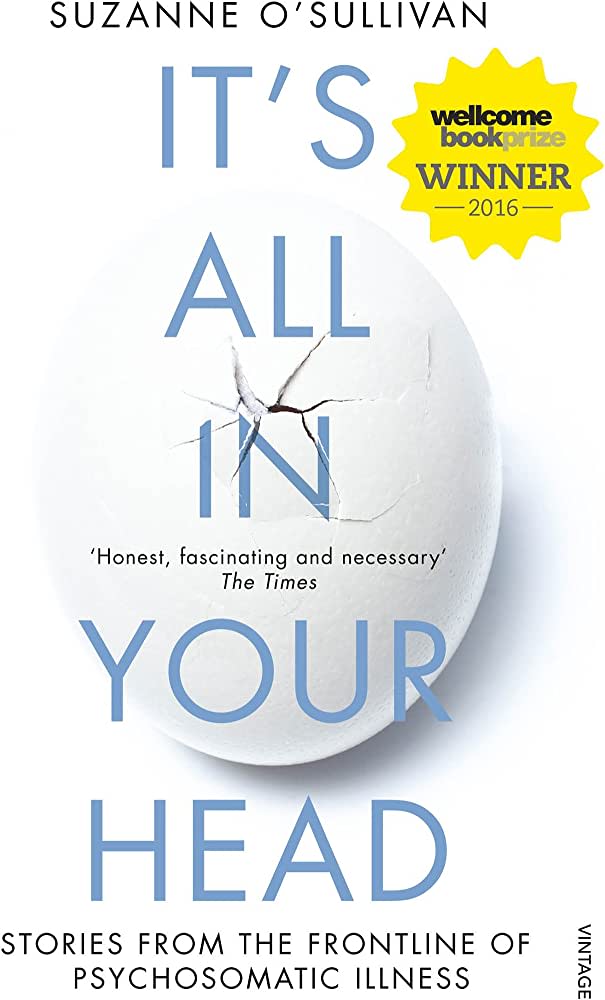
It’s All in Your Head: True Stories of Imaginary Illness
Author: Suzanne O’Sullivan
Neurologist Suzanne O’Sullivan shares real stories of people with psychosomatic illness. This book offers a compassionate look into misunderstood conditions where emotional distress appears as physical symptoms.

Ghost Boy: The Miraculous Escape of a Misdiagnosed Boy Trapped Inside His Own Body
Author: Martin Pistorius
Martin Pistorius tells the story of being misdiagnosed and locked inside his body for years. While not technically a somatic symptom disorder, this memoir highlights the importance of understanding unexplained medical conditions and the resilience of the human spirit.

Unwell: What Makes a Disease a Disease?
Author: Mike McRae
This book examines how society defines illness and health, including the role of culture and perception. It offers a broader context for understanding somatic symptom disorders and other medical mysteries.

The Body Keeps the Score: Brain, Mind, and Body in the Healing of Trauma
Author: Bessel van der Kolk
A groundbreaking book that explores how trauma is stored in the body. It explains how physical symptoms can be linked to emotional wounds—and how healing trauma can also relieve somatic symptoms.

Author: Emeran Mayer
This book explores the powerful relationship between the gut and the brain. Dr. Mayer explains how digestion and emotions are deeply linked, shedding light on physical symptoms that may have emotional roots
Disclaimer: This resource is for information only and is not meant to replace professional advice, diagnosis, or treatment. Always talk to a licensed mental health professional or your doctor if you have questions about a mental health condition. Click here to find a therapist, psychologist, or counsellor near you.
About the Reviewer: Vincenzo Sinisi holds a MA in Clinical Psychology from the University of the Witwatersrand and has over 20 years of experience in the field. As an expert in clinical psychology and psychotherapy, Vincenzo Sinisi is a member of the HPCSA, AGPA, and IPA. His dedication to providing accurate, high-quality information and staying current with industry developments ensures that the content they review meets the highest standards of Experience, Expertise, Authoritativeness, and Trustworthiness (E-E-A-T). To learn more about Vincenzo Sinisi and his work, visit his website or connect with him on LinkedIn.
Important: TherapyRoute does not provide medical advice. All content is for informational purposes and cannot replace consulting a healthcare professional. If you face an emergency, please contact a local emergency service. For immediate emotional support, consider contacting a local helpline.
Find Therapists
Must Read
Creating Space for Growth: How Boundaries Strengthen Relationships
Setting healthy boundaries fosters respect, protects emotional well-being, and strengthens relationships by defining personal limits and maintaining self-care.
International Mutual Recognition Agreements for Mental Health Professionals
Mutual recognition agreements for mental health professions are rare and uneven, with major gaps in counselling, social work, and allied therapies. Read on to understand ...
Mental Health Licensing & Regulation in New York State: 2026 Guide
Mental Health Licensing & Regulation in Singapore: 2026 Guide
Jumping to Conclusions
Jumping to conclusions is a thinking habit where we assume the worst or make judgments without enough evidence. By recognising this pattern, therapy can help you slow dow...
About The Author

TherapyRoute
Cape Town, South Africa
“Our in-house team, including world-class mental health professionals, publishes high-quality articles to raise awareness, guide your therapeutic journey, and help you find the right therapy and therapists. All articles are reviewed and written by or under the supervision of licensed mental health professionals.”
TherapyRoute is a mental health resource platform connecting individuals with qualified therapists. Our team curates valuable mental health information and provides resources to help you find the right professional support for your needs.