Narcissistic Personality Disorder (NPD)


❝Characterised by grandiosity, a need for admiration, and low empathy? Learn about NPD patterns, their impact, and how therapy can help manage traits.❞
We sometimes hear "narcissist" used casually, often describing someone seemingly self-absorbed or overly confident. However, Narcissistic Personality Disorder (NPD) is a formal mental health condition involving persistent patterns of grandiosity, a deep need for admiration, and difficulties with empathy.
This guide offers a simple explanation of NPD patterns, their impact, and how therapy might offer pathways for managing these traits and related difficulties, often focusing on underlying issues.
In this Article
Click for more like this: Anxiety Disorder - Attachment Disorder - ADHD - Bipolar Disorder - Borderline Personality Disorder - Depression - Eating Disorder - Narcissistic Personality Disorder - Obsessive Compulsive Disorder - PTSD - Somatic Symptom Disorder - Substance Use Disorders
What is NPD?
Narcissistic Personality Disorder (NPD) is a type of personality disorder characterised by a long-term, pervasive pattern of:
- Grandiosity: An inflated sense of self-importance, achievements, and talents. Expecting to be recognised as superior.
- Need for Admiration: A constant craving for attention and praise from others.
- Lack of Empathy: Difficulty recognising or identifying with the feelings and needs of others.
Think of it not just as high self-esteem, but as a pattern where self-worth feels dependent on external validation and maintaining a sense of superiority, often masking underlying insecurities.
Therapy should be personal. Therapists listed on TherapyRoute are qualified, independent, and free to answer to you – no scripts, algorithms, or company policies.
Find your therapistKey characteristics can include:
- Preoccupation with fantasies of unlimited success, power, brilliance, beauty, or ideal love.
- Believing they are "special" and unique and can only be understood by, or should associate with, other special or high-status people.
- Requiring excessive admiration.
- Having a strong sense of entitlement (unreasonable expectations of especially favourable treatment).
- Being interpersonally exploitative (taking advantage of others to achieve their own ends).
- Often being envious of others or believing that others are envious of them.
- Showing arrogant, haughty behaviours or attitudes.
NPD exists on a spectrum. Many people have narcissistic traits, but a clinical diagnosis requires these patterns to be inflexible, persistent across situations, and cause significant distress or impairment in functioning.
Correctly diagnosing NPD can be challenging because (as seen in movies that depict NPD) the symptoms of a NPD often vary among individuals and can mimic other mental health conditions.
How Does NPD Affect Daily Life?
These patterns can create significant challenges in various life areas:
- Relationships: Difficulty maintaining healthy, reciprocal relationships. Often perceived as selfish or demanding. Relationships may be superficial or end abruptly when admiration wanes or criticism arises. Intense reactions to perceived slights.
- Work/School: Ambition can drive success, but difficulty collaborating, handling criticism, or dealing with perceived competition can lead to conflicts with colleagues or superiors.
- Self-Esteem: Despite outward confidence, self-esteem can be quite fragile, highly dependent on external validation, and vulnerable to criticism.
- Handling Criticism: May react to criticism or setbacks with feelings of rage, shame, humiliation, or by becoming defensive or dismissive.
- Emotional Regulation: Potential difficulties managing frustration, disappointment, or envy.
What Does NPD Actually Feel Like?
Understanding the internal experience requires looking beyond the surface behaviours, often involving a contrast between outward presentation and inner feelings. (Note: Self-awareness can be limited).
Someone with these patterns might experience thoughts like:
- Focusing on their own perceived specialness and achievements.
- Fantasising about future success and recognition.
- Feeling misunderstood or unappreciated by those they see as "inferior."
- Feeling entitled to the best of everything.
- Difficulty seeing situations from others' perspectives.
Underlying feelings might include:
- A hidden sense of insecurity, emptiness, or shame masked by grandiosity.
- Strong feelings of envy towards others' successes or possessions.
- Intense anger or rage when challenged, criticised, or ignored (narcissistic rage).
- Feeling bored or empty when not receiving attention or admiration.
- Vulnerability to feelings of humiliation or defeat.
- Relational impact:
- A deep-seated need for others to affirm their sense of self-worth.
- Difficulty forming deep, empathetic connections.
- Being highly sensitive to perceived slights or criticism.
What Might Contribute to NPD?
There's no single cause for NPD. It's believed to develop from a complex interplay of factors:
- Genetics: Personality traits are partly inherited, and there may be a genetic predisposition.
- Neurobiology: Some research suggests potential links to brain structure and function related to empathy and regulation, but this is still being explored.
- Early Environment: Theories often point to difficulties in early caregiver relationships:
- Excessive adoration and praise that wasn't tied to reality, fostering grandiosity.
- Conversely, excessive criticism, neglect, or inconsistency, leading to a defensive need to create an inflated self-image to cope with underlying insecurity or shame.
- Unmet needs for validation leading to a lifelong search for external admiration.
It's likely a complex interaction between early temperament/biology and environmental experiences. It's not about blaming parents but understanding developmental pathways.
What Else Could It Be?
NPD traits can overlap with other conditions, making professional diagnosis important.
- Other Personality Disorders: Especially Cluster B disorders (Antisocial, Borderline, Histrionic) which share features like impulsivity, emotional intensity, or attention-seeking.
- Bipolar Disorder: Manic episodes can involve grandiosity, inflated self-esteem, and impulsivity, but this occurs in distinct episodes, whereas NPD traits are pervasive and long-standing.
- Substance Use Disorders: Substance use can sometimes inflate ego, increase impulsivity, or mimic grandiosity. They also frequently co-occur.
- ADHD: Sometimes impulsivity or difficulty with social cues might overlap, but the core grandiosity and empathy deficits are distinct.
A thorough assessment by a mental health professional experienced in personality disorders is necessary for an accurate diagnosis.
How Can You Start Helping Yourself?
Genuine self-help for NPD is very challenging due to the nature of the disorder, particularly difficulties with self-awareness and acknowledging problems. Change typically requires professional intervention and significant personal motivation, often triggered by major life consequences (e.g., job loss, relationship breakdown).
If you recognise some of these patterns in yourself and they are causing problems you want to change, these are potential starting points (best explored with therapy):
- Cultivate Self-Awareness: Try to objectively observe your thoughts, feelings, and behaviours, especially in interactions. Ask why you react certain ways. (This is difficult but foundational).
- Practice Active Listening: Intentionally focus on understanding what others are saying and feeling, rather than planning your response or turning the focus back to yourself.
- Develop Empathy: Consciously try to consider situations from others' perspectives. Ask yourself: "What might they be feeling? Why?"
- Learn to Manage Reactions to Criticism: When criticised, pause before reacting. Try to evaluate the feedback objectively, even if it feels difficult.
- Seek Honest Feedback: Ask trusted individuals (who are capable of being honest yet kind) for feedback on how your behaviour impacts them. Be prepared to listen without defensiveness (extremely difficult).
These steps require immense effort and are usually facilitated within a therapeutic relationship.
What Professional Help Looks Like?
Figuring out if someone has Narcissistic Personality Disorder (NPD) is done by mental health professionals, like psychologists or psychiatrists. They'll have a detailed conversation to understand your experiences and symptoms, and also check for other possible causes.
To ensure an accurate understanding, these experts use established guidelines (Diagnostic and Statistical Manual of Mental Disorders, 5th edition (DSM-5), and the International Classification of Diseases, 10th Revision (ICD-10), which outline the specific patterns seen in NPD.
This careful assessment is important. Treating NPD with therapy can be a long-term process and is often challenging. People with NPD might first seek help for other related issues, like depression or relationship difficulties, rather than NPD itself. Being motivated to change is really important for therapy to be helpful.
Therapy aims to help individuals:
- Understand the roots of their feelings and behaviours.
- Develop healthier ways of relating to others.
- Build more realistic self-esteem not solely dependent on external admiration.
- Learn to tolerate criticism and setbacks.
- Increase empathy.
Therapeutic approaches that may be adapted include:
1. Psychodynamic Psychotherapy:
- Explores past experiences, defence mechanisms (like grandiosity), and underlying feelings of vulnerability or shame to foster insight.
2. Schema Therapy:
- Focuses on identifying and changing long-standing negative patterns of thinking, feeling, and behaving ("schemas") that likely originated in childhood (e.g., entitlement, emotional deprivation).
3. Mentalisation-Based Treatment (MBT):
- Helps improve the capacity to understand one's own and others' mental states (thoughts, feelings, intentions), aiming to increase empathy and improve relationships.
4. Dialectical Behaviour Therapy (DBT):
- While designed for BPD, its skills modules (especially emotion regulation, distress tolerance, and interpersonal effectiveness) can be helpful in managing emotional reactivity or impulsivity sometimes seen with NPD.
5. Group Therapy:
- Can sometimes provide direct feedback on interpersonal behaviours in a structured setting, though it requires careful facilitation.
Building a trusting therapeutic relationship is crucial but can be difficult due to the core features of NPD. Progress is often slow and requires significant commitment from the individual. There are no medications that specifically treat NPD, but medication might be used for co-occurring conditions like depression or anxiety.
What Can You Do Now?
Recognising potentially problematic patterns is a first step, whether in yourself or understanding someone else.
For individuals potentially recognising patterns in themselves:
Signs it might be time to consider help:
- Persistent relationship failures, difficulties at work despite ambition, chronic feelings of emptiness or boredom, significant depression or anxiety, consequences from impulsive actions.
Next Steps:
- Honest Reflection: Reflect on the impact your behaviours have on your life and relationships. Is it causing suffering (even if just for you)?
- Consider Assessment: If motivated by negative consequences, seek an assessment from a mental health professional experienced in personality disorders.
- Explore Therapists: Use directories like therapyroute.com to find therapists with experience in psychodynamic therapy, schema therapy, or personality disorders. Be prepared for long-term work.
- Manage Expectations: Understand that change is difficult, slow, and requires sustained effort and a willingness to face uncomfortable truths.
For individuals affected by someone with NPD patterns:
Consider seeking therapy for yourself to:
- Understand the dynamics.
- Set healthy boundaries.
- Process your own feelings (frustration, hurt, confusion).
- Build self-esteem independent of the relationship.
Change related to NPD patterns is challenging but not impossible, especially when an individual becomes motivated to address the negative consequences in their life. Professional guidance is essential.
Books to Deepen Your Understanding of Narcissistic Personality Disorder
Looking to learn more? Below is a curated list of valuable books that offer insight into narcissistic personality disorder, drawing from both personal stories and clinical expertise. Whether you're a psychologist seeking a deeper understanding or someone looking for tools to navigate the challenges of narcissistic relationships, these books provide helpful perspectives and strategies.
We’re Amazon affiliates, so if you click a title and make a purchase, you’ll be supporting your own learning and helping us continue our meaningful work.
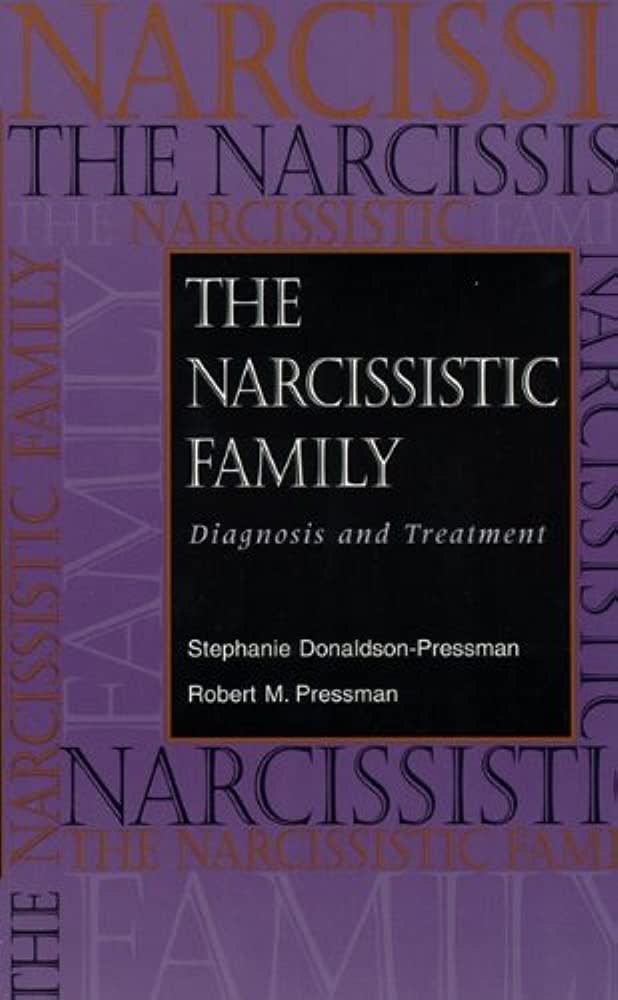
The Narcissistic Family: Diagnosis and Treatment
Authors: Stephanie Donaldson-Pressman and Robert M. Pressman
This insightful guide explains how growing up in a narcissistic family can impact a child's development and emotional well-being. It also offers tools for recognising and healing these patterns in adulthood.

Malignant Self-Love: Narcissism Revisited
Author: Sam Vaknin
Written by a self-aware narcissist, this book offers a detailed, first-person perspective on the inner world of narcissism—its causes, traits, and how it can be managed.
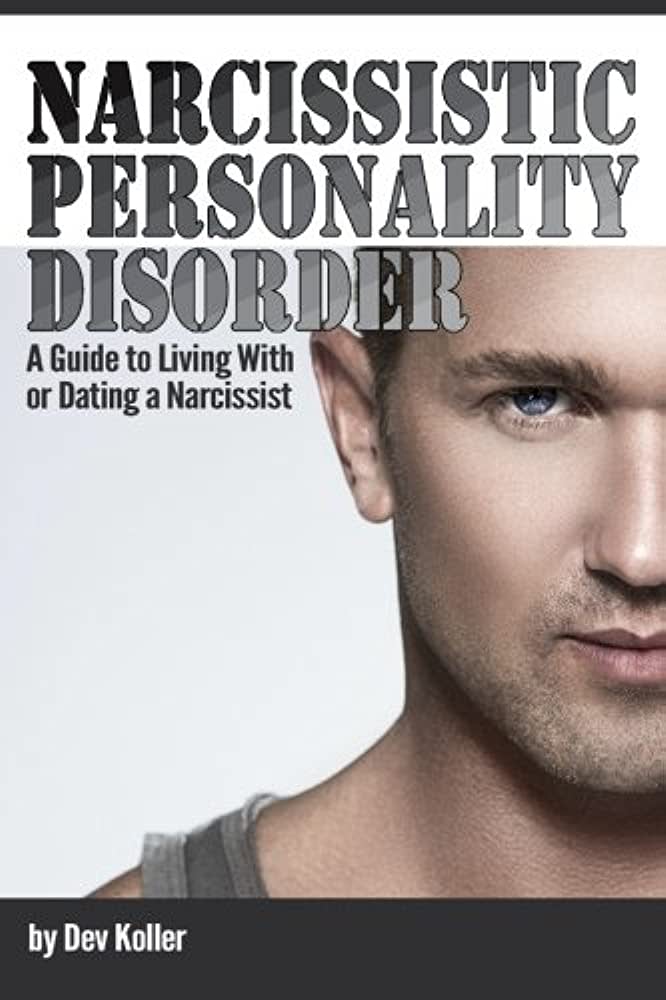
Narcissistic Personality Disorder: A Guide to Living With or Dating a Narcissist
Author: Dr Laura Gray
This practical guide helps readers understand the behaviours of someone with NPD and provides tools for setting boundaries and maintaining emotional health in relationships.

Disarming the Narcissist: Surviving and Thriving with the Self-Absorbed
Author: Wendy T. Behary
Using empathy and assertiveness, this book teaches effective strategies for managing relationships with narcissists—particularly useful for those who can’t easily walk away.

The Object of My Affection Is in My Reflection: Coping with Narcissists
Author: Rokelle Lerner
This book explores how narcissists affect those closest to them and offers empowering tools for recovery and boundary-setting.

When Love Is a Lie: Narcissistic Partners & the Pathological Relationship Agenda
Author: Zari Ballard
A candid, personal look at the experience of being in a relationship with a narcissist—offering clarity, validation, and a path toward healing.

Author: Eleanor D. Payson
This guide helps readers recognise narcissistic patterns in all areas of life and offers practical ways to protect themselves and regain balance.

The Narcissism Epidemic: Living in the Age of Entitlement
Author: Jean M. Twenge and W. Keith Campbell
An engaging look at how our culture promotes narcissism—and what that means for society, relationships, and the next generation.

Narcissistic Lovers: How to Cope, Recover and Move On
Author: Cynthia Zayn and Kevin Dibble
Focused on romantic relationships, this book helps readers recognise narcissistic abuse, rebuild self-worth, and find a way forward.

The Sociopath Next Door
Author: Martha Stout
Though not specifically about NPD, this bestseller explores the behaviours of sociopaths—many of which overlap with narcissism—and helps readers spot toxic traits in everyday life.

Why Is It Always About You?: The Seven Deadly Sins of Narcissism
Author: Sandy Hotchkiss
This reader-friendly book outlines the core traits of narcissism and explains how these behaviours play out in personal relationships.

The Narcissist You Know: Defending Yourself Against Extreme Narcissists in an All-About-Me Age
Author: Joseph Burgo
This book explains the different types of extreme narcissists and how to handle their manipulation, criticism, and emotional abuse.

The Selfishness of Others: An Essay on the Fear of Narcissism
Author: Kristin Dombek
A thought-provoking essay that examines our growing fear of narcissism and how it affects how we see others—and ourselves.
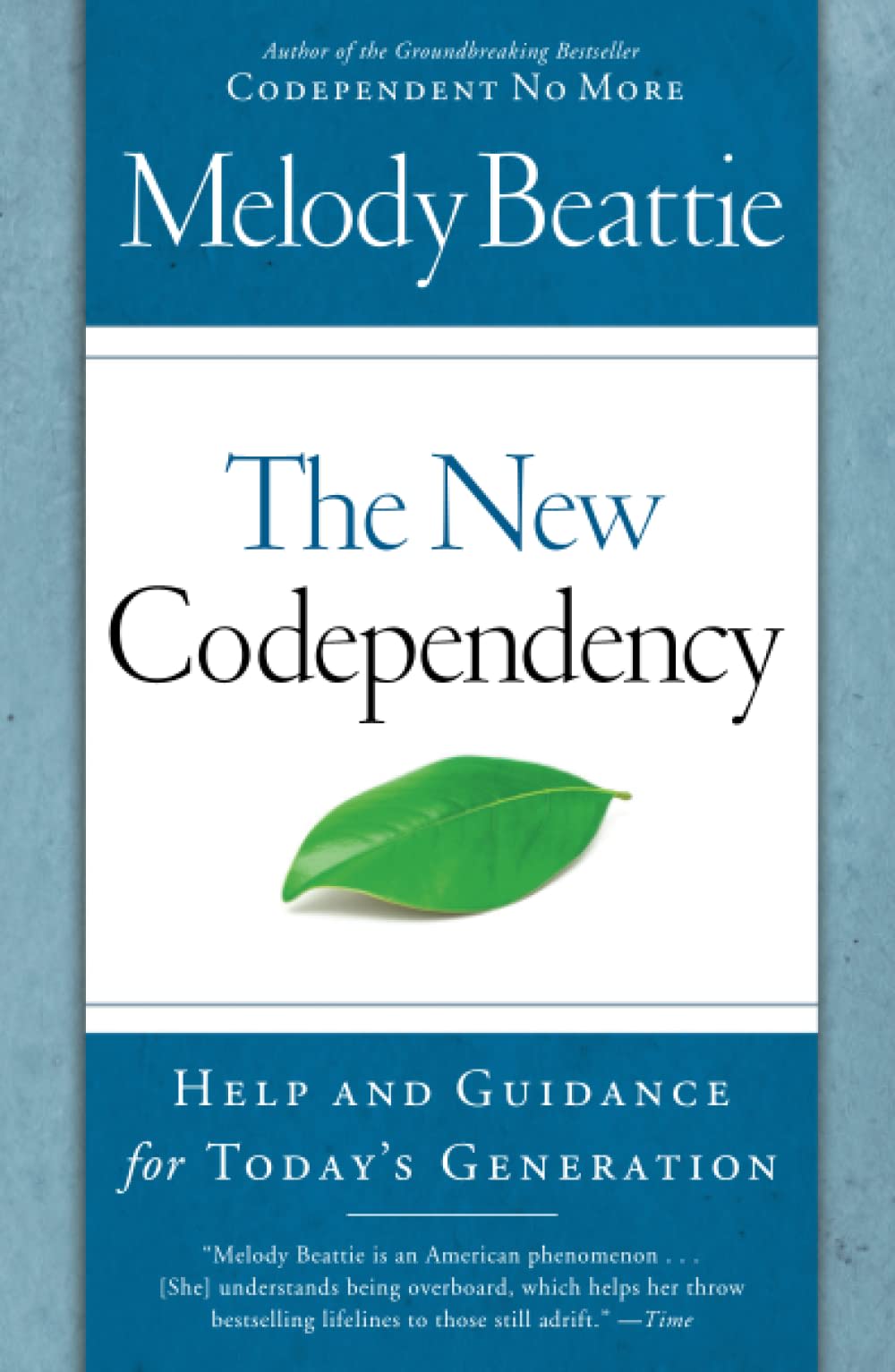
The New Codependency: Help and Guidance for Today’s Generation
Author: Melody Beattie
This follow-up to Codependent No More explores how codependency often shows up in relationships with narcissists and offers tools for healing.

The Drama of the Gifted Child: The Search for the True Self
Author: Alice Miller
A powerful classic that explores how children raised by narcissistic or emotionally unavailable parents may lose touch with their authentic selves—and how to reclaim it.
Disclaimer: This resource is for information only and is not meant to replace professional advice, diagnosis, or treatment. Always talk to a licensed mental health professional or your doctor if you have questions about a mental health condition. Click here to find a therapist, psychologist, or counsellor near you.
About the Reviewer: Vincenzo Sinisi holds a MA in Clinical Psychology from the University of the Witwatersrand and has over 20 years of experience in the field. As an expert in clinical psychology and psychotherapy, Vincenzo Sinisi is a member of the HPCSA, AGPA, and IPA. His dedication to providing accurate, high-quality information and staying current with industry developments ensures that the content they review meets the highest standards of Experience, Expertise, Authoritativeness, and Trustworthiness (E-E-A-T). To learn more about Vincenzo Sinisi and his work, visit his website or connect with him on LinkedIn.
Important: TherapyRoute does not provide medical advice. All content is for informational purposes and cannot replace consulting a healthcare professional. If you face an emergency, please contact a local emergency service. For immediate emotional support, consider contacting a local helpline.
Find Therapists
Must Read
Creating Space for Growth: How Boundaries Strengthen Relationships
Setting healthy boundaries fosters respect, protects emotional well-being, and strengthens relationships by defining personal limits and maintaining self-care.
International Mutual Recognition Agreements for Mental Health Professionals
Mutual recognition agreements for mental health professions are rare and uneven, with major gaps in counselling, social work, and allied therapies. Read on to understand ...
Therapy for children and teenagers: statistics worldwide
How well psychological therapy works for children and teenagers, for which problems, with or without medication and parents, online or face to face, and in countries arou...
Cancer and mental health statistics worldwide
How common depression and anxiety are among people with cancer in six world regions, how measurement changes the figures, and how symptoms change over time.
Anger and intermittent explosive disorder statistics worldwide
How common intermittent explosive disorder is across six world regions, in adults and young people, what conditions come with it and how rarely anger is treated.
About The Author

TherapyRoute
Cape Town, South Africa
“Our in-house team, including world-class mental health professionals, publishes high-quality articles to raise awareness, guide your therapeutic journey, and help you find the right therapy and therapists. All articles are reviewed and written by or under the supervision of licensed mental health professionals.”
TherapyRoute is a mental health resource platform connecting individuals with qualified therapists. Our team curates valuable mental health information and provides resources to help you find the right professional support for your needs.