Attention-deficit/hyperactivity disorder - ADHD


❝Feel like your brain is always buzzing or jumping between tasks? Learn about ADHD, how it feels, and how therapy can help you manage challenges and thrive.❞
Does life sometimes feel like trying to tune into one radio station while dozens are playing at full volume? If you or someone you care about struggles with focus, restlessness, or acting on impulse, understanding ADHD (Attention-Deficit/Hyperactivity Disorder) is the first step.
This resource explains ADHD simply and explores how therapy can be a powerful tool for navigating its challenges. You're not alone, and support is available.
- What is ADHD?
- How Does ADHD Affect Daily Life?
- What Does ADHD Actually Feel Like?
- What Might Contribute to ADHD?
- What Else Could It Be?
- How Can You Start Helping Yourself?
- What Professional Help Looks Like?
- What Can You Do Now?
- Books to Deepen Your Understanding of ADHD
Click for more like this: Anxiety Disorder - Attachment Disorder - ADHD - Bipolar Disorder - Borderline Personality Disorder - Depression - Eating Disorder - Narcissistic Personality Disorder - Obsessive Compulsive Disorder - PTSD - Somatic Symptom Disorder - Substance Use Disorders
What is ADHD?
ADHD is a neurodevelopmental condition. That means it affects how the brain grows and works. It's not about being lazy or undisciplined.
ADHD doesn't look the same for everyone. It can show up in a few main ways:
Adolescence is a turbulent time. Find a therapist who specialises in working with teens and young people.
Find a teen therapist1. Mainly Inattentive ADHD
When ADHD is mostly inattentive, it's mainly about having a tough time paying attention. It can be hard to stay focused, finish tasks, or keep things organised. Sometimes, this type is harder to spot, especially in girls and women, because it might not involve the more outwardly disruptive behaviours people sometimes expect.
Someone with this type might often:
- Have trouble focusing on details.
- Get lost in their thoughts or easily lose track of conversations.
- Frequently misplace things they need, like keys or homework.
- Get easily sidetracked by things happening around them.
- Be forgetful in their day-to-day activities.
- Struggle to finish tasks, or start many things without completing them.
2. Mainly Hyperactive-Impulsive ADHD
With this type, it's more about feeling restless and acting quickly, often without thinking things all the way through. It can be a real challenge to sit still, wait your turn, or control impulses. This is often what people first picture when they think of ADHD, particularly in children.
Someone with this type might often:
- Fidget a lot, tap their hands or feet, or squirm in their seat.
- Find it very hard to stay seated when they're expected to.
- Interrupt others when they're talking or blurt out answers.
- Have a lot of difficulty waiting for their turn.
- Feel like they're constantly "on the go" or driven by a motor.
3. Combined Type ADHD
This is actually the most common way ADHD shows up. It means someone experiences a clear mix of both inattentive symptoms (like trouble focusing) and hyperactive-impulsive symptoms (like restlessness and acting quickly). For example, a child might struggle to pay attention during class but also find it nearly impossible to sit still during quiet reading time.
How Does ADHD Affect Daily Life?
ADHD isn't just about focus; it can ripple through many parts of life:
- School/Work: Difficulty meeting deadlines, organising projects, staying on task during lectures or meetings, procrastination.
- Relationships: Challenges with listening, remembering important details, managing frustration or impulsive comments, leading to misunderstandings.
- Self-Esteem: Feeling "different," frustrated by struggles, receiving criticism, which can lead to feelings of inadequacy or failure.
- Daily Tasks: Trouble managing finances, keeping living spaces tidy, remembering appointments, maintaining routines.
- Emotional Regulation: Experiencing emotions intensely, having quick shifts in mood, or difficulty managing frustration.
What Does ADHD Actually Feel Like?
Living with ADHD can feel different from person to person, but here are some common experiences:
- A Busy Brain: It might feel like your thoughts are racing or bouncing between topics uncontrollably.
- Overwhelm: Simple tasks can feel huge and daunting, making it hard to know where to start.
- Restlessness: A persistent feeling of needing to move, fidget, or do something, even when you want to relax.
- "Zoning Out": Finding your mind wandering frequently, even when you're trying hard to pay attention.
- Intense Focus (Hyperfocus): Sometimes, you might become deeply absorbed in something interesting, losing track of time and everything else around you.
- Frustration: Feeling annoyed with yourself for forgetting things, making mistakes, or not meeting expectations (yours or others').
- Sensitivity: You might feel emotions very strongly or be sensitive to criticism or rejection (sometimes called Rejection Sensitive Dysphoria).
- Impulse Battles: Constantly fighting the urge to blurt things out, interrupt, or act without thinking through consequences.
What Might Contribute to ADHD?
The exact causes aren't fully known, but it's understood to be complex. Key factors include:
- Brain Differences: ADHD is strongly linked to differences in brain structure, function, and chemistry (especially involving neurotransmitters like dopamine and norepinephrine). It's neurological, not a character flaw.
- Genetics: ADHD often runs in families. If a parent or sibling has it, the chances are higher for others in the family.
- Environmental Factors: Certain factors during pregnancy or early childhood (like exposure to toxins or premature birth) might play a role in some cases, often interacting with genetic predispositions.
ADHD is not caused by bad parenting, laziness, too much sugar, or video games. It's a complex interplay, primarily rooted in neurobiology and genetics.
What Else Could It Be?
Sometimes, symptoms of ADHD can look like or overlap with other conditions. It's important to get a proper assessment because:
- Anxiety Disorders: Worry and restlessness in anxiety can sometimes resemble ADHD hyperactivity or inattention caused by worry.
- Depression: Lack of motivation, difficulty concentrating, and fatigue in depression can overlap with ADHD symptoms.
- Learning Disabilities: Specific challenges in reading (dyslexia) or math (dyscalculia) can affect school performance, sometimes co-occurring with ADHD.
- Autism Spectrum Disorder (ASD): While different, both ADHD and ASD can involve challenges with social interaction, sensory sensitivities, or intense interests. Sometimes they co-occur.
- Sleep Problems: Lack of quality sleep can worsen attention and impulsivity, mimicking ADHD symptoms.
A thorough assessment by a qualified professional (like a psychologist, psychiatrist, or paediatrician) is crucial to figure out what's going on and get the right support.
How Can You Start Helping Yourself?
While professional help is often key, you can try strategies to manage ADHD symptoms:
- Create Structure: Use planners, calendars, apps, and reminders to organise tasks and appointments. Break big tasks into smaller, manageable steps.
- Build Routines: Predictable schedules for waking up, meals, work/study, and bedtime can reduce chaos and decision fatigue.
- Minimise Distractions: Identify what distracts you (phone notifications, noisy environment) and find ways to reduce them when you need to focus.
- Use Timers: Set timers for tasks (e.g., work for 25 minutes, then take a 5-minute break – the Pomodoro Technique) to improve focus and manage time.
- Incorporate Movement: Regular physical activity can help manage restlessness, improve focus, and boost mood. Even short breaks for walks can help.
- Externalise Information: Write things down! Use lists, sticky notes, or whiteboards. Don't rely solely on memory.
- Practice Mindfulness (Basics): Simple exercises like focusing on your breath for a minute can help train attention and reduce impulsivity over time.
- Self-Compassion: Be kind to yourself. Acknowledge the challenges ADHD presents without blaming yourself. Celebrate small wins!
What Professional Help Looks Like?
Diagnosing ADHD requires a comprehensive evaluation. ADHD is not diagnosed through a simple test but through a detailed process that includes input from multiple sources, such as teachers, family members, and the individual. Healthcare providers typically follow the DSM-5 criteria, which outline specific symptoms that must be present for at least six months and cause significant impairment in two or more settings (such as home and school/work).
Therapy can provide strategies, skills, and support tailored to ADHD. Common effective approaches include:
1. Psychoeducation: Learning about ADHD is empowering. Understanding how your brain works helps you make sense of your experiences and reduces self-blame.
2. Behavioural Therapy & ADHD Coaching: Focuses on practical skills. This might involve learning techniques for:
- Organisation and planning: Setting up systems that work for you.
- Time management: Learning to estimate time, prioritise, and beat procrastination.
- Problem-solving: Breaking down challenges into manageable steps.
3. Cognitive Behavioural Therapy (CBT): Helps you identify and challenge unhelpful thought patterns related to ADHD (like "I always mess up" or "I can't do this"). It also teaches skills for:
- Emotional regulation: Managing frustration, impatience, or mood swings.
- Impulse control: Developing strategies to pause before acting.
4. Family Therapy or Parent Training (especially for children/teens): Helps families understand ADHD, improve communication, and develop effective strategies together. Parents learn ways to support their child's needs positively.
5. Mindfulness-Based Approaches: Teaches awareness of thoughts, feelings, and sensations without judgment, which can improve focus and emotional regulation.
6. Medication: Often used alongside therapy. Stimulant or non-stimulant medications prescribed by a doctor or psychiatrist can help improve focus, reduce impulsivity, and manage hyperactivity for many people. Therapy helps you build skills to manage symptoms medication may not fully address.
What Can You Do Now?
If ADHD symptoms are significantly impacting your life, work, relationships, or well-being, it's a good time to seek professional support.
Here are concrete steps you can take:
- Learn More: Continue reading reputable sources about ADHD. Understanding is power.
- Talk to Someone Trusted: Share your experiences and concerns with a supportive friend, family member, or partner.
- Consult Your Doctor: Discuss your symptoms with your General Practitioner (GP). They can provide initial guidance and referrals.
- Seek a Professional Assessment: Look for psychologists, psychiatrists, or paediatricians experienced in diagnosing ADHD. A formal diagnosis clarifies the situation and guides treatment.
- Explore Therapists: Use directories like TherapyRoute.com to find qualified mental health professionals (like psychologists or therapists) who specialise in ADHD. Look for therapists whose approach resonates with you.
- Reach Out: Contact a potential therapist for an initial consultation to see if it feels like a good fit. Finding the right person is important.
Living with ADHD has its challenges, but with the right understanding, strategies, and support, you can absolutely manage symptoms, harness your strengths, and lead a fulfilling life. Taking the step to seek help is a sign of strength.
Books to Deepen Your Understanding of ADHD
Looking to learn more? Below is a curated list of valuable books that offer insight into ADHD, drawing from both personal experiences and clinical expertise. Whether you're a psychologist seeking a deeper understanding or someone looking for tools to manage ADHD, these books provide helpful perspectives and strategies.
We’re Amazon affiliates, so if you click a title and make a purchase, you’ll be supporting your own learning and helping us continue our meaningful work.
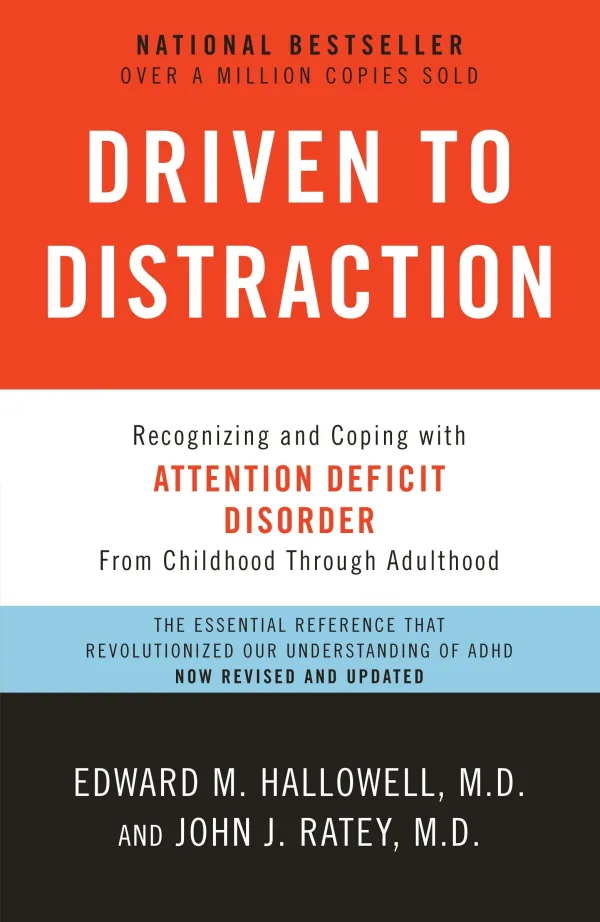
Driven to Distraction (Revised): Recognising and Coping with Attention Deficit Disorder
Authors: Edward M. Hallowell and John J. Ratey
This classic book explores the many faces of ADHD through real-life stories, case studies, and helpful strategies. It explains how ADHD affects children and adults and offers practical tools for managing symptoms.
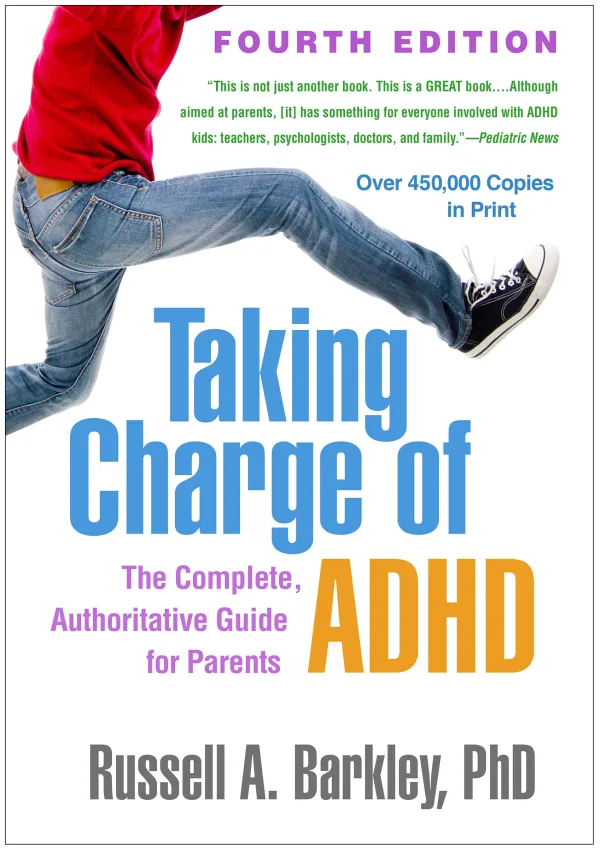
Taking Charge of ADHD: The Complete, Authoritative Guide for Parents
Author: Russell A. Barkley
A go-to guide for parents of children with ADHD, this book covers everything from diagnosis to treatment. It includes parenting strategies, behaviour plans, and advice for working with teachers and doctors.

Women with Attention Deficit Disorder: Embrace Your Differences and Transform Your Life
Author: Sari Solden
This book focuses on the unique challenges women face with ADHD. Through personal stories and expert guidance, it helps women understand how ADHD affects their lives and how to embrace their strengths.

ADHD in Adults: What the Science Says
Author: Russell A. Barkley
Grounded in the latest research, this book explains how ADHD shows up in adults. It covers symptoms, diagnosis, and treatment, as well as practical strategies for daily life.

Author: Martin Kutscher
Written in a friendly and easy-to-understand style, this book explains ADHD in children and offers helpful advice for parents, teachers, and caregivers on managing behaviours and building skills.

The ADHD Effect on Marriage: Understand and Rebuild Your Relationship in Six Steps
Author: Melissa Orlov
This book offers relationship advice for couples where one partner has ADHD. It provides tools to improve communication, reduce conflict, and build a stronger partnership.

The Disorganised Mind: Coaching Your ADHD Brain to Take Control of Your Time, Tasks, and Talents
Author: Nancy A. Ratey
Focusing on adults with ADHD, this book offers coaching strategies to improve time management, planning, and organisation, helping readers achieve personal and professional goals.

ADHD and Me: What I Learned from Lighting Fires at the Dinner Table
Author: Blake E.S. Taylor
This honest and funny memoir, written by a teenager, shares what it’s like to grow up with ADHD. It includes tips and encouragement for other teens facing similar challenges.
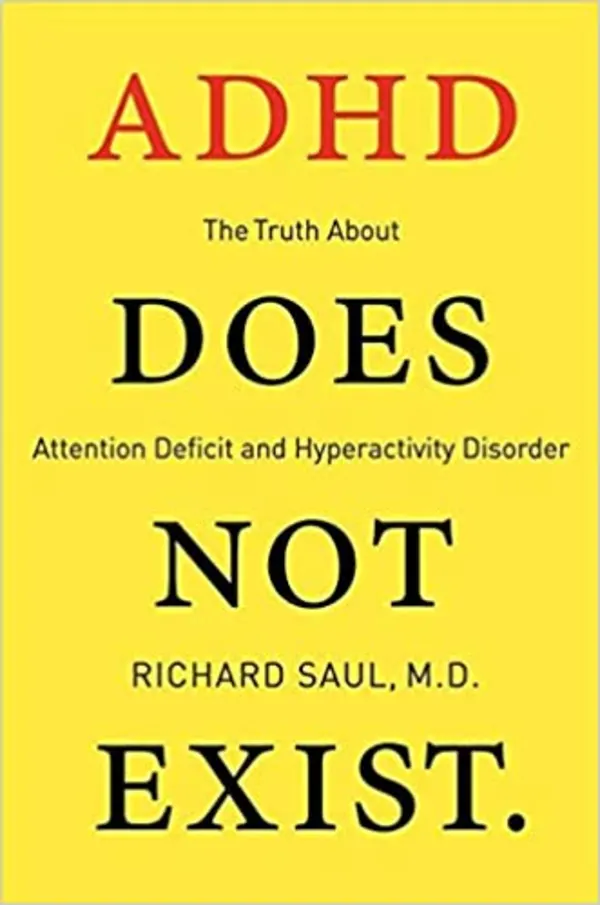
ADHD Does Not Exist: The Truth About Attention Deficit and Hyperactivity Disorder
Author: Richard Saul
This controversial book argues that ADHD is often misdiagnosed and explores other possible causes of attention and behaviour issues.
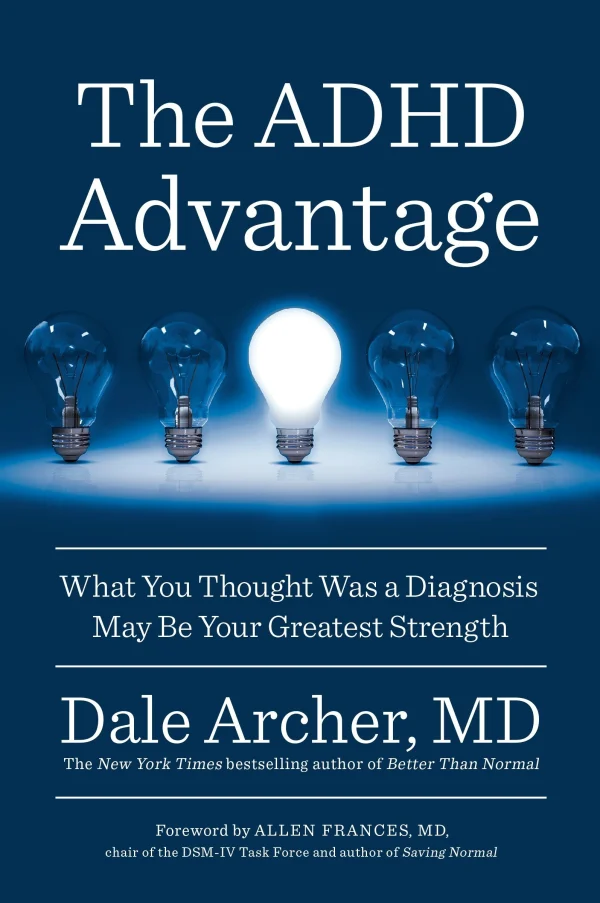
The ADHD Advantage: What You Thought Was a Diagnosis May Be Your Greatest Strength
Author: Dale Archer
This book highlights the benefits of having an ADHD brain and encourages readers to recognise how traits like creativity, energy, and resilience can become strengths.

Taking Charge of Adult ADHD: Proven Strategies to Succeed at Work, at Home, and in Relationships
Author: Russell A. Barkley
This guide helps adults with ADHD understand their symptoms and learn tools to manage time, stay organised, and build better relationships.
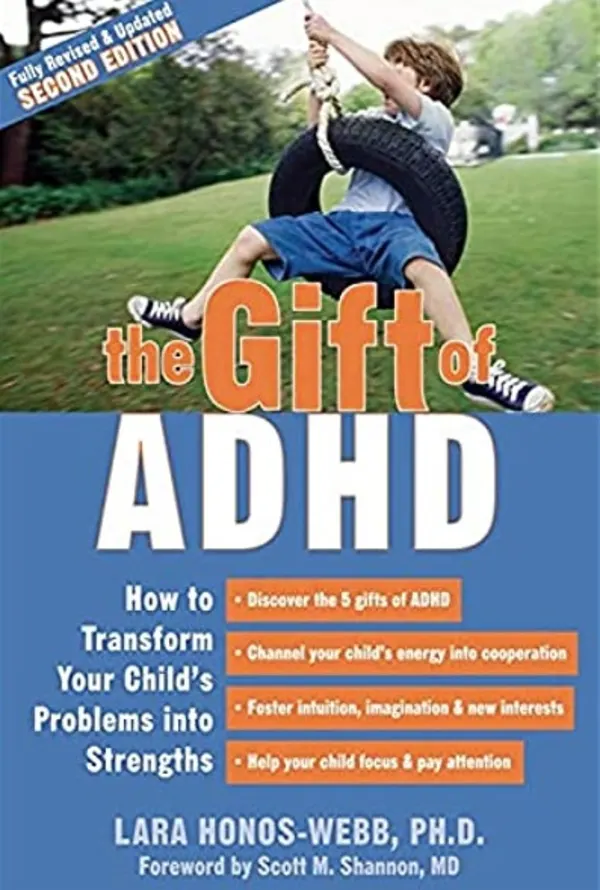
The Gift of ADHD: How to Transform Your Child’s Problems into Strengths
Author: Lara Honos-Webb
Offering a positive take on ADHD, this book helps parents see their child’s unique abilities and turn common ADHD challenges into opportunities for growth.

ADHD Nation: Children, Doctors, Big Pharma, and the Making of an American Epidemic
Author: Alan Schwarz
This investigative book explores how ADHD became one of the most commonly diagnosed conditions in the U.S. It looks at the roles of schools, doctors, and the pharmaceutical industry.

Fidget to Focus: Outwit Your Boredom: Sensory Strategies for Living with ADHD
Authors: Roland Rotz and Sarah D. Wright
This book offers creative, body-based techniques for managing boredom, focus, and restlessness—perfect for people who think better when they’re in motion.
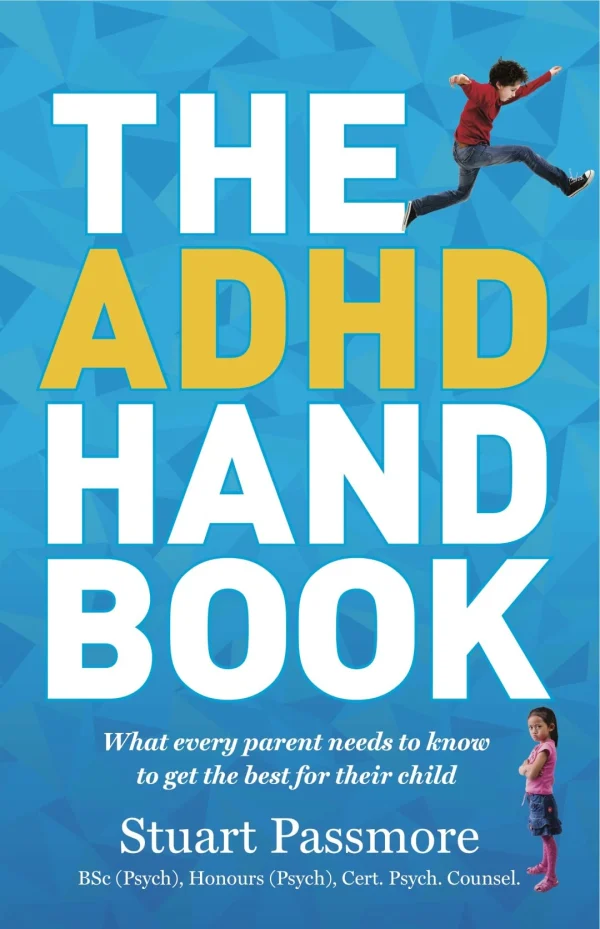
The ADHD Handbook: What Every Parent Needs to Know to Get the Best for Their Child
Author: Stuart Passmore
This practical guide covers everything from getting a diagnosis to working with schools and healthcare providers. It’s a great starting point for parents navigating ADHD.

ADHD According to Zoë: The Real Deal on Relationships, Finding Your Focus & Finding Your Keys
Author: Zoë Kessler
In this relatable and witty book, Zoë Kessler shares her experience as a woman diagnosed with ADHD in adulthood. She offers insights into dating, work, and self-care, backed by research and expert input.
Disclaimer: This resource is for information only and is not meant to replace professional advice, diagnosis, or treatment. Always talk to a licensed mental health professional or your doctor if you have questions about a mental health condition. Click here to find a therapist, psychologist, or counsellor near you.
About the Reviewer: Vincenzo Sinisi holds a MA in Clinical Psychology from the University of the Witwatersrand and has over 20 years of experience in the field. As an expert in clinical psychology and psychotherapy, Vincenzo Sinisi is a member of the HPCSA, AGPA, and IPA. His dedication to providing accurate, high-quality information and staying current with industry developments ensures that the content they review meets the highest standards of Experience, Expertise, Authoritativeness, and Trustworthiness (E-E-A-T). To learn more about Vincenzo Sinisi and his work, visit his website or connect with him on LinkedIn.
Important: TherapyRoute does not provide medical advice. All content is for informational purposes and cannot replace consulting a healthcare professional. If you face an emergency, please contact a local emergency service. For immediate emotional support, consider contacting a local helpline.
Find Therapists
Must Read
Creating Space for Growth: How Boundaries Strengthen Relationships
Setting healthy boundaries fosters respect, protects emotional well-being, and strengthens relationships by defining personal limits and maintaining self-care.
International Mutual Recognition Agreements for Mental Health Professionals
Mutual recognition agreements for mental health professions are rare and uneven, with major gaps in counselling, social work, and allied therapies. Read on to understand ...
Adverse childhood experiences statistics worldwide
How many people report adverse childhood experiences such as abuse, neglect and family violence, worldwide and in countries on five continents, who is most affected, and ...
Parental burnout statistics worldwide
How many parents experience parental burnout, how the figures differ between countries, how mothers, new parents and parents under pressure are affected, and which forms ...
Suicide statistics worldwide
Where to find help, what the evidence says about preventing suicide, and what the World Health Organization's latest estimates show worldwide, by region and by country, p...
About The Author

TherapyRoute
Cape Town, South Africa
“Our in-house team, including world-class mental health professionals, publishes high-quality articles to raise awareness, guide your therapeutic journey, and help you find the right therapy and therapists. All articles are reviewed and written by or under the supervision of licensed mental health professionals.”
TherapyRoute is a mental health resource platform connecting individuals with qualified therapists. Our team curates valuable mental health information and provides resources to help you find the right professional support for your needs.