
Obsessive Compulsive Disorder

❝Feel stuck in a mental loop you can’t escape? For people with OCD, this isn’t just a passing feeling — it’s a daily struggle. Learn what OCD really is, what it feels like, and how effective therapy can help break the cycle.❞
Ever feel like your brain gets stuck on a loop, playing a worrying thought or urge over and over? For people with Obsessive Compulsive Disorder (OCD), this feeling can be intense and overwhelming, significantly disrupting daily life.
This resource explains what OCD is, how it feels, and how effective therapies can help you regain control and find relief. You're not alone, and help is available.
- What is OCD?
- How Does OCD Affect Daily Life?
- What Does OCD Actually Feel Like?
- What Might Contribute to OCD?
- What Else Could It Be?
- How Can You Start Helping Yourself?
- What Professional Help Looks Like?
- What Can You Do Now?
- Books to Deepen Your Understanding of Obsessive-Compulsive Disorder
Click for more like this: Anxiety Disorder - Attachment Disorder - ADHD - Bipolar Disorder - Borderline Personality Disorder - Depression - Eating Disorder - Narcissistic Personality Disorder - Obsessive Compulsive Disorder - PTSD - Somatic Symptom Disorder - Substance Use Disorders
What is OCD?
OCD isn't just about being extra tidy or double-checking things sometimes. It's a mental health condition involving two main parts:
- Obsessions: These are unwanted, intrusive, and often distressing thoughts, images, or urges that keep coming back. They feel outside of your control and don't align with your true self or values.
- Compulsions: These are repetitive behaviours or mental acts that you feel driven to perform in response to an obsession. The goal is usually to prevent something bad from happening or to reduce the anxiety caused by the obsession, even if only temporarily.
Think of it like an alarm (the obsession) that won't turn off, and the compulsion is like hitting a faulty snooze button – it might quiet the alarm for a moment, but it doesn't fix the problem, and the alarm comes right back, often louder.
Managing anxiety is easier with the right support. TherapyRoute connects you with qualified therapists who specialise in anxiety and stress.
Find an Anxiety TherapistCorrectly diagnosing OCD can be challenging because (as seen in movies that depict OCD) the symptoms of OCD may be hidden out of shame, misrecognised, or invisible to the observer, e.g., mental acts.
How Does OCD Affect Daily Life?
OCD can touch almost every part of life. It often leads to:
- Significant Distress: Constant anxiety, fear, guilt, or disgust.
- Time Consumption: Obsessions and compulsions can take up hours each day.
- Relationship Strain: Difficulty engaging with loved ones, hiding symptoms, or involving others in rituals.
- Work/School Problems: Trouble concentrating, meeting deadlines, or managing responsibilities.
- Avoidance: Steering clear of people, places, or situations that trigger obsessions.
- Physical Issues: Skin problems from excessive washing, or exhaustion from lack of sleep and constant stress.
- Social Isolation: Feeling ashamed or misunderstood can lead to withdrawing from others.
What Does OCD Actually Feel Like?
Living with OCD can feel confusing and exhausting. You might experience:
- Intrusive Thoughts/Images: Unwanted thoughts about harm coming to yourself or others, fears of contamination, doubts about safety (Did I lock the door?), worries about order or symmetry, or forbidden thoughts (aggressive, sexual, or religious).
- Intense Urges: A powerful feeling that you must perform a specific action to prevent something bad or relieve intense discomfort.
- Overwhelming Anxiety/Dread: A constant sense of unease, panic, or feeling that something terrible is about to happen if you don't perform the compulsion.
- Guilt and Shame: Feeling responsible for the intrusive thoughts or embarrassed by the compulsions.
- Doubt and Uncertainty: A persistent feeling that you can't trust your own memory, judgment, or senses ("Did I really check the stove?").
- Physical Sensations: Feeling "contaminated," tense muscles, racing heart, or stomach issues due to anxiety.
- Mental Rituals: Silently repeating words, praying excessively, counting, or mentally reviewing events to "neutralise" a bad thought.
- Repetitive Behaviours: Excessive washing, checking, ordering, tapping, or seeking reassurance from others.
Crucially, people with OCD generally recognise their obsessions or compulsions are excessive or irrational, but they feel powerless to stop them without help.
What Might Contribute to OCD?
There's no single cause for OCD. It's usually a complex mix of factors:
- Biology: Differences in brain structure and function, particularly in circuits involving the frontal cortex and deeper brain structures. Neurotransmitters like serotonin likely play a role.
- Genetics: Having a close family member with OCD increases the risk, suggesting genetic factors are involved.
- Learning & Conditioning: Compulsions can become learned habits because they temporarily reduce the anxiety caused by obsessions. This relief reinforces the behaviour, creating a cycle.
- Temperament: Certain personality traits, like higher levels of negative emotions or greater behavioural inhibition in childhood, might be linked.
- Stressful Life Events: Significant stress or trauma can sometimes trigger the onset or worsening of OCD symptoms in those predisposed.
It's important to remember: OCD is not caused by personal weakness or character flaws.
What Else Could It Be?
OCD symptoms can sometimes overlap with other conditions. It's important not to self-diagnose, but be aware that:
- Anxiety Disorders: Generalised anxiety, panic disorder, or specific phobias can share features like excessive worry or avoidance. However, OCD's obsessions and compulsions are distinct.
- Tic Disorders: Some individuals have both OCD and tic disorders (like Tourette's), which involve involuntary movements or sounds.
- Body Dysmorphic Disorder (BDD): Involves obsessive preoccupation with perceived flaws in appearance and related compulsive behaviours (like mirror checking).
- Hoarding Disorder: Characterised by persistent difficulty discarding possessions, regardless of value, leading to clutter.
- Illness Anxiety Disorder: Obsessive worries about having a serious illness, often involving checking behaviours or reassurance seeking.
A trained professional can help distinguish between these conditions.
How Can You Start Helping Yourself?
While professional help is key, you can take small steps:
- Learn About OCD: Understanding the condition can reduce shame and confusion. Recognise obsessions as just thoughts, not commands or reflections of your true self.
- Identify Your Triggers: Notice what situations, thoughts, or feelings tend to spark your obsessions.
- Practice Mindfulness: Gently observing your thoughts and feelings without judgment can help create distance from them. Notice the urge to do a compulsion without immediately acting on it.
- Manage Stress: Stress often worsens OCD. Try relaxation techniques like deep breathing, gentle exercise, or spending time in nature.
- Build a Support System: Talk to trusted friends or family (if helpful). Consider online or in-person support groups for people with OCD.
- Delay or Modify Rituals: Try waiting a few minutes before performing a compulsion, or doing it slightly differently. This is a small step towards breaking the cycle (best done with therapist guidance).
What Professional Help Looks Like?
If you think you might have Obsessive-Compulsive Disorder (OCD), mental health professionals like psychologists or psychiatrists can help figure this out. They'll have a careful conversation with you about your thoughts, feelings, and behaviours, and also check for other possible causes.
To ensure an accurate understanding, these experts use established guidelines (Diagnostic and Statistical Manual of Mental Disorders, 5th edition (DSM-5), and the International Classification of Diseases, 10th Revision (ICD-10), which outline the specific patterns seen in OCD.
This careful assessment is important because therapy is highly effective for OCD.
Key approaches include:
1. Exposure and Response Prevention (ERP):
This is a type of Cognitive Behavioural Therapy (CBT) and the gold standard treatment for OCD.
- How it works: You work with a therapist to gradually and safely confront the thoughts, images, objects, or situations that trigger your obsessions (exposure). You then make a choice not to do the compulsive behaviour (response prevention).
- Example: If you fear contamination from doorknobs, you might start by touching a doorknob (exposure) and then resist washing your hands for a set period (response prevention).
- Goal: Over time, your brain learns that the feared outcome doesn't happen, or that you can tolerate the anxiety without the ritual. The anxiety gradually decreases.
2. Acceptance and Commitment Therapy (ACT):
- How it works: ACT helps you accept uncomfortable thoughts and feelings (like obsessions and anxiety) without struggling against them. It focuses on clarifying your personal values and committing to actions that align with those values, even when OCD symptoms are present.
- Goal: To live a rich, meaningful life alongside OCD symptoms, rather than letting OCD dictate your actions.
3. Medication:
- How it works: Selective Serotonin Reuptake Inhibitors (SSRIs) are often prescribed for OCD, usually at higher doses than for depression. They can help reduce the intensity of obsessions and compulsions.
- Goal: To manage symptoms, often making therapy like ERP easier and more effective. Medication is often used in combination with therapy.
Finding a therapist experienced specifically in treating OCD, particularly with ERP, is crucial.
What Can You Do Now?
If OCD symptoms are causing significant distress or interfering with your life, relationships, work, or well-being, it's time to seek professional help.
Here are clear steps you can take:
- Acknowledge Your Struggle: Recognise that OCD is a real condition, and it's okay to need help. You've already taken a big step by learning more.
- Talk to Your Doctor: Discuss your symptoms with your primary care physician. They can rule out other medical causes and provide referrals.
- Find a Qualified Therapist: Look for mental health professionals (like psychologists, psychiatrists, or licensed therapists) who specialise in OCD and ERP.
- Use TherapyRoute.com: Explore therapist profiles on therapyroute.com to find experienced OCD specialists in your area or online. Look for those listing ERP or CBT for OCD as specialties.
- Reach Out & Schedule an Assessment: Contact potential therapists. Ask about their experience with OCD and ERP. Schedule an initial consultation or assessment. This is the first step towards getting a proper diagnosis and treatment plan.
- Be Patient and Persistent: Treatment takes time and effort, but recovery and significant improvement are absolutely possible. Stick with therapy, communicate openly with your therapist, and celebrate small victories along the way.
You don't have to live controlled by OCD. Effective help is available, and taking the step to find it is a sign of strength.
Books to Deepen Your Understanding of Obsessive-Compulsive Disorder
Looking to learn more? Below is a curated list of valuable books that offer insight into OCD, drawing from both personal stories and clinical expertise. Whether you're a psychologist seeking a deeper understanding or someone looking for tools to manage OCD, these books provide helpful perspectives and practical strategies.
We’re Amazon affiliates, so if you click a title and make a purchase, you’ll be supporting your own learning and helping us continue our meaningful work.
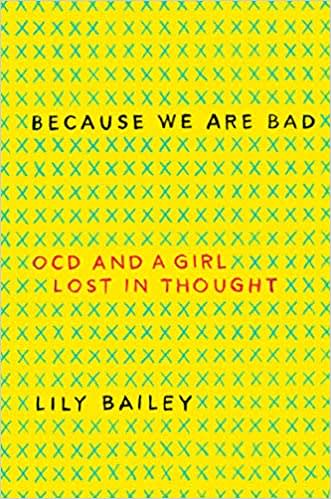
Because We Are Bad: OCD and a Girl Lost in Thought
Author: Lily Bailey
In this deeply personal memoir, Lily Bailey shares her experience living with obsessive-compulsive disorder, offering powerful insight into how OCD feels from the inside. Her story highlights the challenges of stigma, shame, and the journey toward healing.
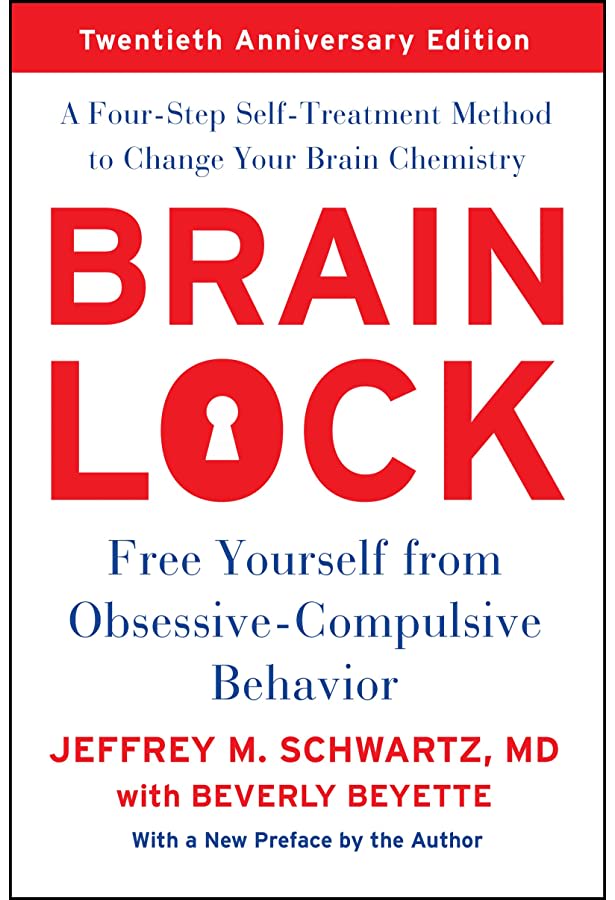
Brain Lock, Twentieth Anniversary Edition: Free Yourself from Obsessive-Compulsive Behaviour
Author: Jeffrey M. Schwartz
A classic in OCD literature, this book introduces a four-step self-help method based on cognitive-behavioural therapy and mindfulness techniques. It offers readers practical tools to break free from obsessive thought patterns and compulsive behaviours.
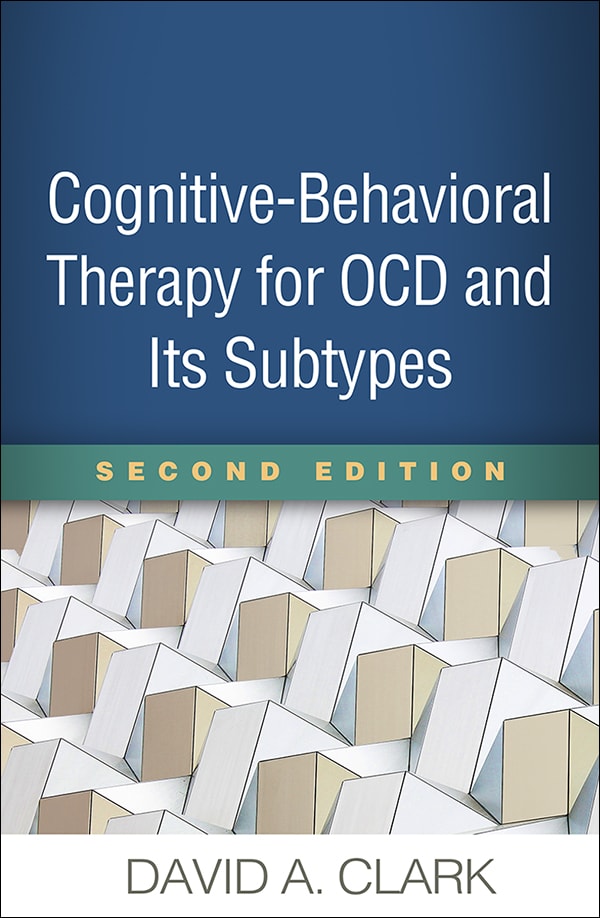
Cognitive-Behavioural Therapy for OCD and Its Subtypes
Author: David A. Clark
This in-depth clinical guide explores how cognitive-behavioural therapy can be applied to different types of OCD. It’s ideal for mental health professionals or anyone wanting to understand how evidence-based treatment works.
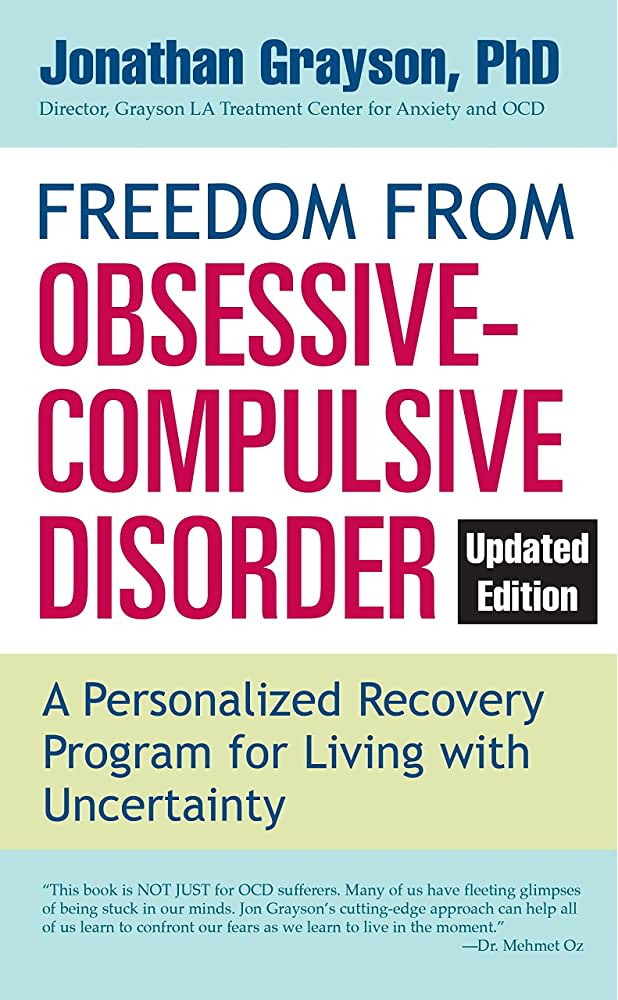
Author: Jonathan Grayson
Dr. Grayson offers a compassionate and practical approach to managing OCD, focusing on accepting uncertainty and building a customized treatment plan using proven CBT strategies.
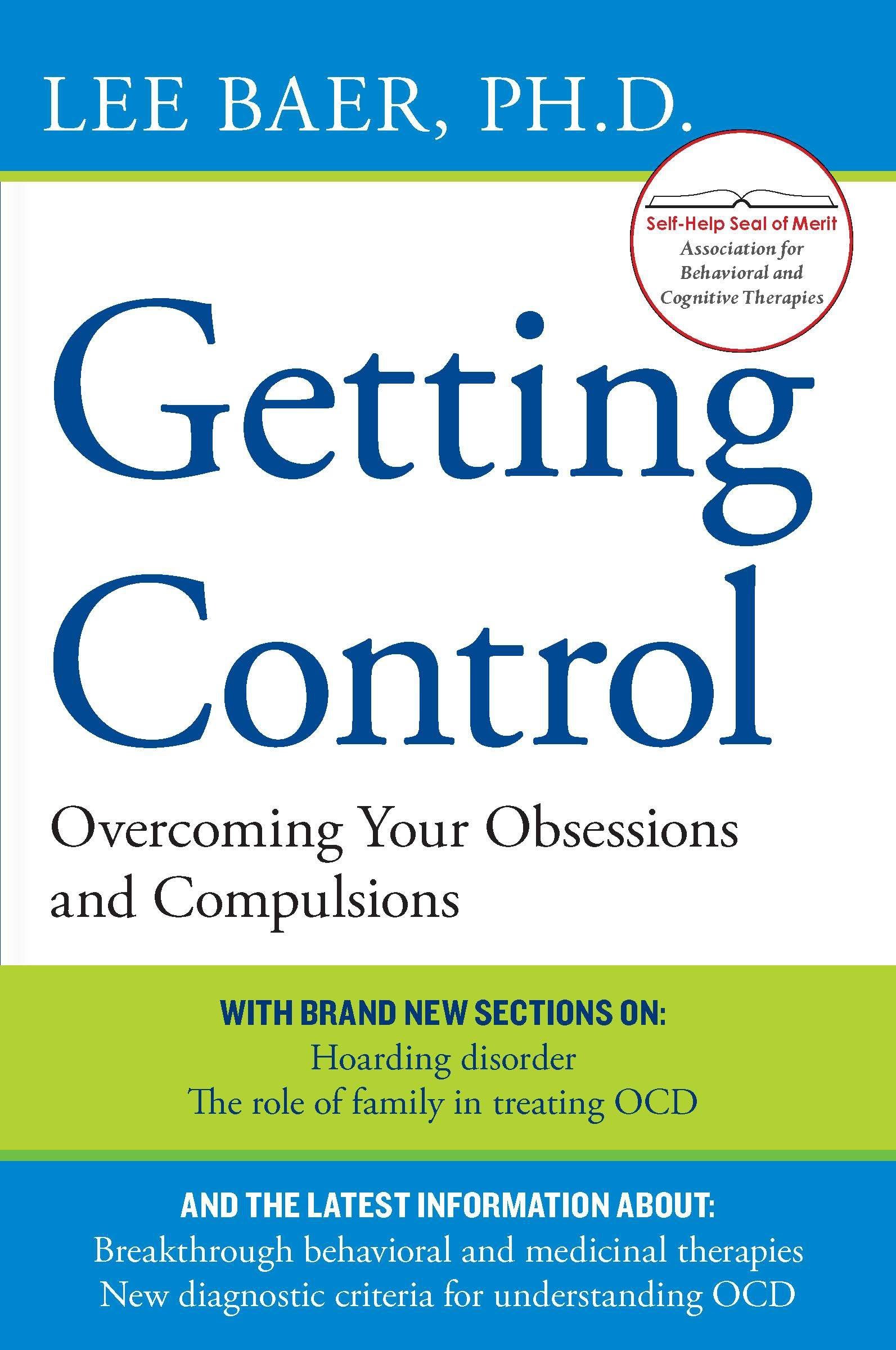
Getting Control: Overcoming Your Obsessions and Compulsions
Author: Lee Baer
Written by a leading expert in the field, this book breaks down the nature of OCD and provides step-by-step techniques to help readers gain control over their symptoms and reduce the impact of intrusive thoughts and compulsions.

The Boy Who Couldn’t Stop Washing: The Experience and Treatment of Obsessive-Compulsive Disorder
Author: Judith L. Rapoport
Dr. Rapoport combines scientific explanation with real-life stories to demystify OCD. This accessible book offers both clinical insights and a compassionate look at what it’s like to live with the disorder.

The Man Who Couldn’t Stop: OCD and the True Story of a Life Lost in Thought
Author: David Adam
This memoir by a science journalist weaves personal experience with scientific research to explore the world of OCD, particularly the role of intrusive thoughts and how they shape a person’s life.
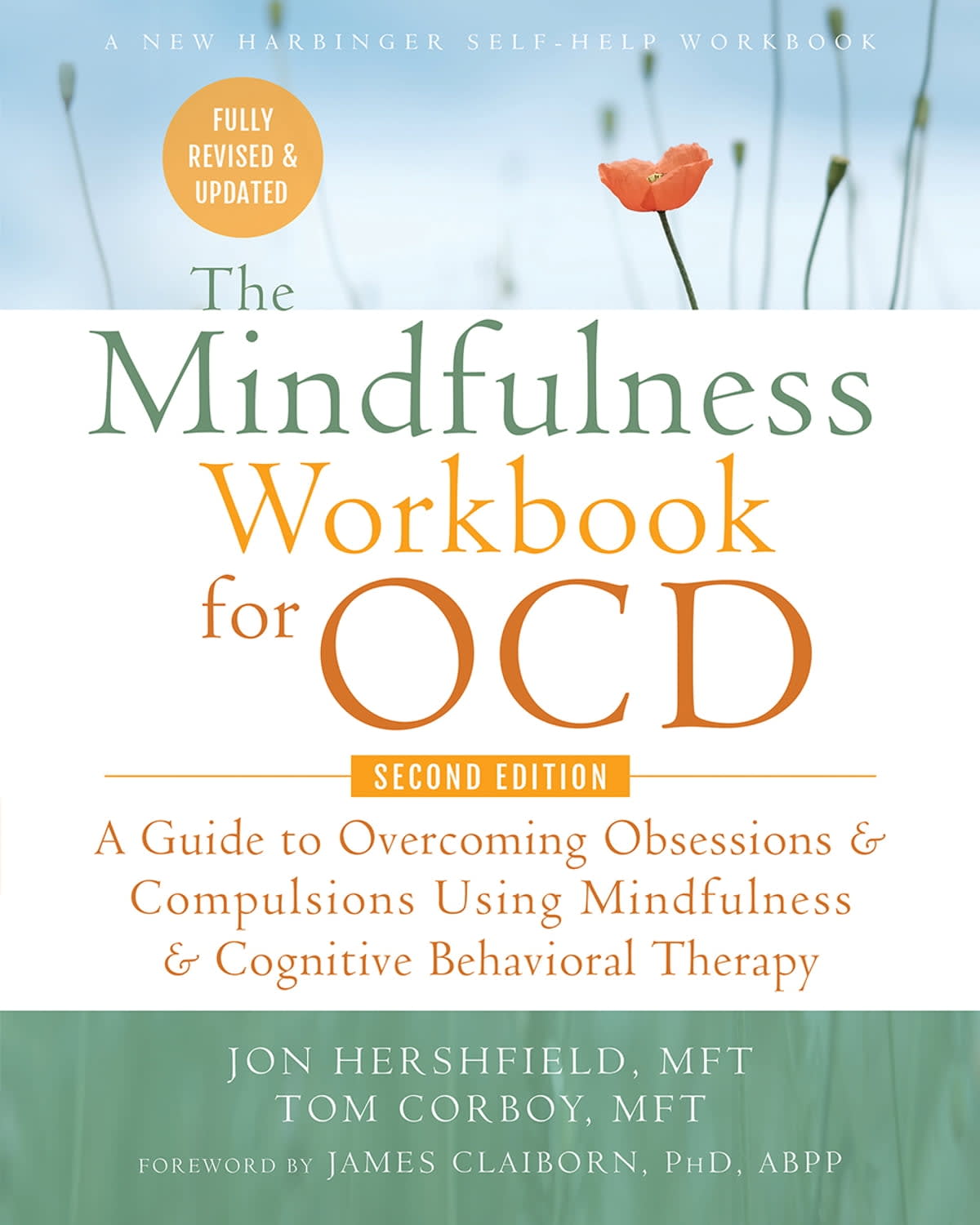
Authors: Jon Hershfield and Tom Corboy
Blending mindfulness with cognitive-behavioural therapy, this workbook offers exercises and guidance for managing OCD. It helps readers respond to obsessive thoughts without judgment and reduce compulsive behaviours over time.
The OCD Workbook: Your Guide to Breaking Free from Obsessive-Compulsive Disorder
Authors: Bruce Hyman and Cherry Pedrick
One of the most popular self-help resources for OCD, this workbook provides a structured program to help readers understand their symptoms and learn practical ways to reduce anxiety and compulsions.
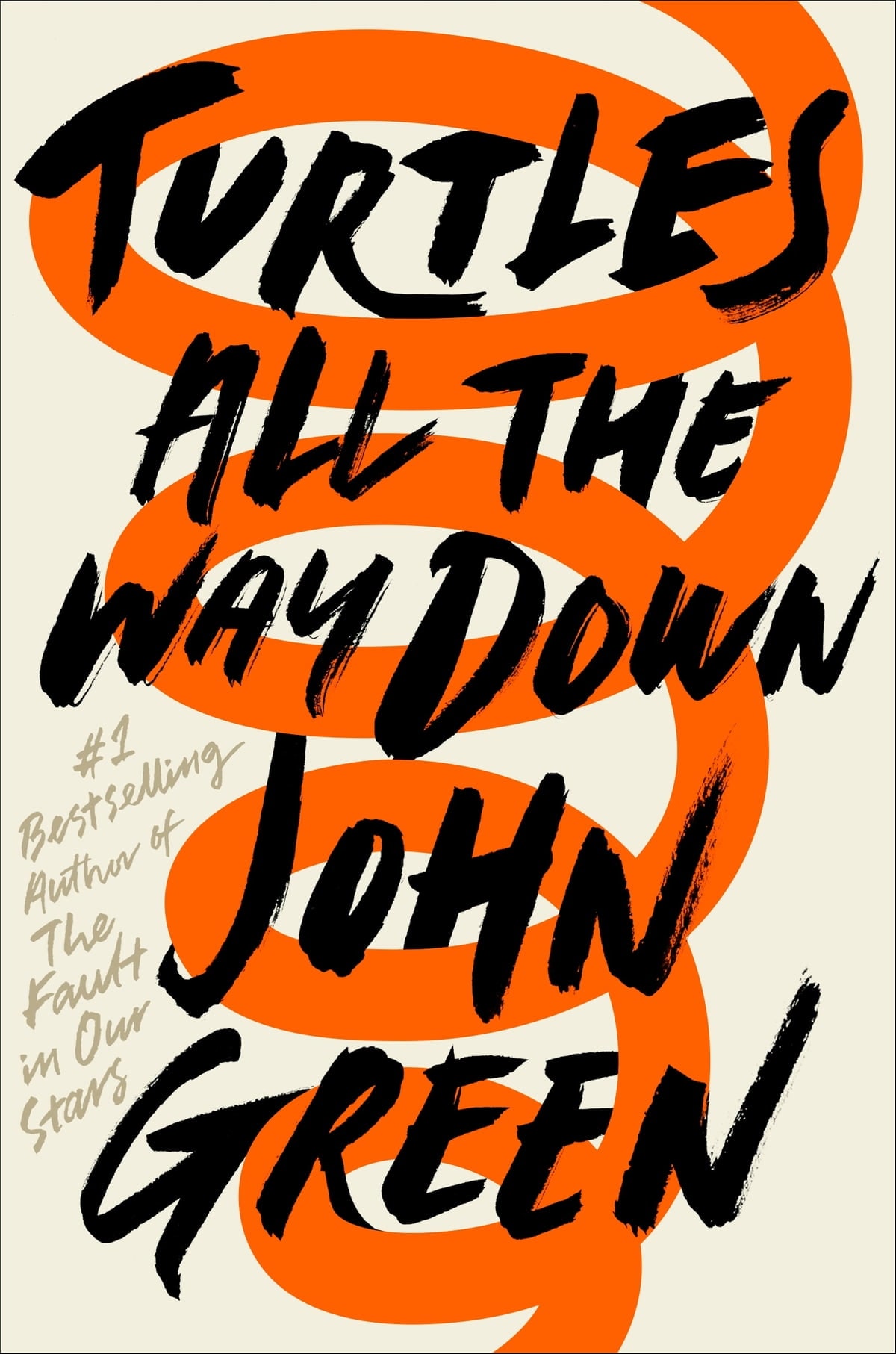
Author: John Green
This bestselling young adult novel tells the story of a teenager struggling with OCD. Through a fictional lens, it offers an honest and relatable portrayal of intrusive thoughts, anxiety, and the challenges of daily life with mental illness.
Disclaimer: This resource is for information only and is not meant to replace professional advice, diagnosis, or treatment. Always talk to a licensed mental health professional or your doctor if you have questions about a mental health condition. Click here to find a therapist, psychologist, or counsellor near you.
About the Reviewer: Vincenzo Sinisi holds a MA in Clinical Psychology from the University of the Witwatersrand and has over 20 years of experience in the field. As an expert in clinical psychology and psychotherapy, Vincenzo Sinisi is a member of the HPCSA, AGPA, and IPA. His dedication to providing accurate, high-quality information and staying current with industry developments ensures that the content they review meets the highest standards of Experience, Expertise, Authoritativeness, and Trustworthiness (E-E-A-T). To learn more about Vincenzo Sinisi and his work, visit his website or connect with him on LinkedIn.
Important: TherapyRoute does not provide medical advice. All content is for informational purposes and cannot replace consulting a healthcare professional. If you face an emergency, please contact a local emergency service. For immediate emotional support, consider contacting a local helpline.
Find Therapists
Must Read
Creating Space for Growth: How Boundaries Strengthen Relationships
Setting healthy boundaries fosters respect, protects emotional well-being, and strengthens relationships by defining personal limits and maintaining self-care.
International Mutual Recognition Agreements for Mental Health Professionals
Mutual recognition agreements for mental health professions are rare and uneven, with major gaps in counselling, social work, and allied therapies. Read on to understand ...
Mental Health Licensing & Regulation in New York State: 2026 Guide
Mental Health Licensing & Regulation in Singapore: 2026 Guide
Jumping to Conclusions
Jumping to conclusions is a thinking habit where we assume the worst or make judgments without enough evidence. By recognising this pattern, therapy can help you slow dow...
About The Author

TherapyRoute
Cape Town, South Africa
“Our in-house team, including world-class mental health professionals, publishes high-quality articles to raise awareness, guide your therapeutic journey, and help you find the right therapy and therapists. All articles are reviewed and written by or under the supervision of licensed mental health professionals.”
TherapyRoute is a mental health resource platform connecting individuals with qualified therapists. Our team curates valuable mental health information and provides resources to help you find the right professional support for your needs.
