
Substance Use Disorders

❝Struggling with alcohol or drug use? Learn about substance use disorders (addiction), how they feel, and how therapy offers real hope for recovery.❞
Feeling like alcohol or drug use is taking control, causing problems but seeming impossible to stop? This struggle is common for those facing Substance Use Disorder (SUD), often called addiction. It's a challenging condition, but understanding it is the first step towards change.
This resource explains SUD simply, what it feels like, and how effective therapies can guide you towards recovery and a healthier life. Hope and help are real.
- What is a Substance Use Disorder (Addiction)?
- How Does SUD Affect Daily Life?
- What Does SUD Actually Feel Like?
- What Might Contribute to SUD?
- What Else Could It Be?
- How Can You Start Helping Yourself?
- What Professional Help Looks Like?
- What Can You Do Now?
- Books to Deepen Your Understanding of Substance Use Disorder
Click for more like this: Anxiety Disorder - Attachment Disorder - ADHD - Bipolar Disorder - Borderline Personality Disorder - Depression - Eating Disorder - Narcissistic Personality Disorder - Obsessive Compulsive Disorder - PTSD - Somatic Symptom Disorder - Substance Use Disorders
What is a Substance Use Disorder (Addiction)?
A Substance Use Disorder (SUD) isn't a matter of willpower or moral failing; it's a complex medical condition affecting the brain and behaviour. It leads to an inability to control the use of a substance (like alcohol, opioids, stimulants, or others) despite harmful consequences.
Think of it like the brain's reward system being hijacked. Substances trigger powerful feelings of pleasure, and over time, the brain adapts, needing the substance just to feel normal and creating intense urges to use again. Key signs often include:
Healing from trauma is possible with the right therapist. TherapyRoute lists trauma-informed professionals ready to support you.
Find a Trauma Therapist- Loss of Control: Using more of the substance or for longer than intended.
- Craving: Intense urges or desires to use the substance.
- Ignoring Consequences: Continuing use despite problems in relationships, work, health, or with the law.
- Time Spent: Spending a lot of time getting, using, or recovering from the substance.
- Tolerance: Needing more of the substance to get the same effect.
- Withdrawal: Experiencing unpleasant physical or psychological symptoms when trying to cut down or stop.
Individuals with substance use disorder face challenges in being diagnosed due to (as seen in movies that address addiction) the stigma attached to addiction, denial of and masking the problem, and because symptoms can manifest differently in each person. However, early recognition and treatment of substance use disorder are essential and can significantly improve the prognosis.
How Does SUD Affect Daily Life?
Addiction can have far-reaching negative effects:
- Health Problems: Damage to organs (liver, heart, brain), increased risk of infections, overdose, accidents.
- Relationship Strain: Conflicts with family and friends, broken trust, isolation.
- Work/School Issues: Poor performance, absenteeism, job loss, dropping out.
- Financial Trouble: Spending excessive money on substances, debt, neglecting responsibilities.
- Legal Problems: Arrests (DUI, possession, etc.), court appearances, jail time.
- Mental Health Issues: Worsening or triggering depression, anxiety, paranoia, or psychosis.
- Neglect of Self-Care: Poor hygiene, nutrition, or failing to manage other health conditions.
What Does SUD Actually Feel Like?
Living with an active addiction can feel like being trapped in a cycle. You might experience:
- Overpowering Cravings: An almost unbearable physical or mental pull towards using.
- Preoccupation: Thoughts about using often dominate your thinking.
- Withdrawal Symptoms: Feeling sick, anxious, shaky, sweaty, irritable, or having trouble sleeping when not using.
- Guilt and Shame: Feeling bad about your use and its consequences, often leading to secrecy.
- Feeling Unable to Stop: Wanting to cut down or quit but finding you can't stick to it.
- Mood Swings: Experiencing highs and lows related to substance use and withdrawal.
- Loss of Interest: Neglecting hobbies, activities, or relationships that were once important.
- Denial: Difficulty seeing or admitting the extent of the problem or its impact.
- Feeling Hopeless: Believing that change isn't possible.
What Might Contribute to SUD?
Addiction is complex, with no single cause. It typically results from a combination of factors:
- Genetics: Family history of addiction significantly increases risk. Certain genes can make people more vulnerable.
- Brain Chemistry: Substances directly affect brain pathways involved in reward, pleasure, motivation, and memory. Some brains are more sensitive to these effects.
- Environment: Factors like high stress, peer pressure (especially during adolescence), lack of family support, and easy access to substances play a role.
- Early Use: Starting substance use at a young age increases the likelihood of developing addiction later.
- Mental Health Conditions: People with depression, anxiety, PTSD, bipolar disorder, or other issues often use substances to self-medicate, increasing addiction risk (co-occurring disorders).
- Trauma: Experiencing abuse, neglect, or other traumatic events is a significant risk factor.
Addiction is a health issue, not a character flaw. Understanding these factors helps reduce stigma and encourages seeking help.
What Else Could It Be?
Substance use can mask or worsen other conditions, and symptoms can sometimes overlap:
- Other Mental Health Disorders: Symptoms of depression, anxiety, PTSD, bipolar disorder, or psychosis can be similar to or triggered by intoxication or withdrawal. Often, people use substances to cope with these underlying conditions (co-occurring disorders).
- Medical Conditions: Some medical issues or medications can cause symptoms (like fatigue, mood changes, cognitive difficulties) that might be confused with substance effects.
- Behavioural Addictions: While not involving substances, conditions like gambling disorder or compulsive internet use share similar patterns of loss of control, craving, and negative consequences.
A thorough assessment by a healthcare professional is needed to understand the full picture.
How Can You Start Helping Yourself?
Taking the first steps toward change can feel daunting, but small actions matter:
- Acknowledge the Problem: Honestly assess your substance use and its impact on your life. Admitting there's an issue is crucial.
- Talk to Someone You Trust: Share your struggles with a supportive friend, family member, doctor, or therapist. Breaking the secrecy is powerful.
- Identify Your Triggers: Notice the people, places, feelings, or situations that lead to cravings or use.
- Plan for Triggers: Think ahead about how you can avoid or cope with triggers when they arise.
- Find Healthy Coping Mechanisms: Explore stress-reducing activities like exercise, mindfulness, hobbies, or spending time in nature.
- Seek Support Groups: Consider attending meetings like Alcoholics Anonymous (AA), Narcotics Anonymous (NA), SMART Recovery, or other peer support groups. Hearing from others with similar experiences can be incredibly helpful.
What Professional Help Looks Like?
If substance use is causing problems in your life, talking to a mental health professional like a psychologist or psychiatrist can really help. They'll have a careful conversation to understand your use and its impact, while also considering if other issues might be contributing.
To ensure an accurate understanding, these experts use established guidelines (Diagnostic and Statistical Manual of Mental Disorders, 5th edition (DSM-5), and the International Classification of Diseases, 10th Revision (ICD-10), which describe the specific patterns of substance use disorder.
This careful assessment is important because professional treatment is highly effective for SUD.
Options often include:
1. Cognitive Behavioural Therapy (CBT):
- How it works: Helps you identify triggers, challenge unhelpful thoughts related to substance use, and develop practical coping skills to manage cravings and prevent relapse.
- Goal: To change patterns of thinking and behaviour that contribute to addiction.
2. Motivational Interviewing (MI):
- How it works: A collaborative counselling style that helps you explore and resolve your ambivalence about changing your substance use. The therapist supports your own motivation to change.
- Goal: To strengthen your commitment to recovery.
3. Dialectical Behaviour Therapy (DBT):
- How it works: Particularly helpful if substance use is linked to intense emotions or self-harm. Teaches skills in mindfulness, distress tolerance, emotion regulation, and interpersonal effectiveness.
- Goal: To manage difficult emotions and impulses without resorting to substance use.
4. Contingency Management (CM):
- How it works: Provides tangible rewards (like vouchers or small prizes) for positive behaviours, such as negative drug tests or attending therapy sessions.
- Goal: To reinforce abstinence and engagement in treatment.
5. Family Therapy:
- How it works: Involves family members in the treatment process to improve communication, address relationship dynamics affected by addiction, and build a supportive home environment.
- Goal: To heal family relationships and strengthen the recovery support system.
6. Medication-Assisted Treatment (MAT):
- How it works: Combines counselling and behavioural therapies with FDA-approved medications (e.g., methadone, buprenorphine for opioid use disorder; naltrexone, acamprosate for alcohol use disorder) to reduce cravings and withdrawal symptoms.
- Goal: To stabilise individuals, reduce illicit substance use, and improve treatment retention and outcomes. MAT is a highly effective, evidence-based approach for certain SUDs.
What Can You Do Now?
If substance use is causing negative consequences in your life, if you've tried to cut back or quit without success, or if you're experiencing loss of control, it's time to reach out for professional help. Recovery is achievable.
Here are clear steps you can take:
- Talk to Your Doctor: Your physician can assess your situation, discuss health impacts, provide referrals, and potentially discuss MAT options.
- Find a Qualified Therapist or Addiction Specialist: Look for counselors, psychologists, psychiatrists, or social workers experienced in treating SUDs.
- Use TherapyRoute.com: Explore therapist profiles on therapyroute.com. Search for specialists in addiction, substance use disorders, or specific therapies like CBT, MI, or those offering MAT support in your area or online.
- Explore Treatment Programs: Depending on your needs, consider outpatient programs, intensive outpatient programs (IOP), or residential treatment centres.
- Contact Support Groups: Find local or online meetings (AA, NA, SMART Recovery, etc.) for peer support.
- Reach Out & Ask for Help: Contact potential therapists, treatment centres, or helplines. Taking this step is a sign of courage.
You are not alone, and recovery is possible. Many people successfully overcome addiction with the right support and treatment. Take the first step today.
Books to Deepen Your Understanding of Substance Use Disorder
Looking to learn more? Below is a curated list of valuable books that offer insight into substance use disorder, drawing from both personal stories and clinical expertise. Whether you're a psychologist seeking a deeper understanding or someone looking for tools to manage substance use disorder, these books provide helpful perspectives and strategies.
We’re Amazon affiliates, so if you click a title and make a purchase, you’ll be supporting your own learning and helping us continue our meaningful work.
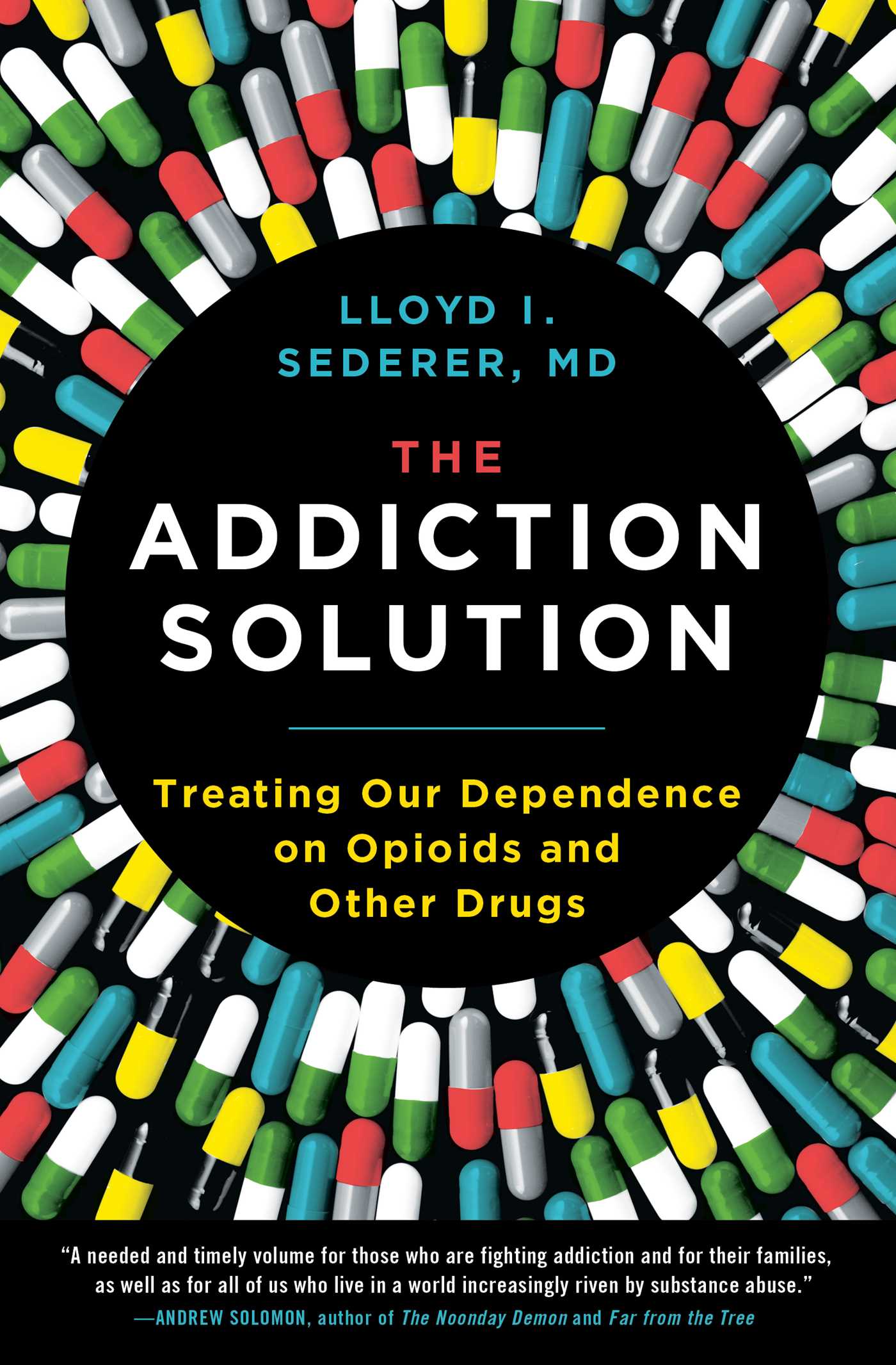
The Addiction Solution: Treating Our Dependence on Opioids and Other Drugs
Author: Lloyd Sederer
This book offers a comprehensive overview of the opioid crisis and the science behind effective treatment. Written by a leading psychiatrist, it explores public health strategies and personal stories to explain how addiction can be treated successfully.
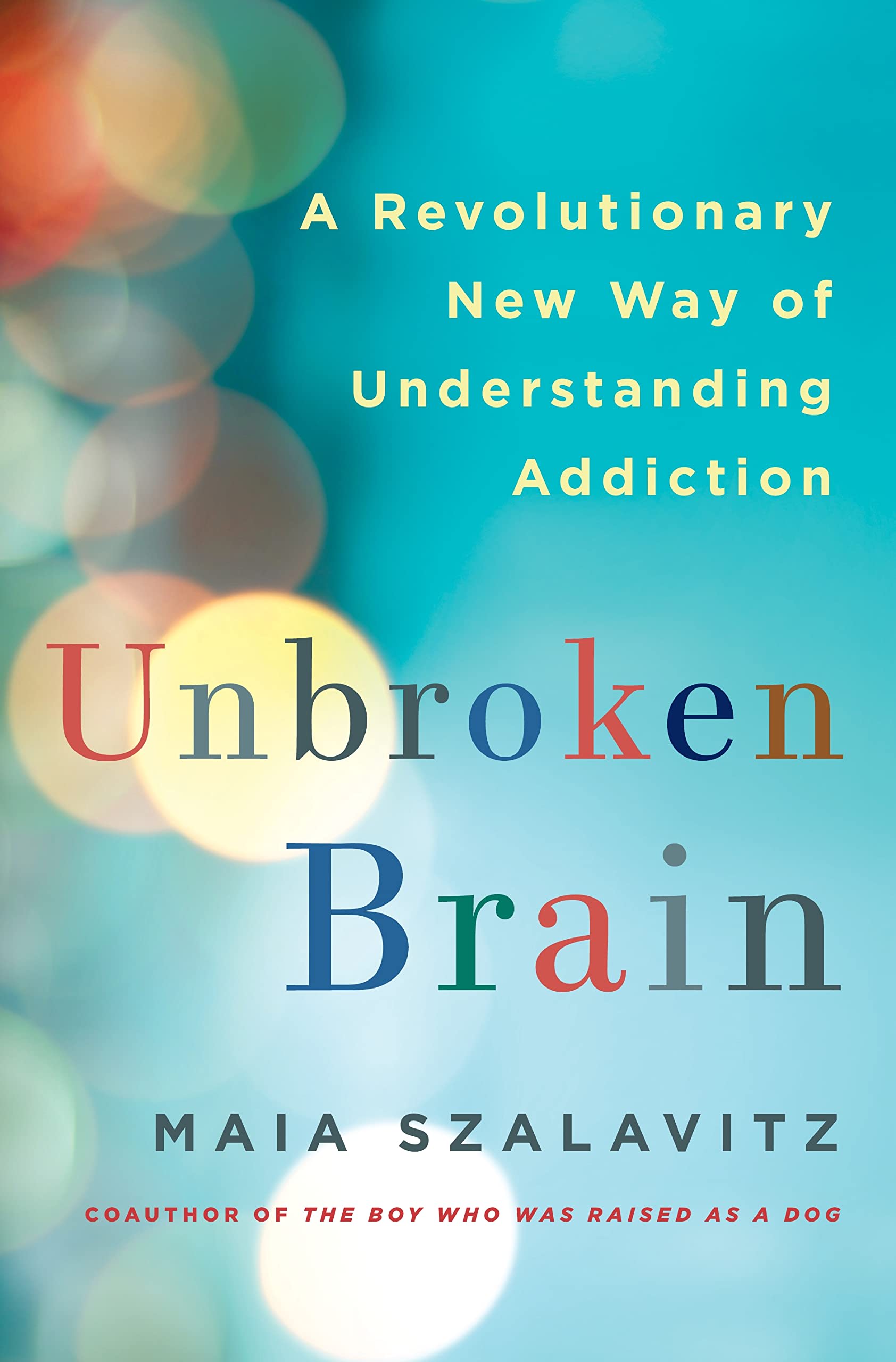
Unbroken Brain: A Revolutionary New Way of Understanding Addiction
Author: Maia Szalavitz
This eye-opening book challenges the idea that addiction is a moral failure. Instead, it presents addiction as a learning disorder, combining research, personal experience, and compassion to reshape how we think about recovery.
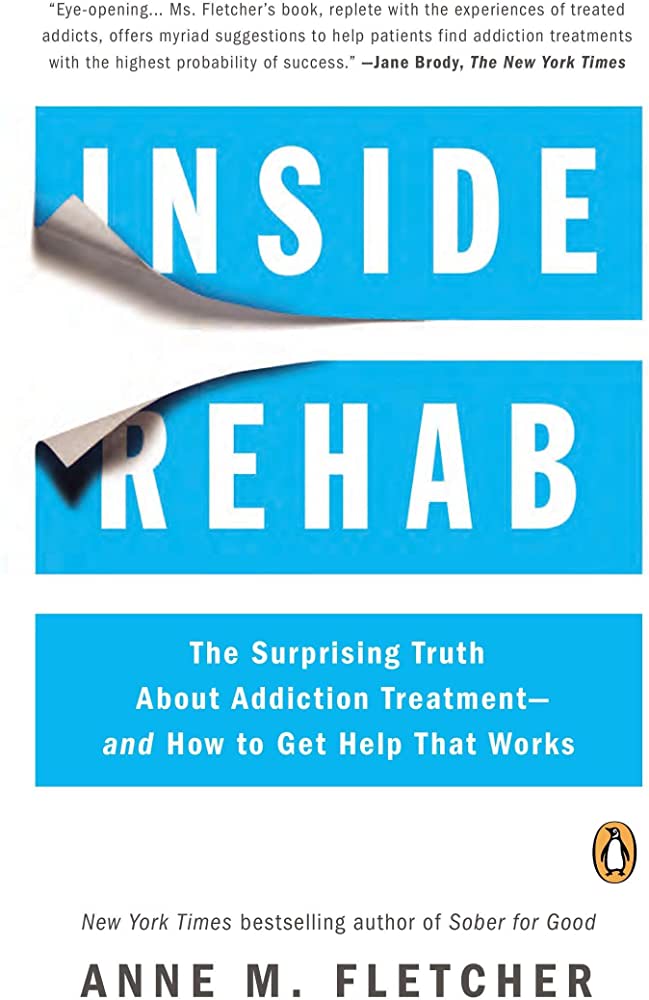
Inside Rehab: The Surprising Truth About Addiction Treatment - and How to Get Help That Works
Author: Anne M. Fletcher
Based on years of research and interviews, this book offers a behind-the-scenes look at rehab centres and helps readers understand what treatments actually work—and why.
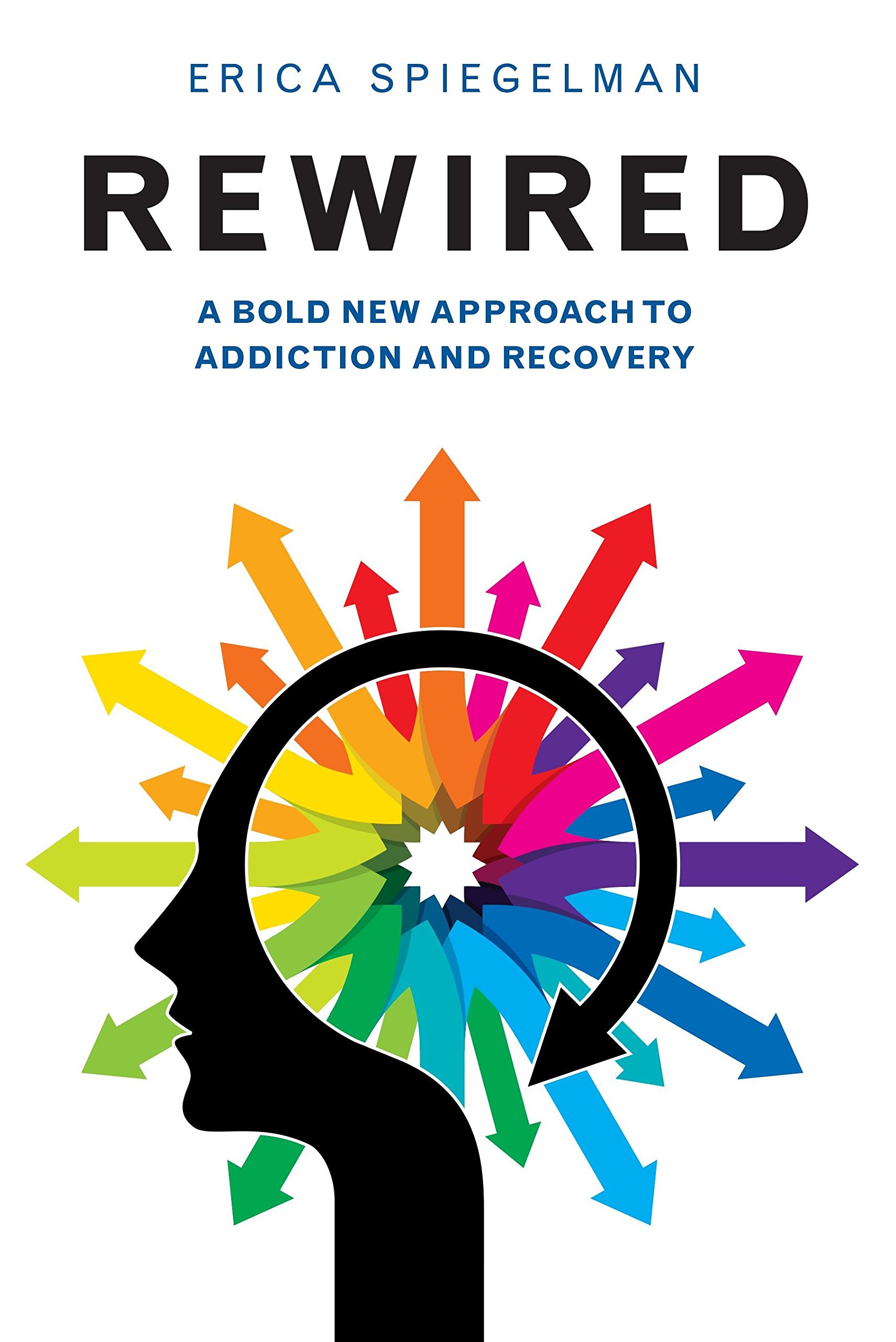
Rewired: A Bold New Approach to Addiction and Recovery
Author: Erica Spiegelman
This recovery guide promotes a whole-person approach, focusing on mindfulness, emotional health, and self-care. It's an inspiring read for anyone seeking practical strategies for long-term healing.
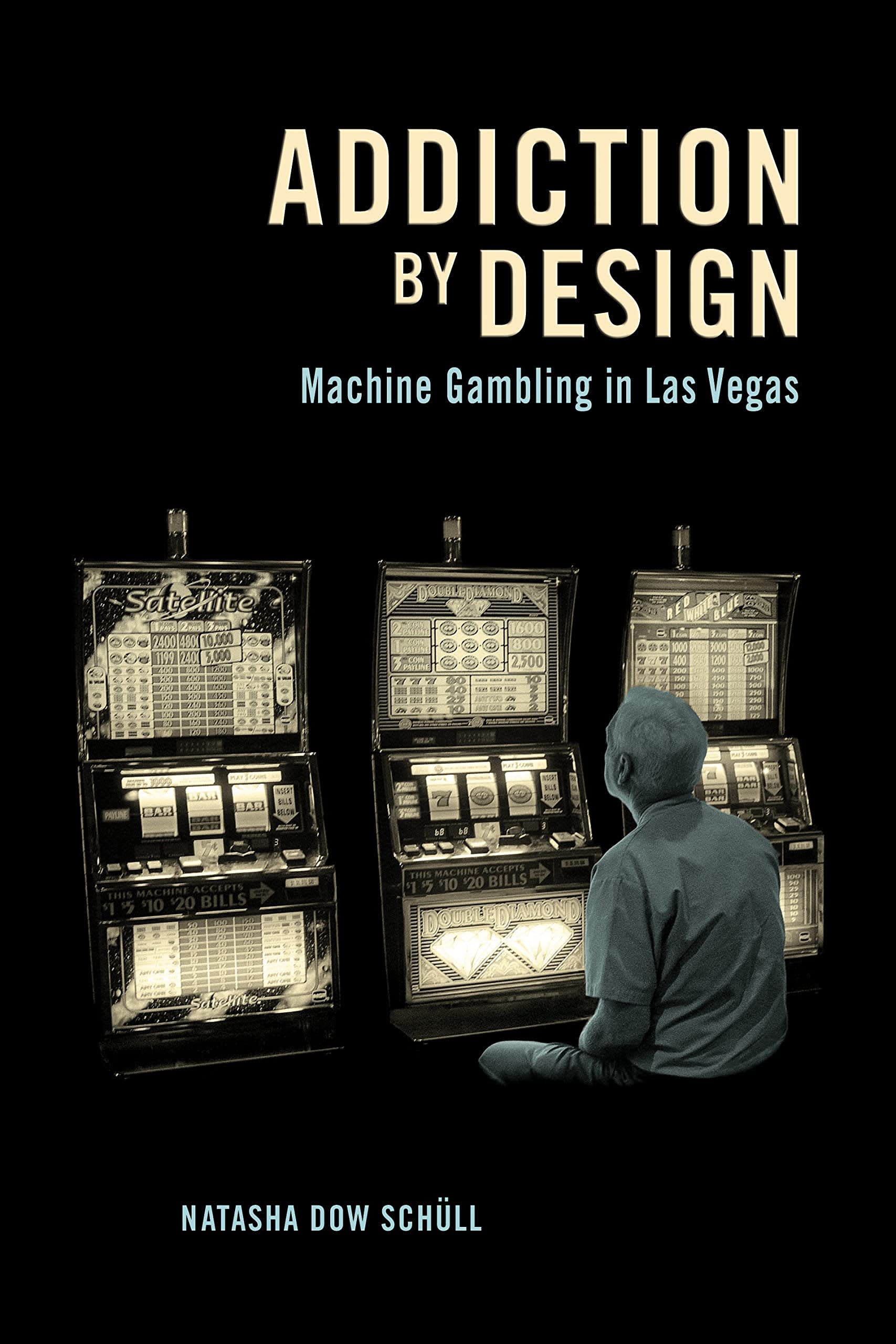
Addiction by Design: Machine Gambling in Las Vegas
Author: Natasha Dow Schüll
Using slot machines as a case study, this book dives into how technology and environment are designed to fuel addiction. It blends psychology, neuroscience, and real-life examples to explore the science of compulsion.
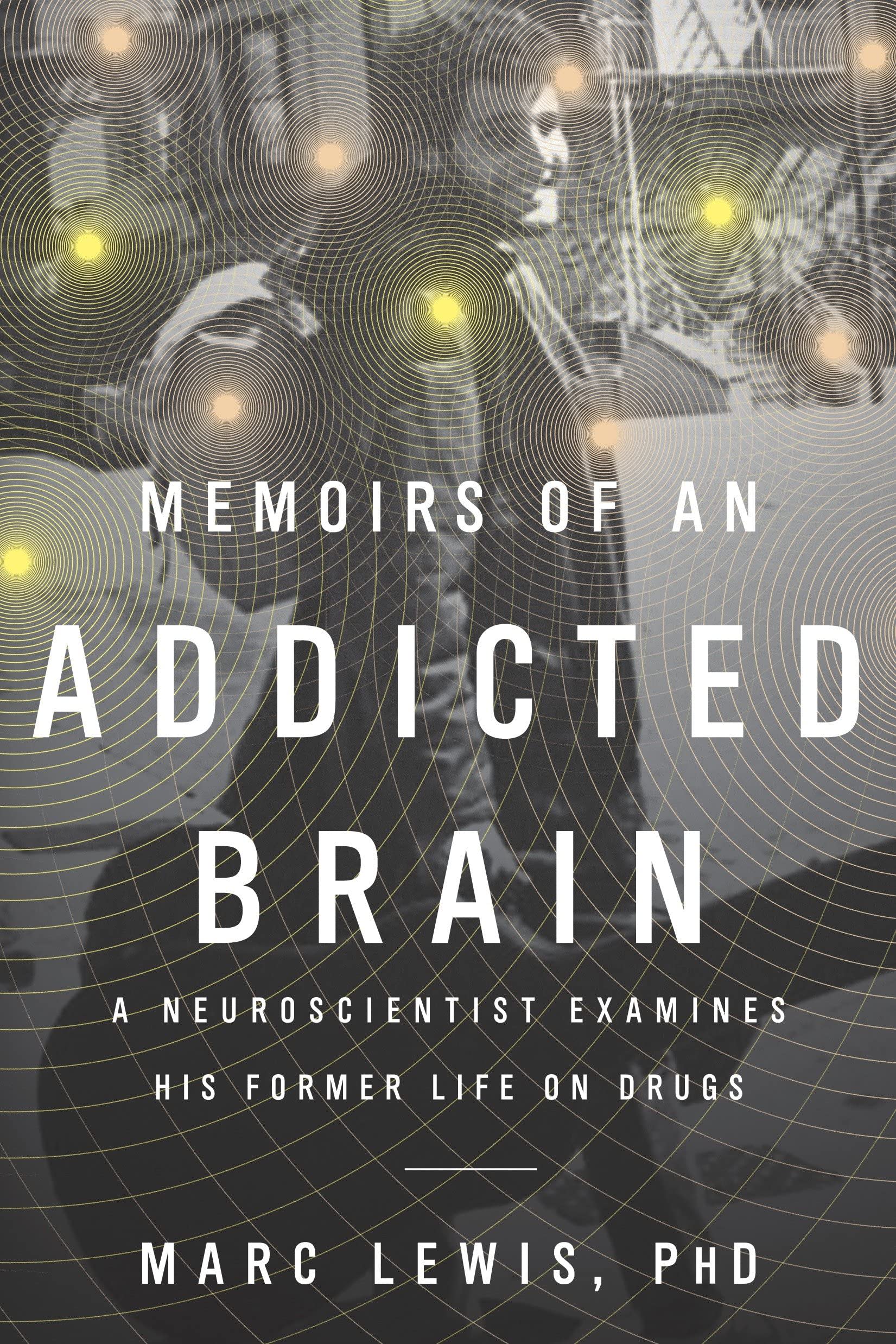
Memoirs of an Addicted Brain: A Neuroscientist Examines his Former Life on Drugs
Author: Marc Lewis
In this unique blend of memoir and neuroscience, a former addict turned neuroscientist explains what addiction does to the brain—using his own life as a powerful example.
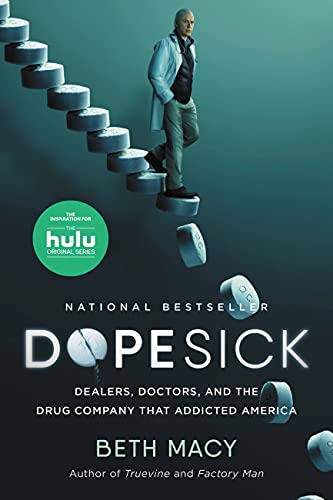
Dopesick: Dealers, Doctors, and the Drug Company that Addicted America
Author: Beth Macy
This gripping piece of investigative journalism reveals how the opioid crisis took hold in America, focusing on the role of drug companies, doctors, and communities affected by addiction.
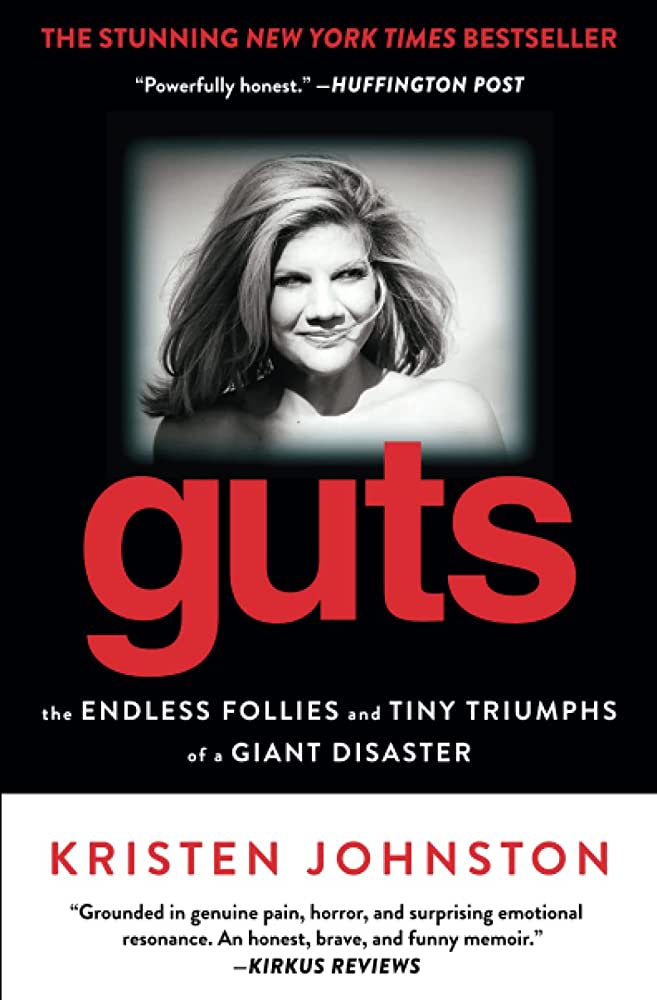
Guts: The Endless Follies and Tiny Triumphs of a Giant Disaster
Author: Kristen Johnston
In this raw and witty memoir, actress Kristen Johnston shares her journey through addiction and recovery, bringing honesty and humor to a serious subject.
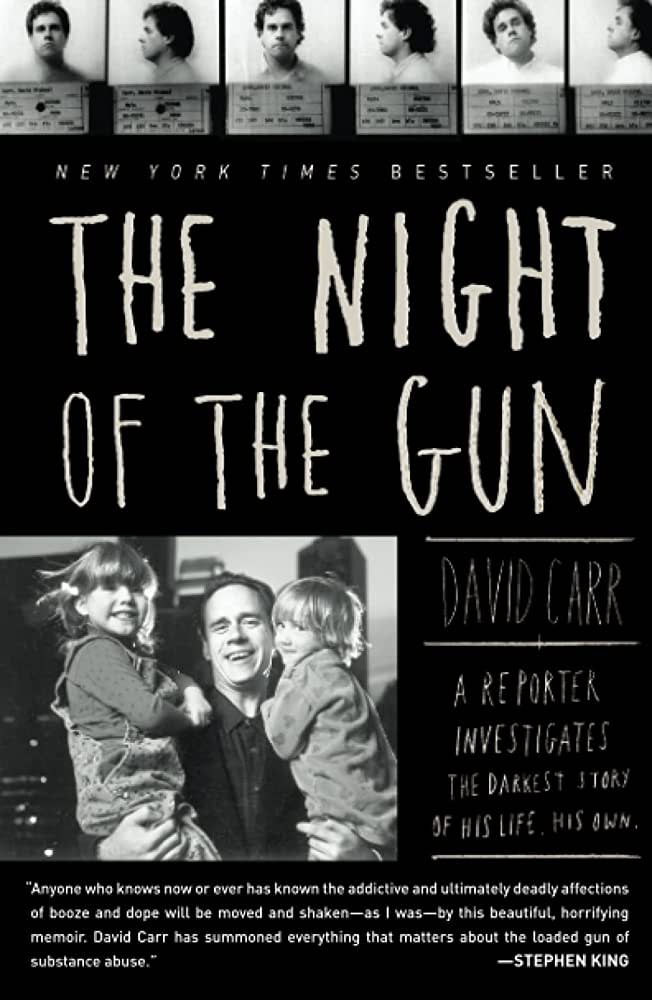
The Night of the Gun: A Reporter Investigates the Darkest Story of his Life - His Own
Author: David Carr
Pulitzer-winning journalist David Carr turns the spotlight on himself in this gripping investigation of his own years of addiction, treating his story like a news assignment to separate memory from fact.
The Recovering: Intoxication and Its Aftermath
Author: Leslie Jamison
Blending memoir, cultural critique, and reporting, this book explores addiction through both personal experience and the stories of famous writers who struggled with substance use.

In the Realm of Hungry Ghosts: Close Encounters with Addiction
Author: Gabor Maté
Written by a physician who works with people experiencing homelessness and addiction, this book offers a compassionate, science-informed look at the roots of substance use and paths to healing.

Tweak: Growing Up on Methamphetamines
Author: Nic Sheff
This candid memoir follows Nic Sheff’s intense struggle with meth addiction, detailing the highs, the devastating lows, and his path toward recovery.
Smacked: A Story of White-Collar Ambition, Addiction, and Tragedy
Author: Eilene Zimmerman
After her ex-husband’s sudden death, journalist Eilene Zimmerman uncovered a hidden life of addiction. This powerful memoir explores how addiction can hide in plain sight—even among high achievers.
Ninety Days: A Memoir of Recovery
Author: Bill Clegg
This intense, honest memoir details the first three months of the author's recovery from cocaine addiction, capturing the daily struggle and the fragile hope of starting over.
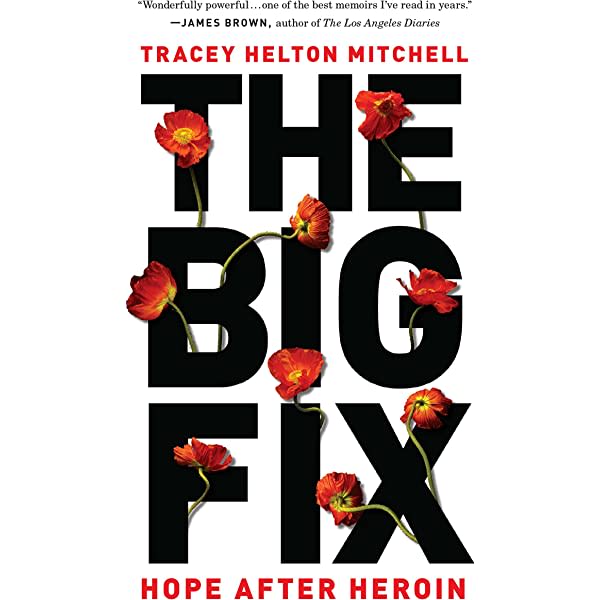
The Big Fix: Hope After Heroin
Author: Tracey Helton Mitchell
A former heroin addict turned counselor, the author shares her recovery story while offering insights into treatment, stigma, and the importance of harm reduction in the opioid crisis.
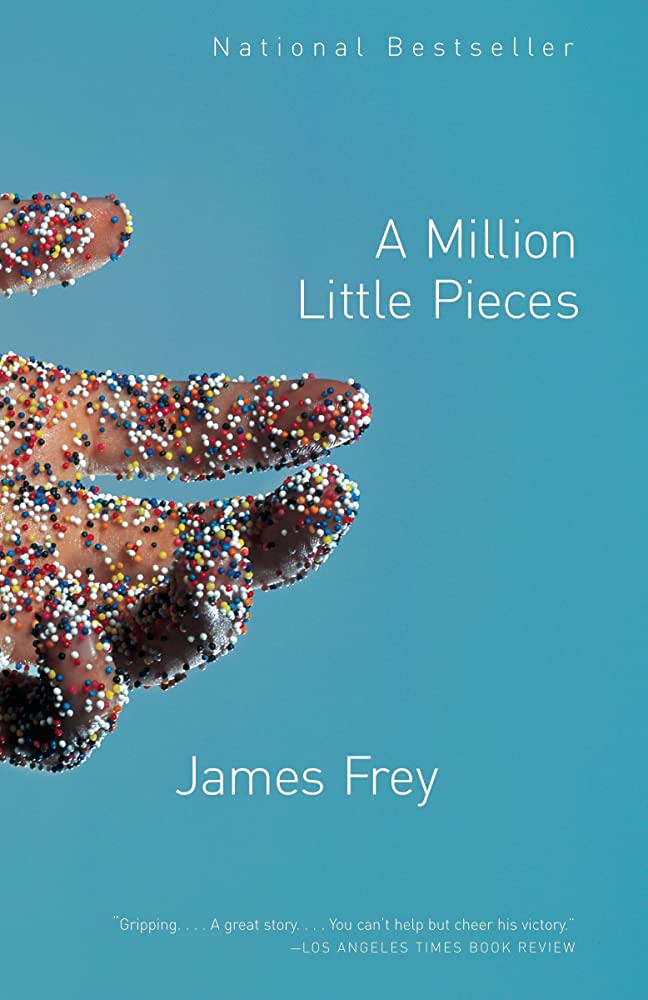
Author: James Frey
This controversial but compelling memoir details the author's stay in rehab and his battle with alcohol and drug addiction. While parts of the story have been disputed, the emotional impact of his struggle remains powerful.
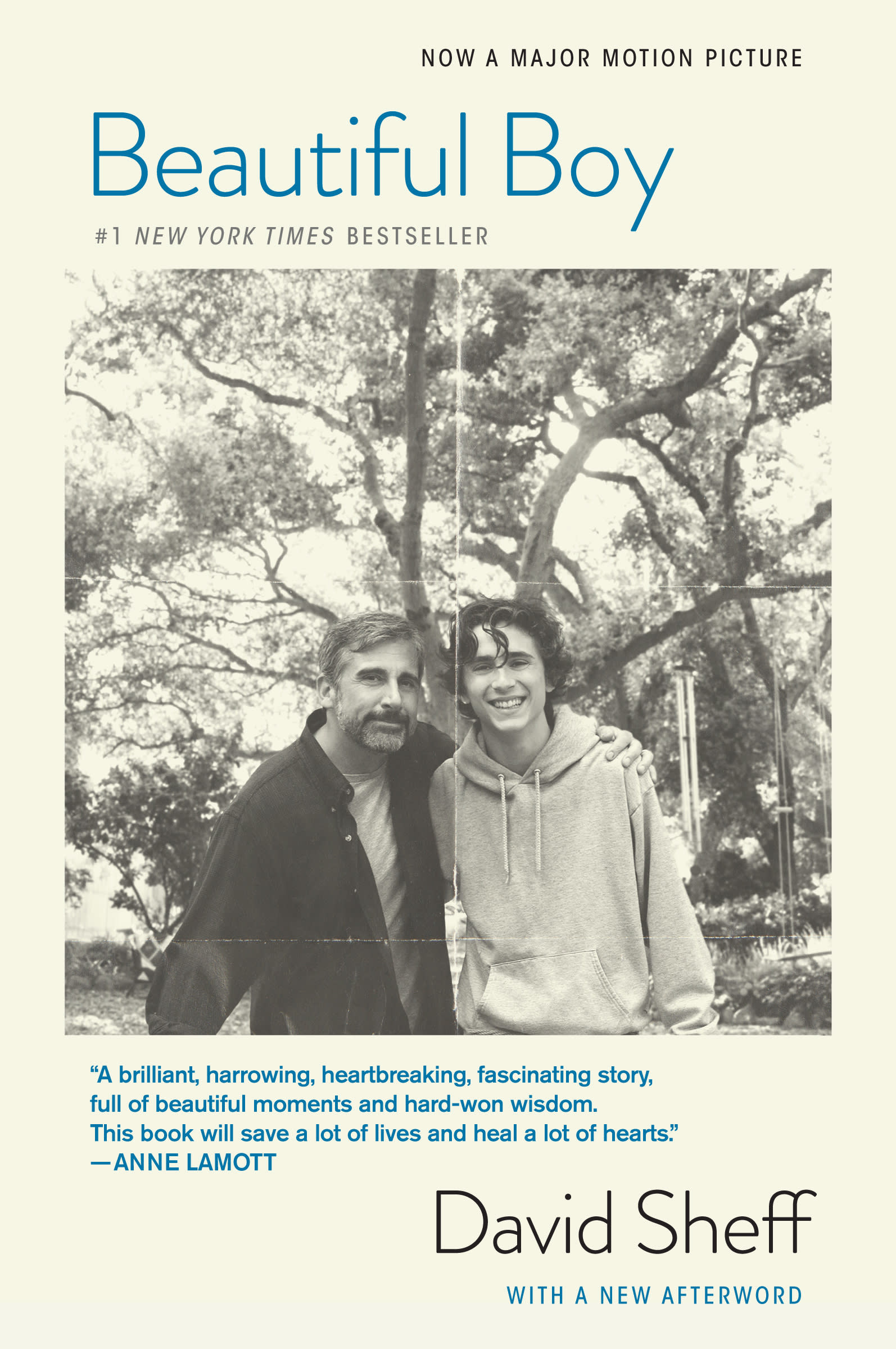
Beautiful Boy: A Father’s Journey Through His Son’s Addiction
Author: David Sheff
In this heartbreaking and honest memoir, journalist David Sheff recounts his son’s addiction to meth and its effects on their family. It's a moving exploration of love, hope, and resilience.
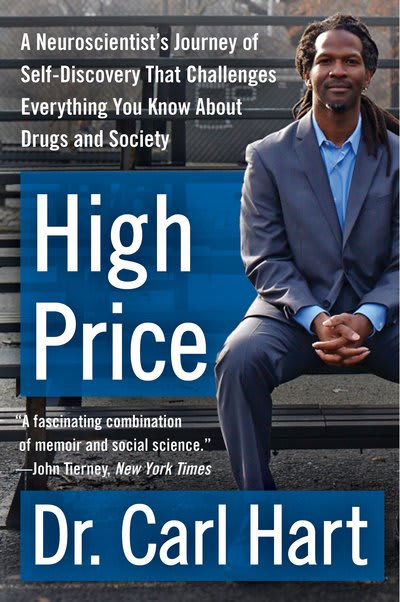
Author: Carl Hart
Part memoir, part science, this book by a neuroscientist challenges stereotypes about addiction, arguing for a more humane and evidence-based approach to drug policy.
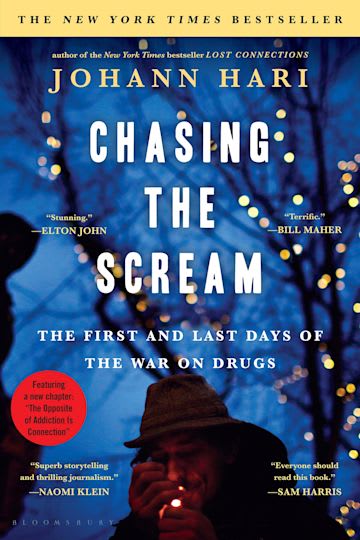
Chasing the Scream: The First and Last Days of the War on Drugs
Author: Johann Hari
This deeply researched book investigates the history and failure of the war on drugs, showing how criminalization hurts people struggling with addiction—and how compassion offers a better path.

Author: Caroline Knapp
In this beautifully written memoir, journalist Caroline Knapp explores her addiction to alcohol, the emotional roots of her drinking, and her journey toward sobriety.
Disclaimer: This resource is for information only and is not meant to replace professional advice, diagnosis, or treatment. Always talk to a licensed mental health professional or your doctor if you have questions about a mental health condition. Click here to find a therapist, psychologist, or counsellor near you.
About the Reviewer: Vincenzo Sinisi holds a MA in Clinical Psychology from the University of the Witwatersrand and has over 20 years of experience in the field. As an expert in clinical psychology and psychotherapy, Vincenzo Sinisi is a member of the HPCSA, AGPA, and IPA. His dedication to providing accurate, high-quality information and staying current with industry developments ensures that the content they review meets the highest standards of Experience, Expertise, Authoritativeness, and Trustworthiness (E-E-A-T). To learn more about Vincenzo Sinisi and his work, visit his website or connect with him on LinkedIn.
Important: TherapyRoute does not provide medical advice. All content is for informational purposes and cannot replace consulting a healthcare professional. If you face an emergency, please contact a local emergency service. For immediate emotional support, consider contacting a local helpline.
Find Therapists
Must Read
Creating Space for Growth: How Boundaries Strengthen Relationships
Setting healthy boundaries fosters respect, protects emotional well-being, and strengthens relationships by defining personal limits and maintaining self-care.
International Mutual Recognition Agreements for Mental Health Professionals
Mutual recognition agreements for mental health professions are rare and uneven, with major gaps in counselling, social work, and allied therapies. Read on to understand ...
Mental Health Licensing & Regulation in New York State: 2026 Guide
Mental Health Licensing & Regulation in Singapore: 2026 Guide
Jumping to Conclusions
Jumping to conclusions is a thinking habit where we assume the worst or make judgments without enough evidence. By recognising this pattern, therapy can help you slow dow...
About The Author

TherapyRoute
Cape Town, South Africa
“Our in-house team, including world-class mental health professionals, publishes high-quality articles to raise awareness, guide your therapeutic journey, and help you find the right therapy and therapists. All articles are reviewed and written by or under the supervision of licensed mental health professionals.”
TherapyRoute is a mental health resource platform connecting individuals with qualified therapists. Our team curates valuable mental health information and provides resources to help you find the right professional support for your needs.
