How Often Should I Go to Therapy?

❝Wondering how often should I go to therapy for best results? Discover expert insights and tips to optimise your therapy sessions in our latest blog post.❞
How often should you go to therapy? It depends, but finding the right pace can make all the difference. Whether you're dealing with a mental health condition or working on self-growth, the right session frequency helps you stay supported without feeling burdened.
In developing countries, as awareness around emotional well-being continues to grow, many people are taking that first step towards therapy, but feel unsure about how to plan their sessions. If you're in that space, you're not alone, and this guide is here to help.
This blog will walk you through the key factors that affect how often you should go to therapy, from the nature of your concerns and your goals to your lifestyle and therapist’s guidance. By the end, you’ll gain clarity, confidence, and a personalised approach to structure your sessions in a way that works for you.
In this Article
- Typical Therapy Schedules: What Do Most People Do?
- Why Therapy Frequency is Key to Mental Wellness?
- How Often Should You Go to Therapy? 6 Key Factors That Influence Your Schedule
- When to Increase or Decrease Therapy Sessions?
- Stay On Track with TherapyRoute: Find Flexible, Trusted Therapists That Fit Your Schedule
- Conclusion
- Frequently Asked Questions
Typical Therapy Schedules: What Do Most People Do?
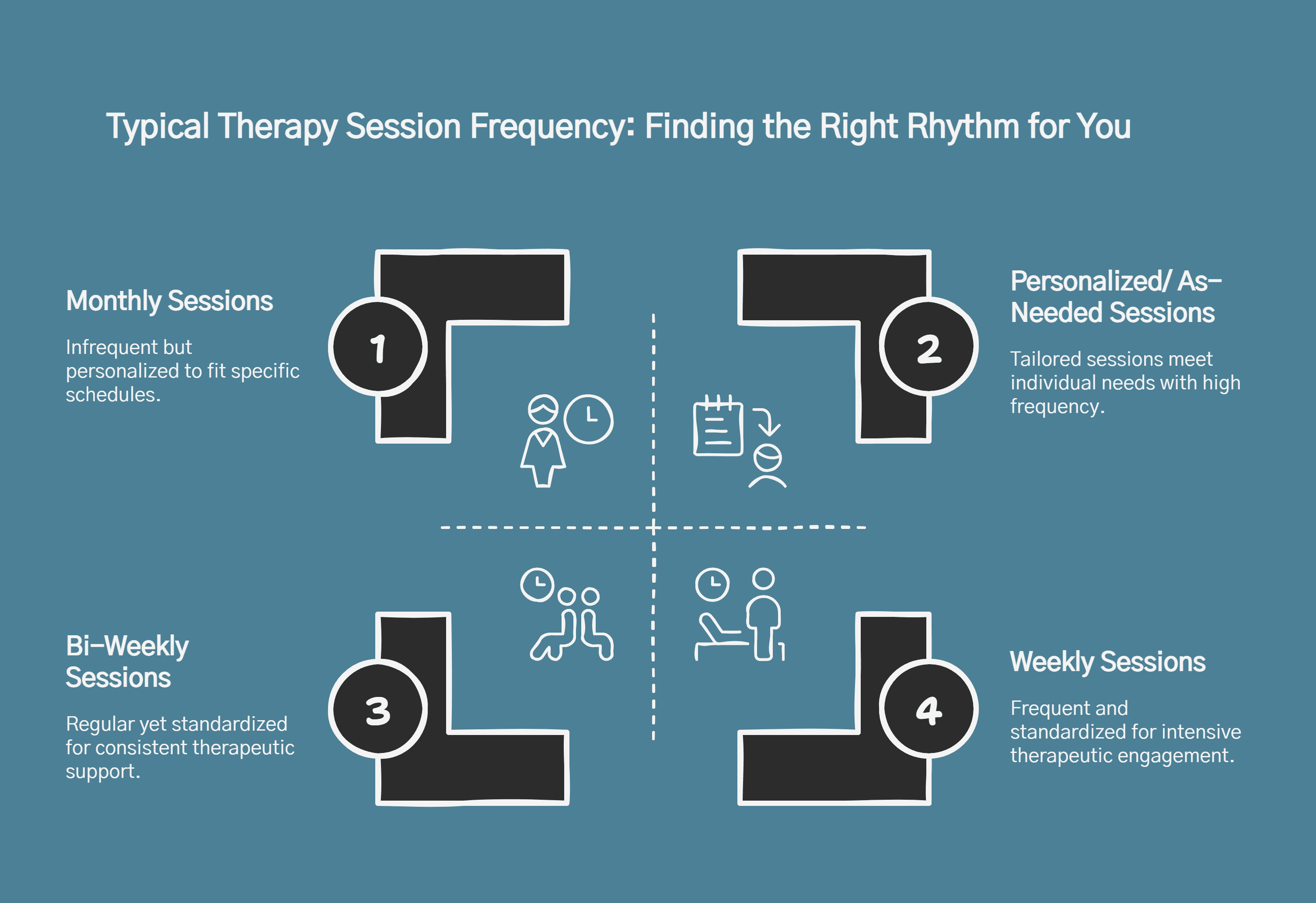
When beginning your therapy journey, establishing the right frequency of sessions can feel daunting. There’s no universal formula; the frequency often depends on various factors like the severity of your mental health condition, personal goals, or the type of therapy you’re pursuing.
Therapy should be personal. Therapists listed on TherapyRoute are qualified, independent, and free to answer to you – no scripts, algorithms, or company policies.
Find Your TherapistFor some, weekly individual therapy provides the structure required for meaningful progress. Others may benefit from less frequent sessions as they develop coping mechanisms and confidence. Understanding how flexible therapy can be enables you to prioritise your mental wellbeing effectively.
1. Weekly Sessions: The Gold Standard
Weekly therapy sessions are widely regarded as the most effective format for building momentum in your mental health journey. They offer a stable structure to explore deeper issues, foster trust with your therapist, and strengthen your ability to develop healthier coping mechanisms over time.
Weekly sessions are best for:
- Individuals facing anxiety, depression, or other active mental health challenges who need regular support.
- Those in the initial phase of therapy, seeking to build a strong foundation.
- Anyone needing a consistent balance of emotional support and actionable guidance to manage daily life effectively.
What Weekly Therapy Can Do for You?
Here’s how weekly sessions actively support your healing and growth:
- Builds a strong therapeutic relationship, creating a foundation for meaningful progress.
- Encourages faster improvement, especially in anxiety and depressive disorders.
- Provides a reliable space for regular emotional support, helping you feel heard and understood.
- Helps track changes closely and adjust your treatment plan as needed.
- Supports long-term therapy outcomes through consistent check-ins and sustained progress.
2. Biweekly and Monthly Sessions: Who Are They Right For?
As therapy progresses, your needs may shift. Biweekly sessions offer ongoing support for those easing out of weekly therapy but still needing consistent guidance. On the other hand, monthly therapy is ideal for those in the later stages of their mental health journey, providing space to reflect, recalibrate, and sustain progress.
Biweekly therapy sessions are ideal for those who:
- Are transitioning from weekly sessions.
- Still benefit from consistent therapeutic guidance.
- Need time to process insights between appointments.
Monthly therapy sessions are best suited for individuals who:
- Are in the maintenance phase of their mental health journey.
- Have achieved treatment goals.
- Are managing chronic conditions or seeking lighter emotional support.
When Less Is More: The Power of Biweekly, Monthly Therapy
Spacing out sessions can be just as effective while fitting better with your life. Here's how:
- Maintains therapeutic progress while offering more flexibility to suit your schedule.
- Supports budget-conscious mental health planning by reducing session frequency without losing momentum.
- Accommodates changing therapy schedules and personal preferences as your needs evolve.
- Reinforces therapy outcomes in a sustainable way, encouraging long-term well-being.
- Encourages continued emotional support without the risk of burnout or overwhelm.
3. Personalised/ As Needed Sessions: Get the Ongoing Support You Deserve
Unlike weekly or structured sessions, as-needed therapy allows you to access support only when required, without being bound to a fixed schedule.
This approach fits:
- Individuals facing occasional challenges or navigating specific life events.
- People with strong coping mechanisms who don’t require frequent sessions.
- Those managing mental health conditions that need periodic check-ins.
- Clients seeking flexibility in how they engage with therapy.
How As-Needed Therapy Supports Ongoing Growth?
Here are some benefits of as-needed therapy sessions for ongoing support and growth:
- Offers flexibility for busy or unpredictable lifestyles.
- Provides timely support during sudden stressors or life transitions.
- Maintains access to a therapist without regular session commitments.
- Respects personal rhythms and evolving mental health needs.
- Empowers self-directed care while keeping professional guidance within reach.
Whether you're maintaining progress or managing chronic conditions, TherapyRoute can help you find professionals who offer flexible therapy plans across India.
Check out therapists on TherapyRoute who match your preferred schedule and needs.
Why Therapy Frequency is Key to Mental Wellness?
Finding the right therapy frequency isn’t just a scheduling choice, it’s a key part of your mental wellbeing. Whether you're working through anxiety, building coping skills, or managing everyday stress, the consistency of your sessions shapes how effectively you progress.
In this section, we’ll explore why staying regular with therapy matters and how even small changes in frequency can impact your healing journey.
The Impact of Regular Sessions on Progress
Committing to therapy isn’t just about showing up, it’s about creating momentum. Regular sessions play a critical role in helping you move forward with clarity, trust, and resilience.
Strengthens the Therapeutic Relationship
- Why it matters: Consistency strengthens the bond between you and your therapist, creating a safe space where you can express difficult emotions without fear or judgment.
- Impact: A deeper therapeutic connection leads to more honest conversations and faster emotional breakthroughs.
Encourages Steady Progress in Mental Health Conditions
- Why it matters: Conditions like anxiety and depressive disorders benefit from continuous attention. Regular sessions provide the time and space needed for lasting change.
- Impact: You’ll experience consistent improvement, reinforcing hope and emotional stability week by week.
Allows for Ongoing Monitoring and Treatment Adjustments
- Why it matters: Your mental health needs evolve, and so should your care. Frequent sessions help therapists track changes closely and fine-tune your treatment plan as required.
- Impact: You stay on the most effective path without delay, ensuring therapy remains tailored and responsive.
Reinforces Healthier Coping Strategies
- Why it matters: Coping skills take time and repetition to master. Regular sessions provide the structure to practice and integrate these strategies into daily life.
- Impact: Over time, you build mental resilience and develop tools to handle future stressors independently.
Boosts Motivation and Confidence
- Why it matters: Noticing tangible progress from one session to the next builds belief in the process.
- Impact: This momentum fuels your motivation and encourages personal growth, helping you stay committed to your goals.
Wondering if it’s normal to hate therapy? This article might give you some clarity.
The Risks of Inconsistent Therapy Attendance
Therapy works best when it's consistent. Skipping sessions or stretching out your schedule too far may seem harmless, but it can disrupt progress in ways you might not expect. Here's how:
- Disrupts Progress and Momentum: It’s understandable that life stress, costs, or unexpected events can lead to missed sessions. However, skipping therapy can disrupt your progress, making it harder to maintain emotional clarity and momentum, which may slow or even reverse the positive changes you’ve worked hard to achieve.
- Weakens the Therapeutic Relationship: Therapy thrives on trust and connection. Infrequent attendance can make it difficult to build the safe, stable bond necessary for open and effective communication.
- Limits Effective Interventions: Your therapist needs consistent engagement to provide tailored support. Inconsistency reduces the opportunities for meaningful, condition-specific interventions, especially for issues like anxiety, depressive disorders, or trauma.
- Delays the Development of Coping Strategies: Therapy builds upon itself, each session reinforces coping skills and insights from the last. Missing sessions can delay emotional growth and leave you without tools when you need them most.
- Makes Treatment Goals Harder to Reach: Without regular sessions, tracking progress becomes difficult. This can leave goals feeling distant or unclear, making it harder to stay motivated and focused on recovery.
How Often Should You Go to Therapy? 6 Key Factors That Influence Your Schedule
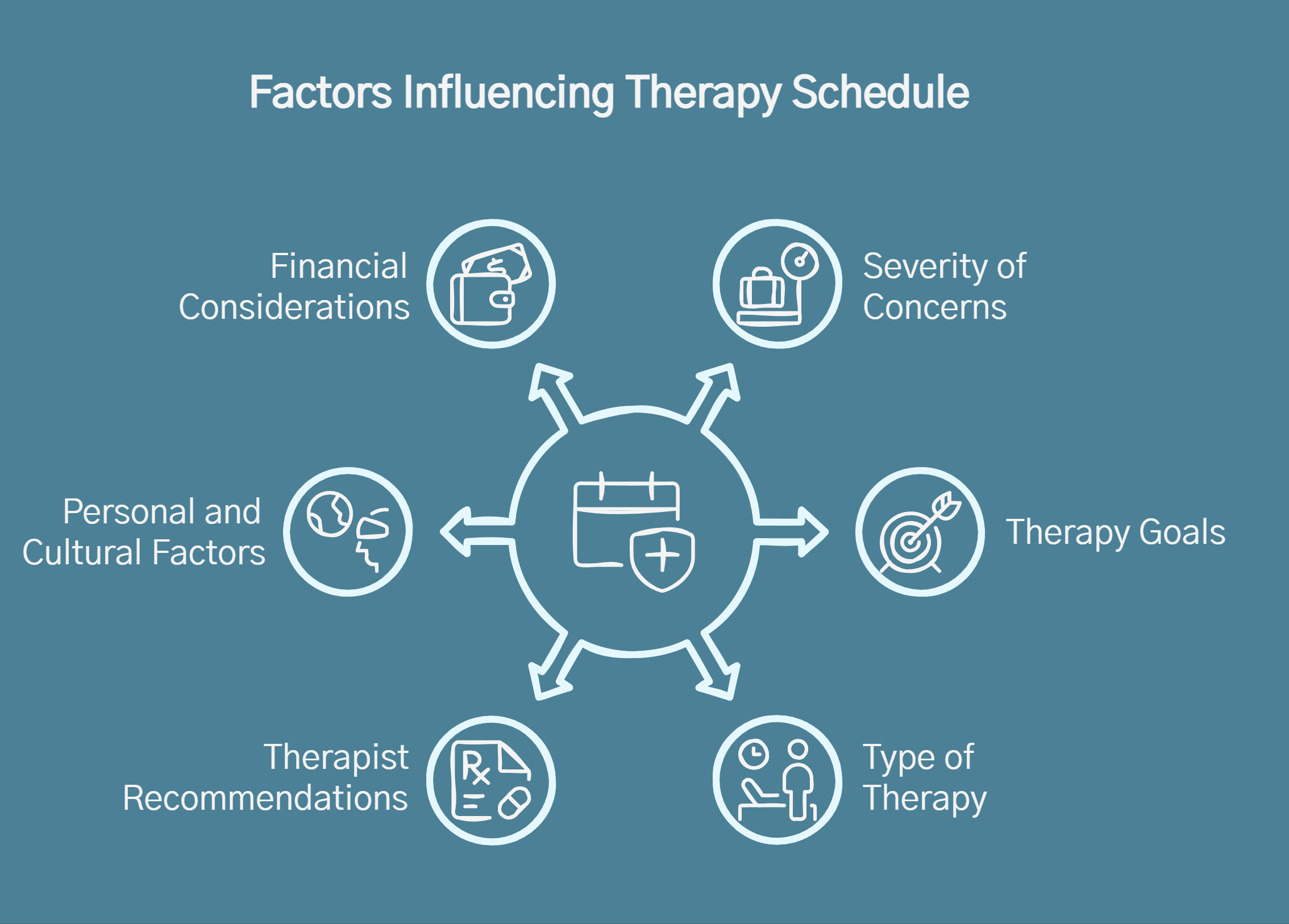
If you’re juggling a busy schedule, managing emotional ups and downs, or simply unsure how often to book your therapy sessions, you’re not alone. The right frequency looks different for everyone, and it’s okay if you’re still figuring it out.
Deciding how often to attend therapy isn’t one-size-fits-all. It depends on a mix of personal factors, like what you’re working through, your goals, your therapist’s approach, and even practical things like time or cost.
Let’s walk through the key factors that can help you create a therapy rhythm that fits your life, supporting steady progress without adding more overwhelm.
1. Severity and Nature of Your Concerns
The intensity of your mental health concerns plays a major role in how often you should attend therapy.
- For severe or complex conditions (like severe depression, trauma, anxiety disorders, or borderline personality disorder), weekly sessions often offer the consistency needed for deep, sustained work.
- Milder issues such as stress, adjustment concerns, or general personal growth might only require biweekly or monthly support, especially once coping strategies are in place.
The type of therapy you’re doing (e.g., CBT, trauma-focused, or psychodynamic) and how your needs evolve over time will also influence session frequency.
2. Therapy Goals
What you hope to achieve in therapy will naturally guide how often you attend.
- If you're in crisis or emotional distress, weekly sessions can provide the structure and support needed to stabilise and make consistent progress.
- For ongoing personal growth, like self-discovery, building better habits, or improving relationships, biweekly or monthly sessions may allow space to reflect and apply insights between visits.
As your goals shift over time, your therapist can help recalibrate your schedule to stay aligned with your evolving needs.
3. Type of Therapy
Your therapy approach influences session frequency.
- Cognitive Behavioral Therapy (CBT) often involves weekly sessions, especially for conditions like anxiety or depression, to build momentum and apply practical tools.
- Other modalities, like family therapy or Dialectical Behavior Therapy (DBT), may include a mix of individual and group sessions, each on a different schedule.
Choosing the right therapy type helps you stay consistent while fitting into your daily routine and emotional needs.
4. Therapist Recommendations
Most people start with weekly sessions to build trust and create a safe, supportive environment.
- Therapy on a weekly basis helps establish momentum and encourages open communication early on.
- As progress is made, session frequency may shift to biweekly or monthly, based on your needs.
- Regular check-ins with your therapist ensure the pace stays aligned with your goals and emotional growth.
5. Personal and Cultural Factors
Life demands and cultural background can influence how often you’re able, or willing, to attend therapy.
- Busy work schedules, caregiving, or travel may limit availability for weekly sessions.
- Cultural stigma or family attitudes can shape how openly therapy is pursued.
- Therapy should adapt to your real-world routine and cultural values, not add pressure.
Understanding these factors helps create a pace that’s realistic and emotionally safe for you.
6. Financial Considerations
The cost of therapy is a real and valid concern when planning your session frequency.
- Session fees, insurance limits, or sliding scales can determine what’s affordable.
- Some find biweekly or monthly sessions more sustainable in the long run.
- Openly discussing costs with your therapist can help build a plan that fits your budget.
Prioritising mental health doesn’t mean financial strain; it means finding the right balance that supports you.
Also Read: What to Expect When Starting Therapy
When to Increase or Decrease Therapy Sessions?

As individuals progress through their mental health journeys, adjusting the frequency of therapy becomes essential. This flexible approach allows for a treatment plan tailored to personal growth, emerging challenges, or significant life events. Let’s understand why and how therapy frequency may change over time.
Signs You Might Need More Frequent Sessions
Sometimes, the frequency of your therapy sessions may no longer align with what you need emotionally or mentally. If you're noticing certain signs, it could be time to consider more frequent appointments for deeper, consistent support.
Here are some signs you might need more frequent sessions:
- Daily Challenges Feel Overwhelming:
You may struggle to manage everyday tasks or maintain emotional balance. Even simple routines can start to feel unusually difficult. - Increased Anxiety or Depressive Episodes:
You’re experiencing intense emotional distress or recurring symptoms more often than before. This may suggest your current session frequency isn’t enough. - Recent Significant Life Events:
Major transitions, like loss, trauma, or a major life change, often require immediate and consistent emotional support. - Feeling Emotionally Stuck or Stagnant: You don’t feel like you’re making progress. Sessions may start to feel repetitive or aimless, leaving you unsure about your healing direction.
- Ongoing Emotional Turmoil:
You’re noticing persistent inner conflict, mood swings, or heightened sensitivity that’s interfering with your daily life.
When and How to Gradually Space Out Visits?
Knowing when to gradually space out therapy sessions is an important part of long-term mental health maintenance. It often happens when you feel more emotionally balanced and confident in managing challenges independently.
Here are some signs it may be time to reduce the frequency of your sessions:
- You’ve Made Steady Progress Toward Treatment Goals:
You’ve noticed real improvements in emotional regulation, coping skills, and overall well-being. This steady progress suggests you may be ready to space out sessions. - You Feel More Stable Day to Day:
Your mental health symptoms feel less intense or disruptive. You’re better equipped to manage your emotions and daily challenges. - Therapy Focuses More on Reflection than Crisis:
Sessions are shifting from urgent issues to ongoing growth, insight, and self-awareness rather than immediate problem-solving. - You’re Using Coping Strategies Successfully:
The skills learned in therapy are helping you navigate challenges with greater ease and confidence outside of sessions. - You Feel Ready for More Independence:There’s a natural readiness to apply what you’ve learned in therapy on your own, with less frequent need for support.
Want to understand if therapy or counseling is right for you?
Check out this guide.
Stay On Track with TherapyRoute: Find Flexible, Trusted Therapists That Fit Your Schedule
How often you go to therapy depends on many personal factors, but the journey starts with finding the right therapist. Whether you need weekly support for anxiety, biweekly sessions for relationship issues, or monthly check-ins for personal growth, the right match makes all the difference.
That’s where TherapyRoute.com comes in.
TherapyRoute helps you find verified, experienced therapists who fit your unique needs, location, and budget, making it easier to get the right support without the guesswork.
Here’s how TherapyRoute makes it easier to find your ideal therapist:
Step 1: Clarify what you want to work on
Step 2: Decide on the type of therapist
Step 3: Use filters to narrow your match
Step 4: Consider logistics and budget
Step 5: Schedule an initial consultation
Start your search today at TherapyRoute.com and take the first step toward feeling better, thinking clearly, and living more fully.
Conclusion
Therapy serves as a cornerstone for many on their mental health journey, providing consistent support tailored to individual needs. The effectiveness of therapy hinges on adjusting session frequency over time, reflecting personal growth and evolving mental health challenges. Embracing the therapeutic process encourages a strong therapeutic alliance, fostering open communication and honest discussions.
Remember, prioritising mental wellness, through an appropriate treatment plan, ultimately leads to significant progress, guiding you toward healthier coping mechanisms and a more fulfilling life.
Frequently Asked Questions
Is it bad to take breaks from therapy?
Taking breaks from therapy isn't inherently bad, but it can disrupt progress. Ideally, maintain consistency to reinforce skills and build a strong therapeutic alliance. Discuss with your therapist to ensure breaks align with your mental health goals and needs for effective care.
Can I go to therapy less often once I feel better?
Yes, you can reduce therapy frequency when you feel better. It’s important to discuss this with your therapist, as they can help assess your progress and needs. Gradually spacing out sessions can support continued growth while ensuring you maintain the gains achieved.
How do I talk to my therapist about changing session frequency?
To discuss changing session frequency with your therapist, be open about your current needs and feelings. Share specific reasons for wanting adjustments and ask for their professional input. This collaborative approach fosters understanding and helps in finding a suitable frequency for your therapy journey.
Is more frequent therapy always better?
More frequent therapy can be beneficial, but it isn't always necessary. It depends on individual needs, therapeutic goals, and personal circumstances. Some may thrive with regular sessions, while others might find less frequent visits just as effective for their progress and mental wellness.
What if I can’t afford weekly therapy in India?
If weekly therapy isn't affordable in India, consider alternatives like bi-weekly sessions, group therapy, or seeking community mental health resources. Some therapists may offer sliding scale fees. Prioritise your mental well-being while exploring cost-effective options that suit your financial situation.
Important: TherapyRoute does not provide medical advice. All content is for informational purposes and cannot replace consulting a healthcare professional. If you face an emergency, please contact a local emergency service. For immediate emotional support, consider contacting a local helpline.
Find Therapists
Must Read
Creating Space for Growth: How Boundaries Strengthen Relationships
Setting healthy boundaries fosters respect, protects emotional well-being, and strengthens relationships by defining personal limits and maintaining self-care.
International Mutual Recognition Agreements for Mental Health Professionals
Mutual recognition agreements for mental health professions are rare and uneven, with major gaps in counselling, social work, and allied therapies. Read on to understand ...
Mental Health Licensing & Regulation in New York State: 2026 Guide
Mental Health Licensing & Regulation in Singapore: 2026 Guide
Jumping to Conclusions
Jumping to conclusions is a thinking habit where we assume the worst or make judgments without enough evidence. By recognising this pattern, therapy can help you slow dow...
About The Author

TherapyRoute
Cape Town, South Africa
“Our in-house team, including world-class mental health professionals, publishes high-quality articles to raise awareness, guide your therapeutic journey, and help you find the right therapy and therapists. All articles are reviewed and written by or under the supervision of licensed mental health professionals.”
TherapyRoute is a mental health resource platform connecting individuals with qualified therapists. Our team curates valuable mental health information and provides resources to help you find the right professional support for your needs.