How to Find the Right Therapist for Depression?


❝Discover the journey to mental wellness with our guide on finding the perfect therapist for depression. From understanding symptoms to evaluating a therapist's expertise, embark on a path to a happier, healthier life.❞
In this Article
- What is Depression and What are the Common Signs?
- What are the Most Commonly Used therapies for depression?
- How to Find a Therapist for Depression At TherapyRoute?
- How Do You Know if a Therapist is the Right Fit?
- Find a Trusted Therapist in India on TherapyRoute
- Conclusion
- Frequently Asked Questions
|
Struggling with depression can feel isolating, confusing, and exhausting. But you don’t have to face it alone. One of the most empowering steps you can take is seeking the right support, and that often begins with finding a therapist who truly understands what you’re going through.
In this guide, we’ll walk you through how to find a good therapist for depression in India, what to look for, and how to choose someone who fits your needs, values, and emotional comfort. Whether you’re just starting to explore therapy or looking for a better match, this resource is here to help you make informed, confident choices for your mental well-being.
What is Depression and What are the Common Signs?
Depression is more than just feeling sad or low for a few days. It’s a serious, but treatable mental health condition that affects how you think, feel, and function in daily life. It can interfere with your relationships, work, and overall quality of life, often making everyday tasks feel overwhelming or pointless.
Depression is one of the most widespread mental health disorders globally. According to WHO, the National Mental Health Survey 2015–16 found that nearly 15% of adults in India require active intervention for one or more mental health conditions.1 Specifically, around 1 in 20 Indians, or approximately 5% of the population, experience depression during their lifetime.1
If you're struggling with low mood or depression, talking to a professional can make a real difference. Find a therapist who understands.
Find a therapist for depressionWhat are the Common Signs of Depression?
While symptoms vary from person to person, here are some of the most common signs to watch out for:
- Persistent sadness or low mood lasting for two weeks or more.2
- Loss of interest in activities once enjoyed.
- Fatigue or low energy even after rest.
- Changes in sleep patterns, such as sleeping too much or too little.
- Appetite or weight changes without intentional effort.
- Feelings of worthlessness, guilt, or hopelessness.
- Difficulty concentrating or making decisions.
- Physical aches and pains with no clear medical cause.
- Thoughts of self-harm or suicide.
If you are having those thoughts now, see helplines and suicide hotlines worldwide.
Not everyone will experience all of these symptoms. But if you, or someone close to you, is showing multiple signs for an extended period, it may be time to consider depression therapy or reach out for mental health support.
What are the Most Commonly Used Therapies for Depression?
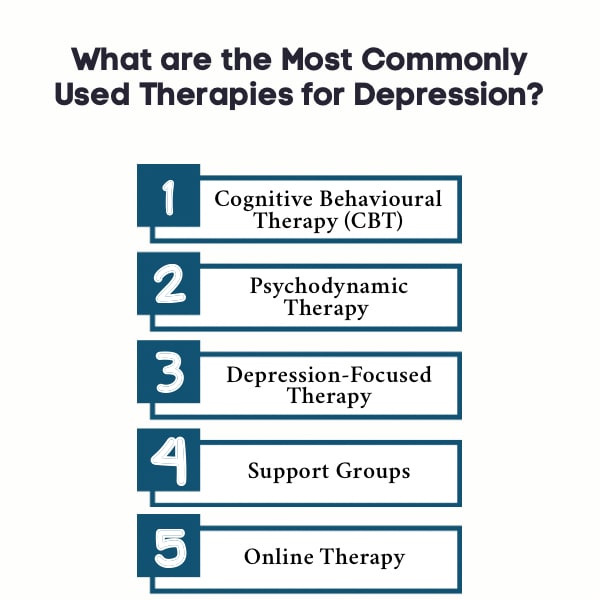
There’s no single way to treat depression; the best type of therapy that works for one person may not work for another. The good news is that there are several well-established therapeutic approaches, each designed to support you in different ways. Understanding your options can help you make an informed decision based on your needs, personality, and comfort level.
1. Cognitive Behavioural Therapy (CBT)
CBT is one of the most widely used therapies for depression. It helps you identify and reframe negative thought patterns that affect your mood, behaviour, and self-esteem. Through structured sessions, you learn to replace unhelpful beliefs with healthier, more balanced perspectives, making it a practical and goal-oriented option for many people.
2. Psychodynamic Therapy
This approach focuses on exploring unconscious emotions, early life experiences, and unresolved conflicts that may be influencing your present-day struggles. If you're interested in understanding the “why” behind your emotions and behaviours, psychodynamic therapy offers deeper emotional insight and long-term personal growth.
3. Depression-Focused Therapy
Some therapists specialise in depression therapy, which combines elements from various methods like CBT, interpersonal therapy, or mindfulness, to specifically address mood-related disorders. This approach is tailored to people dealing with major depressive disorder, persistent sadness, or emotional numbness, offering support that’s both focused and flexible.
4. Support Groups
Support groups provide a safe space to connect with others facing similar challenges. They are often led by trained facilitators or peer counsellors and can be especially helpful in reducing isolation, sharing coping strategies, and building a sense of community. They’re also a low-cost or free option for ongoing mental health support.
5. Online Therapy
If you prefer privacy, flexibility, or live in a location with limited access to therapists, online therapy platforms like TherapyRoute can be an excellent alternative. These services offer video, phone, or chat-based sessions, and some allow you to choose therapists based on language, identity, or specialisation, all from the comfort of your home.
Looking to understand how personal therapy can help? Explore the benefits of one-on-one therapy in our detailed guide.
How to Find a Therapist for Depression At TherapyRoute?
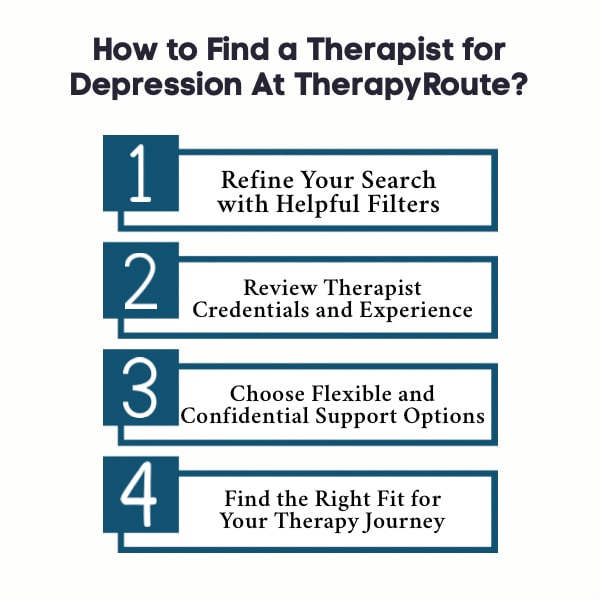
If you’re unsure where to begin, TherapyRoute makes it easy to find qualified mental health professionals across India. Whether you prefer in-person or online sessions, you can filter by location, preferences, and concerns to find the right support. Here’s how it works:`
1. Refine Your Search with Helpful Filters
Use TherapyRoute’s built-in filters to narrow down your options based on:
- Issue treated: Choose “Depression” to find specialists who focus on mood-related conditions.
- Therapist identity: Filter by gender or cultural sensitivity.
- Language preference: Select therapists who speak your preferred language.
- Mode of therapy: Choose between in-person sessions or teletherapy.
- Location: Find therapists near you or licensed professionals available across India.
2. Review Therapist Credentials and Experience
TherapyRoute profiles offer detailed information to help you assess qualifications and fit:
- Qualifications and licenses: Look for professionals with a Master’s or Doctoral degree in psychology, psychiatry, or clinical social work.
- Specialisations: Identify therapists who treat major depressive disorder, trauma, substance use, or other mental health disorders.
- Therapy approach: Understand the methods they use, such as Cognitive Behavioural Therapy, psychodynamic therapy, or family therapy.
- Experience level: Check how long the therapist has been practising and whether they’ve worked with clients who share similar challenges.
- Professional registration: Ensure the therapist is licensed with Indian bodies like the Rehabilitation Council of India (RCI) or a relevant mental health association.
3. Choose Flexible and Confidential Support Options
TherapyRoute helps you find therapists who accommodate your schedule and privacy needs:
- First-time consultations: Some therapists offer introductory sessions to help you understand the therapy process.
- Sliding-scale pricing: Where applicable, fees are adjusted based on your income, making therapy more accessible.
- Session formats: Choose from video calls, phone sessions, or secure chat. This is ideal if you prefer the comfort of your home for your therapy sessions.
- Discreet communication: You can message therapists directly to clarify doubts before booking your first therapy session.
- Health insurance compatibility: While not always listed, you can ask if sessions are covered under your mental health services plan.
4. Find the Right Fit for Your Therapy Journey
A strong sense of trust between you and your therapist is key to progress. If your first appointment doesn’t feel quite right, TherapyRoute allows you to explore other therapists until you find someone who truly understands your situation. It’s okay to take your time, because your comfort matters.
How Do You Know if a Therapist is the Right Fit?
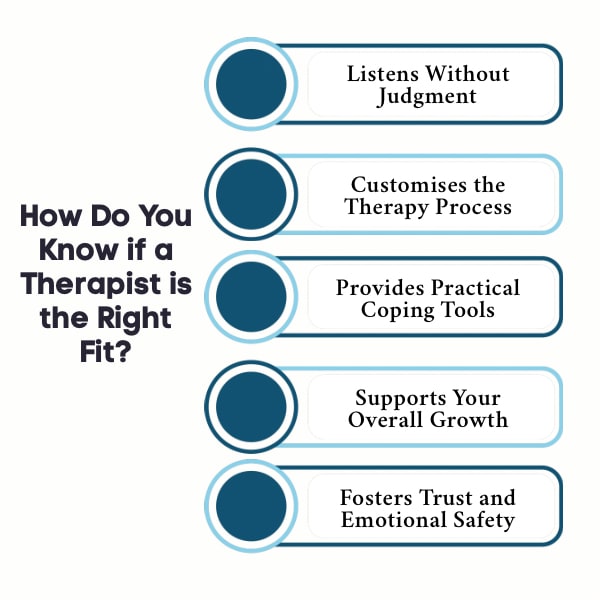
Finding the right therapist is one of the most important steps in your mental health journey. While professional qualifications are essential, how you feel in the therapy room matters just as much. Therapy works best when there’s trust, comfort, and mutual understanding between you and your therapist.
Not sure if your therapist is the right fit? These key questions can help you reflect on the quality of your therapeutic relationship:
1. Does Your Therapist Listen Without Judgment?
A good therapist creates a space where you feel seen and accepted exactly as you are. They listen attentively, without rushing you, interrupting, or making assumptions.
This non-judgmental presence allows you to speak openly, whether you're sharing confusion, anger, shame, or sadness. Feeling truly heard is often the first step toward emotional healing and self-acceptance.
2. Is the Therapy Process Tailored to Your Needs?
Every individual brings a unique story, background, and emotional makeup. A skilled therapist doesn’t rely on a one-size-fits-all approach. Instead, they personalise the aspects of therapy to align with your specific needs, pace, and goals.
Whether it's choosing the right type of therapy, setting session frequency, or adapting techniques, flexibility shows that your experience matters.
3. Are You Learning Practical Coping Tools?
Therapy is not just about talking, but it’s also about learning. A good therapist equips you with new coping skills that can be used in everyday life. These might include techniques for managing anxiety, grounding exercises for emotional regulation, or strategies for improving communication. The goal is to help you build resilience and feel more in control of your emotions.
4. Do You See Growth in Your Day-to-Day Life?
Effective therapy goes beyond symptom relief. Over time, you should notice positive shifts in how you think, feel, and interact with the world. This may look like better sleep, renewed motivation, healthier relationships, or an improved quality of life. Your therapist plays a supportive role in helping you reconnect with your strengths and long-term goals.
5. Do You Feel Safe and Understood in Sessions?
One of the most important elements of therapy is a strong sense of trust. You should feel emotionally safe to express yourself, even when discussing painful or deeply personal topics.
A therapist who fosters this kind of safe atmosphere helps you feel more comfortable being vulnerable, which is essential for healing and lasting change.
Find a Trusted Therapist in India on TherapyRoute
Looking for a verified therapist with the right experience? TherapyRoute makes it easy to connect with licensed mental health professionals across India, including clinical psychologists, psychiatrists, and certified counsellors.
Here’s how TherapyRoute supports your search:
- Filter by language, location, therapy type, and therapist gender.
- Explore detailed profiles with bios, qualifications, and availability.
- Choose from flexible formats, including in-person sessions and online therapy.
Start your mental wellness journey with confidence today!
Conclusion
Finding a good therapist for depression can feel overwhelming, especially if it’s your first time reaching out for support. But with the right guidance and resources, it becomes easier to identify a therapist who understands your unique needs and offers an approach that feels like a good fit.
Whether you’re dealing with persistent feelings of sadness, a specific type of depression, or broader mental health issues, the goal is to find someone who can offer effective treatment through a well-matched treatment plan. With many types of mental health services available, from individual therapy to online platforms, staying informed and keeping an open mind can help you take the first step with confidence and clarity.
Frequently Asked Questions
1. Is therapy effective for mild depression?
Yes, therapy can be helpful even for mild depression. It offers tools to manage emotions, build resilience, and prevent symptoms from worsening, making it a proactive step in maintaining long-term mental health and emotional balance.
2. How do I talk to my parents or spouse about needing therapy?
Use “I” statements to express how you feel, like “I’ve been feeling overwhelmed.” Emphasise that therapy is a healthy step toward emotional well-being, not a sign of weakness. Share that it helps you cope and build better mental health.
3. Can I switch therapists if I feel uncomfortable?
Yes, switching therapists is completely acceptable. Therapy should feel safe and supportive. If you don’t feel understood or heard, it’s important to find someone who’s a better fit for your needs, comfort, and personal goals.
4. What are the different types of depression?
Types of depression include major depressive disorder, persistent depressive disorder (dysthymia), postpartum depression, seasonal affective disorder, and bipolar depression. Each type may require a specific therapeutic approach for effective treatment.
5. What should you expect during your first therapy session?
Your first session typically includes a discussion of your emotional and personal history, a preliminary treatment plan, and therapy goals. The therapist may also assess your mental health concerns and recommend the number of sessions needed.
References
- [1] Gururaj, G., Varghese, M., Benegal, V., Rao, G. N., et al. / National Institute of Mental Health and Neuro Sciences (NIMHANS) (2016). National Mental Health Survey of India, 2015-16: Prevalence, Patterns and Outcomes. Ministry of Health and Family Welfare, Government of India. https:/
/ indianmhs. nimhans. ac. in/ phase1/ Docs/ Report2. pdf - [2] National Institute of Mental Health (NIMH) (2024). Depression. U.S. Department of Health and Human Services, National Institutes of Health. https:/
/ www. nimh. nih. gov/ health/ publications/ depression
Important: TherapyRoute does not provide medical advice. All content is for informational purposes and cannot replace consulting a healthcare professional. If you face an emergency, please contact a local emergency service. For immediate emotional support, consider contacting a local helpline.
Find Therapists
Must Read
Creating Space for Growth: How Boundaries Strengthen Relationships
Setting healthy boundaries fosters respect, protects emotional well-being, and strengthens relationships by defining personal limits and maintaining self-care.
International Mutual Recognition Agreements for Mental Health Professionals
Mutual recognition agreements for mental health professions are rare and uneven, with major gaps in counselling, social work, and allied therapies. Read on to understand ...
Bullying and cyberbullying statistics worldwide
How many young people are bullied at school and online worldwide and in countries on every continent, how bullying is linked to depression and anxiety, and how common bul...
Self-harm statistics worldwide
How many young people and adults self-harm worldwide and in different countries, how reported self-harm has changed over time, and what trials show about therapy that hel...
Prison mental health statistics worldwide
How common depression, psychosis, post-traumatic stress and substance use are among people in prison worldwide and in countries on every continent, how women and young pe...
About The Author

“I am a Registered Psychometrist (Independent Practice) with experience in medico-legal report writing and a vast array of psychometric assessments.”
Kerstin Holtzhausen is a qualified Psychometrist, based in Bedfrodview, Johannesburg, South Africa. With a commitment to mental health, Kerstin provides Child Psych & Diagnostic Assessment, Psych & Diagnostic Assessment, Intellectual Psych & Diagnostic Assessment, Medico-Legal and Psychometric Testing.