I feel sad - Do I Need Therapy?

TherapyRoute
Mental Health Resource
Cape Town, South Africa
❝We all feel down at times. So, how do you know if you need therapy? Talk therapy is effective for a range of mental health concerns, including depression, anxiety, and trauma. But is it right for you?❞
You’ve been feeling off lately, maybe restless, overwhelmed, or just not like yourself. Everything seems fine on the outside, but inside, there’s a quiet heaviness you can’t shake.
That’s exactly where therapy can begin, not at rock bottom, but in the in-between spaces where things don’t feel quite right. We often think therapy is only for people in deep crisis or battling severe mental illness, but that’s far from the truth. Sometimes, it’s simply a space to breathe, reflect, and find your footing again.
If you’ve ever asked yourself, Do I need therapy or am I overreacting? or wondered, How to know if I need therapy?, you’re not alone. Many of us hesitate, unsure if what we’re feeling is “serious enough.” If you find yourself snapping at loved ones, dreading mornings, or feeling like nothing’s wrong but something’s just off, therapy might help you make sense of it all.
Let’s explore what those feelings really mean and understand whether therapy might be the support you’ve been missing.
In this Article
Is It Just Sadness—or Could It be Depression?
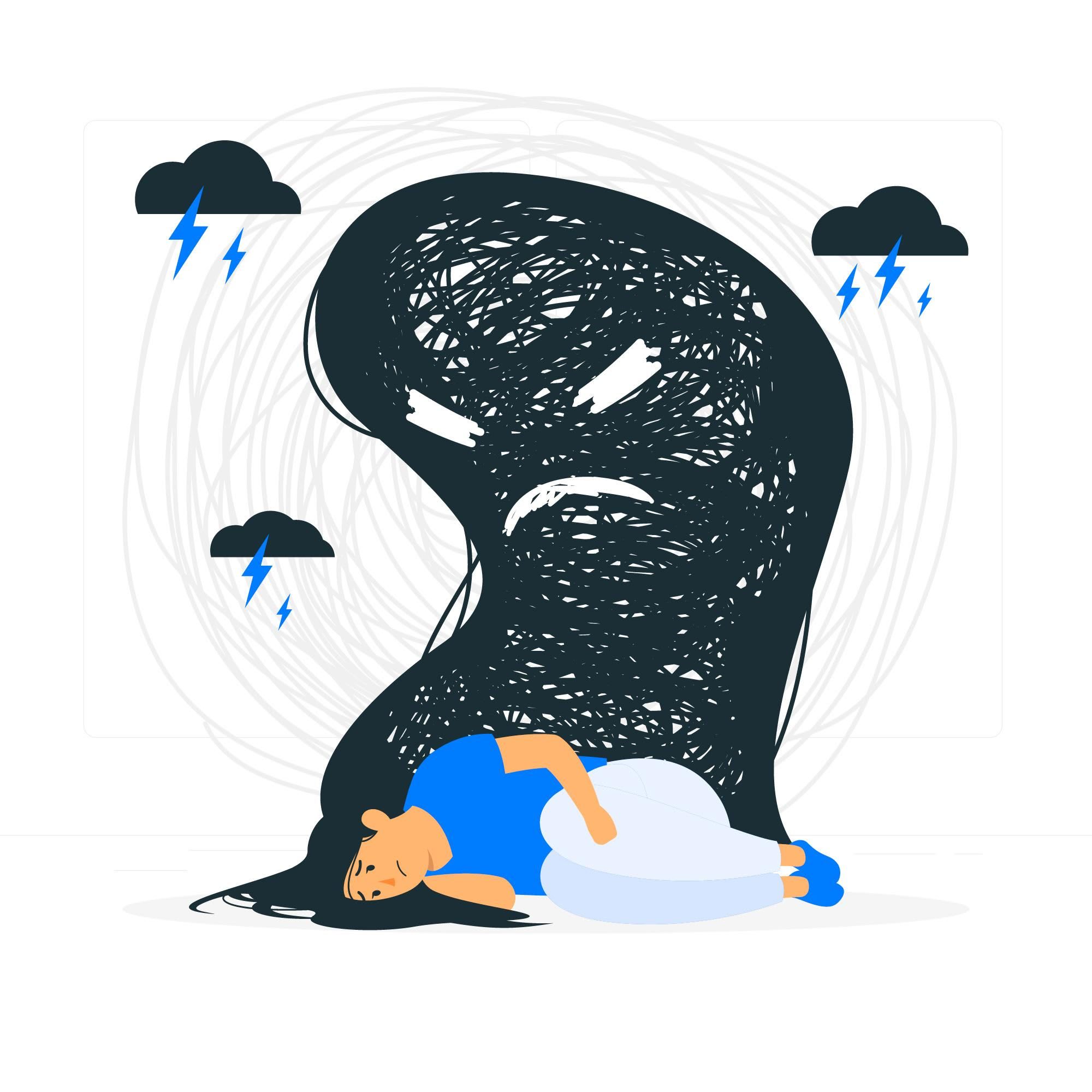
It’s common to hear someone say they’re “depressed” after a breakup, job loss, or loss of a loved one. You might feel crushed initially, but when that heaviness lingers for weeks or months, it could signal something deeper than normal sadness.
If you're struggling with low mood or depression, talking to a professional can make a real difference. Find a therapist who understands.
Find a Therapist for DepressionDepression is more than just sadness.
According to mental health professionals, it’s a mental health condition marked by a persistent low mood that affects your thoughts, behaviours, and ability to function in daily life.
That leads to the question many people silently ask: Can you actually get better?
Yes, you absolutely can. Depression may feel overwhelming, but it’s not a life sentence. You don’t have to live with it forever, and you don’t have to navigate it alone. With the right support and effective therapy, it's entirely possible to break free from its grip and start feeling like yourself again.
Whether you’re coping with grief, relationship problems, substance use, or simply feeling lost or disconnected, talk therapy with a trained therapist can guide you through it.
How to Know If You Need Therapy?
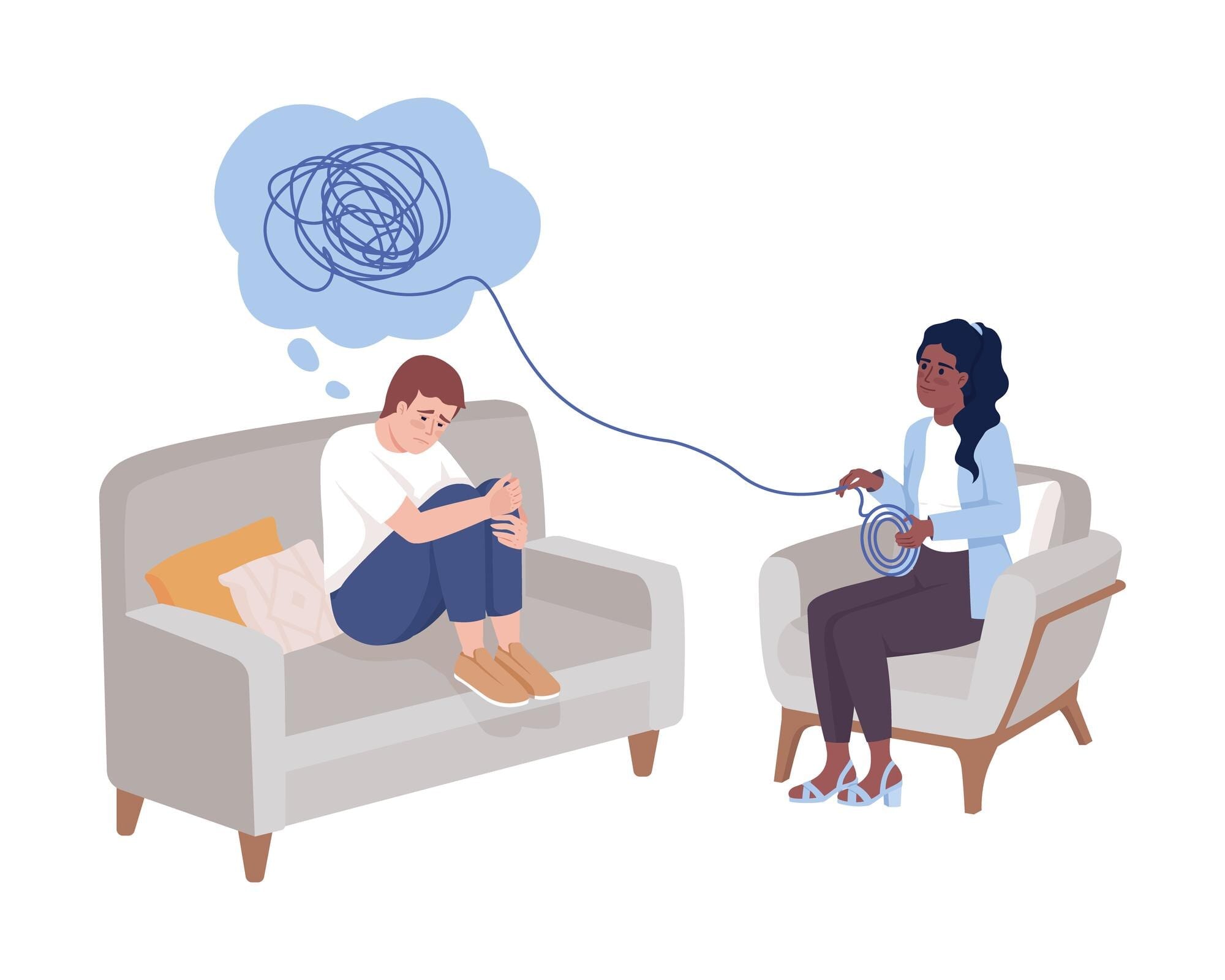
Sometimes the signs are loud, panic attacks and sleepless nights. Other times, they’re subtle, like feeling numb or constantly tired. You may wonder, “Do I need therapy, or is this just life?” But here’s the truth: you need support.
In India, therapy is becoming a normal, accepted step toward emotional well-being, whether you're dealing with work stress, family pressure, or unspoken trauma.
Needing therapy doesn’t mean something’s wrong with you. It means you’re human and going through something that deserves space, understanding, and support. Here's how to tell if it’s time to reach out.
Signs You Might Need Therapy
If you say “yes” to more than a few of the questions below, it may be time to consider speaking with a mental health professional:
- Feeling emotionally drained or low: Do you often feel overwhelmed, sad, or empty, without a clear reason?
- Intrusive negative thoughts: Are you stuck in a cycle of self-doubt or thoughts you can’t seem to control?
- Loss of interest: Have hobbies or activities you once enjoyed started to feel pointless or exhausting?
- Numbing emotions: Are you turning to food, work, or substances to avoid how you really feel?
- Unhelpful behaviour patterns: Do you feel stuck repeating behaviours that aren’t helping you move forward?
- Disrupted daily functioning: Are sleep, focus, or basic routines becoming harder to manage?
- Unprocessed trauma: Have you experienced loss, abuse, or a major life shift that you haven’t fully dealt with?
- Constant anxiety or irritability: Are you often on edge, anxious, or unusually irritable?
- Noticed changes: Have friends or family mentioned that you seem different lately?
- Doubting yourself: Do you sometimes feel like you’re “overreacting” but deep down know something’s off?
If any of this feels familiar, pause. Breathe. It’s okay. Recognising the signs that you need therapy and support is not a failure; it’s a powerful first step toward healing.
Not sure where to start?
Finding the right therapist matters. On TherapyRoute, you can explore different types of therapy, connect with qualified mental health professionals, and even try online therapy, a growing and accessible option in India.
Click here to find a therapist for yourself.
Therapy Isn’t One-Size-Fits-All: Here Are Your Options
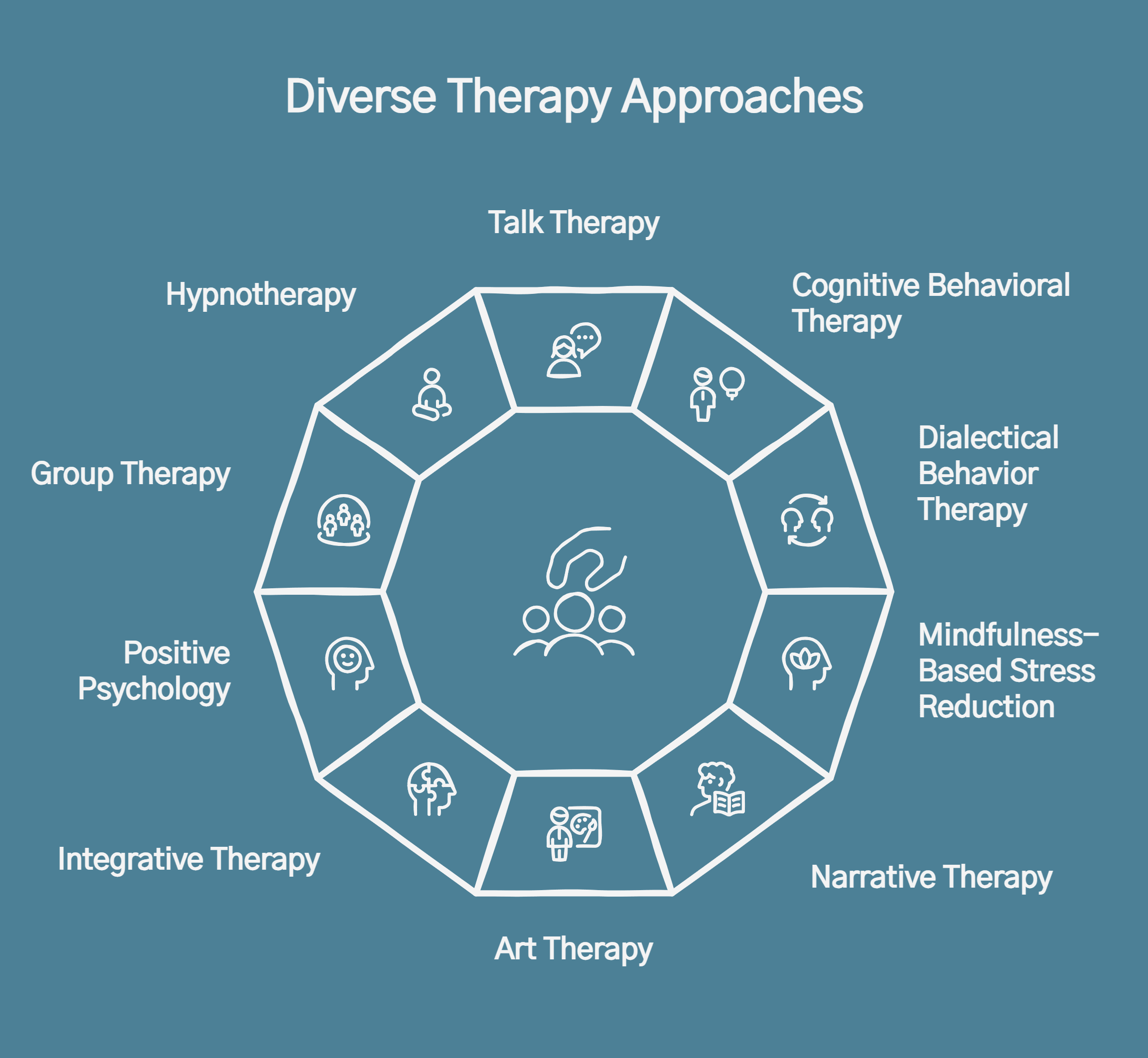
Not every therapy works the same way, and that’s a good thing. Your emotional needs, experiences, and goals are unique, and the right type of therapy can meet you where you are. Here’s a quick guide to some of the most effective approaches:
1. Talk Therapy
What is it?
Talk therapy is one of the most common and effective approaches to mental health treatment. In this format, you speak openly with a trained therapist about your thoughts, emotions, and personal challenges. It provides a safe, non-judgmental space to unpack recent stress, unresolved trauma, or long-term mental health issues, helping you feel seen, heard, and supported.
How does it work?
Through regular, face-to-face or online sessions, your therapist helps you explore patterns in your thoughts and behaviours, process emotional pain, and develop healthier coping strategies. Healing happens through honest dialogue and reflective questioning, no pressure, just space to breathe and grow.
Who it’s best for?
- Anyone feeling emotionally stuck, like someone who can’t explain why they feel low or disconnected from their daily life.
- People navigating relationship problems or major life changes, such as a breakup, job loss, or moving cities.
- Those recovering from trauma, grief, or loss, for example, someone who hasn’t fully processed the death of a loved one or childhood trauma.
- Individuals looking to improve self-awareness and well-being, like someone wanting to break old patterns or understand why certain situations keep triggering them.
- Anyone unsure of what’s wrong, but knows they need support, for instance, someone who appears “fine” on the outside but feels lost or unfulfilled within.
2. Cognitive Behavioral Therapy (CBT)
What is it?
Backed by over 500 clinical studies Cognitive Behavioral Therapy (CBT) is one of the most evidence-based and widely recommended treatments for anxiety, depression, and related mental health conditions. It explores how your thoughts, emotions, and behaviours are interlinked and how shifting negative thinking can lead to meaningful change. CBT is structured, practical, and short-term, usually spanning 6–20 sessions.
How does it work?
Your therapist helps you identify harmful thought patterns, challenge them with logic and evidence, and replace them with healthier, more realistic perspectives. Over time, this shift improves emotional regulation and decision-making, empowering you to respond better in daily life.
Who it’s best for:
- People with anxiety or panic attacks, such as someone who experiences racing thoughts and breathlessness before social events.
- Those with PTSD or OCD, like a survivor of a traumatic event, who feels trapped in flashbacks or compulsive behaviours.
- Individuals with low self-esteem, for example, someone who constantly criticises themselves and feels “never good enough.”
- Anyone facing addiction, eating disorders, or chronic stress, like someone turning to food or alcohol to manage their emotional pain.
- People who want practical tools and structure, such as someone who appreciates step-by-step guidance and wants to see measurable progress.
3. Dialectical Behavior Therapy (DBT)
What is it?
Dialectical Behavior Therapy (DBT) is a specialised form of CBT designed to help people manage intense emotions and improve their relationships. It emphasises the balance between accepting yourself as you are while working toward meaningful change.
How does it work?
DBT teaches practical skills in four key areas: mindfulness, emotional regulation, distress tolerance, and interpersonal effectiveness. Sessions may include individual therapy, skills training groups, and real-life coaching to apply these tools in daily situations.
Who it’s best for:
- Individuals with borderline personality disorder (BPD) may feel emotionally volatile and struggle with self-identity.
- Those who struggle with emotional outbursts or intense mood swings, and want to understand and regulate their emotional responses.
- People dealing with self-harm, suicidal thoughts, or impulsive behaviours, who need structured, skill-based support to stay safe and grounded. If you are struggling with those thoughts now, see helplines and suicide hotlines worldwide.
- Anyone facing relationship difficulties or extreme fear of abandonment often feels stuck in unstable or intense interpersonal dynamics.
- Those who feel overwhelmed by emotions and want structured emotional support, especially if day-to-day feelings feel unmanageable or unpredictable.
4. Mindfulness-Based Stress Reduction (MBSR)
What is it?
Mindfulness-Based Stress Reduction (MBSR) is a therapeutic approach that uses mindfulness and meditation to help individuals manage stress, anxiety, and chronic health conditions. Developed by Dr. Jon Kabat-Zinn, it encourages staying present and aware, rather than getting caught up in worries about the past or future.
How does it work?
MBSR is usually offered as an 8-week programme involving guided meditations, gentle yoga, and group discussions. It helps train your mind to respond to stress in a calmer, more conscious way, rather than reacting impulsively.
Who it’s best for:
- People dealing with chronic stress, burnout, or work pressure, who need tools to slow down, reset, and manage everyday overwhelm.
- Those living with chronic pain or long-term medical conditions, looking for gentle ways to reduce suffering and improve quality of life.
- Individuals with anxiety or mild depression who want to build awareness and respond to emotional distress more mindfully.
- Anyone who feels overwhelmed and wants to cultivate inner calm, especially when life feels too noisy or fast-paced.
- People looking to improve emotional balance and focus in daily life, and bring more presence and clarity to their routines.
5. Narrative Therapy
What is it?
Narrative Therapy is a collaborative, non-blaming approach that helps people see their problems as separate from their identity. It encourages individuals to explore their personal stories and understand how these narratives shape their beliefs, behaviours, and emotions. The idea is: You are not the problem—the problem is the problem.
How does it work?
With the help of a mental health professional, you’ll explore and “re-author” the stories you’ve been telling yourself, especially those rooted in pain, failure, or fear. This creates space for new, more empowering narratives to emerge.
Who it’s best for:
- Individuals dealing with low self-esteem or self-doubt who want to rewrite the internal stories holding them back.
- People recovering from trauma, loss, or abuse need a safe space to process and reshape their experiences.
- Those struggling with identity issues or life transitions, who are searching for clarity and self-understanding.
- Children, teens, or adults who express themselves better through stories, rather than direct discussion or traditional talk therapy.
- Anyone feeling “stuck” in a negative or limiting life narrative, and wants to explore a more empowering perspective.
6. Art Therapy
What is it?
Art Therapy is a form of psychotherapy that uses creative expression, such as drawing, painting, or sculpting, to help people explore their emotions, reduce stress, and improve mental well-being. It’s not about being “good” at art; it’s about using creativity as a tool for healing and self-discovery.
How does it work?
Guided by a trained therapist, you engage in art-making activities that allow you to express thoughts and feelings that might be difficult to put into words. The artwork becomes a bridge between your inner experience and emotional healing.
Who it’s best for:
- Children and teenagers who struggle to express emotions verbally need a non-verbal outlet for emotional exploration.
- Adults dealing with grief, trauma, or mental health issues benefit from creative, reflective processes.
- Survivors of sexual abuse or emotional neglect looking for a gentle, expressive path to healing.
- People coping with anxiety, PTSD, or emotional distress may feel overwhelmed by traditional talk therapy.
- Anyone who finds comfort and clarity through creative expression and wants to explore emotions through art, not words.
7. Integrative Therapy
What is it?
Integrative Therapy is a flexible and personalised approach that combines techniques from different types of therapy, such as CBT, psychodynamic, and humanistic therapies, to suit your unique needs. Instead of following one strict method, the therapist adapts their approach based on what works best for you.
How does it work?
Your therapist will carefully assess your emotional, psychological, and even cultural background to create a customised therapy plan. This can evolve over time, making sure the therapy grows with your mental health journey.
Who it’s best for:
- People with complex emotional issues that don’t fit into one category, and need a more personalised approach.
- Those who want a tailored therapy experience, instead of a one-size-fits-all method.
- Individuals dealing with relationship problems, self-worth issues, or life transitions benefit from a mix of techniques.
- Anyone who hasn’t felt helped by a single therapy style in the past and is open to exploring different tools.
- People looking for a holistic and flexible therapeutic approach that aligns with their unique goals and needs.
8. Positive Psychology
What is it?
Positive Psychology is a strengths-based approach to therapy that focuses on what’s going right in your life, rather than just fixing what’s wrong. Instead of only addressing problems or mental health issues, it helps you build resilience, increase life satisfaction, and find deeper meaning in everyday experiences.
How does it work?
Through exercises like gratitude journaling, identifying personal strengths, goal-setting, and mindfulness, your therapist guides you to shift focus towards positive emotions, meaningful connections, and personal growth.
Who it’s best for:
- Individuals feeling “okay” but wanting to live more fully, seeking greater meaning and joy.
- People struggling with low motivation or life dissatisfaction, looking to reignite their passion and drive.
- Those interested in personal development and building emotional strength, aiming for lasting positive change.
- Anyone recovering from a difficult phase and ready to move forward, embracing growth and new possibilities.
- Students, professionals, or parents seeking balance and purpose in daily life, juggling multiple responsibilities with clarity.
9. Group Therapy
What is it?
Group Therapy involves a small number of people coming together to share their experiences and support each other under the guidance of a trained therapist. It creates a sense of community where you realise you’re not alone in your struggles, helping build connection and understanding.
How does it work?
In a safe, confidential setting, members discuss common challenges, learn new coping skills, and give feedback to each other. The therapist facilitates discussions, ensuring everyone gets a chance to participate and benefit.
Who it’s best for:
- People feeling isolated or lonely with their mental health issues, seeking connection and understanding.
- Those struggling with relationship problems, addiction, or grief, looking for support in a safe space.
- Individuals looking to build social skills and confidence, wanting to improve interactions and self-esteem.
- Anyone who benefits from shared experiences and peer support finds strength in community.
- People comfortable in a group setting who want a cost-effective therapy option, valuing both support and affordability.
10. Hypnotherapy
What is it?
Hypnotherapy is a therapeutic technique that uses guided relaxation and focused attention to access your subconscious mind. This helps uncover hidden thoughts and feelings, making it easier to change negative patterns and overcome mental health challenges.
How does it work?
During a session, a qualified hypnotherapist guides you into a calm, trance-like state where your mind is more open to positive suggestions and new perspectives, helping you break free from unwanted habits or emotional blocks.
Who it’s best for:
- People dealing with anxiety, phobias, or stress, seeking relief and coping strategies.
- Those struggling with addiction or unhealthy habits like smoking, looking for support to change their behaviour.
- Individuals facing sleep problems or chronic pain wanting to manage symptoms through relaxation techniques.
- Anyone wanting to improve self-confidence or motivation, aiming for personal growth.
- People open to alternative therapies alongside conventional treatment, exploring holistic healing options.
Is Therapy the Same as Counselling?
While often used interchangeably, therapy and counselling have subtle differences. According to Jessica Tapana, therapy usually goes deeper, aiming to address the root causes of issues, while counselling often focuses on coping skills and psychoeducation.
- Most mental health professionals do a mix of both.
- Even those called counsellors may offer deeper therapy.
- It’s okay to ask directly about their methods and whether they’ll fully treat your concerns.
Understanding this helps you find the right support for your mental health journey.
Choosing a Therapist? Let TherapyRoute Help You Make the Right Choice
Finding the right therapist can feel overwhelming, especially when you're already dealing with stress, anxiety, or emotional pain. That’s where TherapyRoute steps in.
TherapyRoute connects you with qualified, compassionate mental health professionals across the world who match your unique needs, preferences, and budget. Whether you're looking for online therapy, support for a specific mental health condition, or someone who understands your cultural background, we make it easier to find a therapist who truly fits. With us, you get access to:
✅ Verified profiles of licensed therapists
✅ Advanced filters to find the right expertise, language, or therapy style
✅ Confidential, secure access to care, wherever you are
✅ Support for individuals, couples, teens, and families
Start your healing journey with confidence.
Find the right therapist today on TherapyRoute.
Conclusion
If you’ve been wondering, Do I really need therapy? That question alone is a sign it’s worth exploring. You don’t need to wait for things to get worse. Therapy isn’t just for crises; it’s a tool for growth, clarity, and emotional well-being.
Whether you're feeling stuck, overwhelmed, or simply not yourself, reaching out for support is a sign of strength, not weakness. Pay attention to your mental and emotional well-being just as you would your physical health.
If something doesn’t feel right, trust that instinct. You don’t need to have all the answers; seeking help can be the first, most empowering step.
Frequently Asked Questions
Why do people need therapy if they have friends or family to talk to?
Friends and family can be a great source of support, but they’re not trained to help with complex mental health challenges. A mental health professional offers a safe, unbiased space where you can explore thoughts and behaviours without judgment. Therapy also provides evidence-based tools and coping strategies that loved ones may not be equipped to offer.
How do I know if I need therapy even if my life seems “fine”?
You don’t need to wait for things to fall apart to seek help. Many people start therapy not because they’re in crisis, but because they want to better understand themselves, improve their relationships, or manage stress. If you're feeling emotionally disconnected, unfulfilled, or just stuck, therapy can offer support and clarity, even if everything looks okay on the surface.
What should I expect when I first start therapy?
The first few sessions often focus on understanding your concerns and building trust with your therapist. It may feel unfamiliar at first, but that’s okay. A good therapist will create a non-judgmental, supportive environment where you can open up at your own pace. Over time, you’ll begin to see shifts in your thinking, coping mechanisms, and emotional well-being.
What percent of Gen Z goes to therapy?
Recent studies show that around 42% of Gen Z have seen a therapist, reflecting their growing openness to mental health support and willingness to prioritise emotional well-being.
Is it OK to not go to therapy?
Yes, it's okay not to go to therapy if you're coping well. But if you're feeling overwhelmed, stuck, or emotionally exhausted, therapy can offer valuable tools and support to navigate those challenges.
Important: TherapyRoute does not provide medical advice. All content is for informational purposes and cannot replace consulting a healthcare professional. If you face an emergency, please contact a local emergency service. For immediate emotional support, consider contacting a local helpline.
Find Therapists
Must Read
Creating Space for Growth: How Boundaries Strengthen Relationships
Setting healthy boundaries fosters respect, protects emotional well-being, and strengthens relationships by defining personal limits and maintaining self-care.
International Mutual Recognition Agreements for Mental Health Professionals
Mutual recognition agreements for mental health professions are rare and uneven, with major gaps in counselling, social work, and allied therapies. Read on to understand ...
Mental Health Licensing & Regulation in New York State: 2026 Guide
Mental Health Licensing & Regulation in Singapore: 2026 Guide
Jumping to Conclusions
Jumping to conclusions is a thinking habit where we assume the worst or make judgments without enough evidence. By recognising this pattern, therapy can help you slow dow...
About The Author

TherapyRoute
Mental Health Resource
Cape Town, South Africa
“Our mission is to help people access mental healthcare when they need it most.”
TherapyRoute is a mental health resource platform connecting individuals with qualified therapists. Our team curates valuable mental health information and provides resources to help you find the right professional support for your needs.