Grief and Loss

Grief and Loss

TherapyRoute

TherapyRoute

Clinical Editorial

Cape Town, South Africa

Medically reviewed by TherapyRoute
Grief touches everyone, yet no two experiences unfold the same way. Read on to explore what grief really is, how it appears across different losses and relationships, and why there is no “right” timeline, only a deeply human process of adapting, remembering, and healing.

Grief is the natural emotional response to losing someone or something important to you. It's one of the most universal human experiences, yet it can feel incredibly isolating and overwhelming when you're going through it. Understanding grief can help you navigate this difficult process and find ways to heal while honouring what you've lost.

Therapy should be personal. Our therapists are qualified, independent, and free to answer to you – no scripts, algorithms, or company policies.

Find Your Therapist

Table of Contents


What Is Grief?

Grief is your emotional, physical, and spiritual response to loss. It's not just sadness - grief includes a wide range of feelings, thoughts, and physical sensations that come with losing someone or something meaningful to you. Grief is a natural and necessary process that helps you adjust to life without what you've lost.

Everyone grieves differently. There's no right or wrong way to grieve, and there's no set timeline for how long grief should last. Your grief is unique to you, your relationship with what you lost, and your personal circumstances.

Grief isn't something you "get over" or "move on" from. Instead, you learn to carry your grief and integrate the loss into your life. Over time, the intense pain of grief typically becomes less frequent and less overwhelming, but the love and memories remain.

It's important to understand that grief is not a mental illness or something that needs to be fixed. It's a normal response to loss that requires patience, self-compassion, and often support from others.

Types of Loss

Death of a Loved One

The death of someone close to you is often the most intense form of grief.

Family Members:

  • Parents - Losing a parent at any age is profound and life-changing
  • Spouse or partner - Loss of life companion and shared future
  • Children - Often considered the most devastating loss a person can experience
  • Siblings - Loss of lifelong relationship and shared history
  • Grandparents - Often first experience with death and loss

Close Relationships:

  • Friends - Loss of chosen family and important connections
  • Mentors - People who guided and influenced your life
  • Colleagues - Work relationships that provided daily connection
  • Neighbours - Community connections and familiar presence
  • Caregivers - People who provided important care and support

Circumstances of Death:

  • Expected death - After long illness, allows for some preparation
  • Sudden death - Accidents, heart attacks, or unexpected events
  • Suicide - Complex grief involving guilt, anger, and unanswered questions
  • Homicide - Traumatic grief involving violence and injustice
  • Death by overdose - Grief complicated by stigma and guilt

Non-Death Losses

Many significant losses don't involve death but still cause genuine grief.

Relationship Losses:

  • Divorce or breakup - End of romantic relationship and shared future
  • Estrangement - Family members or friends who are no longer in your life
  • Friendship endings - Loss of important friendships
  • Empty nest - Children leaving home and changing family dynamics
  • Custody changes - Reduced time with children after divorce

Health Losses:

  • Chronic illness diagnosis - Loss of health and previous lifestyle
  • Disability - Loss of physical or cognitive abilities
  • Mental health changes - Loss of previous mental functioning
  • Fertility issues - Loss of ability to have biological children
  • Ageing changes - Loss of youth, energy, or physical capabilities

Life Transition Losses:

  • Job loss - Loss of income, identity, and daily structure
  • Retirement - Loss of work identity and purpose
  • Moving - Loss of home, community, and familiar surroundings
  • Financial loss - Loss of security and lifestyle
  • Dreams unfulfilled - Loss of hoped-for future or goals

Identity Losses:

  • Role changes - Loss of identity as parent, spouse, or professional
  • Cultural displacement - Loss of cultural identity or community
  • Religious changes - Loss of faith or spiritual community
  • Ability changes - Loss of skills or talents due to injury or illness
  • Independence loss - Needing care or assistance with daily activities

Anticipatory Grief

Grief that begins before the actual loss occurs.

Characteristics:

  • Gradual process - Grief develops slowly as loss becomes more certain
  • Mixed emotions - Sadness combined with relief, guilt, or hope
  • Preparation time - Opportunity to say goodbye and make arrangements
  • Emotional exhaustion - Prolonged stress and emotional intensity
  • Complicated feelings - Guilt about grieving before death occurs

Common Situations:

  • Terminal illness - When someone is dying from cancer or other disease
  • Dementia - Gradual loss of the person you knew
  • Military deployment - Anticipating potential loss of service member
  • Divorce proceedings - Anticipating end of marriage
  • Job elimination - Knowing your position will be eliminated

Benefits and Challenges:

  • Time to prepare - Opportunity to have important conversations
  • Emotional preparation - Beginning to process the loss
  • Practical arrangements - Time to make necessary plans
  • Exhaustion - Emotional and physical drain of prolonged grief
  • Guilt - Feeling bad about grieving before loss occurs

Stages and Phases of Grief

The Five Stages of Grief

Originally developed by Elisabeth Kübler-Ross, these stages describe common experiences in grief.

Important Notes:

  • Not linear - You don't go through stages in order
  • Not universal - Not everyone experiences all stages
  • Can repeat - You might cycle through stages multiple times
  • Individual timing - Each stage can last different amounts of time
  • Normal variations - Your grief might look different from these stages

Denial

Difficulty accepting the reality of the loss.

What It Looks Like:

  • Disbelief - "This can't be happening" or "This isn't real"
  • Numbness - Feeling emotionally disconnected or in shock
  • Avoidance - Not talking about the loss or avoiding reminders
  • Searching - Looking for the person or expecting them to return
  • Minimising - Downplaying the significance of the loss

Purpose:

  • Protection - Shields you from overwhelming pain
  • Gradual acceptance - Allows reality to sink in slowly
  • Coping mechanism - Gives you time to gather emotional resources
  • Shock buffer - Helps manage initial impact of loss
  • Survival function - Allows you to function during early grief

How Long It Lasts:

  • Varies greatly - From hours to months
  • Comes and goes - May return during difficult times
  • Gradual lifting - Usually decreases over time
  • Triggered returns - May return during anniversaries or reminders
  • Individual process - No set timeline for anyone

Anger

Feelings of rage, resentment, or frustration about the loss.

What It Looks Like:

  • Rage - Intense anger about the unfairness of the loss
  • Blame - Anger at doctors, God, yourself, or the person who died
  • Resentment - Bitterness toward others who haven't experienced loss
  • Irritability - Being easily annoyed or frustrated
  • Guilt - Anger turned inward, blaming yourself

Common Targets:

  • Medical professionals - Anger at doctors or healthcare system
  • God or higher power - Anger at spiritual beliefs or lack thereof
  • The deceased - Anger at the person for leaving you
  • Yourself - Anger about things you did or didn't do
  • Others - Anger at people who still have what you lost

Why Anger Happens:

  • Powerlessness - Anger is often easier to feel than helplessness
  • Unfairness - Loss often feels unjust and wrong
  • Love expression - Anger can be a way of expressing how much you cared
  • Energy - Anger provides energy when you feel depleted
  • Control attempt - Trying to regain some sense of control

Bargaining

Attempting to negotiate or make deals to reverse or lessen the loss.

What It Looks Like:

  • "What if" thoughts - Imagining different scenarios that could have prevented loss
  • Deals with God - Promising to change if the loss can be undone
  • Guilt and regret - Focusing on what you could have done differently
  • Magical thinking - Believing you can somehow change what happened
  • Seeking control - Trying to find ways to influence the outcome

Common Bargains:

  • Religious bargains - "God, if you bring them back, I'll be a better person"
  • Behavioural changes - "If I had just called more often, this wouldn't have happened"
  • Medical bargains - "If we try this treatment, maybe they'll get better"
  • Time bargains - "Just let them live until Christmas"
  • Lifestyle changes - "I'll never drink again if you save them"

Purpose:

  • Hope maintenance - Keeps hope alive during difficult times
  • Control seeking - Attempts to regain sense of control
  • Guilt processing - Way of working through regret and guilt
  • Gradual acceptance - Step toward accepting reality
  • Meaning-making - Trying to make sense of the loss

Depression

Deep sadness and despair about the loss.

What It Looks Like:

  • Profound sadness - Deep, overwhelming feelings of sadness
  • Emptiness - Feeling hollow or like something is missing
  • Hopelessness - Difficulty seeing a future without what you lost
  • Withdrawal - Pulling away from activities and relationships
  • Physical symptoms - Fatigue, sleep problems, appetite changes

Two Types:

  • Reactive depression - Sadness about specific aspects of the loss
  • Preparatory depression - Sadness about letting go and moving forward

What You Might Experience:

  • Crying spells - Frequent or unexpected episodes of crying
  • Loneliness - Feeling alone even when surrounded by people
  • Yearning - Deep longing for what you've lost
  • Regret - Sadness about missed opportunities or unfinished business
  • Fear - Worry about the future without what you've lost

Important Distinctions:

  • Normal grief sadness - Natural response to loss
  • Clinical depression - May require professional treatment
  • Temporary state - Usually lessens over time
  • Necessary process - Important part of healing
  • Individual experience - Varies greatly between people

Acceptance

Coming to terms with the reality of the loss.

What It Looks Like:

  • Reality acknowledgement - Accepting that the loss has occurred
  • Emotional stability - Less intense emotional swings
  • Future orientation - Beginning to think about life moving forward
  • Meaning-making - Finding ways to honour the loss
  • Reinvestment - Gradually engaging with life again

What Acceptance Is NOT:

  • Being "over it" - You don't stop caring or missing what you lost
  • Happiness - You don't have to be happy about the loss
  • Forgetting - You don't forget the person or what you lost
  • No more sadness - You may still feel sad sometimes
  • Quick process - Acceptance often takes considerable time

Signs of Acceptance:

  • Stable emotions - Emotions are more manageable and predictable
  • Functional daily life - Able to handle daily responsibilities
  • Social engagement - Reconnecting with friends and activities
  • Hope for future - Ability to imagine and plan for the future
  • Honouring memory - Finding meaningful ways to remember what you lost

Other Grief Models

Worden's Tasks of Mourning

Four tasks that help people work through grief.

Task 1: Accept the Reality of the Loss

  • Acknowledge - Recognise that the loss has actually occurred
  • Understand - Comprehend the meaning and implications of the loss
  • Stop searching - End behaviours that seek to find what was lost
  • Face reality - Confront the truth of the situation
  • Move beyond denial - Work through disbelief and shock

Task 2: Process the Pain of Grief

  • Feel emotions - Allow yourself to experience the full range of grief emotions
  • Express feelings - Find healthy ways to express your grief
  • Avoid numbing - Don't use substances or behaviors to avoid pain
  • Seek support - Get help from others during difficult times
  • Be patient - Understand that processing pain takes time

Task 3: Adjust to Life Without What Was Lost

  • External adjustments - Learn new skills or take on new roles
  • Internal adjustments - Develop new sense of self and identity
  • Spiritual adjustments - Examine and possibly revise beliefs and values
  • Practical changes - Handle new responsibilities and daily tasks
  • Relationship changes - Navigate changed relationships with others

Task 4: Maintain Connection While Moving Forward

  • Continuing bonds - Find ways to maintain emotional connection
  • Honour memory - Create meaningful ways to remember
  • Invest in new relationships - Open yourself to new connections
  • Create meaning - Find purpose and meaning in your experience
  • Live fully - Engage with life while carrying your love and memories

Dual Process Model

Balancing loss-oriented and restoration-oriented coping.

Loss-Oriented Coping:

  • Grief work - Actively processing emotions and memories
  • Yearning - Feeling the pain of missing what you lost
  • Crying - Expressing sadness and pain
  • Remembering - Focusing on memories and the relationship
  • Intrusion of grief - Allowing grief to be present in your life

Restoration-Oriented Coping:

  • New activities - Engaging in new experiences and relationships
  • New roles - Taking on different responsibilities or identities
  • Distraction - Taking breaks from grief through other activities
  • New relationships - Forming new connections and friendships
  • Future focus - Planning and working toward future goals

Oscillation:

  • Back and forth - Moving between loss and restoration focus
  • Natural process - Normal to alternate between different coping styles
  • Individual rhythm - Each person has their own pattern of oscillation
  • Healthy balance - Both types of coping are necessary for healing
  • No judgement - Neither approach is better than the other

Symptoms and Experiences of Grief

Emotional Symptoms

The wide range of feelings that come with grief.

Primary Emotions

Sadness:
  • Deep sorrow - Profound feelings of sadness and sorrow
  • Emptiness - Feeling like something essential is missing
  • Melancholy - Persistent low mood and pensiveness
  • Despair - Feeling hopeless about the future
  • Heartache - Physical sensation of emotional pain

Anger:

  • Rage - Intense anger about the unfairness of loss
  • Irritability - Being easily annoyed or frustrated
  • Resentment - Bitterness toward others or circumstances
  • Indignation - Anger about injustice or wrongness of loss
  • Fury - Explosive anger that may surprise you

Fear:

  • Anxiety - Worry about the future without what you lost
  • Panic - Sudden, intense fear or anxiety
  • Insecurity - Feeling unsafe or uncertain
  • Vulnerability - Feeling exposed and unprotected
  • Terror - Intense fear about your ability to cope

Secondary Emotions

Guilt:
  • Survivor's guilt - Feeling bad about being alive when someone else died
  • Regret - Wishing you had done things differently
  • Self-blame - Blaming yourself for the loss
  • Shame - Feeling bad about your grief reactions
  • Responsibility - Feeling responsible for what happened

Relief:

  • End of suffering - Relief that pain or illness has ended
  • Burden lifted - Relief from caregiving responsibilities
  • Uncertainty ended - Relief that waiting and uncertainty are over
  • Peace - Feeling that the person is at peace
  • Freedom - Relief from difficult relationship dynamics

Confusion:

  • Disorientation - Feeling lost or confused about life
  • Uncertainty - Not knowing what to do or how to proceed
  • Identity confusion - Questioning who you are without what you lost
  • Decision difficulty - Trouble making even simple decisions
  • Mental fog - Difficulty thinking clearly

Physical Symptoms

How grief affects your body and physical health.

Common Physical Symptoms

Fatigue:
  • Exhaustion - Feeling tired even after rest
  • Low energy - Lack of energy for daily activities
  • Weakness - Feeling physically weak or drained
  • Heaviness - Feeling like your body is heavy or weighted down
  • Lethargy - Lack of motivation to move or be active

Sleep Problems:

  • Insomnia - Difficulty falling asleep or staying asleep
  • Oversleeping - Sleeping much more than usual
  • Restless sleep - Tossing and turning, not feeling rested
  • Nightmares - Disturbing dreams about loss or death
  • Sleep schedule disruption - Irregular sleep patterns

Appetite Changes:

  • Loss of appetite - Not feeling hungry or interested in food
  • Overeating - Eating much more than usual
  • Taste changes - Food tasting different or bland
  • Nausea - Feeling sick to your stomach
  • Weight changes - Significant weight loss or gain

Physical Pain:

  • Chest pain - Feeling of tightness or pain in chest
  • Headaches - Frequent or severe headaches
  • Muscle aches - General body aches and pains
  • Stomach problems - Digestive issues, cramping, or upset stomach
  • Throat tightness - Feeling like there's a lump in your throat

Stress-Related Physical Symptoms

Cardiovascular:
  • Heart palpitations - Awareness of heartbeat or irregular rhythm
  • High blood pressure - Elevated blood pressure from stress
  • Chest tightness - Feeling of pressure or constriction
  • Shortness of breath - Difficulty breathing or feeling winded
  • Dizziness - Feeling lightheaded or unsteady

Immune System:

  • Frequent illness - Getting sick more often than usual
  • Slow healing - Cuts and injuries taking longer to heal
  • Increased infections - More susceptible to colds and other infections
  • Allergies - Increased sensitivity to allergens
  • Autoimmune flares - Worsening of autoimmune conditions

Nervous System:

  • Trembling - Shaking or tremors, especially in hands
  • Muscle tension - Tight muscles, especially in neck and shoulders
  • Coordination problems - Clumsiness or difficulty with fine motor skills
  • Sensitivity - Increased sensitivity to light, sound, or touch
  • Numbness - Feeling emotionally or physically numb

Cognitive Symptoms

How grief affects your thinking and mental processes.

Memory and Concentration

Memory Problems:
  • Forgetfulness - Forgetting appointments, names, or important information
  • Short-term memory loss - Difficulty remembering recent events
  • Absent-mindedness - Forgetting routine tasks or where you put things
  • Memory gaps - Periods of time you don't remember clearly
  • Intrusive memories - Unwanted memories of the loss or deceased

Concentration Difficulties:

  • Attention problems - Difficulty focusing on tasks or conversations
  • Distractibility - Easily distracted by thoughts or environment
  • Reading problems - Difficulty concentrating on reading material
  • Work difficulties - Trouble focusing on job responsibilities
  • Decision-making problems - Difficulty making even simple decisions

Thought Patterns

Preoccupation:
  • Obsessive thoughts - Constantly thinking about the loss
  • Rumination - Repeatedly going over events or memories
  • What-if thinking - Constantly imagining different scenarios
  • Searching behaviours - Looking for the person in crowds or familiar places
  • Yearning - Intense longing and desire for what you lost

Disorganised Thinking:

  • Mental fog - Feeling like your thinking is unclear or cloudy
  • Confusion - Difficulty understanding or processing information
  • Disorientation - Feeling lost or unsure about time or place
  • Racing thoughts - Mind jumping quickly from thought to thought
  • Blank mind - Periods where you can't think of anything

Behavioural Symptoms

How grief changes your actions and behaviours.

Social Behaviours

Withdrawal:
  • Social isolation - Avoiding friends, family, and social activities
  • Communication avoidance - Not answering phone calls or messages
  • Activity avoidance - Stopping participation in usual activities
  • Work avoidance - Calling in sick or avoiding work responsibilities
  • Relationship withdrawal - Pulling away from close relationships

Seeking Connection:

  • Clinging - Wanting to be around others constantly
  • Talking excessively - Needing to talk about the loss repeatedly
  • Seeking reassurance - Constantly asking others for comfort or validation
  • Joining groups - Seeking out grief support groups or communities
  • Helping others - Focusing on helping others who are grieving

Daily Life Changes

Routine Disruption:
  • Schedule changes - Unable to maintain usual daily routines
  • Hygiene neglect - Not taking care of personal hygiene
  • Household neglect - Not keeping up with cleaning or maintenance
  • Responsibility avoidance - Not handling usual responsibilities
  • Time disorientation - Losing track of time or days

Restless Behaviours:

  • Pacing - Walking back and forth or inability to sit still
  • Fidgeting - Nervous movements or inability to be still
  • Cleaning - Compulsive cleaning or organising
  • Searching - Looking through belongings or visiting meaningful places
  • Repetitive actions - Doing the same things over and over

Complicated Grief

What Is Complicated Grief?

When grief becomes stuck or doesn't progress naturally over time.

Characteristics:

  • Prolonged intensity - Grief remains as intense as in early stages
  • Functional impairment - Grief significantly interferes with daily life
  • Avoidance - Persistent avoidance of reminders of the loss
  • Disbelief - Continued difficulty accepting the reality of loss
  • Stuck process - Grief doesn't seem to change or progress over time

Duration:

  • Extended timeline - Intense grief lasting more than 6-12 months
  • No improvement - Symptoms don't lessen over time
  • Anniversary reactions - Severe reactions to anniversaries or reminders
  • Persistent dysfunction - Ongoing inability to function in daily life
  • Professional concern - Mental health professionals recommend treatment

Risk Factors for Complicated Grief

Relationship Factors

Nature of Relationship:
  • Very close relationship - Extremely close or dependent relationship
  • Ambivalent relationship - Relationship with unresolved conflicts
  • Multiple roles - Person filled many important roles in your life
  • Primary attachment - Loss of primary emotional attachment figure
  • Unfinished business - Important things left unsaid or undone

Relationship Dynamics:

  • Codependency - Relationship characterised by excessive dependence
  • Conflict - Relationship had significant unresolved conflicts
  • Guilt - Feeling responsible for problems in the relationship
  • Regret - Wishing you had done things differently
  • Idealisation - Viewing the relationship as perfect or without flaws

Circumstances of Death

Sudden or Traumatic Death:
  • Unexpected death - No time to prepare or say goodbye
  • Violent death - Death by accident, suicide, or homicide
  • Witnessed death - Seeing the person die or finding the body
  • Preventable death - Death that could have been prevented
  • Young age - Death of child or young person

Complicated Circumstances:

  • Missing body - When body is never found or recovered
  • Delayed notification - Learning about death long after it occurred
  • Multiple losses - Losing several people in short time period
  • Stigmatised death - Death by suicide, overdose, or other stigmatised cause
  • Legal complications - Death involving legal proceedings or investigations

Personal Risk Factors

Mental Health History:
  • Previous depression - History of depression or anxiety disorders
  • Previous losses - Multiple significant losses in the past
  • Trauma history - Previous traumatic experiences
  • Attachment issues - Difficulty with relationships and attachment
  • Substance use - History of alcohol or drug problems

Personal Characteristics:

  • Low self-esteem - Poor self-image or self-worth
  • Perfectionism - Unrealistic standards for self and others
  • Control issues - Need to control situations and outcomes
  • Pessimism - Tendency to expect negative outcomes
  • Rumination - Tendency to dwell on negative thoughts

Social and Environmental Factors

Lack of Support:
  • Social isolation - Few friends or family members
  • Unsupportive environment - Others who don't understand or support grief
  • Geographic isolation - Living far from support systems
  • Cultural factors - Cultural beliefs that discourage grief expression
  • Financial stress - Economic problems that complicate grief

Additional Stressors:

  • Health problems - Physical illness or disability
  • Work stress - Job problems or unemployment
  • Family stress - Other family problems or conflicts
  • Legal issues - Ongoing legal problems related to the death
  • Housing instability - Problems with housing or living situation

Signs of Complicated Grief

Persistent Symptoms

Intense Yearning:
  • Constant longing - Persistent, intense desire for the deceased
  • Searching behaviours - Looking for the person or expecting their return
  • Calling out - Calling the person's name or talking to them
  • Sensory experiences - Hearing their voice or feeling their presence
  • Preoccupation - Constantly thinking about the person

Avoidance:

  • Reminder avoidance - Avoiding places, people, or things that remind you of loss
  • Emotion avoidance - Trying not to feel or express grief
  • Memory avoidance - Avoiding thinking about or discussing the person
  • Activity avoidance - Stopping activities you used to do together
  • Social avoidance - Avoiding social situations or support

Disbelief:

  • Denial of death - Difficulty accepting that the person is really dead
  • Expecting return - Believing the person will come back
  • Unrealistic thoughts - Thoughts that don't match reality of the loss
  • Magical thinking - Believing you can somehow bring the person back
  • Shock persistence - Feeling shocked even long after the death

Functional Impairment

Work Problems:
  • Attendance issues - Frequently missing work or being late
  • Performance decline - Significant decrease in work performance
  • Concentration problems - Inability to focus on work tasks
  • Decision-making difficulties - Trouble making work-related decisions
  • Relationship problems - Conflicts with coworkers or supervisors

Relationship Difficulties:

  • Social withdrawal - Avoiding friends and family
  • Communication problems - Difficulty talking to others
  • Intimacy issues - Problems with physical or emotional intimacy
  • Trust problems - Difficulty trusting others or forming new relationships
  • Conflict increase - More arguments or disagreements with others

Daily Life Impairment:

  • Self-care neglect - Not taking care of personal hygiene or health
  • Household neglect - Not maintaining home or handling responsibilities
  • Financial problems - Not managing money or paying bills
  • Health neglect - Not seeking medical care or taking medications
  • Safety concerns - Engaging in risky or dangerous behaviours

Treatment for Complicated Grief

Professional Help

Specialised Therapy:
  • Complicated grief therapy - Specific treatment designed for complicated grief
  • Cognitive-behavioural therapy - Changing thought patterns and behaviours
  • Interpersonal therapy - Focusing on relationships and social functioning
  • Trauma therapy - If grief is complicated by trauma
  • Group therapy - Support groups specifically for complicated grief

Medication:

  • Antidepressants - May help with depression symptoms
  • Anti-anxiety medications - For severe anxiety symptoms
  • Sleep medications - If sleep problems are severe
  • Combination treatment - Therapy and medication together
  • Medical monitoring - Regular check-ins with prescribing doctor

Treatment Goals

Accepting Reality:
  • Acknowledge death - Accept that the person is really dead
  • Understand implications - Recognise what the loss means for your life
  • Stop searching - End behaviors that seek to find the deceased
  • Face emotions - Allow yourself to feel the pain of loss
  • Process memories - Work through memories and experiences

Restoring Function:

  • Daily activities - Return to normal daily routines and responsibilities
  • Work performance - Improve ability to function at work or school
  • Relationships - Reconnect with friends and family
  • Self-care - Resume taking care of your physical and emotional needs
  • Future planning - Begin to think about and plan for the future

Creating Meaning:

  • Honour memory - Find meaningful ways to remember the deceased
  • Continuing bonds - Maintain emotional connection while moving forward
  • Personal growth - Learn and grow from the grief experience
  • Help others - Use your experience to help others who are grieving
  • Life purpose - Find new meaning and purpose in life

Grief in Different Relationships

Loss of Spouse or Partner

Losing your life partner involves unique challenges and adjustments.

Unique Aspects

Shared Life:
  • Daily companion - Loss of person you spent most time with
  • Shared future - Loss of planned future and dreams together
  • Intimate relationship - Loss of physical and emotional intimacy
  • Decision partner - Loss of person you made decisions with
  • Shared identity - Loss of identity as part of a couple

Practical Changes:

  • Financial changes - Possible loss of income or financial support
  • Household responsibilities - Taking on tasks your partner handled
  • Social changes - Changes in social circle and activities
  • Parenting alone - If you have children, becoming single parent
  • Living arrangements - Possible need to move or change living situation

Common Experiences

Loneliness:
  • Physical absence - Missing their physical presence in your home
  • Emotional loneliness - No one who knows you as intimately
  • Social loneliness - Feeling like a third wheel in couple situations
  • Decision loneliness - Making decisions alone that you used to make together
  • Future loneliness - Facing the future without your planned companion

Identity Changes:

  • From "we" to "I" - Adjusting to thinking of yourself as individual
  • Role changes - Taking on roles your partner used to fill
  • Social identity - No longer being part of a couple
  • Future identity - Reimagining who you are and want to be
  • Independence - Learning or relearning to be independent

Challenges and Adjustments

Practical Adjustments:
  • Financial management - Learning to handle finances alone
  • Household tasks - Managing all household responsibilities
  • Car maintenance - Handling tasks your partner used to do
  • Technology - Learning to use devices or systems your partner handled
  • Social planning - Making social plans and attending events alone

Emotional Adjustments:

  • Sleeping alone - Adjusting to sleeping in bed alone
  • Eating alone - Preparing and eating meals by yourself
  • Making decisions - Learning to make decisions without input
  • Celebrating alone - Handling holidays and special occasions
  • Future planning - Imagining and planning future without partner

Loss of Child

The death of a child is often considered the most devastating loss.

Unique Aspects

Against Natural Order:
  • Expected order - Parents expect to die before their children
  • Protective failure - Feeling like you failed to protect your child
  • Future loss - Loss of your child's entire future
  • Legacy concerns - Worry about your child being remembered
  • Meaning questions - Questioning the meaning and purpose of life

Parental Identity:

  • Role continuation - You're still a parent even though your child died
  • Other children - Balancing grief with caring for surviving children
  • Parental guilt - Feeling responsible for not preventing the death
  • Protective instincts - Continued desire to protect and care for child
  • Love continuation - Parental love doesn't end with death

Types of Child Loss

Infant Loss:
  • Miscarriage - Loss of pregnancy before 20 weeks
  • Stillbirth - Death of baby before or during birth
  • Neonatal death - Death of newborn within first month
  • SIDS - Sudden infant death syndrome
  • Birth defects - Death due to genetic or developmental problems

Child Loss:

  • Illness - Death from cancer, genetic disorders, or other diseases
  • Accidents - Car accidents, drowning, falls, or other accidents
  • Violence - Death from abuse, neglect, or criminal violence
  • Suicide - Child taking their own life
  • Unknown causes - When cause of death is unclear

Adult Child Loss:

  • Illness - Death from cancer, heart disease, or other conditions
  • Accidents - Car accidents, workplace accidents, or other trauma
  • Suicide - Adult child taking their own life
  • Overdose - Death from drug or alcohol overdose
  • Violence - Death from crime or violence

Common Experiences

Intense Guilt:
  • Survivor's guilt - Feeling guilty for being alive when child is dead
  • Protective guilt - Feeling like you failed to protect your child
  • Decision guilt - Questioning medical or other decisions you made
  • Lifestyle guilt - Wondering if your choices contributed to death
  • Sibling guilt - Feeling guilty about surviving children

Meaning-Making Struggles:

  • Why questions - Constantly asking why this happened
  • Fairness questions - Struggling with unfairness of child's death
  • God questions - Questioning religious or spiritual beliefs
  • Purpose questions - Wondering about meaning and purpose of life
  • Future questions - Difficulty imagining meaningful future

Loss of Parent

Losing a parent involves unique challenges regardless of your age.

Adult Loss of Parent

Unique Aspects:
  • Generational shift - Becoming the older generation in family
  • Childhood end - End of being someone's child
  • Wisdom loss - Loss of guidance and advice
  • History loss - Loss of person who knew your entire life story
  • Unconditional love - Loss of person who loved you unconditionally

Common Experiences:

  • Orphan feelings - Feeling orphaned even as an adult
  • Regret - Wishing you had spent more time together
  • Unfinished business - Things you wanted to say or do together
  • Role reversal grief - If you were caring for aging parent
  • Sibling dynamics - Changes in relationships with siblings

Child Loss of Parent

Unique Aspects:
  • Developmental impact - Loss affects normal development
  • Security loss - Loss of primary source of safety and security
  • Future impact - Parent won't be there for future milestones
  • Identity formation - Loss affects development of identity
  • Attachment disruption - Disruption of primary attachment relationship

Age-Specific Impacts:

  • Infants and toddlers - May not understand death but feel absence
  • Preschoolers - May think death is temporary or their fault
  • School age - Beginning to understand permanence of death
  • Adolescents - May struggle with identity and independence
  • Young adults - May feel robbed of important life transitions

Loss of Sibling

Sibling loss involves unique dynamics and challenges.

Unique Aspects

Lifelong Relationship:
  • Shared history - Loss of person who shared your childhood
  • Family dynamics - Changes in family structure and relationships
  • Peer relationship - Loss of family member closest to your age
  • Future sharing - Loss of person to share future family events
  • Identity connection - Loss of person who knew you longest

Survivor Dynamics:

  • Survivor's guilt - Feeling guilty for being alive when sibling died
  • Comparison - Wondering why you survived and they didn't
  • Parental attention - Changes in how parents relate to you
  • Family role changes - Taking on different roles in family
  • Legacy pressure - Feeling pressure to live for both of you

Common Experiences

Forgotten Grievers:
  • Focus on parents - Others may focus support on parents
  • Minimised grief - Others may not recognise the depth of sibling grief
  • Support gaps - Fewer resources specifically for sibling grief
  • Expectation to help - Expected to support parents in their grief
  • Own needs ignored - Your grief needs may be overlooked

Family Changes:

  • Parent relationship changes - How parents relate to you may change
  • Family traditions - Family celebrations and traditions may change
  • Sibling dynamics - Relationships with other siblings may change
  • Family communication - How family talks about deceased sibling
  • Future family events - Navigating family events without sibling

Loss of Friend

Friendship loss is often underrecognised but can be very significant.

Unique Aspects

Chosen Relationship:
  • Voluntary bond - Friendship was chosen, not given by birth
  • Shared interests - Loss of person who shared your interests
  • Confidant loss - Loss of person you confided in
  • Social circle changes - Changes in your social group
  • Support loss - Loss of important source of support

Recognition Challenges:

  • Disenfranchised grief - Others may not recognise your grief as legitimate
  • No formal role - No official recognition of your relationship
  • Excluded from rituals - May not be included in funeral or memorial planning
  • Support gaps - Less support available for friend grief
  • Minimised relationship - Others may minimise importance of friendship

Types of Friend Loss

Close Friends:
  • Best friend - Loss of closest friend and confidant
  • Childhood friend - Loss of friend from early life
  • College friend - Loss of friend from formative years
  • Work friend - Loss of daily companion and support
  • Neighbour friend - Loss of nearby friend and community connection

Friendship Circumstances:

  • Sudden death - Unexpected loss of friend
  • Illness - Watching friend die from disease
  • Distance - Losing touch before death
  • Conflict - Unresolved issues before death
  • Group loss - Losing friend affects entire friend group

Cultural and Religious Perspectives on Grief

Cultural Differences in Grief

How different cultures understand and express grief.

Western Perspectives

Individualistic Approach:
  • Personal grief - Grief seen as individual experience
  • Professional help - Emphasis on therapy and counselling
  • Moving on - Expectation to "get over" grief and move forward
  • Time limits - Informal expectations about how long grief should last
  • Emotional expression - Encouragement to express emotions

Common Practices:

  • Funeral services - Formal ceremonies to honour the deceased
  • Grief counselling - Professional support for grieving individuals
  • Support groups - Groups of people with similar losses
  • Memorial activities - Creating lasting memorials or tributes
  • Anniversary observances - Marking important dates related to loss

Non-Western Perspectives

Collectivistic Approach:
  • Community grief - Grief seen as community experience
  • Family support - Emphasis on family and community support
  • Continuing bonds - Maintaining ongoing relationship with deceased
  • Ritual importance - Formal rituals and ceremonies for grief
  • Spiritual connection - Strong emphasis on spiritual aspects of death

Cultural Variations:

  • Mexican/Latino - Día de los Muertos (Day of the Dead) celebrations
  • Chinese - Ancestor veneration and ongoing family obligations
  • African - Community mourning and celebration of life
  • Native American - Spiritual ceremonies and connection to nature
  • Jewish - Structured mourning periods and community support

Cultural Considerations

Expression Differences:
  • Emotional expression - Some cultures encourage open emotion, others value restraint
  • Gender roles - Different expectations for how men and women should grieve
  • Public vs. private - Some cultures grieve publicly, others privately
  • Time concepts - Different ideas about how long grief should last
  • Ritual participation - Varying levels of community involvement in grief

Acculturation Challenges:

  • Conflicting values - Tension between cultural and mainstream approaches
  • Language barriers - Difficulty expressing grief in non-native language
  • Isolation - Feeling isolated from both cultures
  • Generational differences - Different approaches between generations
  • Resource access - Difficulty finding culturally appropriate support

Religious and Spiritual Perspectives

How different faiths understand death and grief.

Christianity

Beliefs About Death:
  • Eternal life - Belief in life after death
  • Resurrection - Hope for reunion with deceased
  • God's plan - Death as part of God's plan
  • Comfort - God provides comfort in grief
  • Heaven - Deceased are in better place

Grief Practices:

  • Prayer - Praying for comfort and the deceased
  • Church support - Community support from congregation
  • Funeral services - Religious ceremonies to honour deceased
  • Scripture reading - Finding comfort in religious texts
  • Faith community - Support from fellow believers

Judaism

Beliefs About Death:
  • Olam Haba - World to come after death
  • Memory importance - Keeping memory of deceased alive
  • Life sanctity - Life is sacred and death is natural
  • Mourning obligation - Religious obligation to mourn properly
  • Community support - Community responsibility to support mourners

Grief Practices:

  • Shiva - Seven-day mourning period
  • Kaddish - Prayer said for deceased
  • Yahrzeit - Annual remembrance of death date
  • Minyan - Community gathering for prayers
  • Charity - Giving to charity in memory of deceased

Islam

Beliefs About Death:
  • Allah's will - Death happens according to Allah's will
  • Afterlife - Belief in life after death
  • Judgment - Deceased will be judged by Allah
  • Patience - Importance of patience in grief
  • Reunion - Hope for reunion in afterlife

Grief Practices:

  • Inna lillahi - Saying "We belong to Allah and to Him we return"
  • Three-day mourning - Formal mourning period of three days
  • Prayer - Prayers for deceased and for comfort
  • Community support - Community provides meals and support
  • Charity - Giving charity in name of deceased

Buddhism

Beliefs About Death:
  • Impermanence - All things are temporary
  • Rebirth - Cycle of death and rebirth
  • Karma - Actions affect future lives
  • Suffering - Grief is form of suffering
  • Detachment - Importance of letting go

Grief Practices:

  • Meditation - Meditation for peace and understanding
  • Merit making - Good deeds to benefit deceased
  • Acceptance - Accepting impermanence of life
  • Compassion - Developing compassion for all beings
  • Mindfulness - Being present with grief without attachment

Hinduism

Beliefs About Death:
  • Reincarnation - Soul continues in new life
  • Karma - Actions determine future lives
  • Moksha - Ultimate liberation from cycle of rebirth
  • Dharma - Duty to live righteously
  • Eternal soul - Soul is eternal and unchanging

Grief Practices:

  • Rituals - Specific rituals for different stages of grief
  • Cremation - Body is cremated to release soul
  • Prayers - Prayers for deceased's journey
  • Charity - Giving to help deceased's karma
  • Pilgrimage - Visiting sacred places in memory

Spiritual Coping

How spiritual beliefs and practices help with grief.

Benefits of Spiritual Coping

Meaning Making:
  • Purpose - Finding purpose and meaning in loss
  • Divine plan - Believing loss is part of larger plan
  • Growth - Seeing grief as opportunity for spiritual growth
  • Connection - Feeling connected to something larger
  • Hope - Maintaining hope for future reunion or peace

Comfort Sources:

  • Prayer - Communication with divine for comfort
  • Scripture - Finding comfort in religious texts
  • Community - Support from faith community
  • Rituals - Participating in meaningful ceremonies
  • Faith - Trust in divine love and care

Spiritual Struggles

Faith Challenges:
  • Questioning God - Wondering why God allowed loss
  • Anger at divine - Feeling angry at God or higher power
  • Faith crisis - Questioning religious beliefs
  • Meaning struggles - Difficulty finding meaning in loss
  • Prayer difficulties - Trouble praying or feeling heard

Resolution Approaches:

  • Spiritual counselling - Working with religious leaders
  • Faith exploration - Exploring and questioning beliefs
  • Community support - Getting support from faith community
  • Ritual participation - Engaging in meaningful religious practices
  • Patience - Allowing time for faith to heal and grow

Helping Others Who Are Grieving

How to Support Someone Who Is Grieving

Practical ways to help friends and family members who are grieving.

What to Say

Helpful Phrases:
  • "I'm sorry for your loss" - Simple, sincere expression of sympathy
  • "I'm thinking of you" - Lets them know you care
  • "Tell me about [name]" - Invites them to share memories
  • "How are you doing today?" - Acknowledges that grief changes daily
  • "I don't know what to say, but I care" - Honest acknowledgment of difficulty

Specific Offers:

  • "Can I bring dinner on Tuesday?" - Specific offer rather than "let me know if you need anything"
  • "I'm going to the store, what can I get you?" - Practical, specific help
  • "Would you like company, or would you prefer to be alone?" - Respects their needs
  • "I'm here to listen if you want to talk" - Offers support without pressure
  • "Would it help if I [specific task]?" - Offers concrete assistance

What Not to Say

Avoid These Phrases:
  • "I know how you feel" - Everyone's grief is different
  • "They're in a better place" - May not match their beliefs
  • "Everything happens for a reason" - Can feel dismissive of their pain
  • "At least they're not suffering" - Minimises their loss
  • "You need to move on" - Puts pressure on their grief timeline

Why These Don't Help:

  • Minimise pain - These phrases can make grief feel less important
  • Impose beliefs - They may not share your religious or philosophical views
  • Create pressure - They can make the person feel rushed or judged
  • Avoid reality - They don't acknowledge the real pain of loss
  • Sound cliché - They can feel empty or meaningless

Practical Support

Immediate Needs:
  • Food - Bring meals, groceries, or gift cards for restaurants
  • Household help - Cleaning, laundry, yard work, or other chores
  • Childcare - Help with children so they can grieve or handle arrangements
  • Transportation - Rides to appointments, errands, or funeral arrangements
  • Pet care - Walking dogs, feeding pets, or pet sitting

Ongoing Support:

  • Regular check-ins - Continue calling or visiting weeks and months later
  • Anniversary remembrance - Remember important dates like birthdays or death anniversary
  • Include them - Continue inviting them to social activities
  • Listen - Be available to listen when they need to talk
  • Patience - Understand that grief takes time and has ups and downs

Emotional Support

Being Present:
  • Listen actively - Pay full attention when they're talking
  • Don't try to fix - You can't fix their grief, just be with them
  • Allow emotions - Let them cry, be angry, or express whatever they're feeling
  • Share memories - If you knew the deceased, share positive memories
  • Respect silence - Sometimes just being together quietly is helpful

Long-term Support:

  • Remember the person - Continue to mention the deceased by name
  • Acknowledge holidays - Recognise that holidays and anniversaries are difficult
  • Be patient - Understand that grief doesn't follow a timeline
  • Check in regularly - Don't assume they're "over it" after a few months
  • Encourage professional help - If you're concerned, gently suggest counselling

Supporting Children Who Are Grieving

Special considerations for helping children cope with loss.

Age-Appropriate Support

Preschoolers (Ages 3-5):
  • Simple explanations - Use clear, simple language about death
  • Routine maintenance - Keep daily routines as normal as possible
  • Physical comfort - Extra hugs, cuddling, and physical reassurance
  • Repeated explanations - Be prepared to explain death multiple times
  • Concrete thinking - Understand they think very literally about death

School Age (Ages 6-11):

  • Honest answers - Answer their questions honestly but age-appropriately
  • Include in rituals - Let them participate in funerals or memorial services if they want
  • School communication - Let teachers know about the loss
  • Memory activities - Help them create memory books or other tributes
  • Peer support - Help them talk to friends about what happened

Adolescents (Ages 12-18):

  • Respect independence - Allow them to grieve in their own way
  • Peer importance - Understand that friends may be very important for support
  • Identity concerns - Help them understand how loss affects their identity
  • Future worries - Address concerns about their own mortality or safety
  • Professional help - Consider counselling if grief significantly affects functioning

Common Reactions in Children

Behavioural Changes:
  • Regression - Acting younger than their age
  • School problems - Difficulty concentrating or declining grades
  • Sleep issues - Nightmares, difficulty sleeping, or wanting to sleep with parents
  • Eating changes - Loss of appetite or overeating
  • Clinginess - Not wanting to be separated from surviving parent

Emotional Reactions:

  • Confusion - Not understanding what death means
  • Guilt - Feeling responsible for the death
  • Anger - Being angry at the deceased, God, or surviving family
  • Fear - Worrying that other people will die
  • Sadness - Crying or expressing sadness about the loss

Helping Strategies

Communication:
  • Use clear language - Say "died" instead of "passed away" or "lost"
  • Avoid euphemisms - Don't say they "went to sleep" or "went away"
  • Answer questions - Be prepared for many questions, sometimes repeated
  • Share your grief - Let them see that adults grieve too
  • Encourage expression - Help them find ways to express their feelings

Activities:

  • Memory projects - Create photo albums, memory boxes, or scrapbooks
  • Art and writing - Encourage drawing, writing, or other creative expression
  • Physical activity - Make sure they get exercise and physical outlet
  • Play therapy - Use play to help them process grief
  • Ritual participation - Include them in age-appropriate memorial activities

Supporting Grieving Colleagues

How to help coworkers who are dealing with loss.

Workplace Considerations

Immediate Support:
  • Acknowledge the loss - Express sympathy and acknowledge what happened
  • Offer coverage - Help cover their work responsibilities
  • Respect privacy - Don't pry for details about the loss
  • Follow their lead - Let them decide how much they want to share
  • Coordinate support - Organise group efforts like meals or flowers

Ongoing Support:

  • Be patient - Understand that grief affects work performance
  • Flexible expectations - Be understanding about deadlines and quality
  • Check in privately - Ask how they're doing away from others
  • Remember anniversaries - Acknowledge difficult dates
  • Normalise struggles - Let them know it's normal to have difficult days

Professional Boundaries

Appropriate Support:
  • Express sympathy - Offer condolences and support
  • Practical help - Offer to help with work tasks
  • Respectful distance - Don't push for personal details
  • Professional resources - Share information about employee assistance programs
  • Consistent support - Continue to be supportive over time

Avoid:

  • Personal advice - Don't give advice about how to grieve
  • Comparisons - Don't compare their loss to others
  • Pressure - Don't pressure them to "get back to normal"
  • Gossip - Don't discuss their situation with other coworkers
  • Assumptions - Don't assume you know what they need

Self-Care During Grief

Physical Self-Care

Taking care of your body during grief is essential for healing.

Basic Needs

Sleep:
  • Regular schedule - Try to go to bed and wake up at consistent times
  • Sleep environment - Keep bedroom cool, dark, and comfortable
  • Bedtime routine - Develop calming activities before bed
  • Limit caffeine - Avoid caffeine late in the day
  • Professional help - See doctor if sleep problems persist

Nutrition:

  • Regular meals - Try to eat at regular times even if appetite is poor
  • Nutritious foods - Choose foods that nourish your body
  • Stay hydrated - Drink plenty of water throughout the day
  • Limit alcohol - Alcohol can worsen depression and interfere with sleep
  • Ask for help - Let others bring meals or help with grocery shopping

Exercise:

  • Gentle movement - Start with walking, stretching, or light exercise
  • Outdoor activity - Spend time outside in nature when possible
  • Enjoyable activities - Choose physical activities you actually enjoy
  • Social exercise - Exercise with friends or in groups for support
  • Listen to your body - Don't push yourself too hard

Managing Physical Symptoms

Stress-Related Symptoms:
  • Headaches - Use relaxation techniques, stay hydrated, get adequate sleep
  • Muscle tension - Try massage, warm baths, or gentle stretching
  • Digestive issues - Eat bland foods, stay hydrated, avoid excessive caffeine
  • Fatigue - Rest when needed, don't overcommit to activities
  • Immune system - Take vitamins, eat well, get enough sleep

When to Seek Medical Help:

  • Persistent symptoms - Physical symptoms that don't improve over time
  • Severe symptoms - Symptoms that significantly interfere with daily life
  • New symptoms - Physical problems that started after the loss
  • Medication needs - If you think medication might help
  • Overall health - Regular check-ups to monitor your health

Emotional Self-Care

Taking care of your emotional needs during grief.

Allowing Emotions

Feel Your Feelings:
  • Don't suppress - Allow yourself to feel whatever emotions come up
  • Emotions are temporary - Remember that intense emotions will pass
  • No wrong emotions - All emotions in grief are normal and valid
  • Express safely - Find safe ways to express intense emotions
  • Seek support - Talk to others when emotions feel overwhelming

Healthy Expression:

  • Crying - Let yourself cry when you need to
  • Talking - Share your feelings with trusted friends or family
  • Writing - Keep a journal or write letters to the deceased
  • Art - Express emotions through drawing, painting, or other art
  • Music - Listen to music that matches or soothes your emotions

Coping Strategies

Relaxation Techniques:
  • Deep breathing - Practice slow, deep breathing exercises
  • Progressive muscle relaxation - Tense and relax muscle groups
  • Meditation - Try mindfulness or other meditation practices
  • Visualisation - Imagine peaceful or comforting scenes
  • Prayer - If spiritual, use prayer for comfort and connection

Distraction Techniques:

  • Hobbies - Engage in activities you enjoy
  • Entertainment - Watch movies, read books, or listen to music
  • Social activities - Spend time with supportive friends and family
  • Learning - Take classes or learn new skills
  • Volunteering - Help others as a way to find meaning

Social Self-Care

Maintaining and building supportive relationships during grief.

Maintaining Connections

Existing Relationships:
  • Communicate needs - Tell people what kind of support you need
  • Set boundaries - It's okay to say no to social activities sometimes
  • Accept help - Let others help you with practical tasks
  • Be honest - Share how you're really doing, not just "fine"
  • Appreciate support - Thank people who help and support you

New Connections:

  • Support groups - Join grief support groups
  • Online communities - Connect with others who understand grief
  • Professional help - Work with counsellors or therapists
  • Spiritual communities - Connect with religious or spiritual groups
  • Activity groups - Join groups based on interests or hobbies

Setting Boundaries

Protecting Your Energy:
  • Say no - Decline invitations or requests when you need to
  • Limit difficult people - Reduce time with people who aren't supportive
  • Choose activities - Only participate in activities that feel helpful
  • Time limits - Set limits on how long you spend in social situations
  • Energy management - Save energy for people and activities that matter most

Communication Boundaries:

  • Topic limits - It's okay to not want to talk about your loss sometimes
  • Advice boundaries - Tell people you're not looking for advice
  • Privacy - You don't have to share details about your grief
  • Time boundaries - Set limits on when people can call or visit
  • Emotional boundaries - Don't take on others' emotions or problems

Spiritual Self-Care

Nurturing your spiritual needs during grief.

Exploring Meaning

Questions and Doubts:
  • Normal questioning - It's normal to question beliefs after loss
  • Spiritual struggle - Many people struggle spiritually during grief
  • Meaning seeking - Looking for meaning and purpose in loss
  • Faith changes - Your spiritual beliefs may change or evolve
  • Professional help - Consider spiritual counselling or guidance

Finding Purpose:

  • Helping others - Use your experience to help others who are grieving
  • Memorial activities - Create meaningful tributes to your loved one
  • Charity work - Volunteer for causes important to the deceased
  • Legacy projects - Work on projects that honour their memory
  • Personal growth - Focus on becoming the person they would want you to be

Spiritual Practices

Prayer and Meditation:
  • Regular practice - Develop consistent spiritual practices
  • Comfort seeking - Use prayer or meditation for comfort
  • Connection - Feel connected to the deceased or divine
  • Peace - Find moments of peace and calm
  • Guidance - Seek spiritual guidance for difficult decisions

Community and Ritual:

  • Spiritual community - Connect with others who share your beliefs
  • Meaningful rituals - Participate in rituals that bring comfort
  • Sacred spaces - Spend time in places that feel sacred or peaceful
  • Spiritual reading - Read texts that provide comfort and guidance
  • Nature connection - Find spiritual connection in nature

Professional Help for Grief

When to Seek Professional Help

Recognising when grief requires professional support.

Warning Signs

Severe Symptoms:
  • Suicidal thoughts - Any thoughts of hurting yourself or ending your life
  • Substance abuse - Using alcohol or drugs to cope with grief
  • Inability to function - Can't work, care for yourself, or handle daily tasks
  • Severe depression - Persistent hopelessness, worthlessness, or despair
  • Anxiety disorders - Panic attacks, severe anxiety, or phobias

Duration Concerns:

  • No improvement - Grief symptoms don't lessen after several months
  • Getting worse - Grief symptoms are becoming more severe over time
  • Stuck grief - Feeling like you're not making any progress
  • Anniversary reactions - Severe reactions to anniversaries or reminders
  • Functional decline - Ability to function is getting worse, not better

Relationship Problems:

  • Social isolation - Completely withdrawing from all relationships
  • Family conflicts - Serious problems with family members
  • Work problems - Significant difficulties at work or school
  • Parenting concerns - If you have children and can't care for them properly
  • Relationship breakdown - Important relationships are suffering severely

Types of Professional Help

Mental Health Professionals:
  • Grief counsellors - Specialists who focus specifically on grief and loss
  • Therapists - Licensed counsellors who provide individual or group therapy
  • Psychologists - Doctoral-level professionals who provide therapy and testing
  • Psychiatrists - Medical doctors who can prescribe medication
  • Social workers - Provide counselling and connect you with resources

Medical Professionals:

  • Primary care doctors - Address physical symptoms and overall health
  • Specialists - If grief is affecting specific health conditions
  • Integrative medicine - Combine conventional and alternative approaches
  • Nutritionists - Help with eating and nutrition during grief
  • Sleep specialists - If grief is causing severe sleep problems

Types of Grief Therapy

Different therapeutic approaches for grief support.

Individual Therapy

Grief-Focused Therapy:
  • Complicated grief therapy - Specific treatment for complicated grief
  • Cognitive-behavioural therapy - Changing thought patterns and behaviours
  • Interpersonal therapy - Focusing on relationships and social functioning
  • Psychodynamic therapy - Exploring unconscious thoughts and feelings
  • Narrative therapy - Helping you tell your story and find meaning

Trauma-Informed Therapy:

  • EMDR - Eye Movement Desensitisation and Reprocessing for traumatic grief
  • Trauma-focused CBT - Cognitive-behavioural therapy adapted for trauma
  • Somatic therapy - Body-based approaches to trauma and grief
  • Exposure therapy - Gradual exposure to avoided grief-related situations
  • Mindfulness-based therapy - Using mindfulness to process grief and trauma

Group Therapy

Grief Support Groups:
  • General grief groups - For people dealing with any type of loss
  • Specific loss groups - For specific types of loss (spouse, child, suicide, etc.)
  • Time-limited groups - Groups that meet for specific number of sessions
  • Ongoing groups - Groups that continue indefinitely with changing membership
  • Online groups - Virtual support groups for those who can't attend in person

Benefits of Group Therapy:

  • Shared experience - Connect with others who understand your grief
  • Reduced isolation - Feel less alone in your grief experience
  • Learning - Learn coping strategies from others
  • Hope - See others who are further along in their grief journey
  • Validation - Have your grief experience validated by others

Family Therapy

When Family Therapy Helps:
  • Family grief - When entire family is grieving the same loss
  • Communication problems - Family members having trouble talking about grief
  • Different grief styles - Family members grieving very differently
  • Children involved - Helping children and parents grieve together
  • Relationship conflicts - Grief is causing family conflicts

Family Therapy Goals:

  • Improve communication - Help family members talk about grief
  • Understand differences - Accept that everyone grieves differently
  • Support each other - Learn how to support each other's grief
  • Maintain relationships - Preserve important family relationships
  • Create meaning - Find ways to honour the deceased as a family

Medication for Grief

When medication might be helpful for grief-related symptoms.

When Medication Helps

Severe Depression:
  • Major depression - When grief includes symptoms of major depression
  • Persistent hopelessness - Ongoing feelings of hopelessness and despair
  • Suicidal thoughts - Any thoughts of self-harm or suicide
  • Inability to function - Depression preventing basic daily functioning
  • No improvement - Depression symptoms not improving with therapy alone

Anxiety Disorders:

  • Panic attacks - Frequent or severe panic attacks
  • Generalised anxiety - Persistent, excessive worry and anxiety
  • Phobias - Development of specific fears related to loss
  • Social anxiety - Severe anxiety in social situations
  • PTSD symptoms - If grief includes trauma symptoms

Types of Medication

Antidepressants:
  • SSRIs - Selective serotonin reuptake inhibitors (Prozac, Zoloft, etc.)
  • SNRIs - Serotonin-norepinephrine reuptake inhibitors (Effexor, Cymbalta)
  • Atypical antidepressants - Other types of antidepressants (Wellbutrin, etc.)
  • Tricyclics - Older antidepressants sometimes used for specific symptoms
  • MAOIs - Monoamine oxidase inhibitors, rarely used

Anti-Anxiety Medications:

  • Benzodiazepines - Short-term use for severe anxiety (Xanax, Ativan)
  • Buspirone - Non-addictive anti-anxiety medication
  • Beta-blockers - For physical symptoms of anxiety
  • Antihistamines - Sometimes used for mild anxiety and sleep
  • Gabapentin - Sometimes used for anxiety and sleep

Important Considerations

Medication Guidelines:
  • Professional supervision - Always work with qualified prescribing doctor
  • Therapy combination - Medication works best combined with therapy
  • Time to work - Most medications take several weeks to be effective
  • Side effects - Be aware of potential side effects and report them
  • Regular monitoring - Regular check-ins with prescribing doctor

Medication Myths:

  • Not a cure - Medication doesn't cure grief, it helps manage symptoms
  • Not weakness - Taking medication for grief is not a sign of weakness
  • Not permanent - Many people don't need medication long-term
  • Not numbing - Proper medication doesn't numb emotions, it helps manage them
  • Not replacement - Medication doesn't replace the need for grief work

Hope and Healing

The Healing Process

Understanding how healing happens in grief.

What Healing Looks Like

Not "Getting Over" Grief:
  • Integration - Learning to carry grief and love together
  • Adaptation - Adjusting to life without what you lost
  • Meaning-making - Finding meaning and purpose in your experience
  • Growth - Growing as a person through your grief experience
  • Continuing bonds - Maintaining connection while moving forward

Signs of Healing:

  • Emotional stability - Emotions become more manageable and predictable
  • Functional improvement - Better able to handle daily responsibilities
  • Social reconnection - Reconnecting with friends and activities
  • Future orientation - Ability to think about and plan for the future
  • Meaning and purpose - Finding new meaning and purpose in life

Factors That Promote Healing

Personal Factors:
  • Self-compassion - Being kind and patient with yourself
  • Emotional expression - Allowing yourself to feel and express emotions
  • Self-care - Taking care of your physical and emotional needs
  • Flexibility - Being open to change and new experiences
  • Hope - Maintaining hope for the future

Social Factors:

  • Support system - Having people who care about and support you
  • Professional help - Working with counsellors or therapists when needed
  • Community connection - Feeling connected to community or groups
  • Helping others - Using your experience to help others
  • Meaningful relationships - Investing in important relationships

Spiritual Factors:

  • Meaning making - Finding meaning and purpose in your loss
  • Spiritual practices - Engaging in prayer, meditation, or other practices
  • Faith community - Connection with spiritual community
  • Transcendent connection - Feeling connected to something larger than yourself
  • Legacy focus - Working to honour the memory of what you lost

Post-Traumatic Growth

How some people grow and change positively through grief.

Areas of Growth

Appreciation of Life:
  • Present moment - Greater appreciation for present moment
  • Simple pleasures - Finding joy in small, everyday experiences
  • Life priorities - Clearer understanding of what's truly important
  • Gratitude - Increased gratitude for what you have
  • Life meaning - Deeper sense of life's meaning and purpose

Relationships:

  • Deeper connections - Closer, more meaningful relationships
  • Empathy - Increased empathy and compassion for others
  • Communication - Better communication skills and emotional expression
  • Support giving - Greater ability to support others in difficulty
  • Love expression - More open expression of love and care

Personal Strength:

  • Resilience - Increased confidence in ability to handle challenges
  • Self-knowledge - Better understanding of your own strengths and values
  • Coping skills - Improved ability to cope with stress and difficulty
  • Independence - Greater self-reliance and independence
  • Courage - Increased willingness to take risks and try new things

Spiritual Development:

  • Faith deepening - Stronger or deeper spiritual beliefs
  • Existential awareness - Greater awareness of life's big questions
  • Transcendent connection - Feeling connected to something beyond yourself
  • Purpose clarity - Clearer sense of life purpose and meaning
  • Wisdom - Increased wisdom and understanding about life

Factors That Promote Growth

Personal Characteristics:
  • Openness - Being open to change and new experiences
  • Reflection - Taking time to reflect on your experience
  • Meaning seeking - Actively looking for meaning in your loss
  • Challenge acceptance - Accepting that growth often comes through difficulty
  • Future orientation - Focusing on possibilities for the future

Social Support:

  • Supportive relationships - Having people who encourage growth
  • Professional guidance - Working with counsellors who understand growth
  • Role models - Knowing others who have grown through adversity
  • Community involvement - Participating in communities that support growth
  • Helping others - Using your experience to help others grow

Creating Meaning and Legacy

Finding ways to honour your loss and create lasting meaning.

Memorial Activities

Personal Memorials:
  • Memory books - Creating photo albums or scrapbooks
  • Memory boxes - Collecting meaningful objects and mementoes
  • Letters - Writing letters to the deceased
  • Journals - Keeping journals about your grief and memories
  • Art projects - Creating art that honours their memory

Public Memorials:

  • Scholarship funds - Creating scholarships in their name
  • Charitable giving - Donating to causes they cared about
  • Memorial gardens - Planting gardens or trees in their memory
  • Memorial events - Organising events to honour their memory
  • Awareness campaigns - Raising awareness about causes related to their death

Continuing Bonds

Maintaining Connection:
  • Talking to them - Having conversations with the deceased
  • Including them - Including them in family decisions and events
  • Traditions - Continuing traditions they enjoyed
  • Values - Living according to values they taught you
  • Dreams - Paying attention to dreams about them

Healthy vs. Unhealthy Bonds:

  • Healthy - Maintaining connection while living your life
  • Unhealthy - Being unable to function because of connection
  • Healthy - Feeling comforted by their memory
  • Unhealthy - Being unable to make decisions without them
  • Healthy - Honouring their values while developing your own
  • Unhealthy - Living only for them and not for yourself

Finding Purpose

Helping Others:
  • Grief support - Helping others who are grieving
  • Volunteer work - Volunteering for causes they cared about
  • Professional work - Choosing career that honours their memory
  • Mentoring - Helping young people in their memory
  • Advocacy - Advocating for causes related to their death

Personal Growth:

  • Education - Learning new skills or pursuing education
  • Creativity - Developing creative talents or interests
  • Relationships - Investing in meaningful relationships
  • Health - Taking better care of your physical and mental health
  • Adventure - Pursuing experiences they would have wanted for you

Long-term Outlook

What to expect as you continue your grief journey.

Ongoing Grief

Grief Continues:
  • Lifelong process - Grief doesn't end, it changes and evolves
  • Wave pattern - Grief comes in waves that become less frequent over time
  • Trigger responses - Certain events or dates may trigger grief responses
  • Normal variations - Some days will be harder than others
  • Love continues - Your love for what you lost continues forever

Anniversary Reactions:

  • Predictable times - Birthdays, death dates, holidays may be difficult
  • Unexpected triggers - Songs, smells, or places may trigger grief
  • Preparation helps - Planning for difficult times can help
  • Support needed - Extra support during difficult times is normal
  • Temporary intensity - Anniversary reactions usually pass

Quality of Life

Improved Functioning:
  • Daily life - Better able to handle daily responsibilities and activities
  • Work performance - Improved ability to focus and perform at work
  • Relationships - Stronger, more meaningful relationships
  • Physical health - Better physical health and self-care
  • Emotional stability - More stable and manageable emotions

Life Satisfaction:

  • Joy returns - Ability to experience joy and happiness again
  • Future planning - Ability to make plans and look forward to future
  • New experiences - Openness to new experiences and opportunities
  • Meaning and purpose - Clear sense of meaning and purpose in life
  • Peace - Periods of peace and contentment

Wisdom and Growth

Personal Wisdom:
  • Life understanding - Deeper understanding of life and its challenges
  • Empathy - Increased empathy and compassion for others
  • Resilience - Confidence in your ability to handle future challenges
  • Priorities - Clear understanding of what's truly important
  • Gratitude - Appreciation for life and relationships

Helping Others:

  • Support giving - Ability to support others who are grieving
  • Wisdom sharing - Sharing what you've learned with others
  • Professional growth - Some people change careers to help others
  • Community involvement - Increased involvement in community support
  • Legacy creation - Creating lasting positive impact in memory of your loss

Related Terms

  • Depression - Mental health condition that can be triggered or worsened by grief
  • Anxiety - Emotional response that often accompanies grief
  • PTSD - Can develop when grief is complicated by trauma
  • Stress - Physical and emotional response that often accompanies grief
  • Therapy - Professional support that can help with grief processing

References

Worden, J. W. (2018). Grief counselling and grief therapy: A handbook for the mental health practitioner (5th ed.). Springer Publishing Company. https://doi.org/10.1891/9780826134752

Neimeyer, R. A. (2019). Meaning reconstruction in bereavement: Development of a research program. Death Studies, 43(2), 79-91. https://www.tandfonline.com/doi/full/10.1080/07481187.2018.1456620

Stroebe, M., & Schut, H. (2010). The dual process model of coping with bereavement: A decade on. Omega, 61(4), 273-289. https://journals.sagepub.com/doi/10.2190/OM.61.4.b

Shear, M. K. (2015). Complicated grief. New England Journal of Medicine, 372(2), 153-160. https://www.nejm.org/doi/10.1056/NEJMcp1315618

American Psychological Association. (2023). Grief: Coping with the loss of your loved one. https://www.apa.org/topics/grief

National Institute of Mental Health. (2023). Coping with loss: Bereavement and grief. https://www.nimh.nih.gov/health/topics/coping-with-traumatic-events


This information is for educational purposes only and is not a substitute for professional medical advice, diagnosis, or treatment. Always seek the advice of qualified health providers with questions about mental health concerns.

Important: TherapyRoute does not provide medical advice. All content is for informational purposes and cannot replace consulting a healthcare professional. If you face an emergency, please contact a local emergency service. For immediate emotional support, consider contacting a local helpline.

About The Author

TherapyRoute

TherapyRoute

Cape Town, South Africa

Our in-house team, including world-class mental health professionals, publishes high-quality articles to raise awareness, guide your therapeutic journey, and help you find the right therapy and therapists. All articles are reviewed and written by or under the supervision of licensed mental health professionals.

TherapyRoute is a mental health resource platform connecting individuals with qualified therapists. Our team curates valuable mental health information and provides resources to help you find the right professional support for your needs.

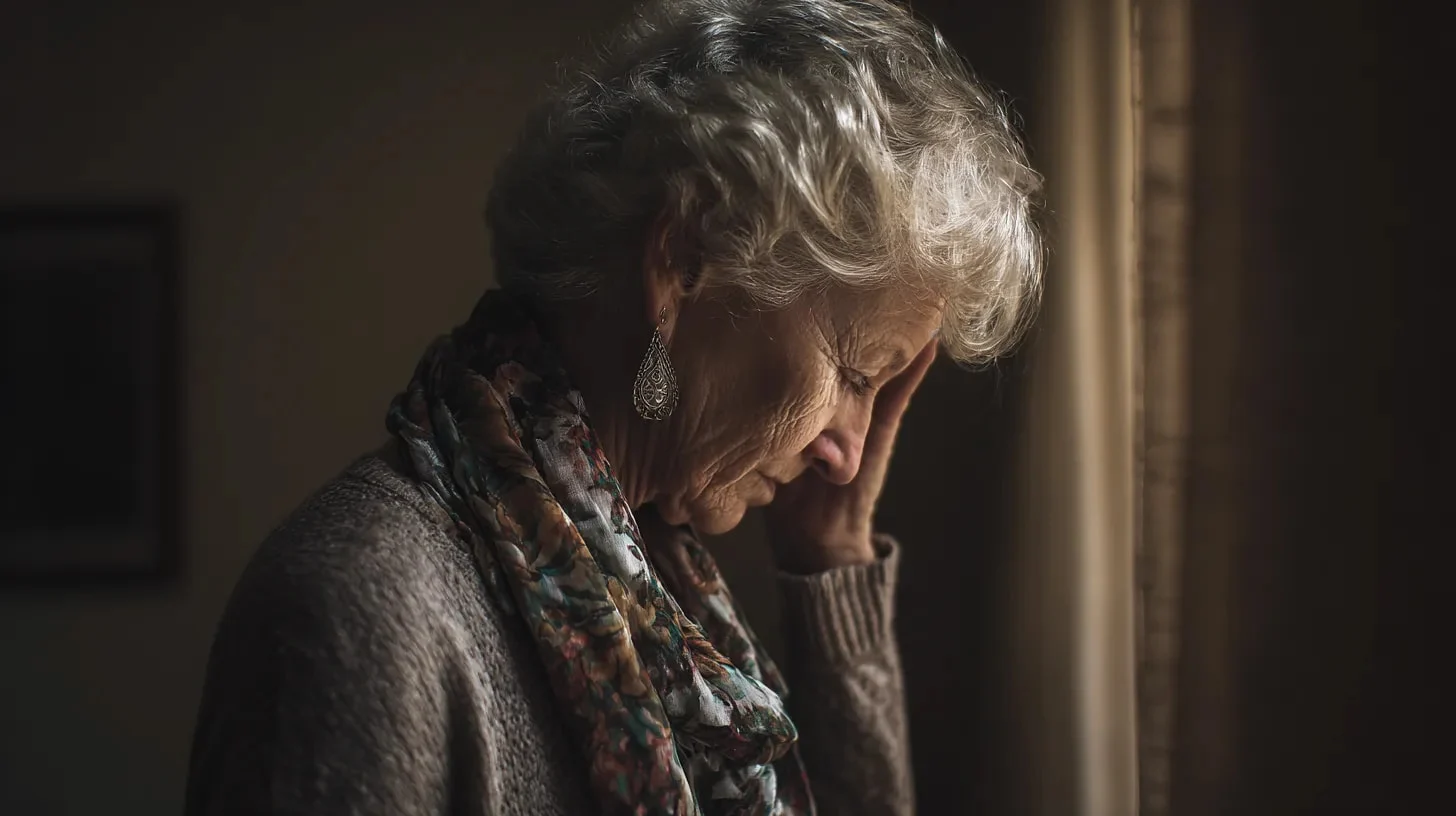
Related Articles