Difference Between Anxiety and Depression: When to Seek Help

❝Wondering if it's stress, anxiety, or something deeper? Discover the difference between anxiety and depression, common signs, and how to find trusted mental health support.❞
Do you always feel exhausted, restless, or emotionally low, but can’t explain why?
Don't worry. You’re not alone. In today’s fast-moving world, especially across India’s work-driven, high-expectation culture, many people silently battle mental health issues without knowing what they’re actually facing.
It’s common to confuse anxiety with depression or assume it’s just stress. But understanding the difference between anxiety and depression is more than just helpful. It’s the first real step toward healing.
Identifying the symptoms early can:
- Avoid months of silent suffering.
- Guide you toward the right kind of support.
- Break the cycle of self-doubt and overthinking.
Let us help you spot the difference, understand what your mind and body might be telling you, and know when it’s time to reach out for help, confidently and without shame.
In this Article
- What is Anxiety, and What are the Different Types of Anxiety?
- What is Depression?
- Anxiety vs Depression: How are the Two Different?
- How to Fight Anxiety and Depression?
- When to Seek Help: Signs You Shouldn’t Ignore
- Break the Cycle of Anxiety and Depression: Find the Right Help via TherapyRoute
- Conclusion
- Frequently Asked Questions
What is Anxiety, and What are the Different Types of Anxiety?
Ever felt like your mind just won’t stop racing, or that something bad is about to happen, even when nothing’s wrong? That constant restlessness, fear, or tightness in your chest might not be “just stress.” It could be anxiety.
In India, many people dismiss these feelings as overthinking or being too emotional. But anxiety is a real mental health condition, and it comes in more than one form.
If you're struggling with low mood or depression, talking to a professional can make a real difference. Find a therapist who understands.
Find a Therapist for DepressionHere are the most common types of anxiety disorder:
- Generalised Anxiety Disorder (GAD): Constant worry about everyday things, like work, health, or family, even when there’s no clear reason. You may feel mentally drained, restless, or irritable most days.
- Panic Disorder: Sudden, intense episodes of fear or panic that come out of nowhere. Your heart may race, breathing may feel difficult, and you might feel like you're losing control.
- Social Anxiety Disorder: A strong fear of being judged, embarrassed, or rejected in social settings. Even everyday things like speaking in a meeting or attending a wedding can feel overwhelming.
- Specific Phobias: Extreme fear of a particular object or situation, like heights, snakes, injections, or flying. The fear is often stronger than the actual threat.
- Separation Anxiety Disorder: More than just missing someone, it’s an intense fear of being away from loved ones, often seen in children but can affect adults too.
Anxiety can look different for everyone, but if it's interfering with your daily life, it’s time to look deeper. And remember, what you're feeling is valid, and help is always available.
What are the Symptoms of Anxiety?
Anxiety doesn’t just live in your thoughts; it shows up in your body, your emotions, and even your day-to-day routine. Here are common symptoms of anxiety to look out for:
- Tightness or Discomfort in the Chest: You may feel breathless or experience chest pain, often mistaken for heart issues.
- Racing Thoughts and Overwhelming Fear: Your mind keeps spinning with worst-case scenarios, even when things are fine.
- Rapid Heartbeat and Excessive Sweating: Physical signs often kick in suddenly, especially during stressful moments.
- Persistent Irritability or Restlessness: Small things start to bother you more than usual, and it’s hard to sit still or relax.
- Trouble Focusing: Your attention jumps from one worry to another, making even simple tasks feel exhausting.
- Feeling Detached or Out of Control: You might feel like you’re watching your life from the outside or that nothing feels real.
Also Read: How to Stop Shaking from Anxiety Immediately: Quick Tips
What is Depression?
Do you ever wake up feeling drained, unmotivated, and disconnected from your work, your relationships, even yourself? This could be a sign of depression.
Depression, formally known as major depressive disorder, reflects a mood disorder that profoundly impacts how you:
- Think: Negative thoughts, guilt, or constant self-criticism
- Feel: Empty, hopeless, or emotionally numb
- Act: Withdrawing from people, losing interest in daily life
- Function: Struggling to focus, work, or even complete simple tasks
Many people are told to “stay strong” or “just be positive.” But the truth is: Depression isn’t weakness, it’s a real mental health condition that needs care, not silence.
What are the Symptoms of Depression?
Symptoms of depression manifest in both emotional and physical forms, often encroaching on various aspects of daily life. It might start with overwhelming sadness and progress into feelings of emptiness and despair. Key symptoms of depression include:
- Constant Fatigue or Low Energy: Even simple tasks, like getting out of bed, can feel like a burden.
- Loss of Appetite or Sudden Weight Changes: You may skip meals without realizing it or eat without appetite.
- Disturbed Sleep: Either sleeping too much or struggling to fall asleep night after night.
- Feelings of Hopelessness or Worthlessness: You may start believing that things will never get better, or that you’re not good enough.
- Persistent Sadness or Emotional Numbness: Crying without a clear reason, or feeling empty, no matter what’s going on around you.
- Dark Thoughts or Self-Harm Urges: In severe cases, you might feel like life isn’t worth living. This needs immediate support: contact your local emergency service, or see helplines and suicide hotlines worldwide.
Need help understanding what you're going through? TherapyRoute connects you to verified therapists across India, online and offline. Start your healing today.
Anxiety vs Depression: How are the Two Different?
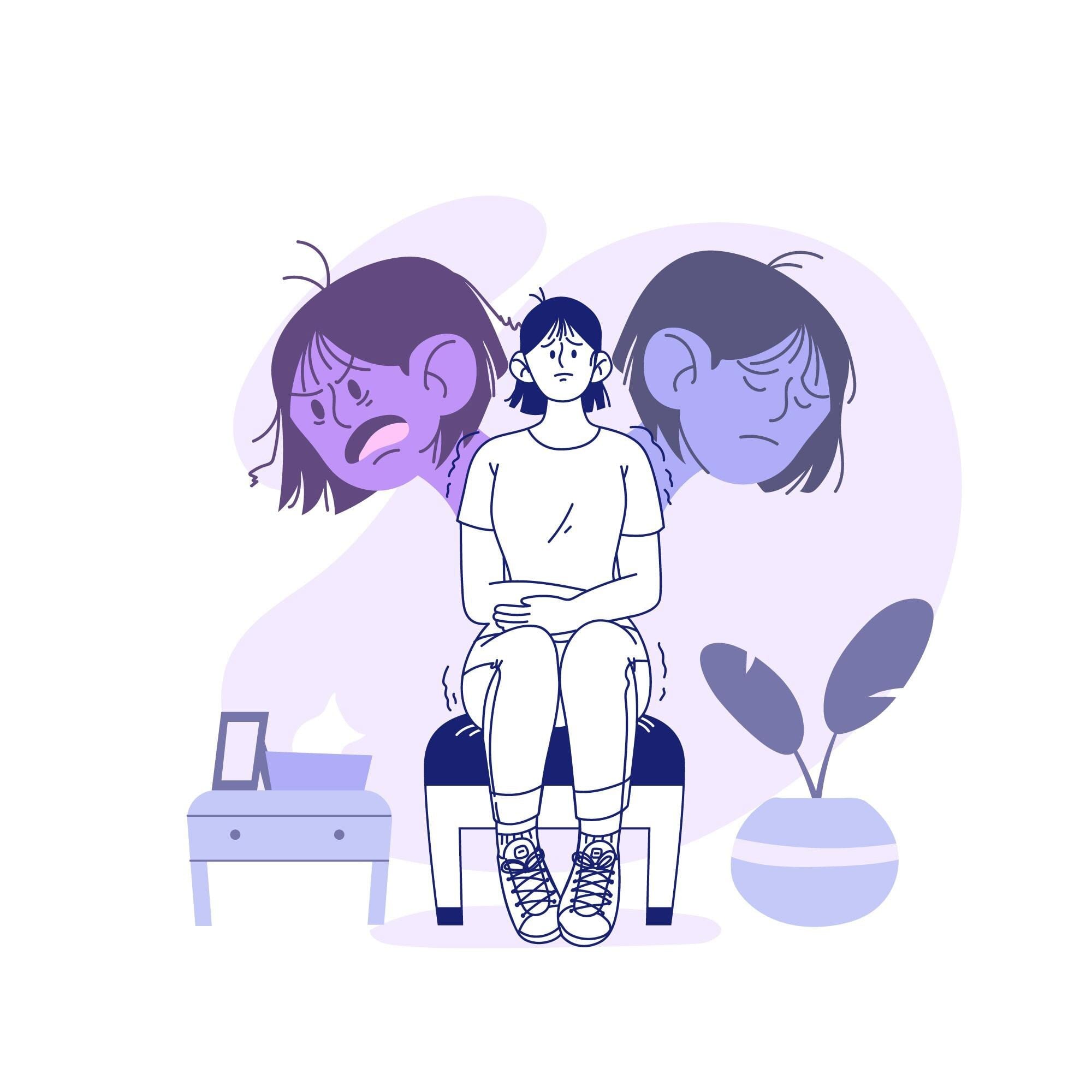
While they may coexist, anxiety and depression are fundamentally distinct mental health conditions. Anxiety revolves around excessive fear and worry, often accompanied by physical symptoms like palpitations or chest pain. Depression, in contrast, is centred around prolonged feelings of sadness and hopelessness, with a lack of energy and disengagement from life.
Check out the table below to understand the key differences more clearly:
| Aspect | Anxiety | Depression |
|---|---|---|
| Core Emotion | Excessive worry or fear | Deep sadness, emptiness, or hopelessness |
| Thought Patterns | Racing thoughts, constant overthinking | Negative self-talk, lack of motivation, and indecisiveness |
| Physical Symptoms | Rapid heartbeat, chest tightness, restlessness | Fatigue, body aches, changes in appetite or sleep |
| Behavioural Signs | Avoiding situations out of fear | Social withdrawal, lack of interest in activities |
| Sleep Patterns | Trouble falling or staying asleep | Sleeping too much or too little |
| Energy Levels | Restless energy, fidgeting | Low energy, sluggishness |
| Duration of Mood | Fluctuates based on triggers | Persistent, lasting for weeks or more |
| Response to Situations | “What if something goes wrong?” mindset | “Nothing will ever get better” mindset |
| Key Treatment | Cognitive Behavioural Therapy (CBT), relaxation techniques | Antidepressants, talk therapy |
How to Fight Anxiety and Depression?
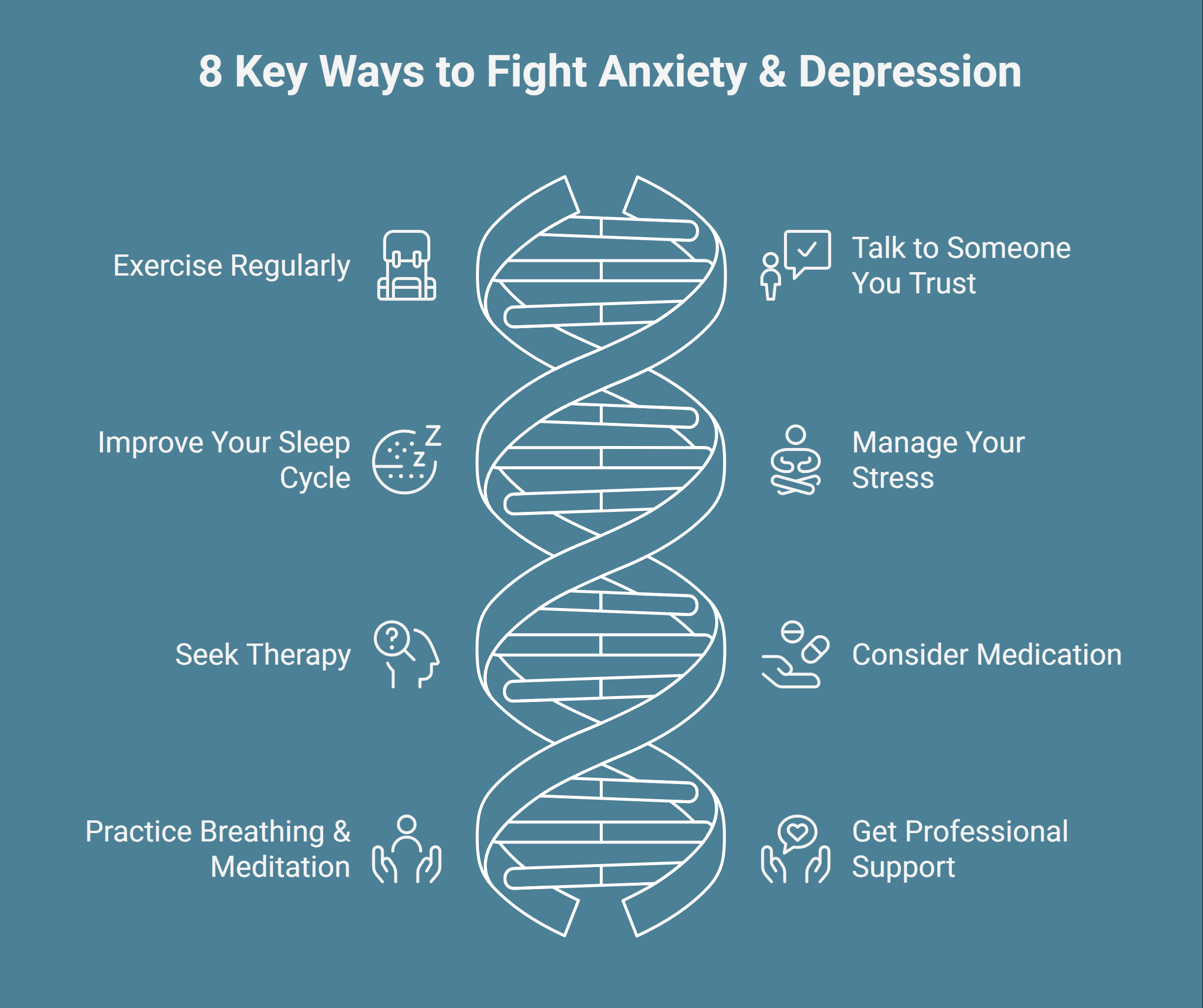
Anxiety and depression can feel overwhelming, but there are ways to take back control. With the right tools and support, it's possible to manage symptoms and find relief. You don’t need a complete life overhaul, just small, consistent steps that suit your lifestyle.
Here are simple, practical strategies that can make a real difference:
1. Move Your Body, Calm Your Mind
Feeling anxious or low? Your body might be holding the key to relief. Regular movement doesn’t just boost fitness, it’s a powerful tool for mental health.
Even 20–30 minutes a day can release feel-good endorphins, improve sleep, and lower daily stress levels.
Here are simple, doable options for Indian lifestyles:
- A brisk walk in the park or terrace.
- Morning yoga or surya namaskar.
- Dancing to your favourite Bollywood songs.
2. Build a Support System
Strong relationships can protect you from the loneliness that often comes with anxiety or depression. Whether it’s family, close friends, or a support group, connection matters.
Talking openly about mental health:
- Reduces stigma in Indian families and communities.
- Builds understanding between you and your loved ones.
- Boosts emotional strength during hard times.
3. Improve Sleep, Improve Your Mood
Poor sleep can make anxiety and a low mood feel worse. Restlessness, irritability, and fatigue often feed into each other, making daily life harder.
A consistent sleep routine helps:
- Improve focus and emotional balance.
- Reduce mental fatigue.
- Lift your overall mood.
To sleep better:
- Limit screen time before bed.
- Swap late-night chai for warm milk or herbal tea.
- Stick to the same sleep and wake time daily.
4. Manage Your Stress, One Step at a Time
Stress builds up quietly until it feels like too much. But small, everyday changes can make a big difference.
To manage stress, start with what’s in your control:
- Set boundaries at work and home.
- Break big tasks into smaller, doable steps.
- Try meditation or deep breathing to calm your mind.
- Write down your worries in a journal.
5. Challenge Negative Thoughts with Therapy
When your thoughts turn against you, therapy can help you fight back. Talk therapies like Cognitive Behavioural Therapy (CBT) give you practical tools to break the cycle of fear, worry, and hopelessness.
With the right therapist, you learn to:
- Identify negative thinking patterns.
- Reframe your mindset with clarity.
- Build realistic, positive coping strategies.
6. Consider Antidepressants or Anti-Anxiety Medications
When symptoms persist, medication can offer real relief. Antidepressants like SSRIs and anti-anxiety meds like benzodiazepines are often prescribed under expert care.
With a psychiatrist’s guidance, you can:
- Find the right medication for your needs.
- Manage side effects safely.
- Combine meds with therapy for better results.
Never self-medicate. Always consult a licensed psychiatrist for personalised advice.
*Medication protocols may differ by country. Please consult your local health authorities for region-specific guidance.
7. Practice Breathing and Meditation Techniques
Your breath is your built-in stress reliever. Simple breathing exercises can calm racing thoughts, reduce palpitations, and ease anxiety in minutes.
Meditation, even for 5–10 minutes daily, helps you:
- Slow down mental chatter.
- Feel more present and grounded.
- Turn anxious energy into clarity.
Try deep belly breathing or guided meditation in your preferred language. No fancy setup needed, just a quiet spot and your breath.
8. When Self-Help Isn’t Enough, Get Professional Support
Sometimes, doing it alone isn’t enough, and that’s okay. Reaching out to a mental health professional is a brave, important step.
Professional support offers:
- Personalised care tailored to your needs.
- A safe, confidential space to share.
- Effective tools beyond self-help.
If stress, anxiety, or depression interfere with daily life, don’t wait.
Find a trusted therapist in India today through TherapyRoute. Your journey to healing starts here.
When to Seek Help: Signs You Shouldn’t Ignore
It’s normal to have tough days, but some signs mean it’s time to seek help. Ignoring persistent mental health struggles can make things harder over time.
Watch out for:
- Constant sadness or irritability lasting weeks.
- Loss of interest in things you once enjoyed.
- Trouble sleeping or eating regularly.
- Feeling hopeless, anxious, or overwhelmed daily.
- Difficulty managing work, studies, or relationships.
- Thoughts of self-harm or suicide, seek urgent help immediately.
Remember, seeking help is a sign of strength, not weakness.
If these signs resonate, connect with a qualified therapist through TherapyRoute today. Your well-being matters.
Break the Cycle of Anxiety and Depression: Find the Right Help via TherapyRoute
If feelings of anxiety and a hopeless mood are affecting your daily life, you’re not alone. In India, half of the people with mental health disorders hesitate to seek help, even when anxiety symptoms or panic attacks disrupt their peace.
Ignoring these signs can impact both your physical health and emotional well-being. Whether you face a bad day or persistent feelings of distress, getting the right support is a good idea.
At TherapyRoute, we connect you with trusted professionals who understand different types of therapy tailored to your needs, whether it’s anxiety, depression, or related medical conditions.
If you’ve been feeling low for a while or notice your symptoms getting harder to manage, it’s okay to reach out. Taking this important part of your healing journey today can change everything.
Start your path to better mental health with TherapyRoute because you deserve support that truly understands you.
Conclusion
Understanding the difference between anxiety and depression is crucial for effective mental health care. Recognising the unique signs and symptoms of each helps you seek the right support and treatment, leading to better outcomes and a healthier mind.
Remember, whether it’s persistent worry, panic attacks, or feelings of hopelessness, you’re not alone; help is accessible and proven to work.
Don’t wait for symptoms to worsen; taking the first step towards understanding and managing your mental health can transform your life. Empower yourself to seek support and embrace healing, your mind deserves it.
Frequently Asked Questions
Can a person have both anxiety and depression at the same time?
Yes, a person can experience both anxiety and depression simultaneously, known as comorbidity. The symptoms may overlap, making it challenging to differentiate between the two. Proper diagnosis by a mental health professional is essential to determine the best treatment approach.
How do I know if my symptoms are anxiety or depression?
To differentiate between anxiety and depression, pay attention to your specific symptoms. Anxiety often involves excessive worry and restlessness, while depression is characterised by persistent sadness and a lack of interest. Consulting a mental health professional can help clarify your diagnosis and determine the right treatment.
Are treatments for anxiety and depression different?
Yes, treatments for anxiety and depression can differ. While both conditions may be treated with therapy and medications, specific approaches might vary based on individual symptoms. Understanding the unique aspects of each disorder is crucial for effective treatment planning.
What is the 3-3-3 rule for anxiety?
The 3-3-3 rule for anxiety is a grounding technique to help manage overwhelming feelings. It involves naming three things you can see, three sounds you can hear, and three parts of your body you can feel. This practice aids in reconnecting with the present moment.
What is the ABC method of anxiety?
The ABC method of anxiety involves identifying the Activating event, the Beliefs about the event, and the Consequences of those beliefs. This cognitive-behavioural approach helps individuals understand how thoughts influence feelings and behaviours, providing a framework for managing anxiety effectively.
You might also like to read...
Health Anxiety is Ruining My Life: Steps I’m Taking
Important: TherapyRoute does not provide medical advice. All content is for informational purposes and cannot replace consulting a healthcare professional. If you face an emergency, please contact a local emergency service. For immediate emotional support, consider contacting a local helpline.
Find Therapists
Must Read
Creating Space for Growth: How Boundaries Strengthen Relationships
Setting healthy boundaries fosters respect, protects emotional well-being, and strengthens relationships by defining personal limits and maintaining self-care.
International Mutual Recognition Agreements for Mental Health Professionals
Mutual recognition agreements for mental health professions are rare and uneven, with major gaps in counselling, social work, and allied therapies. Read on to understand ...
Mental Health Licensing & Regulation in New York State: 2026 Guide
Mental Health Licensing & Regulation in Singapore: 2026 Guide
Jumping to Conclusions
Jumping to conclusions is a thinking habit where we assume the worst or make judgments without enough evidence. By recognising this pattern, therapy can help you slow dow...
About The Author

TherapyRoute
Cape Town, South Africa
“Our in-house team, including world-class mental health professionals, publishes high-quality articles to raise awareness, guide your therapeutic journey, and help you find the right therapy and therapists. All articles are reviewed and written by or under the supervision of licensed mental health professionals.”
TherapyRoute is a mental health resource platform connecting individuals with qualified therapists. Our team curates valuable mental health information and provides resources to help you find the right professional support for your needs.



