How to Stop Shaking from Anxiety Immediately: Quick Tips


❝Struggling with anxiety? Learn how to stop shaking from anxiety immediately with our quick tips and effective techniques to regain your calm.❞
You’re in the middle of a conversation, an exam, or even just sitting alone, and suddenly, your hands start trembling. Your heart races, your muscles tense, and you wonder, “Why is my body reacting like this?” If you’ve experienced shaking or tremors during anxious moments, you’re not alone.
For many in India, where high-stress work environments, academic pressure, and social expectations are part of daily life, anxiety body shaking is more common than you think.
The good news? It’s manageable.
These physical symptoms, whether it’s shaky hands, a trembling voice, or body jitters, are simply your nervous system’s response to stress, not a sign of something harmful.
If you’ve ever wondered why your body behaves this way and how to stop shaking from anxiety immediately, you’re in the right place. Managing anxiety symptoms, especially physical ones, is possible with the right techniques and knowledge. Let’s uncover how to regain control quickly.
In this Article
- Why Does Anxiety Cause Physical Tremors?
- How to Stop Shaking from Anxiety Immediately? 7 Effective Techniques
- 5 Lifestyle Habits to Reduce Shaking from Anxiety Over Time
- What’s Making You Shake? 5 Common Anxiety Tremor Triggers You Shouldn’t Ignore
- When to Seek Professional Help for Anxiety Shaking?
- Conclusion
- Frequently Asked Questions
Why Does Anxiety Cause Physical Tremors?
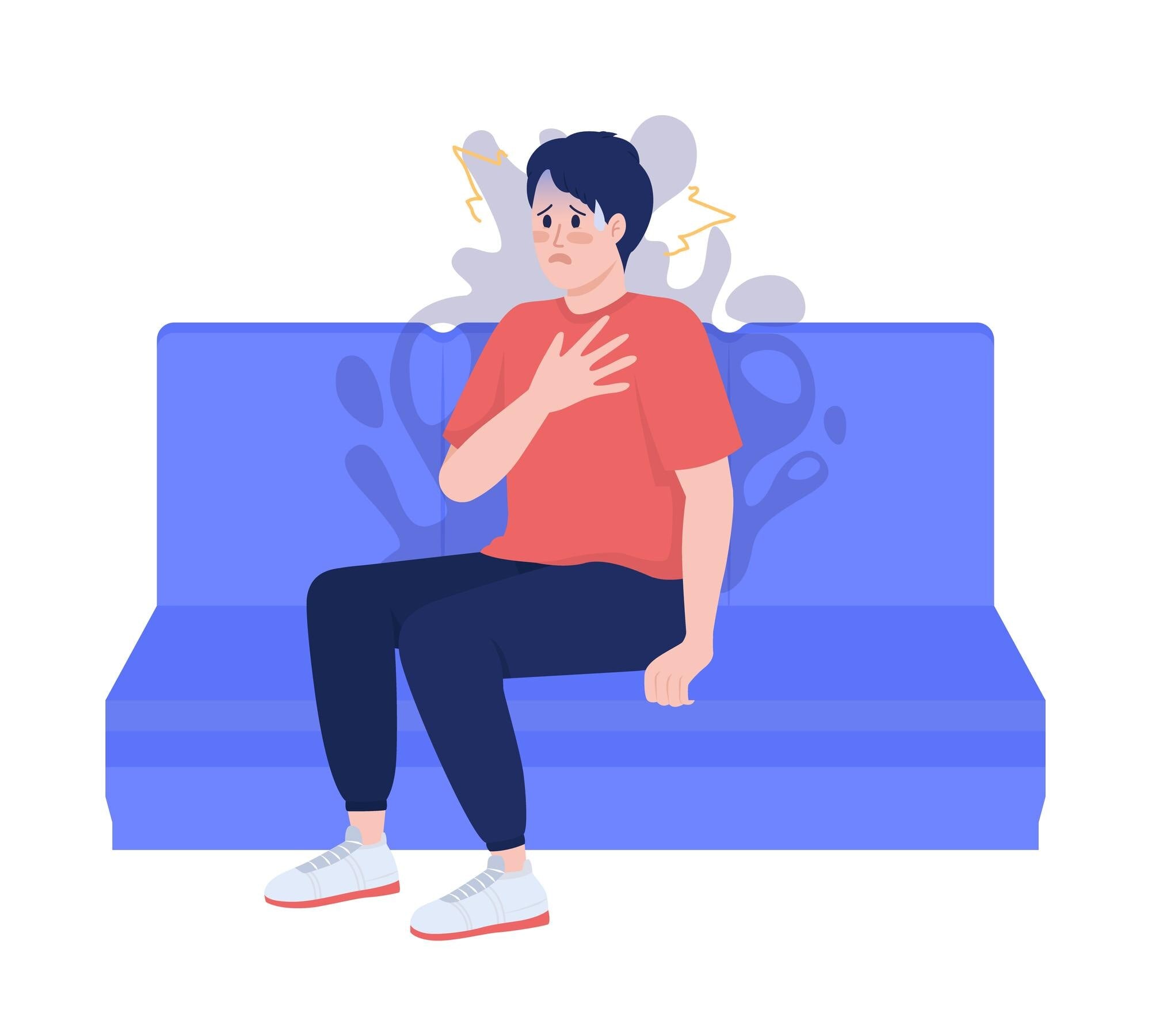
Anxiety doesn’t just affect your thoughts, it puts your nervous system on high alert. When your brain senses stress, it activates fight or flight mode, releasing adrenaline. This causes your heart to race, muscles to tighten, and sometimes, your body to start trembling.
Managing anxiety is easier with the right support. TherapyRoute connects you with qualified therapists who specialise in anxiety and stress.
Find an Anxiety TherapistThis is why many people experience shaking from anxiety, including anxiety body shaking, hand tremors, or even head shaking from anxiety. But what causes these sensations to intensify?
- Hyperventilation makes it worse, leading to dizziness and twitching.
- Muscle fatigue from constant tension can cause visible anxiety tremors.
These are not signs of illness, but normal reactions. They’re your body’s way of coping. Understanding them can reduce fear and help you take control sooner.
Common Symptoms Experienced Alongside Shaking
Shaking from anxiety often comes with a mix of physical and emotional symptoms, all linked to your body’s natural stress response. Recognising these signs can help you understand what’s happening and respond with care rather than fear. Some commonly experienced symptoms include:
- A rapid heart rate is common, as your body prepares to endure perceived threats.
- Blood pressure changes can make you feel lightheaded and unsteady during heightened anxiety moments.
- Physical sensations like sweaty palms or dry mouth arise from your fight-or-flight response, diverting energy to vital functions.
- Emotional regulation might feel impossible, with racing thoughts spiralling into fear or panic.
Additionally, symptoms like muscle tension and shallow breathing can make your body feel overworked and depleted. Each physical symptom feeds into the cycle, creating an intensified anxiety loop.
Feeling overwhelmed by anxiety symptoms like shaking? Connect with experienced therapists through TherapyRoute to get personalised support today.
How to Stop Shaking from Anxiety Immediately? 7 Effective Techniques
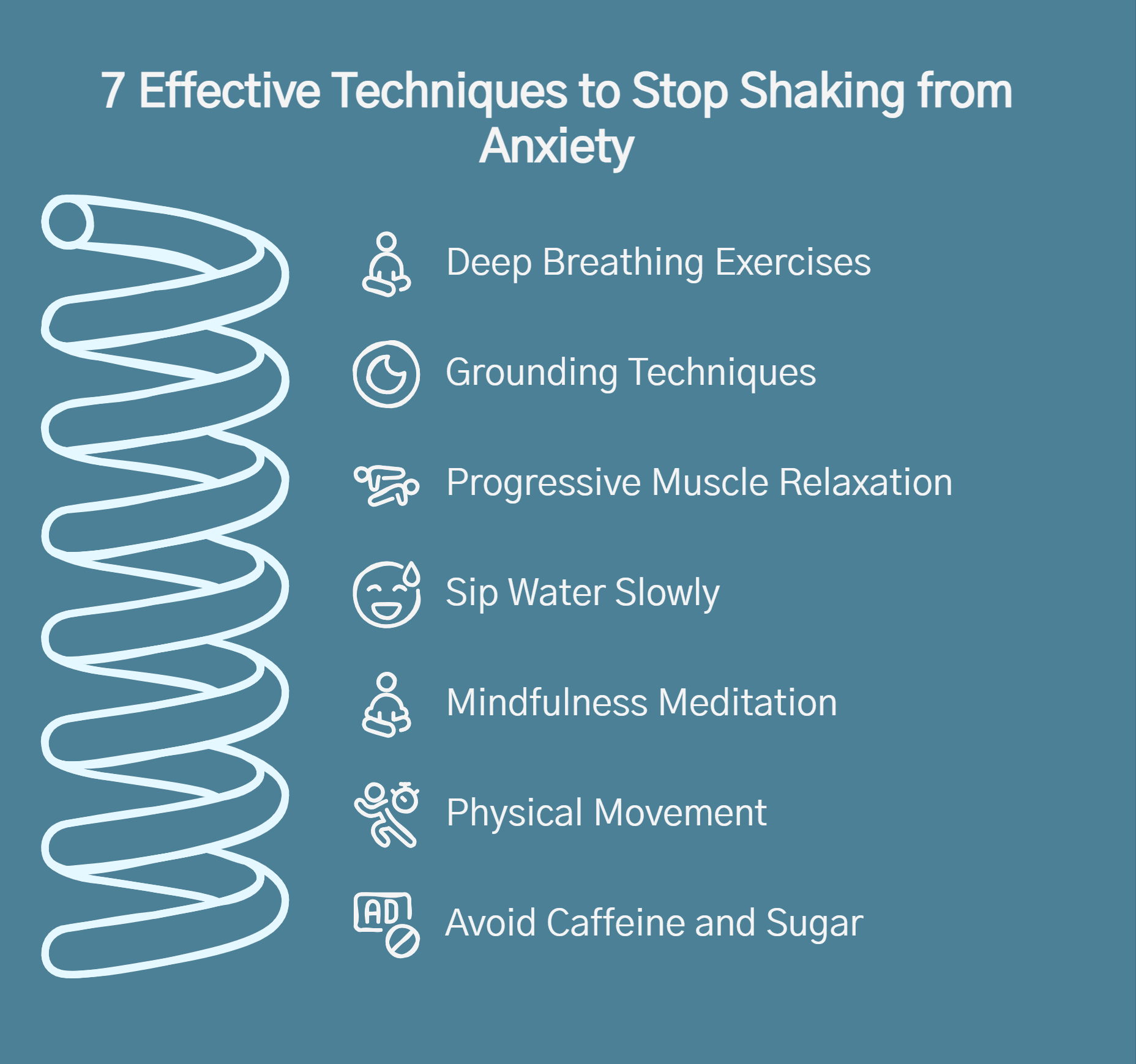
When anxiety hits, the shaking can feel uncontrollable, but it doesn’t have to be. There are quick, science-backed techniques you can use to calm your body and regain control within minutes. Here are 7 effective ways to stop shaking from anxiety immediately, using natural methods that soothe both your mind and body.
1. Deep Breathing Exercises You Can Try Anywhere
Deep breathing is a simple and effective way to calm anxiety symptoms. It works by reducing heart rate and encouraging relaxation, undoing your body's stress response.
Follow these steps:
- Inhale deeply through your nose for a count of 5 seconds.
- Hold your breath for another 5 seconds.
- Exhale slowly through your mouth for 8 seconds.
- Focus on making your exhale longer than your inhale, this tells your nervous system to calm down.
Here are some easy tips:
- Practice in quiet spaces to avoid distractions.
- Visualise the tension leaving your body with each exhale.
- Repeat the cycle until your shaking stops or feels manageable.
2. Using Grounding Techniques to Regain Control
Grounding techniques help distract your mind from anxiety while stabilising your emotions. These work well by engaging the physical senses, forcing your focus away from your symptoms.
Try the 5–4–3–2–1 grounding technique:
- 5 things you can see: Look around and name them.
- 4 things you can touch: Feel the texture, temperature, or shape.
- 3 things you can hear: Focus on the surrounding sounds.
- 2 things you can smell: Notice subtle or strong scents.
- 1 thing you can taste: Sip water or eat something small, and name the flavour.
Additional grounding ideas:
- Hold onto a textured object and describe its feel.
- Focus on the sensation of your feet planted firmly on the ground.
- Listen to soothing music to distract yourself from shaking.
3. Progressive Muscle Relaxation for Fast Results
Progressive muscle relaxation (PMR) is an effective way to ease tension and stop shaking from anxiety. It involves tensing individual muscle groups for five seconds before releasing them, helping your body drop out of high alert mode.
How to do it:
- Start with your feet: Clench the muscles tightly for 5 seconds, then slowly release.
- Move upward: Repeat the process through your calves, thighs, abdomen, arms, shoulders, and neck.
- Don’t forget your jaw and back, common areas that hold stress.
- As you release each muscle group, focus on how it feels when relaxed.
Tips for maximum impact:
- Engage in PMR while lying down to minimise distractions.
- Focus on the difference felt between tension and relaxation.
- Repeat the exercise daily for long-term benefits.
4. Sip Water Slowly or Use Cold Water on Your Wrists
Cool water can offer unexpected relief when you’re shaking from anxiety. The sensation helps calm your physical symptoms, including tremors, by soothing your stress response.
Try slowly sipping cold water or placing it on your wrists. Alternatively, splash your face with chilled water to activate the dive reflex, effectively slowing your heart rate and relaxing your body.
Keep these tips handy:
- Carry a bottle of water for refreshing relief during anxiety attacks.
- Use a damp cloth or cold compress if water splashing isn’t an option.
- Let the cooling effect remind you that you’re safe.
5. Mindfulness Meditation or Guided Visualisation
Mindfulness meditation helps you focus on the now, anchoring your thoughts and easing the symptoms of anxiety. Guided visualisation complements this by letting your imagination take you to calming environments. Both approaches reduce stress responses, helping prevent trembling.
How to practice:
- Find a quiet, comfortable space, sit or lie down.
- Focus on your breath, notice each inhale and exhale.
- If your thoughts wander, gently bring your focus back to your breath.
- Visualise calming environments, like a beach, forest, or quiet meadow.
- Immerse yourself in the details, what you see, hear, and feel.
Additional mindfulness tips:
- Stick to guided video recordings for structured support.
- Combine meditative breathing with soothing movement like yoga.
- Practice daily for cumulative benefits on emotional regulation.
6. Physical Movement
Physical activity helps combat anxiety and its associated symptoms, including shaking. Exercise releases endorphins, natural mood-boosting chemicals, while reducing stress hormones like cortisol.
What to do during anxiety episodes:
- Engage in light movement like brisk walking or gentle stretching to redirect mental focus.
- Try yoga poses paired with controlled breathing to reinforce calm.
- Step outdoors if possible; natural surroundings enhance relaxation.
Effective strategies include:
- Yoga poses complemented by controlled breathing for reinforcement.
- Aim for a daily exercise routine to build long-term resilience.
- Identify activities you enjoy, ensuring regular commitment.
7. Avoid Caffeine and Sugar During Anxiety Episodes
Both caffeine and sugar can exacerbate anxiety symptoms, worsening tremors and heart rate issues. Avoid these during episodes of shaking to help your body regulate itself more effectively.
Better choices include:
- Switch to calming alternatives like herbal teas or nuts that soothe your nervous system.
- Keep a food diary to track items that trigger or worsen your anxiety.
- Identify caffeine-free substitutes that help stabilise symptoms.
- Limit processed foods and snacks high in sugar to avoid spikes that fuel anxiety tremors.
5 Lifestyle Habits to Reduce Shaking from Anxiety Over Time
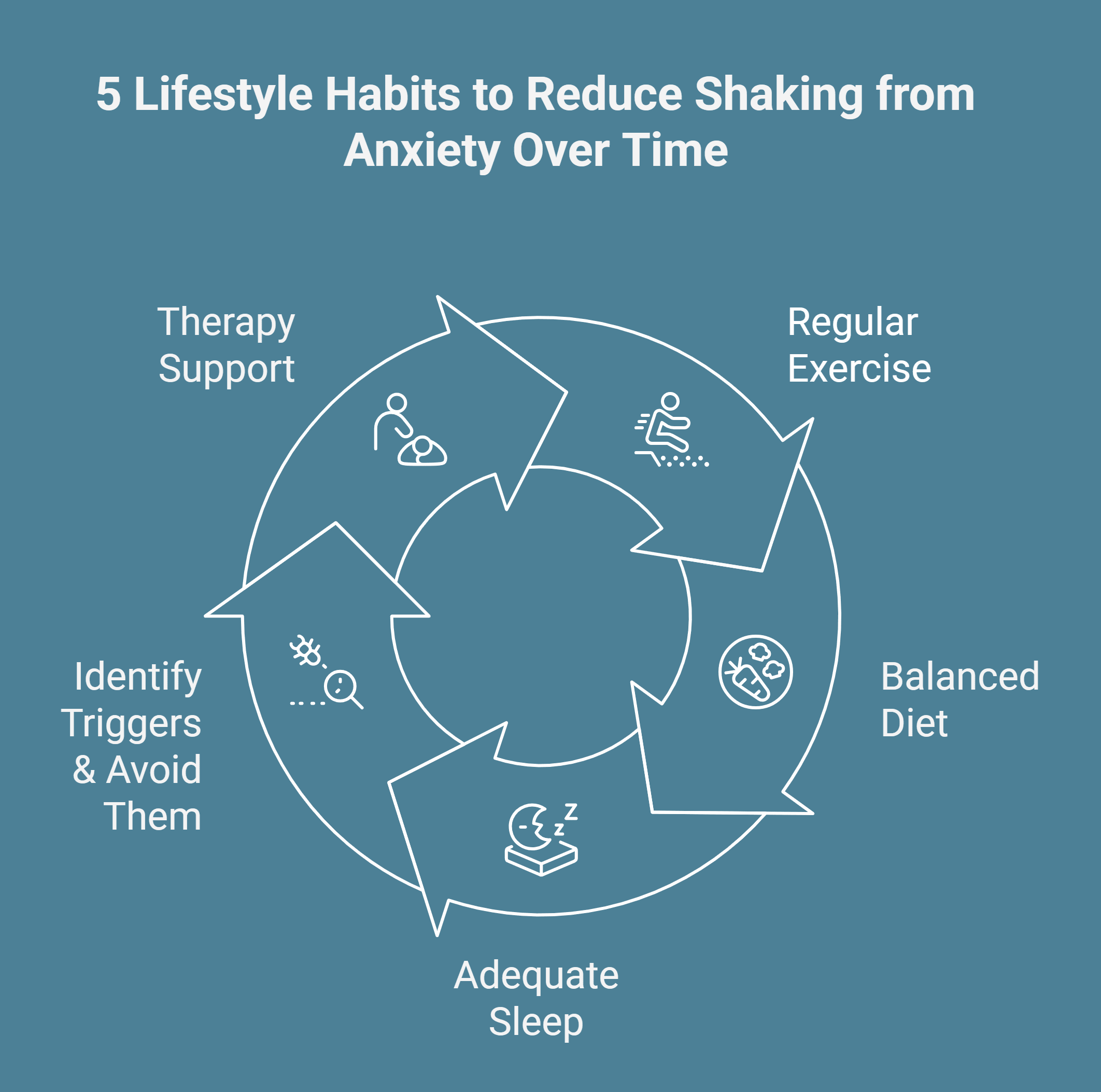
Long-term anxiety management isn’t just about quick fixes, it’s about daily lifestyle changes. From diet to sleep, consistent habits can ease symptoms like tremors or increased heart rate, helping you stay steady and in control. These five evidence-based strategies can gradually reduce the intensity and frequency of shaking over time.
1. Exercise Regularly to Calm Your Body
Exercise boosts mood by releasing feel-good chemicals and lowering stress hormones like cortisol. Try activities like walking, cycling, or swimming to reduce muscle tension and shaking.
Here’s how to make exercise work for your anxiety, not against it:
- Aim for 30 minutes, five days a week
- Combine cardio with stretching
- Choose exercises that match your pace and interests
2. Balanced Diet: Eat to Ease Anxiety
A balanced diet helps stabilise blood pressure and supports your nervous system’s response to stress.
Include fruits, vegetables, lean protein, and omega-rich fats like salmon and nuts. Avoid refined sugars, additives, and excess caffeine that worsen anxiety symptoms.
Tips for better nutrition:
- Prepare meals in advance to avoid impulsive eating.
- Include magnesium-rich foods to ease physical symptoms.
- Monitor portions to keep energy steady and reduce anxiety tremors.
3. Let Sleep Reset Your System
Quality sleep calms your nervous system and helps ease physical symptoms of anxiety, like shaking. Lack of sleep keeps your body in high alert. Aim for 7–9 hours with a consistent schedule.
Simple habits to help you sleep better:
- Create a comfortable, distraction-free sleep space.
- Use breathing exercises before bed to relax.
- Track sleep patterns to catch early signs of disturbance.
- Establish relaxing rituals such as reading or warm baths before bedtime.
4. Identify and Avoid Common Triggers
Understanding your triggers makes avoiding them easier. Social anxiety, performance pressure, or health worries can spike perceived threats in your body’s responses.
Start by identifying common situations where tremors occur. Avoid caffeine, nicotine, and extended periods of digital device usage to minimise your exposure.
Tips for proactive avoidance:
- List triggers encountered daily, monitoring frequency levels.
- Establish coping frameworks unique to each situation.
- Seek guidance if sensitivity levels feel unchangeable.
5. Therapy and Expert Support
Professional support bolsters your fight against anxiety’s more disruptive effects. Therapy options in India range from cognitive behavioural methods to treatments like selective serotonin reuptake inhibitors (SSRIs).
Speak to mental health experts who offer insights into tailored approaches for anxiety disorders. Regular therapy sessions can target long-term challenges, while some medications alleviate immediate symptoms.
What’s Making You Shake? 5 Common Anxiety Tremor Triggers You Shouldn’t Ignore
Your environment may be triggering anxiety-induced tremors without your awareness.
Below is a detailed table of triggers:
| Trigger | Description |
|---|---|
| Social situations | Large gatherings or unfamiliar interactions stimulating worries over impressions and performance. |
| Public speaking | Anticipating judgment or critique while addressing groups incites high-stress spikes internally. |
| Performance pressure | Evaluations like exams or athletic events generating elevated levels of psychological stress. |
| Major life events | High-risk transitions (i.e., moving locations or bereavement) hindering adaptability during phases. |
| Health anxieties | Envisaging prolonged illnesses amidst fear-inducing physical examinations/test durations. |
When to Seek Professional Help for Anxiety Shaking?
If anxiety shaking is affecting your work, relationships, or everyday peace of mind, you don’t have to keep managing it alone. In India, many still hesitate to reach out, but therapy is a sign of strength, not weakness.
Remember:
- You deserve expert support just like you would for any physical illness.
- Therapists can help identify deeper causes and create lasting solutions.
- Online and in-person options make access easier than ever.
Signs Your Shaking Needs Medical Attention
Some anxiety-related shaking goes away with lifestyle changes and relaxation techniques. But if it starts interfering with your everyday life, it’s time to pause and reflect. A healthcare professional can help you regain control without judgment.
Look out for these signs:
- Shaking lasts beyond stressful situations or happens without a clear reason.
- You experience common physical symptoms like chest pain or dizziness alongside tremors.
- You avoid places, people, or tasks because you fear trembling in public.
- Anxiety consistently affects your sleep, focus, or appetite.
- Self-help methods no longer work or only provide temporary relief.
- Ongoing anxiety impacts your relationships or career.
If even one of these sounds familiar, you’re not alone, and help is closer than you think.
Therapy and Medication Options in India
Finding the right treatment for anxiety tremors can feel overwhelming, but you don’t have to figure it out alone. In India, both therapy and treatment options are increasingly accessible and effective when tailored to your specific needs.
Here’s what’s commonly recommended:
- Cognitive Behavioral Therapy (CBT): Helps you reframe anxious thoughts and reduce physical symptoms like shaking
- SSRIs (Selective Serotonin Reuptake Inhibitors): Commonly prescribed to regulate mood and ease chronic anxiety
- Mindfulness and Progressive Muscle Relaxation: Great as complementary therapies to calm the nervous system naturally
- Consulting a licensed therapist or psychiatrist ensures your treatment plan is safe, personalised, and progress-driven
You don’t have to wait until it gets worse. Help is available, and it works.
Treatment availability and guidelines may vary across countries. Always consult your local health authority or certified medical professional for region-specific advice.
Therapy That Fits You: Find Trusted Therapists in India Through TherapyRoute
Struggling with anxiety tremors, or constant shaking can leave you feeling helpless, but support is just a click away. At TherapyRoute, we help you connect with verified, experienced therapists across India, so you can find someone who truly understands your journey.
Why TherapyRoute works for you:
- Search by location, language, and specialisation. Find the right fit faster.
- Culturally aware therapists who understand the unique pressures of Indian life.
- Online and in-person options to suit your comfort and lifestyle.
- Verified credentials so you can book with confidence.
Visit TherapyRoute and take your first step toward calm, on your terms.
Conclusion
When your hands tremble or your entire body shakes, it can feel like you’re losing control, but you’re not. These anxiety shakes aren’t random; they’re your body’s natural response to intense feelings of anxiety, rooted in your sympathetic nervous system. Whether triggered by a panic attack, social anxiety disorder, or ongoing stress, these symptoms can be managed and even eased, starting today.
By practising the relaxation techniques mentioned in this blog and making minor lifestyle changes, you can calm your nervous system and regain control.
Next time your body trembles, remember: your recovery has already begun. You have the tools, and you have the strength. Keep going.
Frequently Asked Questions
Can medication help with anxiety tremors?
Medication can effectively reduce anxiety tremors by addressing underlying anxiety disorders. Common options include selective serotonin reuptake inhibitors (SSRIs) and benzodiazepines, which may help regulate neurotransmitters. Consult a healthcare professional to determine the most suitable treatment tailored to your needs.
Is anxiety shaking harmful or dangerous?
Anxiety shaking itself is not usually harmful, but it can lead to injury or exacerbate existing health issues. Prolonged shaking may indicate a more serious condition, so monitoring its frequency and intensity is essential. Consulting a healthcare professional can provide guidance and reassurance.
How can I distinguish anxiety body shaking from a medical issue?
To distinguish anxiety-related shaking from a medical issue, observe the triggers and patterns. If shaking occurs during stress or anxiety episodes without other symptoms, it’s likely anxiety. However, if accompanied by dizziness or pain, consult a healthcare professional for further evaluation.
How to stop head shaking from anxiety?
To stop head shaking from anxiety, practice grounding techniques such as deep breathing or mindfulness. Engaging in physical activity can also help release built-up tension. Consider seeking support through therapy for long-term strategies and coping mechanisms that work for you.
Will anxiety shaking go away on its own with time?
Anxiety shaking may subside over time, especially when stressors are addressed. However, it's crucial to monitor the frequency and intensity of episodes. If symptoms persist or worsen, seeking professional guidance is recommended to explore effective coping strategies and interventions.
Important: TherapyRoute does not provide medical advice. All content is for informational purposes and cannot replace consulting a healthcare professional. If you face an emergency, please contact a local emergency service. For immediate emotional support, consider contacting a local helpline.
Find Therapists
Must Read
Creating Space for Growth: How Boundaries Strengthen Relationships
Setting healthy boundaries fosters respect, protects emotional well-being, and strengthens relationships by defining personal limits and maintaining self-care.
International Mutual Recognition Agreements for Mental Health Professionals
Mutual recognition agreements for mental health professions are rare and uneven, with major gaps in counselling, social work, and allied therapies. Read on to understand ...
Mental Health Licensing & Regulation in New York State: 2026 Guide
Mental Health Licensing & Regulation in Singapore: 2026 Guide
Jumping to Conclusions
Jumping to conclusions is a thinking habit where we assume the worst or make judgments without enough evidence. By recognising this pattern, therapy can help you slow dow...
About The Author

TherapyRoute
Cape Town, South Africa
“Our in-house team, including world-class mental health professionals, publishes high-quality articles to raise awareness, guide your therapeutic journey, and help you find the right therapy and therapists. All articles are reviewed and written by or under the supervision of licensed mental health professionals.”
TherapyRoute is a mental health resource platform connecting individuals with qualified therapists. Our team curates valuable mental health information and provides resources to help you find the right professional support for your needs.