How to Break the Cycle of Morning Anxiety for a Calm Start?

❝Struggling to start your day without stress? Learn how to break the cycle of morning anxiety with simple, effective tips for a calmer, more focused morning.❞
Ever woke up with a racing heart, a sense of dread, or a mind already overwhelmed by the day's tasks? You're not alone.
Many people experience morning anxiety, especially in high-stress environments where their brain feels like it’s sprinting before their feet even hit the floor. It can leave you feeling drained before the day has even started. But this cycle does not have to be permanent.
This blog is here to help you break that cycle. Backed by therapist-approved strategies, you'll learn practical ways to calm your mornings and take back control, step by step.
If mornings feel more like a battle than a beginning, you’re in the right place. Let’s find what actually works.
In this Article
- What Is Morning Anxiety?
- How Morning Anxiety Differs from General Anxiety?
- How to Deal with Severe Anxiety in the Morning? 10 Strategies to Break the Cycle
- When to Consult a Mental Health Expert?
- Ready to Break the Cycle for Good? Let TherapyRoute Help You Get There
- Conclusion
- Frequently Asked Questions
What Is Morning Anxiety?
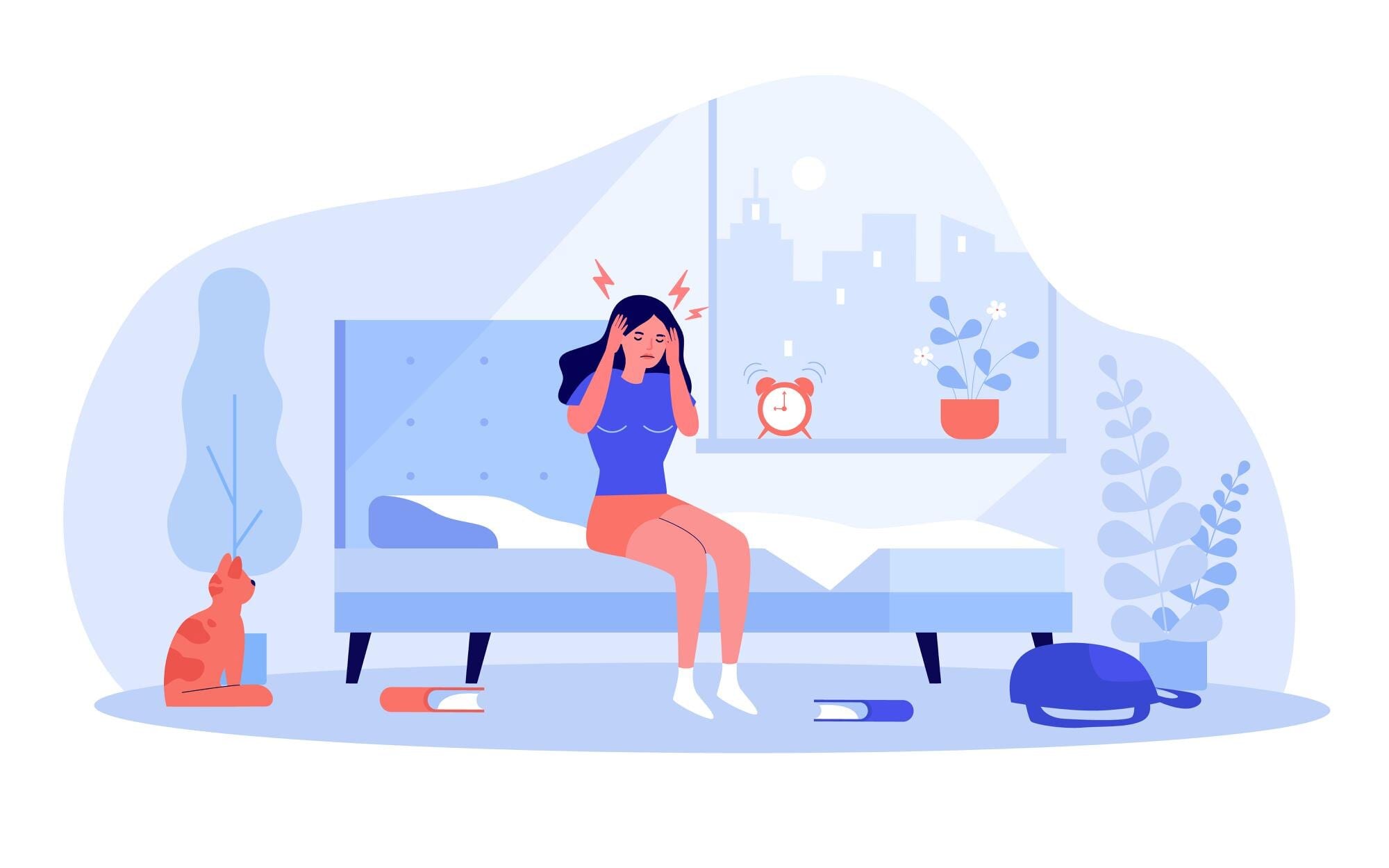
Morning anxiety refers to a heightened sense of worry or stress experienced during the first hour after waking. Unlike general anxiety disorder, it is primarily triggered by the cortisol awakening response, your body’s elevated stress hormone production. This cortisol boost helps you prepare for the day, but it can feel excessive under chronic stress.
Managing anxiety is easier with the right support. TherapyRoute connects you with qualified therapists who specialise in anxiety and stress.
Find an Anxiety TherapistPotential causes of morning anxiety include:
- Significant life stressors,
- Medical conditions, like low blood sugar or heart disease, and
- Mental health conditions, such as depression
Left unchecked, the impact of these stress hormones can lead to persistent anxiety throughout daily life.
Common Symptoms of Morning Anxiety
What does morning anxiety look like? For many, it begins as intense feelings of dread even before getting out of bed. Physical symptoms can include a rapid heart rate and muscle tension that linger well after you wake up.
Additional signs may manifest across both mental and physical health:
- Racing thoughts about stressful situations
- Persistent feelings of stress or heightened anxiousness
- Difficulty focusing or experiencing brain fog
- Tight chest, rapid breathing, or perspiration
Such conditions can spiral into worsening mental health issues if triggers go unaddressed. Identifying these symptoms early gives you a chance to break this cycle before it affects your next day.
Also Know: Not Sure If It’s Anxiety or Depression? Here’s How to Tell
Why Anxiety Peaks in the Morning?
Mornings can feel especially heavy when anxiety kicks in before the day even begins. Here’s why:
- Cortisol Awakening Response: Your body naturally releases cortisol, the primary stress hormone, in the early morning to help you wake up and get going. But if you're already prone to anxiety or have had poor sleep, this spike can intensify anxious feelings right out of bed.
- The “Anticipation Hypothesis”: Ever felt stressed about the day before it’s even started? That’s your brain predicting challenges ahead. Fear of unmet responsibilities or a packed schedule can trigger morning anxiety before your feet hit the ground.
- Low Blood Sugar After Fasting: Going hours without food overnight can lead to low blood sugar, which may cause shakiness, irritability, or a racing heart, all symptoms that mimic anxiety.
- Compounding External Stressors: Daily life, work pressure, relationship issues, or health concerns can amplify stress hormones and make mornings feel even more overwhelming.
Ready to take control of your mornings? Connect with a trusted therapist on TherapyRoute and start your path toward calm, anxiety-free days.
How Morning Anxiety Differs from General Anxiety?
Though morning anxiety shares symptoms with general anxiety, its triggers and effects are distinct. Here's how:
| Aspect | Morning Anxiety | General Anxiety (GAD) |
| When it occurs | Typically, within the first hour of waking | It can occur at any time of day, often without a specific pattern |
| Primary trigger | Cortisol spike after waking, combined with anticipatory stress | Chronic stress, genetics, trauma, or unresolved emotional challenges |
| Symptoms | Racing thoughts, rapid heartbeat, and unease tend to ease as the day progresses | Excessive worry, fatigue, irritability, persist regardless of time |
| Duration & impact | Usually short-term, may improve naturally with routine changes | Long-term, it often disrupts daily life and requires ongoing support |
| Relationship to GAD | Can occur independently or be worsened by GAD | People with GAD are often more prone to morning anxiety |
| Treatment focus | Addressing early-morning stress response through calming routines | Managing underlying causes with therapy, lifestyle changes, or medication |
Understanding these differences is key to choosing the right coping strategy. If your anxiety hits hardest at the start of the day, don’t worry, we have got you covered. In the next section, we will uncover effective strategies that will help you break the cycle.
How to Deal with Severe Anxiety in the Morning? 10 Strategies to Break the Cycle
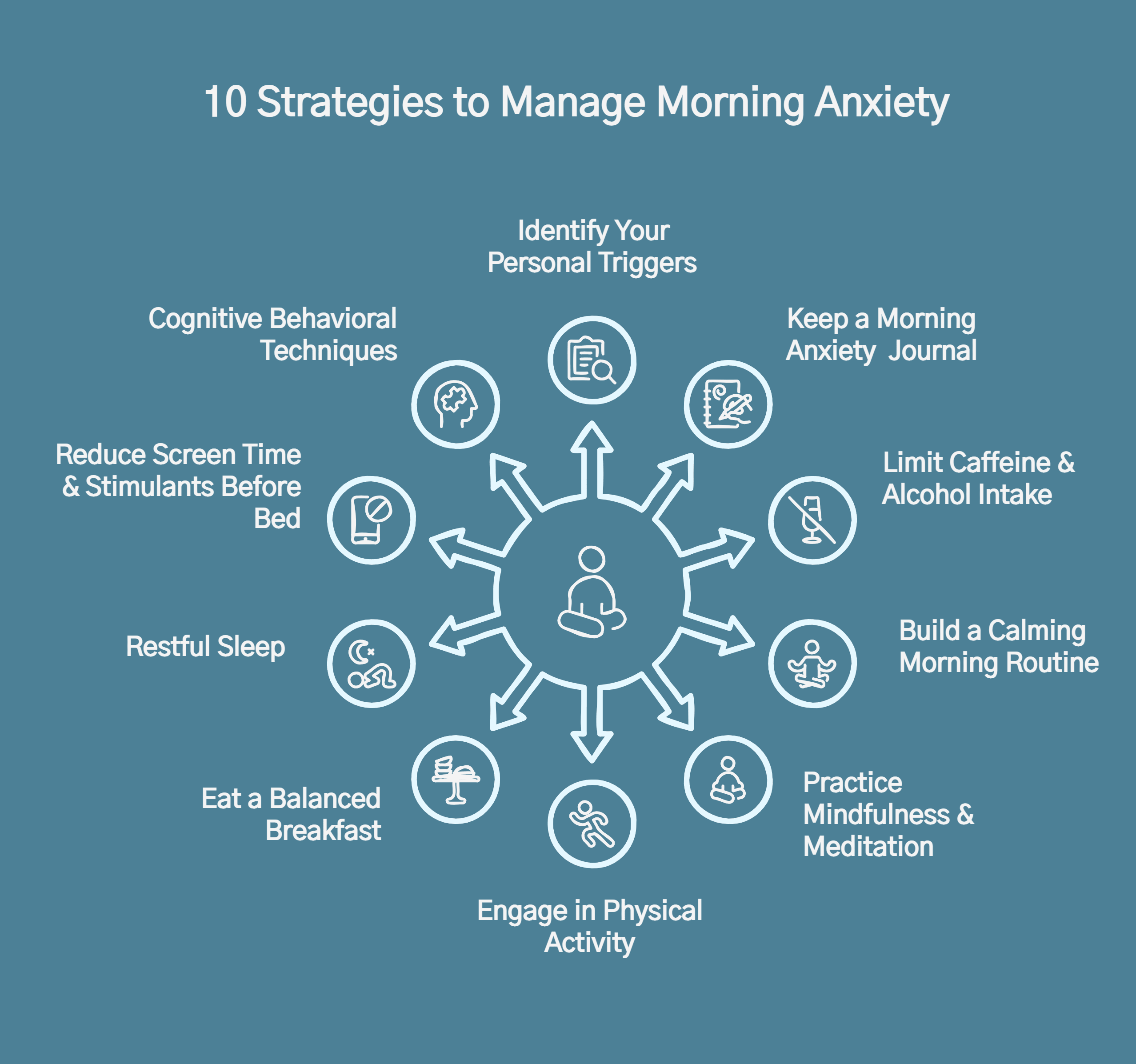
Ever feel like your day is already off-track before it even begins? For many people, morning anxiety hits the hardest, turning even simple tasks into overwhelming hurdles.
The good news? You’re not alone, and it’s manageable.
Let’s walk you through 10 practical, therapist-recommended strategies that are simple to apply and proven to help break the cycle of morning stress, for good.
1. Identifying Your Personal Triggers
Knowing your triggers is key to managing morning anxiety. Whether it’s financial stress or difficult relationships, identifying the root cause allows you to take proactive measures.
Personal triggers might include:
- Major stressful situations, like deadlines or family disputes.
- Unhealthy habits, such as overusing social media before bed.
- Physical health concerns, like low blood sugar or chronic conditions.
- Persistent negative thoughts that fuel feelings of stress.
Once you’ve started recognizing your triggers, the next step is to track them consistently.
This is where a morning anxiety journal becomes incredibly useful. It helps you connect the dots between what you're feeling and what’s causing it, allowing you to gain clarity and take charge of your mornings.
2. Keeping a Morning Anxiety Journal
Keeping an anxiety journal is a simple yet powerful way to understand and manage morning anxiety. Here's what to do:
- Write down recurring thoughts and morning symptoms, like a tight chest or racing heart.
- Spot patterns and identify emotional or environmental triggers.
- Use journaling to reframe anxious thoughts into clear, manageable goals.
- End with 3 things you're grateful for to promote calm and improve sleep.
As you build more awareness through journaling, it becomes easier to spot what habits are feeding your anxiety.
One of the most overlooked contributors? What you consume. Let’s look at how limiting caffeine and alcohol can significantly reduce morning anxiety symptoms.
3. Limiting Caffeine and Alcohol Intake
Stimulants like caffeine and alcohol can worsen anxiety symptoms, especially when consumed in excess or at the wrong time. Both affect physical health by disrupting sleep quality, altering stress hormone levels, and spiking cortisol.
Here's what you can do:
- Caffeine spikes cortisol and disrupts sleep; avoid it after 12 PM. Swap late coffee with herbal teas to support calm evenings.
- Avoid alcohol in the evening. It may feel relaxing, but it raises cortisol after it wears off. This can leave you feeling restless and anxious by morning.
After cutting back on stimulants, focus on calming your mornings. A soothing routine can ease anxiety and set a peaceful tone for the day ahead.
4. Building a Calming Morning Routine
Creating a calming morning routine helps to reduce morning anxiety symptoms and foster mental health. Calming activities include:
- Practicing deep breathing or stretching for five minutes upon waking.
- Drinking a glass of water to rehydrate and refocus your body.
- Stepping outside for sunlight, which stabilises circadian rhythms.
To build on calming your mornings, adding mindfulness and meditation can deepen your relief and help steady anxious thoughts.
5. Practicing Mindfulness and Meditation
Mindfulness and meditation offer effective remedies for anxious feelings. Here's how:
- Helps reduce stress hormones like cortisol.
- Keeps you grounded and prevents spirals of anxious thoughts.
- Guided meditations or simple breathing exercises can calm your body.
- Targets physical symptoms like a racing heart or muscle tension.
Building on mindfulness, adding physical activity can supercharge your morning calm and boost both your mental clarity and physical energy.
6. Engaging in Physical Activity
Physical activity is a powerful tool to alleviate stress and anxious feelings. Exercise not only lowers cortisol levels but also boosts positive neurochemicals for a balanced mood.
Moving your body early promotes mental health and overall health. Activities like walking or yoga help counteract morning anxiety symptoms by reducing rapid heart rate and feelings of fatigue. Even simple stretches can create profound changes in energy and mental clarity. They also prepare you for daily life more effectively.
To further support your body and mind, fueling up with a balanced breakfast sets the tone for sustained calm and focus throughout your day.
Also Read: How to Stop Shaking from Anxiety Immediately: Quick Tips
7. Eating a Balanced Breakfast
Kick-starting your morning with a balanced breakfast stabilises blood sugar and mitigates anxiety symptoms like fatigue and racing thoughts.
- Include nutrient-rich foods like eggs, nuts, and leafy greens for steady energy. These foods fuel both your mind and body, supporting overall health.
- Avoid skipping meals, as low blood sugar can intensify anxiety symptoms like irritability or shakiness.
With your mornings fueled and steady, it’s equally important to prepare your body for restful sleep, setting the stage for a calmer, anxiety-free start tomorrow.
8. Preparing for Restful Sleep
Restful sleep serves as a vital foundation for tackling morning anxiety.
- Build a soothing bedtime routine, try reading, meditation, or deep breathing
- Dim the lights, reduce screen time, and wind down slowly
- Keep your room cool, quiet, and distraction-free for better sleep quality
- Prioritising rest helps your mind wake up calmer and more balanced
To deepen your bedtime calm, it’s crucial to reduce screen exposure and stimulant intake, key factors that can disrupt your sleep and fuel morning anxiety.
9. Reducing Screen Time and Stimulants Before Bed
Creating a serene environment before sleep involves minimising screen time and avoiding stimulants such as caffeine. High exposure to screens triggers an increase in mental stimulation, leading to heightened anxiety levels that can persist into the early morning.
Limiting engagement with social media and electronic devices can significantly improve sleep quality and reduce the cortisol awakening response.
Beyond lifestyle changes, practical mental tools like cognitive behavioural techniques can reshape anxious thought patterns and empower you to regain control.
10. Cognitive Behavioural Techniques
Engaging in cognitive behavioural techniques can significantly diminish anxiety symptoms, particularly in the morning.
By identifying and reframing negative thoughts that trigger feelings of dread, like worries about daily life or upcoming stressful situations, individuals can alter their perspective.
Consistent application of these strategies not only improves sleep quality but also enhances overall mental health, paving the way for a more peaceful start to each day.
When to Consult a Mental Health Expert?
Sometimes, morning anxiety needs more than lifestyle changes. Don’t hesitate to reach out for support if you notice:
- Persistent morning anxiety that doesn’t ease with time or routines
- Symptoms that interfere with daily tasks, work, or relationships
- Physical signs like chronic fatigue, panic attacks, or poor sleep
- Constant racing thoughts or dread upon waking
Talking to a therapist can provide clarity, coping tools, and long-term relief. You're not alone, and help is available.
Ready to Break the Cycle for Good? Let TherapyRoute Help You Get There
Struggling with morning anxiety and unsure where to turn? TherapyRoute makes it easier to take that first step toward support.
Whether you're looking for someone who understands your unique challenges or needs help navigating options, our platform connects you with trusted, verified therapists across India, based on your location, needs, and preferences.
No more guesswork or endless scrolling. Just clear, compassionate guidance toward mental wellness. Because you deserve mornings that feel calm, not chaotic. Explore your options, book directly, and start your healing journey with confidence, all in one place.
Conclusion
Achieving a calm start to your day is an attainable goal, even amidst the challenges of morning anxiety. By implementing strategies like enhancing sleep quality and harnessing cognitive behavioral therapy, it's possible to disrupt the cycle of anxious thoughts that often plague the first hour of the morning.
Remember, reaching out to a mental health professional can provide invaluable support and insights tailored to your specific needs. Embrace this journey towards emotional well-being, and prioritise your overall health for a brighter, more serene tomorrow.
Frequently Asked Questions
Is morning anxiety common among young adults in India?
Yes, morning anxiety is increasingly common among young adults in India. Factors such as academic pressure, career uncertainties, and social expectations contribute to this phenomenon. Recognising these challenges is crucial for developing effective coping strategies and seeking support when necessary.
Can dietary changes help reduce morning anxiety?
Dietary changes can significantly impact morning anxiety. Consuming a balanced diet rich in omega-3 fatty acids, whole grains, and antioxidants may promote brain health and stabilise mood. Additionally, reducing sugar and caffeine intake can help lower anxiety levels for a calmer start to your day.
How long does it take to see improvement with new routines?
Establishing new routines can take time for noticeable improvements in morning anxiety. Generally, individuals may start feeling better within a few weeks, but consistency is key. It’s essential to give yourself grace while adjusting, and remember, progress varies for everyone.
Should I consider medication for morning anxiety?
Medication for morning anxiety can be a viable option if symptoms are severe and persistent. It's essential to consult a healthcare professional who can evaluate your situation, discuss potential benefits and side effects, and help determine the best course of action tailored to your needs.
Are there any quick techniques to calm anxiety before work or school?
Yes, quick techniques include deep breathing exercises, progressive muscle relaxation, and grounding techniques. Taking a moment to visualise a calming scene or practising mindfulness can also help refocus your mind and alleviate anxiety just before heading into work or school.
More to Discover
Important: TherapyRoute does not provide medical advice. All content is for informational purposes and cannot replace consulting a healthcare professional. If you face an emergency, please contact a local emergency service. For immediate emotional support, consider contacting a local helpline.
Find Therapists
Must Read
Creating Space for Growth: How Boundaries Strengthen Relationships
Setting healthy boundaries fosters respect, protects emotional well-being, and strengthens relationships by defining personal limits and maintaining self-care.
International Mutual Recognition Agreements for Mental Health Professionals
Mutual recognition agreements for mental health professions are rare and uneven, with major gaps in counselling, social work, and allied therapies. Read on to understand ...
Mental Health Licensing & Regulation in New York State: 2025 Guide
Mental Health Licensing & Regulation in Singapore: 2025 Guide
Jumping to Conclusions
Jumping to conclusions is a thinking habit where we assume the worst or make judgments without enough evidence. By recognising this pattern, therapy can help you slow dow...
About The Author

TherapyRoute
Cape Town, South Africa
“Our in-house team, including world-class mental health professionals, publishes high-quality articles to raise awareness, guide your therapeutic journey, and help you find the right therapy and therapists. All articles are reviewed and written by or under the supervision of licensed mental health professionals.”
TherapyRoute is a mental health resource platform connecting individuals with qualified therapists. Our team curates valuable mental health information and provides resources to help you find the right professional support for your needs.