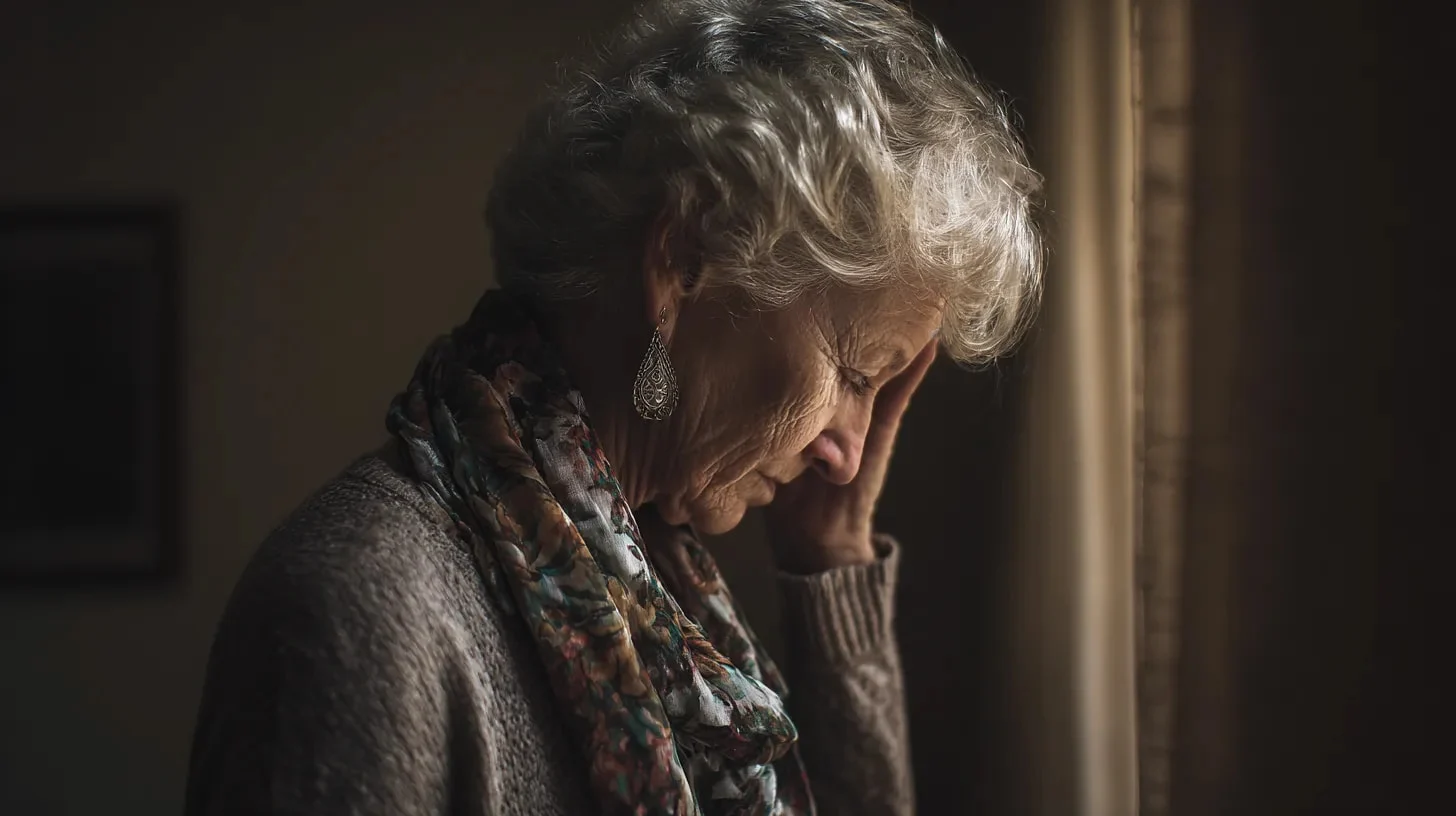
Understanding Grief: From Childhood to Adulthood


❝Grief is a complex emotional response to loss, often profound and deeply personal. It encompasses a range of feelings from deep sadness to anger, and the process varies greatly from one individual to another.❞
Grief is a complex emotional response to loss, often profound and deeply personal. It encompasses a range of feelings from deep sadness to anger, and the process varies greatly from one individual to another. Grief can follow the loss of a loved one, the end of a significant relationship, or other major life changes.
Exploring Grief Across Different Ages and Through Various Methods
What is childhood grief?
Childhood grief refers to how children experience and process the loss. Unlike adults, children’s understanding and expression of grief can be vastly different, often influenced by their developmental stage, emotional maturity, and the support they receive.
Healing from trauma is possible with the right therapist. TherapyRoute lists trauma-informed professionals ready to support you.
Find a Trauma TherapistProcessing grief during childhood is crucial. Unaddressed grief can significantly impact a child’s emotional and mental development. Early intervention helps manage feelings of loss healthily, fostering resilience and preventing long-term psychological issues.
What Are the typical signs of grief in a child?
– Emotional Signs: Sadness, anger, confusion, fear, or withdrawal.
– Behavioral Changes: Changes in eating or sleeping patterns, regressive behaviours (like bedwetting), or loss of interest in activities.
– Physical Symptoms: Complaints of unexplained aches and pains.
What are the typical signs of grief in teenagers?
Teenagers might process grief with a mix of child-like and adult-like reactions. They may seek more independence in their grief, sometimes isolating themselves or engaging in risk-taking behaviours. Others might talk more openly about their feelings or seek support from peers.
While teenagers might share some general signs of grief, not everyone will have the same reactions. As such, checking in with your teenager, monitoring changes in their mood and behaviours, and having honest and transparent conversations are recommended.
What are the signs of grieving in adults?
When an adult is grieving, their experience can manifest through many signs, including emotional, behavioural, physical, cognitive, and social changes. Emotionally, they may grapple with deep sadness, anger, guilt, anxiety, or even a sense of numbness, and sometimes, a conflicting sense of relief, especially following prolonged illnesses.
Behaviorally, this might translate into social withdrawal, disruptions in daily routines like sleep and eating patterns, frequent crying, neglect of personal care or an inclination towards risky behaviours. Physically, the grief can present as fatigue, unexplained aches, changes in appetite, and sleep disturbances.
Cognitively, they may struggle with concentrating, be preoccupied with thoughts of the loss, experience hallucinations of the deceased, or show memory lapses. Socially, grief often strains relationships, leading to a sense of disconnection and avoidance of reminders of the loss.
These symptoms, while common, can vary greatly and are part of a natural response to loss, though prolonged grief reactions or severe cases may warrant professional support.
FAQ
How does anyone express their grieving non-verbally?
Non-verbal grieving can include expressions like drawing, writing, or physical activities. These outlets provide a way to process grief when finding the right words is challenging.
Does Art Therapy help children process their Grief?
Art therapy can be a powerful tool for children dealing with grief . It allows for expressing emotions that might be too difficult to verbalize. Interestingly, art therapy also benefits adults, offering a creative outlet to explore and process complex emotions associated with grief.
Does Psychotherapy help Teenagers process their Grief?
Psychotherapy can be extremely beneficial for grieving teenagers. It offers a safe space to explore their emotions and develop coping strategies. Therapists can tailor approaches to suit the unique needs of teenagers , helping them healthily process grief.
Does Psychotherapy Help Parents Process their Grief?
Adults, including parents experiencing grief, can find solace in psychotherapy. It helps navigate the complex emotions of loss, providing support and offering strategies to cope with the grief process.
Psychotherapy can be particularly helpful in addressing feelings of guilt , unresolved issues, or finding ways to maintain a connection with the deceased.
Can Art Therapy Help Adults Process their Grief?
Art therapy can assist adults in processing their grief. It provides a creative outlet for expressing emotions that might be difficult to articulate verbally, facilitating a deeper exploration of feelings associated with loss. Individuals can externalize and visualize their grief through various art forms, offering a unique and therapeutic way to confront and work through complex emotions.
This process not only aids in emotional catharsis but also helps understand and integrate the experience of loss, promoting healing and personal growth. As such, art therapy is increasingly recognized as a valuable tool in adult grief counselling .
Key takeaways
Grief, though a universal experience, varies widely in its expression and impact. Recognizing and addressing grief in children and teenagers is crucial for their emotional health and development.
Similarly, adults, including parents dealing with loss, benefit from therapeutic interventions like psychotherapy and art therapy.
These approaches offer compassionate pathways to navigate the difficult grief journey, fostering healing and resilience across all ages.
Important: TherapyRoute does not provide medical advice. All content is for informational purposes and cannot replace consulting a healthcare professional. If you face an emergency, please contact a local emergency service. For immediate emotional support, consider contacting a local helpline.
Find Therapists
Must Read
Creating Space for Growth: How Boundaries Strengthen Relationships
Setting healthy boundaries fosters respect, protects emotional well-being, and strengthens relationships by defining personal limits and maintaining self-care.
International Mutual Recognition Agreements for Mental Health Professionals
Mutual recognition agreements for mental health professions are rare and uneven, with major gaps in counselling, social work, and allied therapies. Read on to understand ...
Mental Health Licensing & Regulation in New York State: 2026 Guide
Mental Health Licensing & Regulation in Singapore: 2026 Guide
Jumping to Conclusions
Jumping to conclusions is a thinking habit where we assume the worst or make judgments without enough evidence. By recognising this pattern, therapy can help you slow dow...
About The Author

Therapedia Centre (Group Practice)
Toronto, Canada
“Therapedia Centre offers individual psychotherapy and art therapy sessions to children, teenagers, adults, and families. Our psychotherapists and art therapists offer services in Yorkville and Greektown (Danforth) in Farsi, Portuguese, Arabic, Mandarin, and English.”
Therapedia Centre (Group Practice) is based in Yorkville, Toronto, Canada.