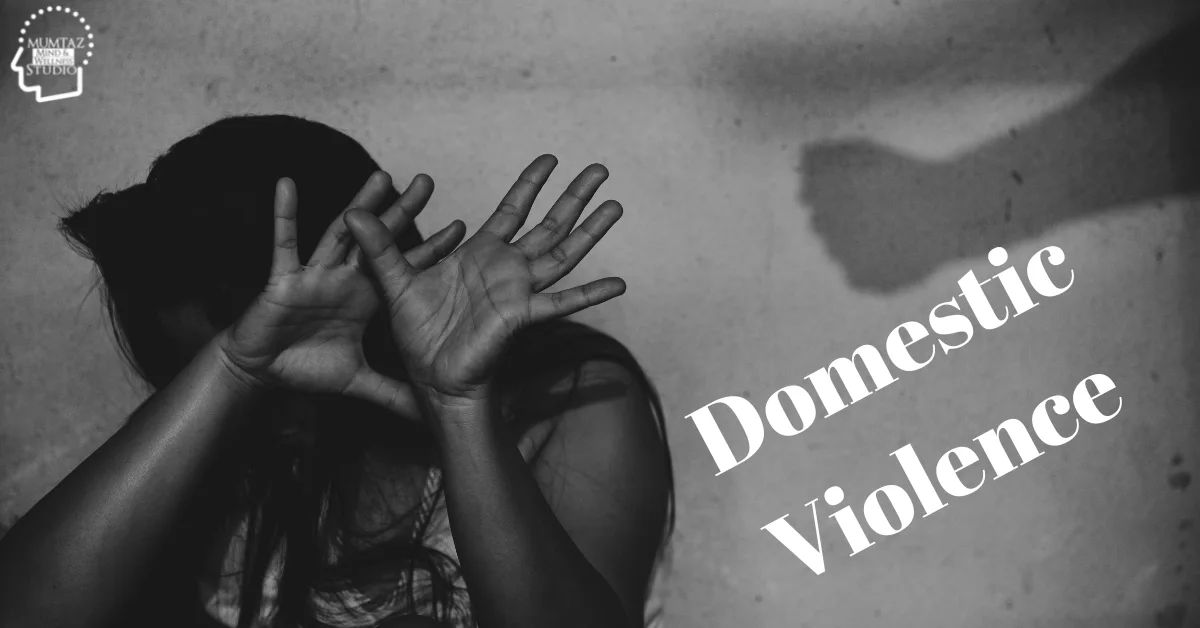
Addressing the Causes of Violence

Mercurio Cicchini
Clinical Psychologist
Australia
❝Psychology holds a critical advantage in preventing violence by understanding its roots in emotional distress and unmet developmental needs. Growing support for whole-of-system, preventative interventions underscores the profession’s potential to shift community outcomes before harm occurs.❞
The Psychology profession is in an informed and advantageous position to help address community problems. Currently a movement within the American Psychological Association is advocating for community health interventions to address problems in a broad holistic manner that promotes prevention, as opposed to only treating casualties via individual therapy (American Psychologist, September 2024, Vol. 79, No 6 – “Population Mental Health Science: Guiding Principles and Initial Agenda”, by Kenneth A. Dodge et al., pp. 805-823).
In the area of domestic and other forms of violence the Psychology profession’s advantages are due to having a repository of knowledge about aetiology (causes). That knowledge base, if articulated and disseminated, can guide policies and initiatives conducive to prevention, because as everyone knows, and most would agree – “prevention is better than cure”.
Earlier this year an extensive evaluation undertaken by Australian academic and researcher Professor Kate Fitz-Gibbon and international collaborators was published. They examined records of sentencing remarks in the criminal Courts in cases of femicide in Australia over a lengthy period. Below is an extract.
- Why do adult offenders commit acts that harm others?
- Recommendations For Community Interventions
- Summary
- About the Author
Extract from: "Securing women’s lives: examining system interactions and perpetrator risk in intimate femicide sentencing judgments over a decade in Australia".
Fitz-Gibbon, K., Walklate, S., Maher, J., McCulloch, J. & McGowan, J. (2024). Monash University and University of Liverpool. DOI: 10.26180/25855543
“Research in Australia and internationally has identified a connection between intimate partner homicide (IPH) and mental health issues (Boxall et al., 2022; Chang et al., 2011; Kivisto & Watson, 2015; Murphy, Liddell & Bugeja, 2016; Oram et al., 2013; Pottinger, Bailey & Passard, 2019). Murphy et al. (2016), for example, found that the most common service contact for perpetrators related to mental health issues. (...)
Our [Australian Courts Sentencing Judgements] analysis also reveals opportunities to enhance perpetrator risk identification, assessment, and management at a range of different points of the wider service system. This is particularly so, given the presence of recorded histories of alcohol, drug, and mental health illness among the offender sample. Acknowledging that this information would not necessarily have been noted by the judge at sentencing in all cases, our analysis found that:
- In 53% of intimate femicide sentencing judgments, it was cited that the perpetrator had a history of alcohol misuse/abuse (n=124).
- In 41% of intimate femicide sentencing judgments, it was cited that the perpetrator had a history of drug misuse/abuse (n=96).
- In 46% of intimate femicide sentencing judgments, it was cited that the perpetrator had a history of mental health illness (n=108).
While service involvement beyond the criminal legal system is less likely to be deemed relevant at sentencing for a homicide offence, it is notable that among 25 per cent of sentenced offenders, there was no cited history of engagement with counselling, mental health or drug and alcohol services (n=59). This absence likely indicates that femicide prevention strategies will need to extend well beyond accountability that can be achieved through such services. This observation is not to undermine the importance of whole of system responses which keep people who use violence in view. Previous research by Boxall et al., (2022) in Australia has emphasised the importance of opportunities for intervention where a domestic violence offender is in contact with medical services, including alcohol and drug use programs. This research lends further weight to these findings, emphasising that an offender’s engagement with intervention points beyond the criminal justice system demonstrate the importance of whole-of-systems approaches to early intervention and prevention, particularly given the histories mentioned above.” (pp. 22-23).
At a practitioner level there is considerable knowledge among Members of the Australian Psychological Society about related mental health matters in people who harm others. Below is my contribution, which I have shared with a Senate inquiry in 2013 and the current South Australian Royal Commission on Domestic, Family and Sexual Violence.
Why do adult offenders commit acts that harm others?
This summary was compiled after decades of specialised work conducting Psychological Pre-Sentence Reports for the WA justice system - as a kind of "black box" investigator of human tragedy.
- People who hurt others in adulthood have invariably been hurt in childhood, though neglect, abuse, ignorance and insensitivity, or misadventure.
- A basic recurring process prior to an offence is that current life stresses activate, or bring to the surface, deeper pain from childhood, which sits in memory. (A stress/diathesis process, explained below).
- In the lead-up to the offence, there is usually a loss, crisis, stress, threat, or negative experience which produces a state of dysphoria (negative feelings, which could include anger, depression, tension, helplessness, or anxiety, etc.)
- When distressed before offending, most offenders have difficulty separating the past and the present in their pool of upset: they typically lack insight, and usually attribute their feelings to recent events, not the past.
- This lack of insight (understanding or self-awareness) contributes to bad problem-solving, or a failure to recognise they have a deeper-seated emotional problem that needs attention.
- Offending acts can be prevented by an increase in understanding that bad feelings can contribute to bad decisions and bad actions. (Alcohol and drug use can make such bad decisions more likely by reducing self-control).
- Members of the community need to recognise that emotional problems of childhood origins require emotional solutions by healing internally, not practical ones.
- Most offending acts, as well as the abuse of drugs and alcohol, and gambling addictions serve to temporarily improve feelings of wellbeing by reducing pain, and offering a more positive feeling state, but the consequences are destructive in the longer term.
- Some offending behaviours become habitual because they provide short-term relief, by way of reducing feelings of helplessness, or induce pleasure, or excitement, which are inappropriate ways of escaping from distress. Such acting-out can start in childhood or adolescence and can manifest as antisocial personality dispositions.
- In the case where violence is involved, deep pain of powerlessness and helplessness is present. These vulnerabilities mostly stem from maternal separation and loss in infancy or childhood, which may be due to a variety of factors, many of which no one can be blamed for. Individuals with such histories can learn controlling behaviours or violent behaviours in childhood or adolescence that reduce feelings of helplessness and insecurity. Such activities improve felt potency and the feeling of being able to have control or make things happen – that is, reduce or avert the experience of feelings of vulnerability and felt powerlessness.
- Pain and vulnerability of childhood origins influence the experience of thoughts and fantasies which give the appearance of being a solution to the felt distress – including, in extreme cases, thoughts of self-harm or suicide, or violence towards others.
- Such processes are often automatic and unconscious, stemming from the fact that hedonic processes (the biological survival principle of animals and humans deploying pain-avoidance as a means of reducing threats) apply in relation to biological as well as psychological needs throughout the lifespan.
- Offending can be prevented by a shared understanding in the community that emotional upsets mostly require internal emotional solutions, not practical ones.
- People who are reactive (impulsive), and feel they have to fix things instantly are at greater risk of attempting to solve upsets through acts that harm others.
- All addictive behaviours (sex, gambling, substance abuse, smoking, stealing, fraud, aggression, etc.) can become psychologically habit-forming if they displace negative feelings arising from the frustration of psychological needs with more positive ones which serve either to increase or decrease arousal in a way that feels rewarding.
- With support and guidance, people who suffer emotionally can learn to handle upset feelings better and resolve their troubles in wholesome ways. A problem that is shared is often relieved; emotional pain does not last forever, and there are experts (Clinical Psychologists) who can help to develop coping skills and tolerance.
- Offending can follow from acting on power-inducing fantasies that are often automatic reactions to pain and upset, as the ideas and thoughts of acting on such possibilities can make the person feel more potent and less vulnerable. However, giving in to such impulses or desires does not solve the underlying emotional problem - it only creates pain for others and oneself. It is important to remember that emotional upsets require emotional solutions (healing), not practical ones (acting out, revenge, or selfish behaviour, all of which involve externalisation of responsibility – wrongly blaming others).
- The probability of an upset person acting-out their fantasies (losing self-control) is enhanced by intoxication with alcohol or drugs, cumulative or severe stresses, indulging in certain types of pornography, and insomnia.
- Such urges can be reduced by staying sober, learning to put up with or tolerate emotional pain, sharing burdens with others, and getting professional help from a specialist Psychologist who understands the link between childhood events and current behaviour, and is knowledgeable about the motivational role of intense emotion (upsets).
- The hurts that people experience in childhood and which they carry forward into adulthood are the result of negative experiences impinging on important psychological needs – like attachment needs, affection and nurturance, safety and security, attention, approval, esteem, autonomy, and control/power. These are often the result of parental ignorance of the needs of children, and sometimes neglect or abuse, including victimisation and even events like separation from a child and carer arising from life events which is nobody’s fault – like illness in either the child or primary carer.
- The majority of people who react to the upsets produced by childhood trauma and unmet childhood needs typically recognise that their suffering is extreme, but attribute (blame) their upsets to current events only, and do not understand that their historical pains are the primary source of their disturbance. This is where community education can play a vital role in the prevention of family violence.
Recommendations For Community Interventions
1. A programme of community education on the issues summarised below should be devised and implemented:
Therapy should be personal. Therapists listed on TherapyRoute are qualified, independent, and free to answer to you – no scripts, algorithms, or company policies.
Find Your Therapist(a) Programme development and policy review for preventative purposes
- Training programmes for professionals should be encouraged to develop understanding of basic psychological needs during childhood development to promote preventative and treatment interventions. [Table of Psychological needs is shown below]
- Government policies and objectives pertaining to family-work balance should be reviewed with the best interest of children in mind. Such an analysis needs to be informed by an understanding of the psychological needs of developing children, rather than an exclusive emphasis on economic or materialistic values. The individualised care of children should have a higher value and priority than is currently the case.
- Effort and resources should be applied in the gathering and distribution of basic information and guidance to parents and members of the community about the needs of children from gestation to adolescence, because the fulfilment of needs creates pathways for individual and community wellbeing, and their neglect shapes the pathway for future suffering in individuals and the community with which they interact.
(b) Community information: Developing an understanding of the influence of upset feelings on poor problem-solving.
- Upset feelings are a common precursor to bad decisions that lead to trouble.
- Upset feelings may be due to current stresses, setbacks or losses - but are often magnified by a pool of distress related to thwarted or unmet childhood needs.
- Bad decisions often involve reacting to fantasies or thoughts that change our outlook, or which hold the promise of making us feel better in the short term.
- A number of activities that people commonly use to cope with or dampen upset feelings and stress are self-defeating or destructive to self or others in the longer term.
- Many of these negative activities can be referred to as being “vices” that can become addictive or compulsive, but do not provide a positive or healing function.
- Internal emotional problems require emotional solutions, not practical ones (such as are promised by vices).
- It is helpful to recognise when we feel stressed or upset, and in response engage in positive problem-solving which addresses (heals) the upset feeling.
- Being able to separate past hurts from those due to current events is important.
- By recognising the upsets arising from unmet childhood needs by becoming aware of our negative feelings, preferences and fantasies we can choose to deal with that emotionally (internally), rather than through action, which in many instances is an over-reaction.
- Intoxicants diminish the capacity to exercise rational thought and self-control, and should be avoided as a means of coping with stress.
- Psychological counselling is available to help with understanding and learning to cope more positively with emotional issues, and to overcome bad habits or vices.
- Seeking help is a sign of strength and of an acceptance of personal responsibility which can help in gaining more control and direction over one’s future.
2. It is recommended that the ideas expressed above be presented to the community in a variety of modalities to counter existing stereotypical views that do not encourage the development of personal responsibility and positive coping skills in vulnerable individuals.
Summary
An extensive psychological data base exists which shows that emotional, behavioural and personality disturbances and vulnerabilities in adults that contribute to emotional and behavioural problems, personality problems, and alcohol and drug abuse - and relationship conflicts - originate from childhood adversity such as neglect, abuse and trauma.
Interventions to promote primary prevention have to include educational campaigns targeting parents and carers that improve childcare practices and reduce the incidence of inimical childhood events that contribute to adult psychopathology.
Not only is community education about the basic psychological needs of children required to improve childcare practices and early interventions for affected children, but government policies which promote institutional forms of childcare for perceived economic advantages in order to have more people in the workforce need to be reviewed and wound back.
Table 1. List of Psychological Needs*
| ACCEPTANCE | A fundamental desire for inclusion, as opposed to isolation, rejection, bullying or being shunned. [Derived from clinical observation. See also Rohner, Khaleque & Cournoyer (2005). Reference: Rohner, R.P., Khaleque, A., & Cournoyer, D.E. (2005). Parental acceptance-rejection: Theory, methods, cross-cultural evidence, and implications. Ethos, 33, 299-334] |
| ADMIRATION | Being the focus of positive emotion - delight and interest - by the carer. (HM – “Infavoidance”) |
| AFFILIATION | Relatedness to others: to form friendships and associations. (HM) |
| APPROVAL | Need to receive endorsement and support, to not be criticised, blamed, shamed, punished or made to feel chastised or disapproved of. (HM - “Blameavoidance”) |
| ATTENTION | To be noticed and paid attention. (HM – “Exhibition”) |
| AUTONOMY | The need for self-direction and freedom. (HM) |
| COMPETENCE | The need to feel capable and efficacious: to have mastery. (HM – “Achievement”) |
| CONTROL OR POWER | The need to be able to impact on the social and physical environment - to make things happen. (HM - “Dominance”) |
| ESTEEM | To be valued, generating feelings of worth. (HM – “Abasement”) |
| NURTURANCE | Desire to care for others, particularly the young. (HM) |
| ORDER | A need for environmental contingencies to provide structure and predictability. (HM) |
| RECOGNITION | To receive praise, be viewed or held in a positive light, extolled, seen as example worthy of praise and admiration. (HM - “Recognition”) |
| SAFETY OR SECURITY | To feel protected and safeguarded from potential threats of harm - to feel as being not at risk. (HM – “Harmavoidance”) |
| STIMULATION | To have opportunities to gain mental, physical and emotional stimulation, & novelty. (HM – “Change”; “Play”. Roth & Hammelstein – e.g., 2012, refer to the need for stimulation or sensation seeking) |
| SUCCOURANCE | The need to receive affection, physical touch and care. (HM) |
| UNDERSTANDING | The need for meaning, to make sense of events and people. (HM – “Cognizance”; “Intraception”) |
Reference: Murray, H.A. (1938/2008). Explorations in personality. New York: Oxford University Press.
*From Cicchini, M. (2023). Aetiology of core beliefs, wellbeing and psychopathology: A psychological needs model. (Unpublished manuscript)
About the Author
Mercurio Cicchini is a Registered Clinical Psychologist, first working as a Psychologist in Fremantle Prison (Western Australia) in 1973. Educated at the University of Western Australia and the West Australian Institute of Technology (now Curtin University), he has been operating as a private practitioner since 1987. Prior to that he was a Clinical Psychologist for the Department of Corrective Services, working with adult offenders in the WA prison system for 10 years (1977–1987).
Mercurio Cicchini’s areas of clinical interest include schema therapy, cognitive-behavioral therapy, trauma-informed care, and the integration of personality theory with clinical practice. He is particularly focused on the role of unmet psychological needs in the formation of core beliefs and emotional difficulties.
He is currently engaged in writing and research, exploring how understanding psychological needs can inform therapeutic practices and contribute to clients’ long-term wellbeing.
Important: TherapyRoute does not provide medical advice. All content is for informational purposes and cannot replace consulting a healthcare professional. If you face an emergency, please contact a local emergency service. For immediate emotional support, consider contacting a local helpline.
Find Therapists
Must Read
Creating Space for Growth: How Boundaries Strengthen Relationships
Setting healthy boundaries fosters respect, protects emotional well-being, and strengthens relationships by defining personal limits and maintaining self-care.
International Mutual Recognition Agreements for Mental Health Professionals
Mutual recognition agreements for mental health professions are rare and uneven, with major gaps in counselling, social work, and allied therapies. Read on to understand ...
Mental Health Licensing & Regulation in New York State: 2026 Guide
Mental Health Licensing & Regulation in Singapore: 2026 Guide
Jumping to Conclusions
Jumping to conclusions is a thinking habit where we assume the worst or make judgments without enough evidence. By recognising this pattern, therapy can help you slow dow...
About The Author

TherapyRoute
Mental Health Resource
Cape Town, South Africa
“Our mission is to help people access mental healthcare when they need it most.”
TherapyRoute is a mental health resource platform connecting individuals with qualified therapists. Our team curates valuable mental health information and provides resources to help you find the right professional support for your needs.