Watch Out: Abusive Relationships

❝What abuse is and why people stay in abusive relationships.❞
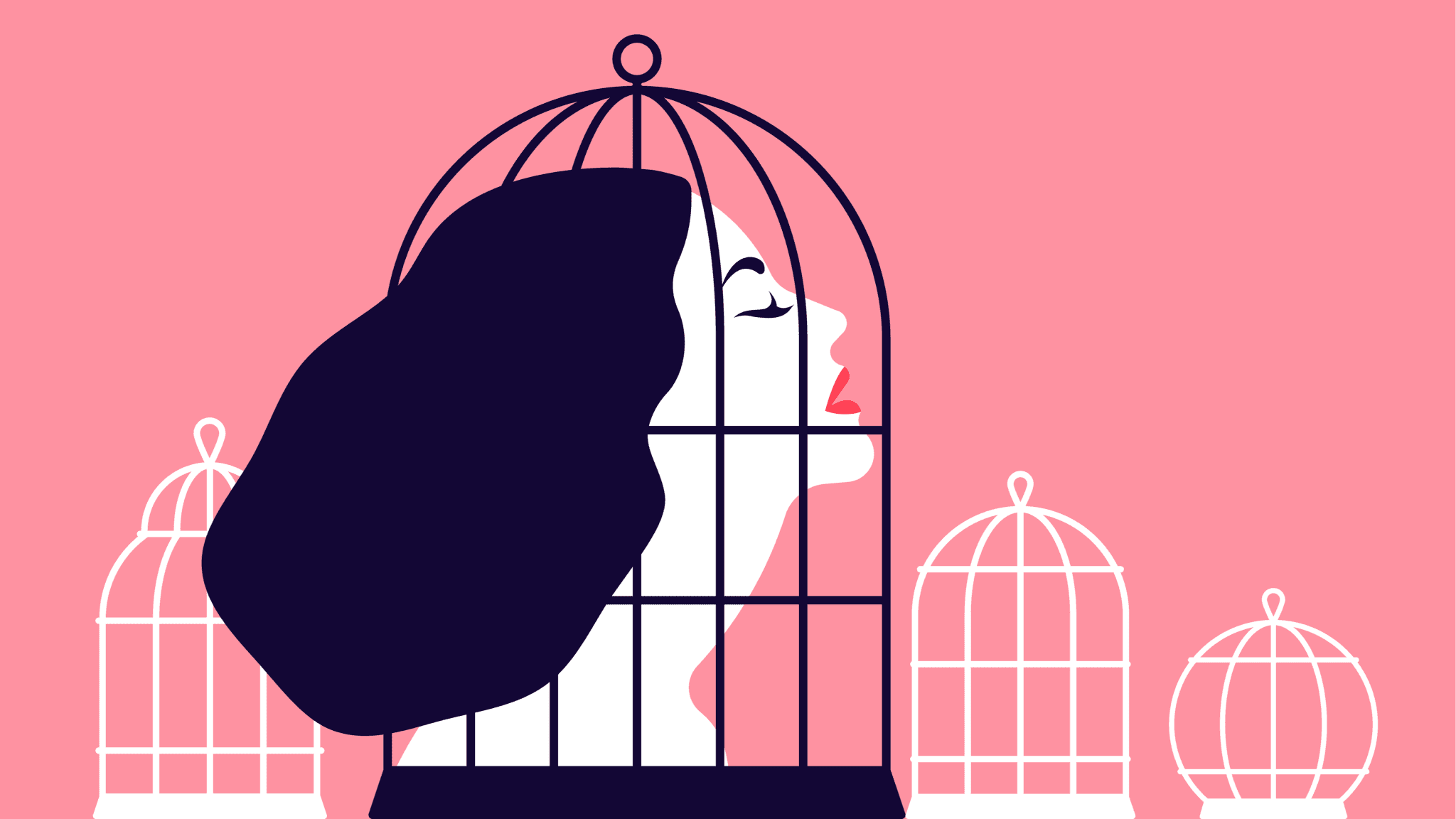
The term "abuse" entered our lexicon not so long ago, although the phenomenon itself was always present. Abusive relationships are often characterized by jealousy, emotional withholding, lack of intimacy, infidelity, sexual coercion, verbal abuse, broken promises, physical violence, control games and power plays. The result is a disregard of boundaries, humiliation, cruelty in communication and actions, and a restriction of the abused person's freedom and will.
Features of an abusive relationship
Healing from trauma is possible with the right therapist. TherapyRoute lists trauma-informed professionals ready to support you.
Find a Trauma Therapist- unreasonable and violent jealousy,
- selectivity,
- imposing one's opinion,
- constant and harsh criticism,
- total control of the other's actions,
- unpredictable mood swings (from love to tyranny),
-
gaslighting-the-revival-of-a-useful-term-by-ob-epstein">gaslighting (imposing false perceptions of reality, misidentifying feelings).
If you see any of these manifestations in your relationship, most likely, more will appear soon. Therefore, it is necessary to leave such relationships, preferably, explaining to the person honestly that he is overstepping the boundaries of reason.
Why do people stay in abusive relationships?
You might believe that the actions described above will immediately be identified as abnormal and that anyone would want to run away from such a person, but experience shows that most people continue in abuse, denying it and, often, not even try to leave their partner.
So what prevents a person from noticing these manifestations in their lives, and determining that they are in an abusive relationship?
Firstly, there is a restraining mechanism in such relationships: after quarrels, the so-called "honeymoon" usually comes - a period when everything is good again, the partner is kind and caring. Then you may get the impression that everything is really good, the partner is wonderful, and that surge was just a one-time event, they were just overwhelmed, etc. Perhaps, but if this pattern is repeated more than once, most likely it is part of an abusive cycle and not just a one-time explosion of emotions.
Secondly, when asking victims of abuse "why do you tolerate this?" they often say:
- I am guilty because I shouldn't have provoked them;
- everyone has problems in their relationships, it's just a difficult time for us;
- they just lack love, I will love them and it will be fine;
- I am nothing without them, I need them like air.
These beliefs, thoughts and ideas distort reality. People mistakenly believe that they can fix the problem. But nothing justifies violence against another person.
Where is the edge?
1) If you are being beaten - it is not normal, it is violence, it is a threat to your physical safety, this cannot be "with love". There are quarrels where both partners are equally active, aggressive, yes. But! If you are uncomfortable, scared, if you want to hide or run away - it is NOT normal. It is a form of violence or abuse. It is not an opportunity to grow tough.
2) If the aggressor says that you were to blame, they simply shake off the responsibility for controlling their actions. Can you imagine if the pilot of an aeroplane throws the helm because someone offended them? But your partner releases the helm of their behaviour, putting the blame on you. Their behaviour and reactions are within their control, even if they don't think so.
3) If, after a strong quarrel, strong aggression, you suddenly experience a period of heaven pleasure - a "honeymoon" - when everything is perfect, and this pattern is repeated again and again, then it is no longer something that just "happens" - it is a cycle of abuse from which you need to get out, no matter how wonderful it is during that honeymoon period.
4) The rescuer syndrome (I will help a person overcome this, save them) is quite common, and many people want to save another from suffering and pain. These altruistic impulses are useful, but only as long as the person needs (and makes use of) your help, and does not take advantage of you.
Remember that by tolerating and indulging someone's violence and emotional outbursts, you will never help them. You will not change how they interact with the world, because your actions will not show that such relationships are unacceptable. Most likely, the abuser has some kind of traumatic past that is important to work through. But until he understands that their actions are abnormal, unacceptable, and cannot be explained by external factors, they will not start working on themselves. And both of you will just suffer.
Please take care of yourself and your loved ones, do not allow any form of violence in your relationship.
Important: TherapyRoute does not provide medical advice. All content is for informational purposes and cannot replace consulting a healthcare professional. If you face an emergency, please contact a local emergency service. For immediate emotional support, consider contacting a local helpline.
Find Therapists
Must Read
Creating Space for Growth: How Boundaries Strengthen Relationships
Setting healthy boundaries fosters respect, protects emotional well-being, and strengthens relationships by defining personal limits and maintaining self-care.
International Mutual Recognition Agreements for Mental Health Professionals
Mutual recognition agreements for mental health professions are rare and uneven, with major gaps in counselling, social work, and allied therapies. Read on to understand ...
Jumping to Conclusions
Jumping to conclusions is a thinking habit where we assume the worst or make judgments without enough evidence. By recognising this pattern, therapy can help you slow dow...
Case Conceptualisation
Case conceptualisation is how a therapist thoughtfully pulls together your concerns, experiences, and strengths into a clear understanding of what’s going on. This shared...
Guided Discovery
Guided discovery invites clients to arrive at their own insights through collaborative questioning and reflection. Instead of being told what to think, individuals learn ...
About The Author

“My priority is to create welcoming atmosphere and build trust with clients without criticism, judgment or rejection. I work in an existential-humanistic approach believing that all of us can find our happiness and peace.”
Anastasia Popova is a qualified Psychotherapist, based in Moscow, Russia. With a commitment to mental health, Anastasia provides Counseling, Trauma Counseling, Psychology, Stress Management, Humanistic Therapy, Individual Psychotherapy, Internal Family Systems, Integrative Psychotherapy and Online Counselling.