Toxic Parenting Habits That Quietly Harm Your Child, and Healthier Ways to Parent


❝No parent is perfect, and every parent makes mistakes while learning how to raise children. Occasional slip-ups are normal and nothing to feel ashamed about.❞
No parent is perfect, and every parent makes mistakes while learning how to raise children. Occasional slip-ups are normal and nothing to feel ashamed about. However, some parenting behaviors can become emotionally harmful when they happen repeatedly and remain unaddressed. For the emotional health and happiness of children, these toxic patterns need to be recognized and changed.
Toxic parenting is not about occasionally allowing extra screen time, getting frustrated, or serving a quick meal on a busy day. Instead, it refers to repeated behaviors that emotionally hurt children and negatively affect their confidence, emotional safety, and mental well-being. Over time, these patterns can leave children feeling anxious, ashamed, emotionally unsafe, and psychologically wounded.
In this Article
- Not Understanding That Your Child Has Their Own Unique Path
- Making Children Choose Sides Between Parents
- Denying a Child’s Reality
- Being Overly Controlling
- Using Guilt to Control Children
- Failing to Manage Your Own Emotions
- Commenting on a Child’s Body or Eating Habits
- Lack of Healthy Boundaries
- Making Children Feel Like a Burden
- Tips for Breaking Toxic Parenting Patterns
According to psychologist Cynthia Edwards-Hawver, toxic parenting develops when “a parent’s emotional immaturity, need for control, or inability to regulate their own emotions consistently harms their child’s sense of safety and self-worth.” Understanding these behaviors can help parents build healthier and more emotionally secure relationships with their children.
Not Understanding That Your Child Has Their Own Unique Path
As parents, it is natural to want children to succeed, make wise decisions, and avoid painful mistakes. However, when this desire becomes overly controlling, it can unintentionally become damaging. Licensed professional clinical counselor Dawn Friedman explains that one of the most common toxic traits loving parents display unintentionally is “not understanding that their child has their own path and purpose in life.” Many parents who experienced emotional neglect or lack of support during their own childhood may unknowingly become overly controlling with their children.
In an effort to protect them from failure or disappointment, they may begin making too many decisions on their behalf. Unfortunately, this can prevent children from developing independence, confidence, emotional resilience, and problem-solving skills.
Managing anxiety is easier with the right support. TherapyRoute connects you with qualified therapists who specialise in anxiety and stress.
Find an Anxiety TherapistChildren need opportunities to make age-appropriate decisions, learn from mistakes, and discover their own strengths and passions. Allowing them space to grow helps build self-esteem and emotional maturity. For example, parents may become overly involved in choosing school subjects, sports, hobbies, or extracurricular activities for their children. While guidance is important, children also need the freedom to explore their own interests, talents, and dreams. Relinquishing some control can help children feel seen, respected, and emotionally supported. Healthy parenting involves guiding children without controlling them. It means offering wisdom, emotional safety, and support while still allowing children to become their own unique individuals.
Making Children Choose Sides Between Parents
Another harmful parenting behavior is involving children in parental conflicts or making them feel responsible for adult problems. Therapist Danielle Dellaquila explains that this behavior is especially common during divorce or in homes with ongoing conflict. When children feel pressured to choose sides, they often experience anxiety, guilt, emotional confusion, and divided loyalty. Parents should protect children from adult disagreements instead of drawing them into emotional battles.
Denying a Child’s Reality
When parents dismiss or invalidate a child’s emotions and experiences, children may begin doubting themselves and their own perceptions. Cynthia Edwards-Hawver warns against gaslighting behaviors such as saying, “That didn’t happen,” “You’re too sensitive,” or “You’re overreacting.” Repeatedly denying a child’s reality can confuse them emotionally and damage their trust in themselves. Over time, children may struggle with self-confidence and emotional security.
Being Overly Controlling
Overly controlling parenting can include monitoring every aspect of a child’s life, dictating future decisions, tracking their every move, or excessively restricting their independence. According to Danielle Dellaquila, this behavior often comes from parental anxiety or insecurity. Ironically, excessive control can push children away, causing them to become secretive, emotionally distant, or rebellious instead of responsible and open. Healthy parenting balances guidance with trust and healthy freedom.
Using Guilt to Control Children
Licensed psychologist Tirrell De Gannes explains that some parents unknowingly manipulate children through guilt in an effort to influence their decisions. When children are constantly made to feel guilty for choices their parents dislike, they may become fearful of making independent decisions or begin hiding important struggles. This can prevent children from seeking help and developing healthy problem-solving skills.
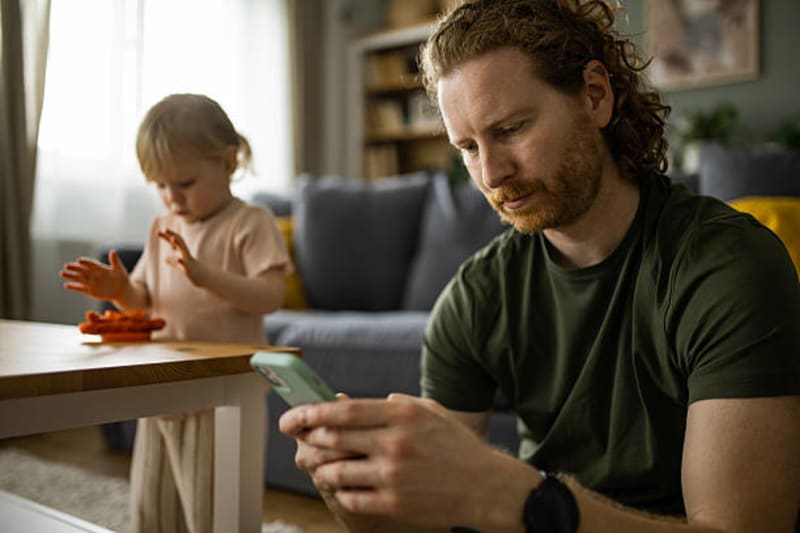
Failing to Manage Your Own Emotions
Parenting can be emotionally exhausting, but unmanaged emotional reactions can deeply affect children. Cynthia Edwards-Hawver explains that children should not feel like they must constantly walk on eggshells around a parent’s moods, anger, or emotional withdrawal. Emotional inconsistency, silent treatment, or unpredictable outbursts can leave children feeling emotionally unsafe. Children thrive best when parents model emotional regulation and stability.
Commenting on a Child’s Body or Eating Habits
Even comments intended as compliments can negatively affect a child’s body image and self-esteem. Eating disorder therapist Rachel Goldberg warns against frequently commenting on children’s appearance, body shape, or eating habits. Statements about weight, appearance, or food intake can unintentionally communicate that a child’s worth is tied to appearance. Over time, this may contribute to body image struggles or eating disorders.
Lack of Healthy Boundaries
Healthy parent-child boundaries are essential for emotional development. Tirrell De Gannes explains that unhealthy boundaries may involve oversharing adult problems, invading a child’s privacy, or becoming emotionally overdependent on children. Without proper boundaries, children may struggle to develop independence and emotional maturity. They may also begin distancing themselves emotionally from an overly intrusive parent.
Making Children Feel Like a Burden
Another damaging parenting pattern involves making children feel responsible for other people’s emotions or implying that their presence negatively affects others. According to Rachel Goldberg, statements such as “You make everyone uncomfortable” or “You always ruin the mood” can deeply affect a child’s self-worth. Over time, children may begin believing they are unwanted, burdensome, or emotionally damaging simply by existing.
Tips for Breaking Toxic Parenting Patterns
Recognizing unhealthy parenting habits does not automatically make someone a toxic parent. In fact, awareness is often the first and most important step toward positive change. Danielle Dellaquila encourages parents to explore where these behaviors come from, what triggers them, and how childhood experiences may influence current parenting patterns. Therapy and self-reflection can help parents develop healthier emotional responses and parenting strategies. Experts also encourage parents to take accountability, when necessary, acknowledge when behaviors may have hurt their children, apologize sincerely, and actively work toward healthier communication and emotional connection.
Our professional therapists guide families in creating balanced, loving, and supportive home environments where both parents and children can thrive emotionally and relationally.
Any time you encounter issues in the family, remember you don’t have to do it alone.
Important: TherapyRoute does not provide medical advice. All content is for informational purposes and cannot replace consulting a healthcare professional. If you face an emergency, please contact a local emergency service. For immediate emotional support, consider contacting a local helpline.
Find Therapists
Must Read
Creating Space for Growth: How Boundaries Strengthen Relationships
Setting healthy boundaries fosters respect, protects emotional well-being, and strengthens relationships by defining personal limits and maintaining self-care.
International Mutual Recognition Agreements for Mental Health Professionals
Mutual recognition agreements for mental health professions are rare and uneven, with major gaps in counselling, social work, and allied therapies. Read on to understand ...
Mental Health Licensing & Regulation in New York State: 2026 Guide
Mental Health Licensing & Regulation in Singapore: 2026 Guide
Jumping to Conclusions
Jumping to conclusions is a thinking habit where we assume the worst or make judgments without enough evidence. By recognising this pattern, therapy can help you slow dow...
About The Author

“A Licensed and experienced Counselling Psychologist/Marriage and Family Therapist working with families, couples, parents, adolescents, groups, and individuals”
Peter Mugi Kuruga is a qualified Certified Marriage and Family Therapist, based in Kasarani, Nairobi, Kenya. With a commitment to mental health, Peter Mugi provides Counseling, Divorce Counseling, Family Therapy, Relationship Counseling, Marriage and Family Therapist Associate, Mediation, Online Therapy, Stress Management and Adolescent Therapy.