The Self in Confinement

❝The impact of lock-down on our mental health❞
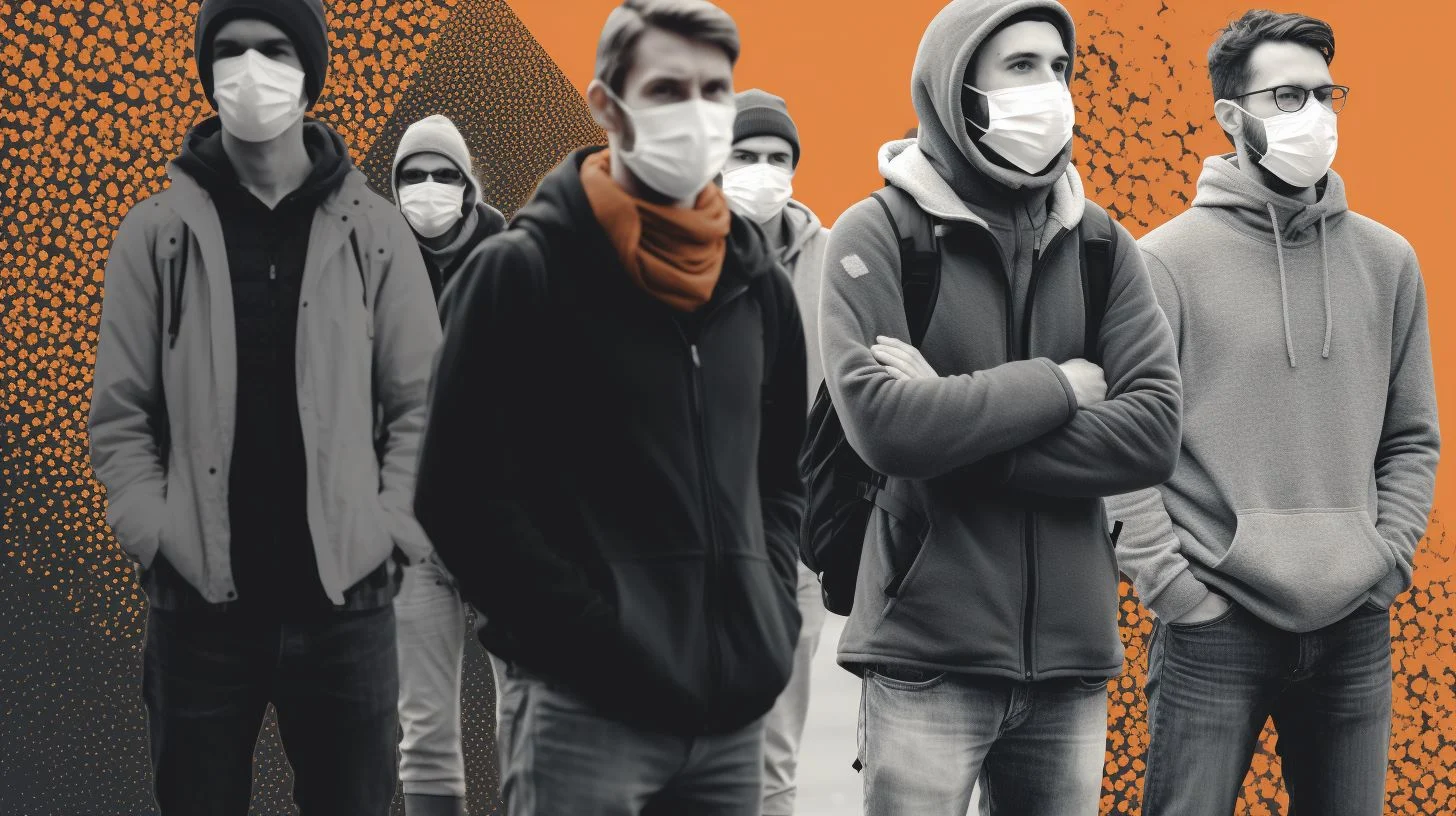
Imagining a post-COVID19 world seems to be a daunting task today. The near future has become unforeseeable, as new elements shake its usual structure, re-shaping it from within and abolishing the slightest illusion of certainty it once had. Humanity is in search of a new normal.
Therapy should be personal. Therapists listed on TherapyRoute are qualified, independent, and free to answer to you – no scripts, algorithms, or company policies.
Find Your TherapistAs difficult as it might be to accurately grasp the full extent of the potential aftermath of these unprecedented circumstances on the human “being”, one reality seems to clearly emerge as time goes on; and that is the reality of how hard the impact of confinement will be on mental health.
Confinement – loss of space, loss of freedom, loss of vision, loss of expansion, loss of life. You are grieving old habits, standard communication, traditions and common practices, closeness and proximity, life ventures and plans. All the while, there is an invisible, all-powerful virus threatening your very sense of security. You are not only stuck within the walls of your house; you are also stuck within the walls of your mind. All your inner vulnerabilities, lurking underneath the surface, are now free to flood the gates. Confinement – loss of control.
The impact of these losses on mental health will be done by different brush strokes, but all of them will draw the same picture. After this, there will be unanswered questions. After this, there will be confusion and severe distress. After this, there will be a need for self-exploration, self-awareness and self-love. After this, there will be a need for therapy.
One of these brush strokes, and the daunting challenge of this period, is dealing with overwhelmingly unpleasant emotional states. Normally, psychological defence mechanisms are consistently working to help curb feelings of anxiety, boredom, confusion, fear, nostalgia, sadness and anger. However, defence mechanisms, despite what their name and function may suggest, are rarely well-adapted and healthy. Instead, they are pervasive patterns of thoughts and behaviours that run the risk of malfunction when faced with a new construct of reality. Practically, this means that you are no longer capable of “doing what you’re used to doing to make yourself feel better” when you are faced with an unfamiliar environment. There is nothing familiar about a forced lock-down, unproductivity, aloneness, monotony, physical distancing, rigorous hygienic precautions, absence of social interaction, stimulation and entertainment. As a result, while your defences struggle to keep up, your emotions will become harder to understand, to handle and to navigate. These emotions need to be spoken.
Another brush stroke is unresolved trauma. Unaddressed, ignored, repressed but not forgotten.
During a session, she almost screams into my earphones: “I have so much time to think and all I seem to think about is the past. I’m remembering things that I didn’t even think I had any recollection of. And it’s bad. It’s all bad. It’s all hurt and pain. Why is it coming up now and how come I can’t just stop it? I’m not safe anywhere. I was never safe and I never will be. That’s all I keep telling myself.”
In times like these, when movement is restricted on the outside, it is the inside that starts to move. The absence of distraction creates an uncomfortable quiet where painful memories resurface and the lines between the past and the present get blurred. Old, familiar feelings of loss, separation, rejection, abandonment, violence or abuse make an unannounced come-back. They get intertwined with current feelings of fear, insecurity and instability, and the memories start being replayed over and over again as if they now exist in the present time; making it difficult to concentrate, to sleep, to laugh, and sometimes even to breathe. These are the untold parts of your story; the un-cried, un-screamed, unhealed parts. And they need to be spoken too.
So, speak them. Speak them all. Speak them before they make you feel powerless and helpless; because you are not. When you become overwhelmed by emotions and frustrations; when unwelcomed thoughts affect your personal well-being, the way you perceive yourself and the way you behave in your relationships with the world, you can speak them, in therapy .
Therapy creates a safe space in a world where safety is intangible and feels unattainable. Therapy allows for the reconstruction of the self, in a way to make a place for all the pieces to exist harmoniously together. My favorite saying when it comes to psychological struggles is “This too shall pass”. Yet the truth is, even if something passes, there is a natural tendency for it to come back until its proper meaning has been restored and it has been acknowledged and understood.
Perhaps confinement can serve as an eye-opener, an insight. An insight into what is truly needed, away from the commotions of life and the distractions that defences create to maintain an unhealthy status quo. Perhaps when this is over, a new reality can start to take shape. One where the focus on the internal structure in primary; where priority is given to the self, to exploring it, to be aware of its needs, to love it and to allow it to thrive within the safe confinement of healthy emotions, balanced relationships and the peaceful synchronicity of the past and the present.
After this, there will be a need for therapy . After this, there will be a need for healing. And that should be humanity’s new normal.
Important: TherapyRoute does not provide medical advice. All content is for informational purposes and cannot replace consulting a healthcare professional. If you face an emergency, please contact a local emergency service. For immediate emotional support, consider contacting a local helpline.
Find Therapists
Must Read
Creating Space for Growth: How Boundaries Strengthen Relationships
Setting healthy boundaries fosters respect, protects emotional well-being, and strengthens relationships by defining personal limits and maintaining self-care.
International Mutual Recognition Agreements for Mental Health Professionals
Mutual recognition agreements for mental health professions are rare and uneven, with major gaps in counselling, social work, and allied therapies. Read on to understand ...
Mental Health Licensing & Regulation in New York State: 2026 Guide
Mental Health Licensing & Regulation in Singapore: 2026 Guide
Jumping to Conclusions
Jumping to conclusions is a thinking habit where we assume the worst or make judgments without enough evidence. By recognising this pattern, therapy can help you slow dow...
About The Author

“I'm an experienced psychotherapist with 15 years of work in the different fields of mental health. My work is anchored in non-judgment and flexibility. I believe therapy guides the way to self-discovery, to understanding the root of our conflicts, so we can make peace with our past and set ourselves free.”
Luma Naccache is a qualified Licensed Clinical Psychologists, based in Doha, Qatar. With a commitment to mental health, Luma provides Counseling, Psych & Diagnostic Assessment and Psychodynamic Therapy.