Stress vs Depression: Why Knowing the Difference Matters?

❝Confused about stress vs depression? Discover the key differences, symptoms, and when to seek help in our informative blog post.❞
Ever feel like you're constantly under pressure, but can't tell if it's just stress or something deeper? You're not alone. In fast-paced cities, more Indians are beginning to ask a crucial question: "Am I just stressed, or is this depression?"
Understanding the stress and depression difference can be the turning point between feeling stuck and finally taking control of your mental health.
Here’s why it matters in your day-to-day life:
- You’ll stop second-guessing your emotions.
- You’ll know when self-care is enough and when to seek help.
- You’ll make space for healing instead of brushing things under the rug.
Stay tuned as we break down depression vs stress in simple, relatable terms, so you can take better care of your mental and emotional well-being, starting today.
In this Article
- The Battle of Stress vs Depression: Insights for Better Mental Health
- How to Tell the Difference Between Stress and Depression?
- Effective Coping & Treatment Options
- When and How to Seek Help from a Mental Health Professional?
- Therapy Made Simple: Search by Issue, Location, or Therapy Style
- Conclusion
- Frequently Asked Questions
The Battle of Stress vs Depression: Insights for Better Mental Health
Stress and depression often get tangled up, but the impact of each is vastly different. While stress may arise from a packed schedule or looming deadlines, depression is rooted deeper, often in factors like medical conditions, loss, or trauma. Both affect mental health but require distinct approaches to recovery. Let's understand these better.
What Is Stress and Why Does It Matter?
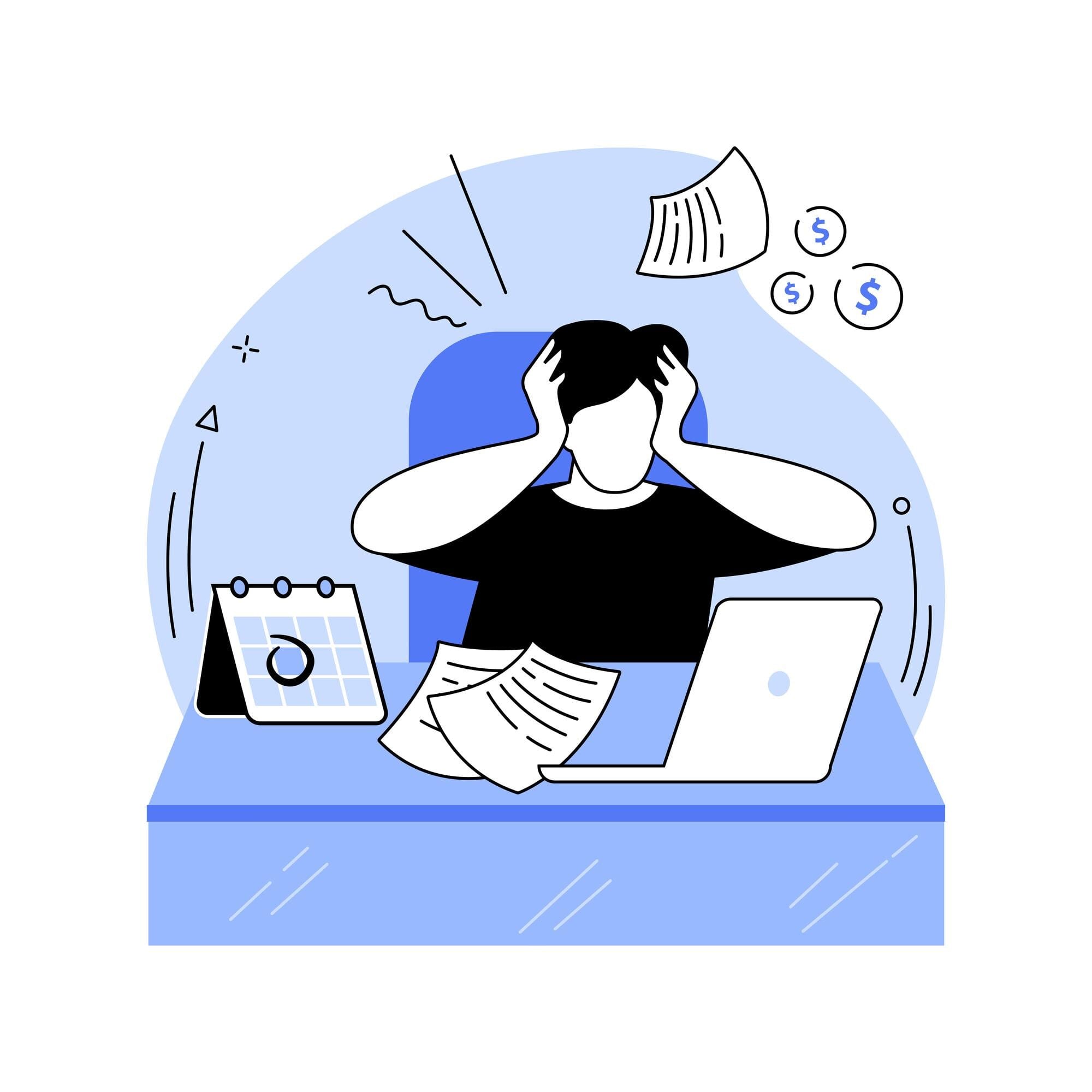
If you're struggling with low mood or depression, talking to a professional can make a real difference. Find a therapist who understands.
Find a Therapist for DepressionFrom competitive work environments to family responsibilities, we push through each day believing this stress is just part of “normal life.” And to some extent, it is. Stress can be a natural response that helps you stay alert, meet deadlines, or rise to a challenge.
But when the pressure piles on without relief, it stops being helpful and starts becoming harmful.
Stress doesn’t always come from negative events. In Indian households, expectations around career, marriage, parenting, or financial stability can weigh heavily, even if they’re tied to things we value. Some common triggers include:
- Strained relationships or family pressure
- Heavy workloads or unrealistic job demands
- Academic stress, especially for students and parents
- Financial insecurity or debt
- Major life changes, like relocating, job switches, or wedding planning
Symptoms of Stress
When stress builds up over time, your body and mind start sending warning signals. Here are some symptoms of stress that you must watch out for:
- Irritability or mood swings
- Restlessness or difficulty relaxing
- Trouble sleeping or insomnia
- Headaches, body aches, or muscle tension
- Increased heart rate or high blood pressure
- Digestive issues like acidity or appetite changes
- Constant worrying or racing thoughts
- Feeling overwhelmed or emotionally drained
What Is Depression and Why Is It More Than Just a Bad Mood?
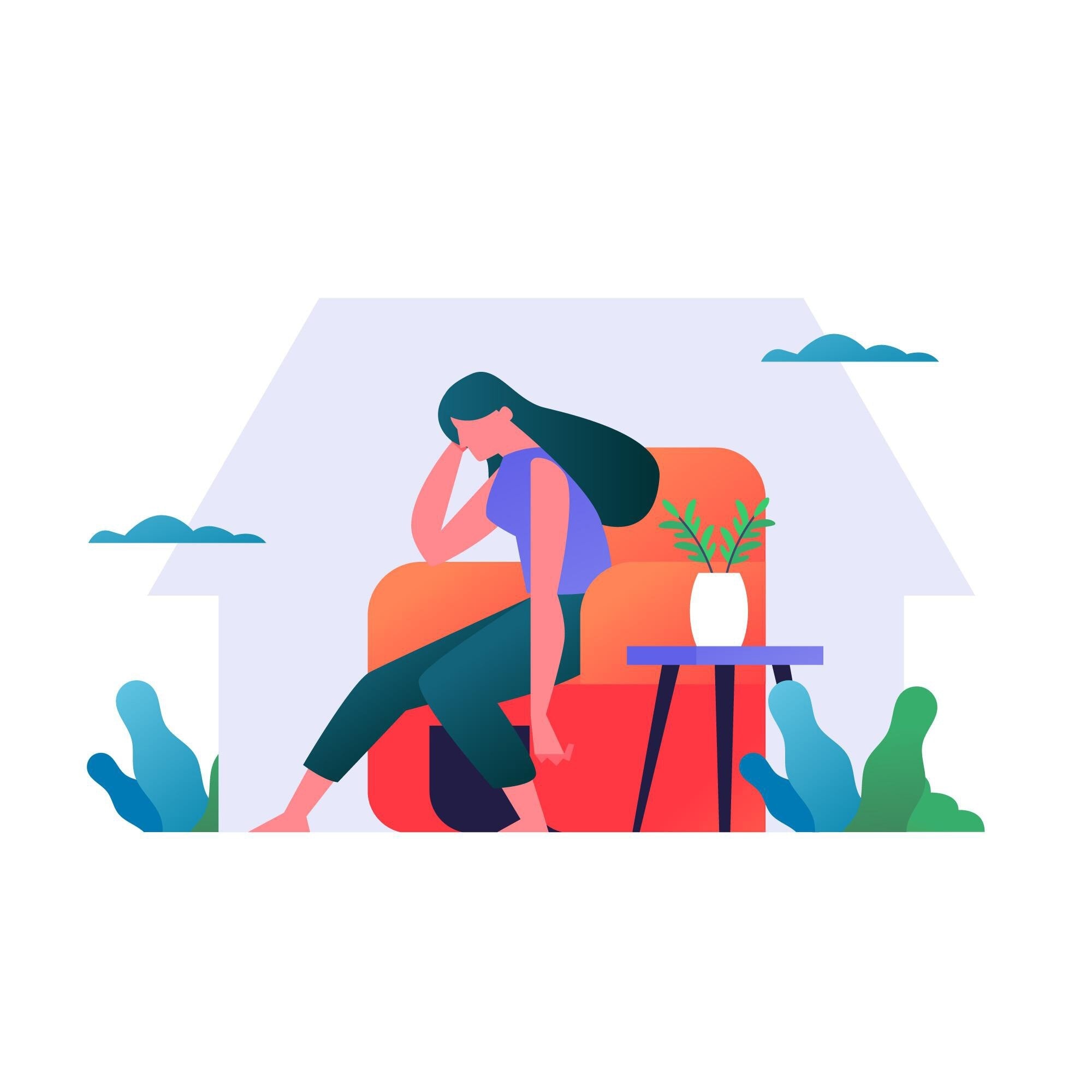
It’s common to hear phrases like “snap out of it” or “just stay positive” when someone’s feeling low. But depression isn’t about being weak or negative; it’s a serious mental health condition that affects how you think, feel, and function every day. It can make even the simplest tasks, like getting out of bed or responding to a friend, feel like a burden.
Unlike stress, which usually has a clear trigger and tends to ease with rest or distraction, depression lingers. There’s no single reason someone develops depression. However, it often stems from a mix of personal, biological, and social factors, such as:
- Family history of depression or mood disorders
- Grief or trauma from losing a loved one
- Postpartum changes or hormonal imbalances
- Long-term illnesses like thyroid issues, diabetes, heart disease, or chronic pain
- Ongoing stress from financial difficulties, societal expectations, or loneliness
Symptoms of Depression
Recognising the signs early can help you or someone you care about get the right support. Common symptoms of depression include:
- Persistent sadness or low mood, most of the day
- Loss of interest in activities once enjoyed
- Fatigue or low energy, even without physical activity
- Sleep disturbances, either insomnia or oversleeping
- Feelings of worthlessness, guilt, or hopelessness
- Difficulty concentrating or making decisions
- Changes in appetite or weight
- Physical symptoms like body pain or digestive issues without a clear cause
- Thoughts of self-harm or feeling like life isn’t worth living
If that last one is true for you now, see helplines and suicide hotlines worldwide.
How to Tell the Difference Between Stress and Depression?
Stress and depression are often mistaken for one another, but their effect on your body, mental, and emotional health reveal important distinctions. Check out the table below to understand the key differences, so you can take the right steps toward healing and support.
| Aspect | Stress | Depression |
| Possible Cause | Usually triggered by external situations (e.g., work, family, deadlines) | Can arise without a clear trigger; often linked to brain chemistry or trauma |
| Duration | Temporary; subsides when the stressor is removed | Persistent; lasts for weeks or months, even without external stress |
| Mood Changes | Irritability, tension, frustration | Deep sadness, hopelessness, emptiness |
| Energy Levels | Restlessness, sometimes hyperactive | Fatigue, low energy, sluggishness |
| Sleep Patterns | Trouble falling or staying asleep due to overthinking | Can’t sleep or sleep too much |
| Physical Symptoms | Headaches, muscle tension, and digestive issues | Unexplained aches, appetite changes, fatigue |
| Outlook on Life | Feels overwhelmed but hopeful | Feels hopeless, may lose interest in life |
| Response to Self-Care | Improves with breaks, rest, or relaxation | Little to no improvement with rest or positive experiences |
| Risk if Left Untreated | May lead to burnout, anxiety, or physical illness | Can worsen into severe depression or suicidal thoughts |
Still unsure whether it’s stress or depression?
Let TherapyRoute connect you with a qualified therapist near you or online, so you can get clarity, not guesswork.
Effective Coping & Treatment Options
Once you’ve identified whether you’re dealing with stress or depression, the next step is knowing how to respond. While stress can often be eased with lifestyle shifts, depression requires focused, professional care. Here’s how you can manage both, practically, proactively, and with the right support.
Strategies for Relieving Stress
In a country where everyday life is often fast-paced and family expectations run high, stress can quietly build up. Whether it’s exam pressure, work overload, or financial strain, learning how to manage stress the right way is key to staying mentally strong.
Here are simple, realistic strategies for relieving stress that actually work:
- Make a Plan: Identify your stressors. Write them down. Break big issues into smaller steps and tackle them one by one. Even small progress counts.
- Move Your Body, Release Your Mind: A brisk walk after dinner, morning yoga, or dancing to your favourite Bollywood song can instantly lift your mood.
- Take Care of Yourself: Prioritise sleep, eat balanced meals (don’t skip breakfast!), stay hydrated, and cut back on chai or caffeine during anxious moments.
- Talk It Out: Share your worries with someone you trust, a friend, sibling, or even a neighbour. Opening up relieves the burden.
- Create Tech-Free Time: Constant screen exposure (hello, WhatsApp and Instagram) can increase anxiety. Try unplugging for 30 minutes a day to reset.
- Practice Deep Breathing or Meditation: Even 5–10 minutes of focused breathing or a simple guided meditation can calm racing thoughts.
- Do Something that Makes You Happy: Gardening, sketching, cooking your favourite dish, small joys act like emotional recharge points.
- Set Healthy Boundaries: Learn to say no when needed, especially when people-pleasing starts hurting your own peace.
Common Treatment Options to Overcome Depression
Depression demands professional care, as it is a highly treatable condition. Start with local mental health services or consult your healthcare provider for personalised treatment. Therapy, medication, or a mix of both is frequently effective.
Common treatment options include:
- Cognitive behavioural therapy (CBT), focused on changing negative thought patterns.
- Antidepressant medications, prescribed by health care providers.
- Support groups for connecting with peers and sharing experiences.
- Lifestyle enhancements, like regular exercise and improved sleep habits.
Disclaimer: Mental health services, treatment availability, and medication regulations may vary by country. Always consult with your local healthcare provider or mental health authority to understand the options and guidelines specific to your region.
If you're feeling stuck or unsure where to begin, don’t wait.
Take the first step toward healing, use TherapyRoute to find trusted therapists near you, and explore treatment options tailored to your needs. Help is closer than you think.
When and How to Seek Help from a Mental Health Professional?
It’s important to recognise that feeling overwhelmed by painful sadness, powerful mood changes, or persistent feelings of anxiety is not a sign of weakness; it’s a sign of strength to seek support. If stress or depression symptoms last long-term or don’t improve with good ways of coping, it’s time to get a fresh perspective from a professional.
Look out for common signs of stress, major depressive disorder, or if your emotions interfere with daily life despite managing in manageable chunks.
Talking to a trusted friend can help, but when these feelings persist, don’t hesitate to seek a different kind of help. Your healthy body and mind deserve it.
Also Read: Online vs In-Person Therapy: What’s Better for Stress Relief?
Therapy Made Simple: Search by Issue, Location, or Therapy Style
Finding the right help for stress or depression in India can feel overwhelming, but it doesn’t have to be. TherapyRoute makes it easy and convenient to connect with qualified mental health professionals near you or online.
Whether you’re unsure if you need support for anxiety, major depressive disorder, or just want someone who understands your unique challenges, you can:
- Search by your specific issue, like stress, depression, or anxiety disorders.
- Filter by location. Find trusted therapists in your city or town.
- Choose your preferred therapy style, from cognitive behavioural therapy (CBT) to counselling.
No more endless searching or confusion. With TherapyRoute, you get quick access to experts who truly understand the depression and stress difference and can guide you toward healing, at your own pace, and on your own terms. Start your journey today.
Conclusion
Stress and depression often overlap but differ in causes, symptoms, and treatment needs. Stress is usually linked to external pressures and can improve with lifestyle changes, while depression is a deeper mood disorder requiring professional care.
By recognising the signs of each and knowing when to seek help, you empower yourself to make informed decisions about your wellbeing. Remember, there are effective coping strategies and treatment options available.
Prioritising your mental health is not just an option; it’s essential for leading a fulfilling life. If you feel overwhelmed, don't hesitate to reach out to a mental health professional who can guide you on your journey to recovery.
Frequently Asked Questions
Can stress lead to depression if left untreated?
Yes, chronic stress can escalate into depression if ignored. Continuous emotional strain may trigger symptoms of depression, such as feelings of sadness, a mood disorder, or loss of motivation. Addressing stress early on helps prevent the transition to deeper mental health conditions.
Are stress and depression treated differently?
While both require tailored approaches, stress management often revolves around constructive choices like lifestyle changes, whereas depression requires comprehensive treatment options. Therapy and medical intervention help address mental health concerns related to mood disorders effectively.
Can lifestyle changes reduce both stress and depression?
Yes, lifestyle adjustments play a key role. Eating healthy food, maintaining a healthy diet, exercising, and regulating sleep patterns can improve symptoms of stress and depression. These foundational steps build resilience against mental health challenges.
Is it possible to have stress and depression at the same time?
Certainly, you can experience both stress and depression simultaneously. Symptoms of stress may compound depression, heightening the impact on mental health. Support from mental health services or a family member can help tackle these mood disorders collectively.
Is therapy helpful for both stress and depression?
Therapy is beneficial for both stress and depression. Mental health services and therapists tailor approaches like cognitive behavioural therapy to your concerns. Remember, both are highly treatable conditions with the right support.
Do I need a therapist or just self-help tools for stress?
It depends on the severity. Trusted self-help tools or a heart-to-heart with a friend often work for mild stress. For chronic stress affecting daily function, consulting a mental health professional is an important part of the recovery process.
Keep Reading:
Therapist vs Psychologist - What's the Difference?
Therapy vs Counselling: Understanding the Key Differences
Psychotherapy vs Counseling: Which One’s for You?
Psychoanalyst vs Psychologist: Key Differences Explained
Important: TherapyRoute does not provide medical advice. All content is for informational purposes and cannot replace consulting a healthcare professional. If you face an emergency, please contact a local emergency service. For immediate emotional support, consider contacting a local helpline.
Find Therapists
Must Read
Creating Space for Growth: How Boundaries Strengthen Relationships
Setting healthy boundaries fosters respect, protects emotional well-being, and strengthens relationships by defining personal limits and maintaining self-care.
International Mutual Recognition Agreements for Mental Health Professionals
Mutual recognition agreements for mental health professions are rare and uneven, with major gaps in counselling, social work, and allied therapies. Read on to understand ...
Mental Health Licensing & Regulation in New York State: 2026 Guide
Mental Health Licensing & Regulation in Singapore: 2026 Guide
Jumping to Conclusions
Jumping to conclusions is a thinking habit where we assume the worst or make judgments without enough evidence. By recognising this pattern, therapy can help you slow dow...
About The Author

TherapyRoute
Cape Town, South Africa
“Our in-house team, including world-class mental health professionals, publishes high-quality articles to raise awareness, guide your therapeutic journey, and help you find the right therapy and therapists. All articles are reviewed and written by or under the supervision of licensed mental health professionals.”
TherapyRoute is a mental health resource platform connecting individuals with qualified therapists. Our team curates valuable mental health information and provides resources to help you find the right professional support for your needs.