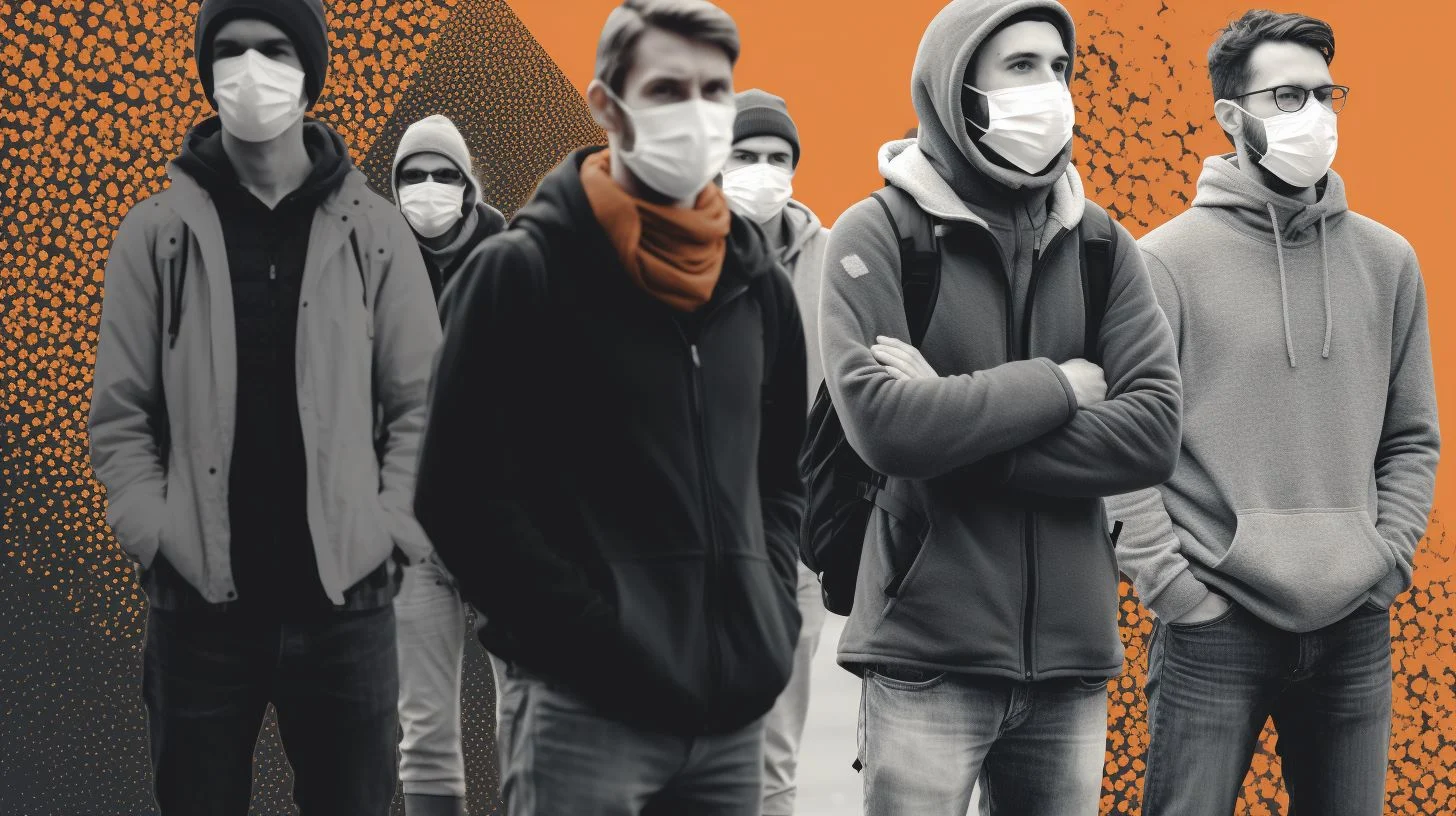
COVID-19 and Mental Health of Front Line Health Care Workers

❝I share my insights and takeaways on COVID-19 and Mental Health in supporting front-line Healthcare workers❞
On 14th February I attended my first in a series of Webinars themed COVID-19 And Mental Health. This was the second one the able team was holding and I was privileged to attend it. Webinar 2 was on Supporting the Mental Health of Front line Health Workers.
Therapy should be personal. Therapists listed on TherapyRoute are qualified, independent, and free to answer to you – no scripts, algorithms, or company policies.
Find Your Therapist
First of all, some background...
Who planned these series?
It was an interesting partnership between United for Global Mental Health, Mental Health Innovation Network and The Lancet Psychiatry.
How did I learn about it?
You wouldn’t believe, it was through one of the numerous links that are shared through social media. I am truly grateful I clicked on the Link.
On this day, the conversation was on what organizations were already doing and what more needed to be done towards supporting front line healthcare workers (HCWs) on mental health matters.
Some three challenges I picked.
1. Fear and Shame. HCWs on the front lines are afraid of contracting the virus and infecting their family members and are also afraid of dying. They are also afraid of ramifications should they seek mental health support and have concerns about losing their jobs, their seeking of mental health support affecting their jobs and also have concerns about confidentiality. They also feel shame and guilt from ethical dilemmas that come up as they provide care.
2. The HCWs are not a homogeneous group as they have medical students who are just starting out with their careers, residents specializing in different fields, consultants that have just begun their practices and other who have been working for 20 years +. As such, these dynamics must be considered when coming up with mental health care interventions.
3. t was sadly noted that self-care was not a priority for health care workers as they operate constantly on the move and are in constant action mode.
Insights on Working interventions
In Madrid, Spain specifically at the University Hospital of La Paz, the mental health professionals had come up with 5-10 minute mindfulness interventions that focused on training emotions, cultivating an inner space of calm, focused attention and an attitude of compassion. Facing challenges in getting the healthcare workers to slow down, the team decided to work with their reality and equip their healthcare workers with some simple yet practical techniques to exercise self-care in very few minutes.
In Bangladesh and Egypt, the Humanitarian effort had focused on pre, during and post assignment orientation. They assessed risk, offered Psychological First Aid and later encouraged the HCWs to practice self –care and mindfulness.
In Hong Kong, China they created materials to inform, educate and communicate which helped alleviate internal struggle for HCWs and showed them care, concern and support.
Leadership in the Healthcare Industry must take time to set up systems to provide peer support to HCWs and spaces to discuss ethical dilemmas without judgement.
My takeaways
1. Learn from those ahead and prepare. We must listen to those who have hindsight as their advantage and avoid the pitfalls that they didn’t.
2. We all have a role to play to support HCWs in the front lines. This is because when their mental health is affected, then their ability to offer the expected high-quality standard of care is also compromised.
3. Let us work with our reality. We may not have adequate time to take HCWs through Therapy and so must adapt to equip them with the skills, tools and techniques to take care of themselves as best we can.
What are you doing to offer support to HCWs in your space?
Important: TherapyRoute does not provide medical advice. All content is for informational purposes and cannot replace consulting a healthcare professional. If you face an emergency, please contact a local emergency service. For immediate emotional support, consider contacting a local helpline.
Find Therapists
Must Read
Creating Space for Growth: How Boundaries Strengthen Relationships
Setting healthy boundaries fosters respect, protects emotional well-being, and strengthens relationships by defining personal limits and maintaining self-care.
International Mutual Recognition Agreements for Mental Health Professionals
Mutual recognition agreements for mental health professions are rare and uneven, with major gaps in counselling, social work, and allied therapies. Read on to understand ...
Mental Health Licensing & Regulation in New York State: 2025 Guide
Mental Health Licensing & Regulation in Singapore: 2025 Guide
Jumping to Conclusions
Jumping to conclusions is a thinking habit where we assume the worst or make judgments without enough evidence. By recognising this pattern, therapy can help you slow dow...
About The Author

“A Licensed Counseling Psychologist with 8 years experience working mostly with adults and youth and offering online therapy sessions.”
Serah Muindi is a qualified Counseling Psychologist, based in Eldoret, Kenya. With a commitment to mental health, Serah provides Psych & Diagnostic Assessment, Corporate Workshops, Counseling, Group Therapy and Skills Training.