A Proposed New Comprehensive Model of Consciousness and Emotion

❝Part Two - Accessing the chemistry of consciousness and emotion, by Ian Weinberg | Practicing neurosurgeon❞
Research in the area of mind-body influences has revealed the significant effects that thoughts and feelings have upon body function by altering body chemistry. Equally dramatic has been the finding that these induced changes in body chemistry in turn affect our thoughts and feelings. No longer can we neatly remove the phenomenon of consciousness, or the psyche, from the dynamic of body structure and function. The inescapable truth is that our thoughts and emotions are intimately connected to our body structure and function by heavy two-way traffic. In this article, the second part ( click here for part one ) of a two-part series first published in New Therapist 82 (November/December 2012), I describe a working model that we use to define the relevant variables of this dynamic and that also forms the basis for accurate diagnostic evaluations and intervention.
Introduction
Looking for evidence-based support? Find a qualified psychologist near you through TherapyRoute.
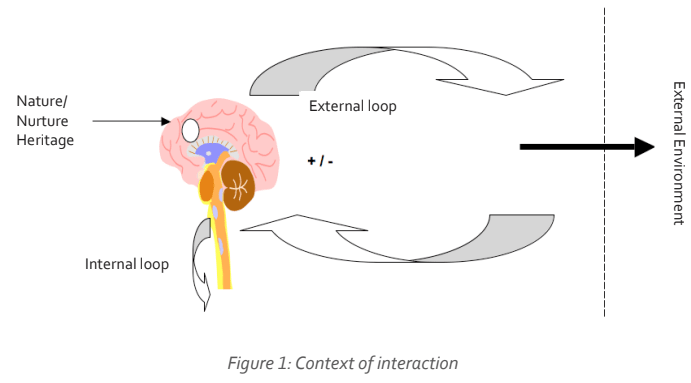
Find a PsychologistIdentifiable mind states are associated with the secretion of neuro-transmitters and neuropeptides, which then circulate in the blood stream and impact upon body metabolism (Kiecolt-Glaser, 2003). In this way, mind states influence wellness and performance in a profound way (Freund, 2006). The study of this mind-body chemical connection was originally referred to as psychoneuro-immunology (PNI). However it became apparent that mind- body influences extend beyond the immune system alone, impacting upon the hormones of the endocrine system and upon metabolism itself. It is therefore more precise to refer to these influences as Psychoneuro-endocrinology (PNE). The challenge is to be able to access the core processes of consciousness and thereby move the individual into a resourceful neuro-chemical configuration. The context of this dynamic is summarized by the illustration in figure 1.
Our nature-nurture heritage gives rise to our world-view or subjective reality. This heritage refers to our genetics as well as the influences of the early formative years. However, as we have described in the previous section, nurture influences also occur while we are in utero, within the womb. If this heritage is comprehensive and free of deprivation, then when we interact with the external environment we see things as they really are and consequently make accurate decisions. This leads to success and we thus return with a positive feeling. Conversely, if the nature- nurture heritage is a product of deprivation, we will not see things as they really are and thus experience failure. We return with a negative feeling. These feelings or emotions, products of the external loop, drive our PNI chemistry from the emotional centres of the brain via the internal loop. The emotional centres and their dynamics have been extensively described in the previous section. Consequently, the emotional dynamic determines ultimately our levels of wellness and performance.
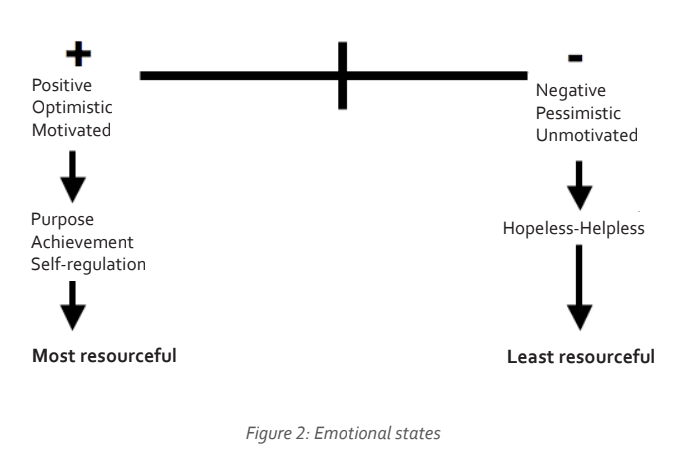
In regard to the emotions, we are now able to discern the traits of the two polar opposites representing positive and negative chemical configurations respectively. This is illustrated in figure 2.
The most positive emotional configuration is reflected by a positive, optimistic and motivated individual whose application incorporates the triad of purposefulness, a sense of achievement or anticipated achievement and self-regulation to support the other two components. This gives rise to the most resourceful chemical milieu. Conversely the individual manifesting the traits of negativity, pessimism and low motivation is prone to devolve into a mind state of hopeless-helpless. The ‘hopeless’ component refers to a subjective perception of meaninglessness in life while the ‘helpless’ component reflects a subjective belief that they are powerless to change their life situation. This emotional state is in effect an entrapment situation and gives rise to the most negative of chemical configurations, impacting directly upon levels of wellness, performance and leadership (Everson et al., 1996).
The Chemistry of Wellness, Performance and Leadership
The chemistry underpinning wellness, performance and leadership is illustrated in figure 3. The widespread influences upon body function, including the brain, become apparent.
Figure 3. The chemistry of wellness and performance.
At the heart of the chemical process is the interaction of brain chemistry, the neurotransmitters, with the modulating messenger chemistry in the body, the neuropeptides (Miller et al., 2006). The important neurotransmitters are serotonin, dopamine and noradrenalin while the important group of neuropeptides has been identified as the pro-inflammatory cytokines (Interleukin 1, Interleukin 6 and Tumour Necrosing Factor α). Experiencing stress, anxiety, states of hopeless-helpless and hostility is associated with a change in the relative concentrations of the neurotransmitters. The configuration that arises is one in which levels of serotonin and dopamine are diminished while levels of noradrenalin (and adrenalin) are raised. The configuration of decreased levels of serotonin and dopamine with raised levels of noradrenalin is associated with the increased secretion of pro-inflammatory cytokines by the macrophage cells of the immune system. Raised levels of noradrenalin and generalized sympathetic activity have been shown to directly stimulate pro-inflammatory cytokine production. Conversely, parasympathetic stimulation decreases pro-inflammatory cytokine production.
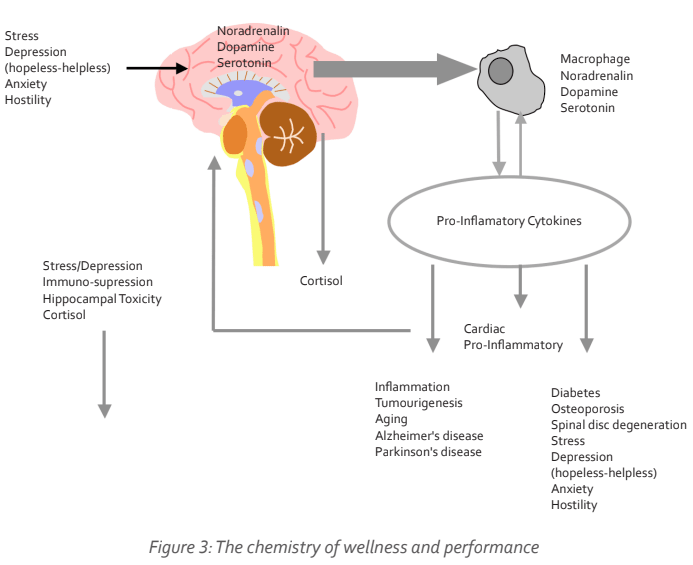
The pro-inflammatory cytokines have a widespread negative effect on multiple target areas. Included in the identifiable effects of the pro-inflammatory cytokines are the following:
1. Precipitate or enhance inflammatory activity in any target area
2. Contribute to athero-sclerosis, most notably in the coronary and cerebral arteries. This may give rise to heart attacks and/strokes (Appels et al., 2000)
3. Suppress cardiac muscle contractility
4. Contribute to the development of osteoporosis and Type 2 diabetes
5. Suppress enzymes that correct abnormal DNA
splicing—gives rise to tumour formation (myeloma, breast cancer) (Kiecolt-Glaser et al., 2002; Peng et al., 2005)
6. Feed back on the brain and result in the following effects:
- Disruption of hippocampal function—results in impairment of short term memory
- Disruption of neuro-transmitter production (diminished serotonin and dopamine levels) resulting in sickness behaviour
- The latter may evolve into depression in susceptible individuals (enhancement of negative mind-states)
- Stimulation of the release of CRF which increases cortisol production. This will contribute to immuno-suppression, Type 2 diabetes and osteoporosis. Raised cortisol levels also affect the hippocampus resulting in loss of cells and atrophy.1 The latter effect, hippocampal atrophy, has been shown to be reversible if appropriate intervention is initiated before threshold loss of tissue.
- Chronically raised levels of pro-inflammatory cytokines are associated with loss of neuronal cells in the basal ganglia, giving rise to possible Parkinson’s disease. In addition there may also be cell loss in the pre-frontal cortex and temporal lobe. This cell loss together with hippocampal atrophy may evolve into Alzheimer’s disease. Research has shown that Alzheimer’s sufferers have raised levels of pro-inflammatory cytokines which is often preceded by hippocampal atrophy and atrophy of the pre-frontal and temporal lobes (Leonard, 2007).
Two other situations have been shown to increase pro-inflammatory cytokine production, thereby giving rise to a similar chemical cycle. The first of these is sleep deprivation. Diminishing the duration and/or quality of sleep results in a decrease in melatonin production. Melatonin normally suppresses pro-inflammatory cytokine levels.2 Therefore, the decrease in melatonin results in raised levels of pro-inflammatory cytokine levels. The second situation is one of chronic pain. Pain nerve endings secrete peptides such as Substance P. These peptides stimulate the macrophages of the immune system to secrete pro-inflammatory cytokines thus initiating the chemical cycle as described previously.
It becomes clear that this underpinning chemistry maintains a profound influence on the mind-body connection in terms of wellness performance and leadership. Creating a means of accessing this chemistry—and thereby the functions supported by the dynamic—becomes pivotal if one wishes to bring about meaningful and sustained positive change. The Triangles Model was developed specifically to this end. The derivation was based on neuropsychological configurations incorporating associative memory and emotional processes.
The Triangles Model
The Triangles Model forms the foundation for accessing the comprehensive mind-body chemistry as well as associated, defined mind states (Weinberg, 2007). It is fully quantifiable by an online diagnostic which measures stress profiles, PNI resilience in terms of wellness and performance, as well as cardiac risk. Due to the comprehensive quantification, the effectiveness of intervention may be evaluated on an ongoing basis. Central to the Triangles Model is the energy-integration curve. This is illustrated in figure 4.
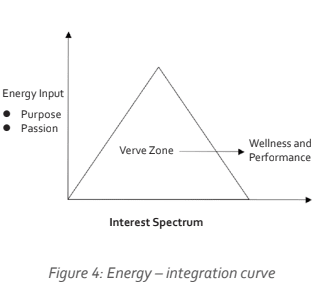
The Y-axis or height of the triangle represents passionate, purposeful energy input while the X-axis represents the spectrum of the environment perceived as meaningful and which has been integrated into the subjective world-view. The volume within the triangle has been shown statistically to represent positive chemical resilience as manifest in wellness and performance. Three archetypes of behaviour are described which reflect differing nature-nurture dynamics reflected in variations of the basic energy-integration curve. The neuropsychological derivation of the archetypes was comprehensively described in the previous section.
The first of the archetypes is referred to as the Bravo Archetype. This is illustrated in figure 5.
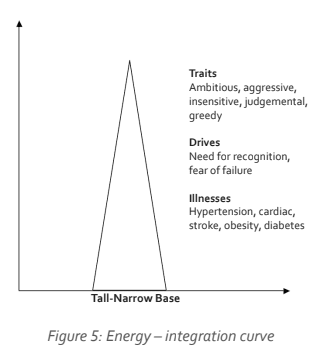
This archetype reflects a nurture dynamic in which a response to needs was delayed. A fear that the response would not be forthcoming resulted in the infant narrowing down the interest area to “own needs”. Ultimately the needs (mainly feed) were appeased and the efforts in this regard were thus justified. The archetype is represented by a tall and narrow-based triangle. The spectrum of the environment that is integrated in the base represents only “my needs”. This is therefore an archetype obsessed only with own needs and driven ambitiously to achieve these needs. The first drive is essentially one of fear—fear of failing to achieve the objectives. The second drive is one characterized by the need for recognition and adoration. The excessive drives give rise to the very tall triangle. This archetype has integrated only “own needs” into the baseline. Therefore everything which lies outside of the triangle of interest (subjective world-view) is judged to be unimportant and of inferior value. These unintegrated components are either deleted or, if persistent, are distorted to fit into the subjective world view. This archetype is thus insensitive to all that lies outside of the triangular configuration. The volume of the triangle is statistically adequate to drive PNI resilience in terms of wellness and performance.
As regards chemistry, the Bravo archetype is associated with higher levels of noradrenalin and adrenalin, with only moderate levels of pro- inflammatory cytokines and cortisol. This archetype is associated with pathologies reflecting the higher levels of adrenalin and noradrenalin such as hypertension. Excessive noradrenalin also compromises pre-frontal cortex, executive functioning (Arnsten et al., 2009).
The next archetype is termed the Charlie Archetype. The Charlie traits are illustrated in figure 6.
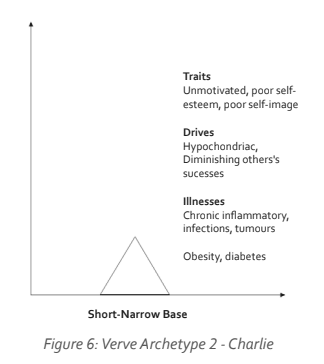
This archetype is represented by a small triangle, both in terms of height and base. Once again the narrow spectrum of integration represents “own needs”. The difference between the Bravo and Charlie archetypes in terms of the height of the respective triangles is that while the Bravo archetype has experienced success, the Charlie archetype has only experienced very limited success and gratification. Therefore the Charlie Archetype emerges from a heritage of futility. This futility results from continued failure to experience success and gratification in the nurture environment for “own needs” despite the repeated attempts in this regard. A point is reached where subjectively the Charlie Archetype believes that no amount of energy input will result in any meaningful result. This mind state is termed hopeless-helpless and is associated with self-destructive chemistry. As a consequence of this dynamic, the energy input diminishes as manifest by the low triangle height. Statistically there is insufficient PNI resilience to positively drive wellness and performance.
Two noticeable drives of the Charlie Archetype include hypochondriasis and the need to diminish the successes of others. The former reflects the need to be noticed and acknowledged while the latter results from a situation wherein the Charlie Archetype, having never really experienced success and gratification, finds it difficult to share an environment with successful individuals. The Charlie Archetype therefore may sabotage the successes of others to lessen the pain of failure. This mind set may progress to vengeance and hostility. The Charlie Archetype is prone to suffering the ailments of inadequate PNI resilience such as recurrent infections and tumours.
In terms of the chemical configuration, the Charlie archetype is associated with higher levels of pro-inflammatory cytokines which appear to correlate with the hopeless-helpless mind state. High levels of the pro-inflammatory cytokine Il-6 have been observed in the chronic care-giver situation and appear to suppress the DNA splicing correction enzyme which may then evolve into myeloma. Cortisol levels are generally raised but may be paradoxically low if the individual experienced chronic infantile deprivation. This is possibly explained on the basis of adrenal fatigue.
The final archetype is the Alpha Archetype. This is the “gold standard” and is illustrated in figure 7.
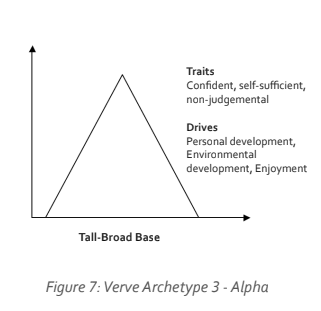
In this Archetype we find adequate triangular height signifying a healthy purposeful energy input together with a very broad base reflecting an environmental integration well beyond “own needs”. In this archetype, “own needs” were never an issue. As a result the volume of the Alpha archetype reflects a significant surplus of PNI resilience in terms of wellness and performance. The broad environmental appreciation precludes the development of insensitivity and/or judgmentalism that is found in the Bravo type. The Alpha type is driven by the need for personal development and fulfillment as well as enjoyment. There is very little fear of failure in this confident and self-assured individual. Illness occurs very rarely.
The chemical configuration of the Alpha Archetype is associated with adequate levels of serotonin and dopamine, with lower levels of noradrenalin. This reflects high levels of personal gratification (triggering the nucleus accumbens) and low levels of anxiety. Markedly low levels of noradrenalin, however, may become counter-productive in that the configuration gives rise to complacency (low motivation).
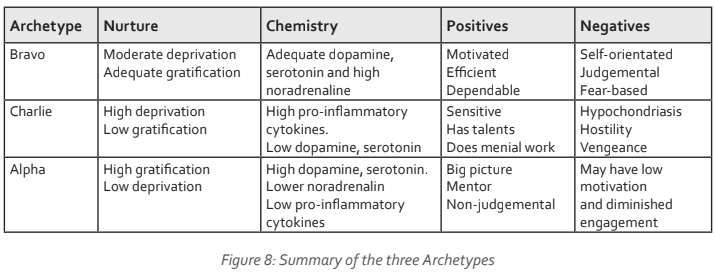
The three Archetypes are summarized in figure 8 in terms of the positive, negative, nurture and chemical characteristics.
It becomes apparent that each Archetype has both positive and negative traits. Therefore on the positive side the Bravo archetype is motivated and efficient while on the negative side Bravo is self-interest- orientated, judgmental and prone to the negative consequences of high noradrenalin and adrenalin levels. This manifests as hypertension and its complications as well as diminished pre-frontal cortex efficiency.
The Charlie Archetype, on the positive side, is usually sensitive and often has a talent. They will often do the menial work that others choose not to do. On the negative side, they may manifest the traits of hypochondriasis, hostility or vengefulness. In terms of chemistry, pro-inflammatory cytokines are usually raised, while dopamine and serotonin levels are diminished. There is a tendency towards raised levels of noradrenalin.
The Alpha Archetype is generally the big-picture thinker and mentor. On the negative side, however, there may be diminished motivation to engage due to lower levels of noradrenalin.
Each Archetype manifests characteristic language traits. The language of the Bravo Archetype reflects aggression, self-interest and judgmentalism. The Charlie Archetype language reflects the despair of hopeless-helpless, and a tendency or need to disengage. The language of the Alpha Archetype is one of dialogue. Dialogue reflects a non-judgmental and empathic communication.
Based on nurture dynamics, each of the Archetypes tends to live in a different time period. The Bravo Archetype is driven by the fear of not gaining or achieving to appease ‘own needs’. All efforts are therefore directed to some future destination. The Bravo Archetype therefore lives predominantly in the future. The Charlie Archetype is pre-occupied with nurture-based deficiencies of recognition of ‘own needs’. The diminished gratification, self-esteem and lost opportunities anchor the Charlie Archetype to the past. It is only the fully gratified Alpha Archetype whose needs in the present were appeased, that is free to live mindfully in the present without the Bravo distractions of the future and the Charlie pre-occupations of the losses of the past.
Following on from the work of Arnsten et al (2009), it becomes apparent that executive functions of the pre-frontal cortex differ in each of the Archetypes, based on the levels of dopamine and noradrenalin. The executive functions of the pre-frontal cortex include motivation, working memory (abstract memory), concentration and suppressing extraneous emotional distractions, appreciating consequences of actions and self-correcting processes.
If these functions are plotted against levels of dopamine and noradrenalin, it is possible to discern the characteristics in terms of pre-frontal performance of each of the Archetypes. This is illustrated in figure 9.
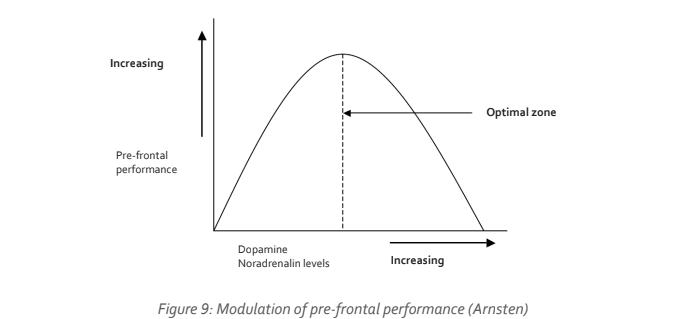
The optimal zone reflects adequate but not excessive amounts of dopamine and noradrenalin. Beyond the optimal zone, increasing amounts of noradrenalin result in diminishing levels of pre-frontal executive functions, as occurs in the Bravo Archetype. Increasing amounts of dopamine beyond the optimal zone result in diminishing levels of pre-frontal performance, with increasing levels of paranoia and eventual psychosis. Diminishing levels of noradrenalin, tending to the zero level on the left, is associated with less motivation and engagement, as seen in some Alpha Archetypes. Diminishing levels of dopamine to the left of the optimal zone and tending to the zero point are associated with increasing levels of hopeless-helpless as seen in the Charlie Archetype. This may be compounded with excessive fear and associated high levels of noradrenalin that may be encountered in the panic-stricken Charlie Archetype, serving only to further disrupt pre-frontal performance.
Applications in the Extended Environment
We spend most of our lives in one or more of three areas of interest. These are:
- Work or application
- Personal or inter-personal
- Recreation
As a result of the requirements of daily life, we will prioritize these areas of interest accordingly. Furthermore, because each of these interest areas occupies a different segment of the environment, our triangular configuration will separate into three independent, identifiable areas. The separation of these interest areas is termed un-integration. As a result of the different priorities given to these areas and the subsequent energy input, the triangles of interest representing these interest areas may range from Charlie to Alpha in their configurations. When functioning within a specific interest area, we take on all the traits of that specific configuration. We also become unaware of the other triangles of interest. This concept is illustrated in figure 10.
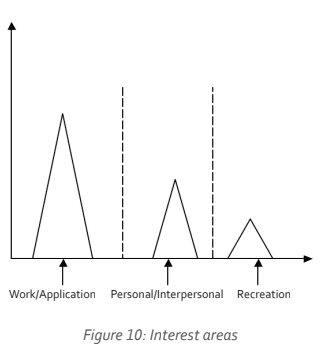
The above illustration depicts three un-integrated areas of interest where work/application is a Bravo Archetype while personal/interpersonal and recreation triangles reflect Charlie Archetypes. The un-integrated configuration refers to free standing triangles which have no connection to each other. When one is functioning within an un-integrated triangle, there is no awareness of a reality reflected in some other un-integrated triangle. In this situation most of the chemical resilience in terms of wellness and performance is derived from the Bravo work triangle. Should circumstances such as retrenchment or retirement result in loss of the work triangle, the individual will default into the remaining un-integrated Charlie triangles and experience the traits of hopeless-helpless. This will further diminish the available chemical resilience manifesting in compromised wellness and performance.
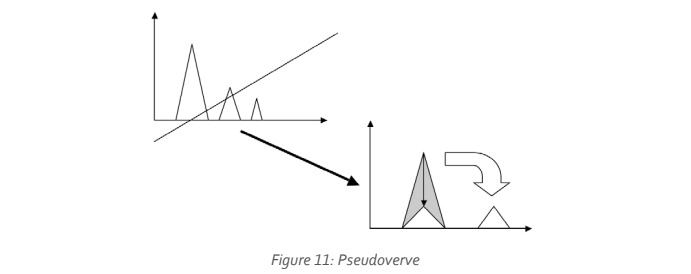
The loss of the Bravo triangle may also be subjective in that the apparent activity and interaction still exists but passionate and purposeful energy within the Bravo triangle has diminished. Outwardly the individual still appears to be interacting normally. However the loss of purposeful energy has resulted in the individual imploding into a functional Charlie Archetype within that specific sphere of interest. We refer to this as a pseudoverve phenomenon. Within a Charlie pseudoverve, the individual will once again experience all the subjective traits of the Charlie Archetype as well as a significant loss of chemical resilience. See figure 11.
The solution to diminishing the risks of un-integration, leading to defaulting into a low resource state, is to move towards a situation of integration. To illustrate the process required to attain integration let us refer to the triangles as folders and the information contained in the folders let us refer to as files. It follows then that in the context of un-integrated triangles, if there is a similar file representing a particular entity in two different un-integrated triangles or folders, one will have a fragmented perception of that entity depending upon which folder one occupies at a given point in time.
As an example, consider the case of a woman who may have experienced sexual abuse as a child. In this case the file representing “male” in the personal triangle or folder will have an extremely negative connotation. However she may be working with very reasonable males and therefore the file men within the folder representing work/application would have a reasonable connotation. The particular perception of the entity or file would therefore depend on which folder or triangle she finds herself in. It follows that by having an un-integrated configuration, we will never be able to perceive an entity as it really is, due to the fragmentation of reality as reflected in the fragmented triangles of interest. The solution provided by the Triangles Model is to fuse or cross-wire a particular file which is common to different folders/triangles of interest. This is illustrated in figure 12.
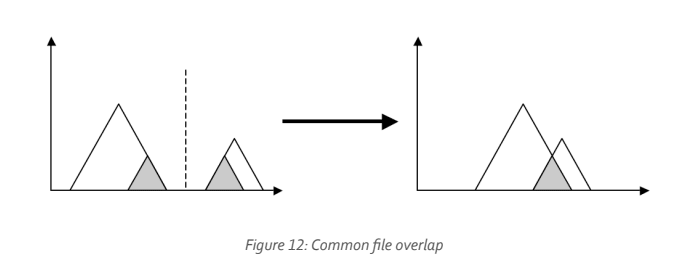
This will result in a true overlap of different spheres of interest, which have been brought together by cross-wiring or connecting the same file in the different folders or triangles of interest.
This process of overlapping brings us to the ideal configuration, being ultimately the overlapping of Alpha triangles reflecting each of the areas of interest. This is illustrated in figure 13.
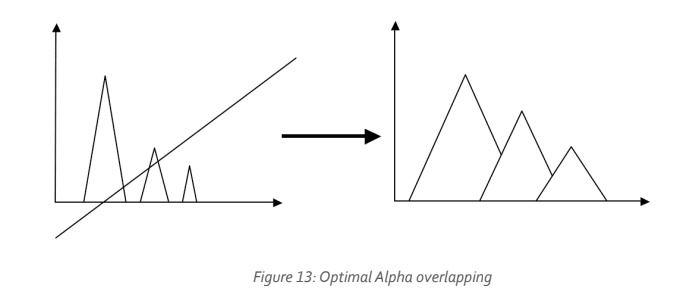
The overlapping of Alpha triangles is the optimal configuration in terms of chemical resilience. It is the consequence of expanding the base of integration of each triangle of interest such that an overlap occurs. In this way, awareness is maintained of other areas of interest even while prioritizing the environment in which we find ourselves at a given time. For example, while functioning in the work environment, awareness is maintained of personal as well as recreational needs. This translates into a sensitivity of the full environment, irrespective of the priority area in which we are interacting at a specific time. Functionally this translates into a situation of balance.
Furthermore, should a specific triangle of interest pseudo-verve, there will still be adequate purposeful energy to drive the re-creation of a new triangle of interest.
The overlapped Alpha configuration is one in which the full continuum of the environment is appreciated. Empathy for all entities within the environment and gratitude for own good fortune are fundamental traits of this configuration. The state of empathy is associated with the secretion of oxytocin which suppresses amygdala activity3 and decreases levels of pro-inflammatory cytokines and cortisol. The intention of contributing value to the environment and the acknowledgement of the value contribution of others serve to further sustain this configuration. Finally, if one removes the fear element of future possibilities, as occurs with abundance in the Bravo Archetype, and one removes the regret and sense of loss associated with the past as occurs in the Charlie Archetype, a point is reached where one enjoys mindfulness in the present with maximal insight.
Hollow integration
Generally, the process of integration results from a bottom-up synthesis of labeled entities and their associations. As happens in life, we may incorporate the superficial characteristics of entities into our world view without their complexities and the representative circuitry. For example, we integrate all the characteristics of a car without engaging and integrating the intricacies of its mechanics. The unintegrated segment of our configuration is termed a hollow integration. See figure 14.
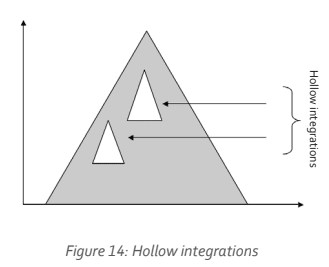
It is still feasible that an individual with an Alpha configuration remains a functional Alpha even with multiple hollow integrations. The deciding factor whether an individual with an Alpha configuration and hollow integrations is a functioning Alpha is their attitude towards their hollow integrations. An Alpha attitude will acknowledge the shortcomings of their hollow integrations while a Bravo will conceal or fabricate the absent information represented by the hollow integration.
Inter-personal Dynamics
At this point, we are in a position to review the dynamics that occur when different archetypes interact with each other. The first example reflects the interaction of the Alpha with Bravo and Charlie Archetypes. The fundamental characteristic of the Alpha configuration is that its broad base and adequate height incorporates the Bravo and Charlie triangles well within its subjective world view. In this way, all aspects of the subjectivity of Bravo and Charlie are integrated within Alpha, thereby maximizing sensitivity and minimizing judgmentalism (from the Alpha perspective). This is illustrated in figure 15.
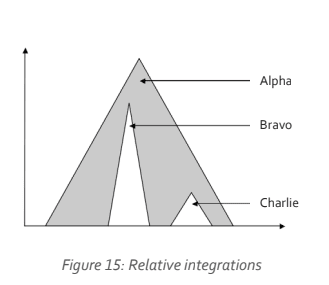
Consider the next example in which a Bravo Archetype interacts with a second Bravo. This is illustrated in figure 16.
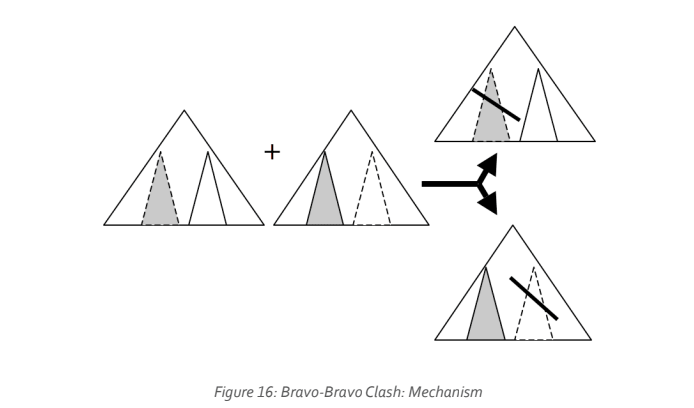
In this situation each Bravo occupies a different segment of the prevailing environmental spectrum. As a result, each will take a judgmental stand against the other and attempt to deny their existence. This is because each falls outside of the other’s subjective reality driven by own needs. There are several possible outcomes to this interaction as indicated in figure 17.
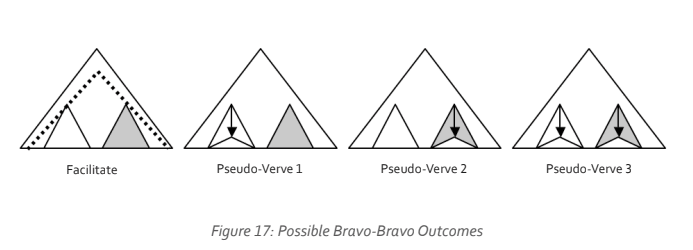
The most optimal outcome is arrived at through facilitation. When facilitated by an Alpha Archetype the fears, aspirations and preferences of each are incorporated into a phantom Alpha triangle that will function as a vehicle of co-operation for the specified environment. This facilitation may need to be repeated on a regular basis. Without facilitation, either or both of the two conflicting Bravo’s may devolve into pseudo-verve Charlie’s with all the associated hopeless-helpless traits. This situation is commonly seen in inadequately facilitated mergers where merging groups assume the postures of fearful Bravo’s.
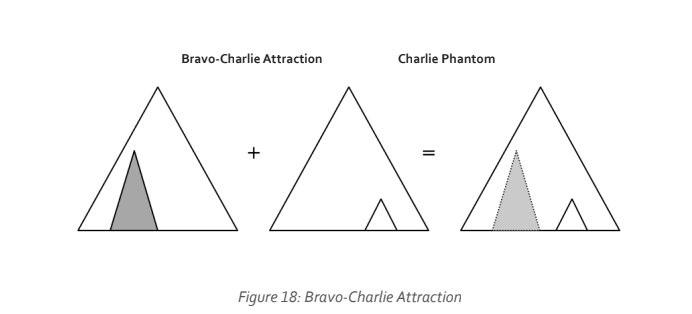
The union between a Bravo and a Charlie occurs as a result of the needs of each. The Bravo needs an individual to control (and in some cases, to abuse) and someone to provide ongoing adoration. The Charlie on the other hand requires recognition which, in this union, is derived from the accolades bestowed upon the Bravo partner. The Bravo triangle is therefore incorporated by the Charlie into his/her own configuration—but as a phantom. It is a phantom because on dissolving the union, the phantom Bravo triangle will disappear leaving the Charlie in hopeless-helpless wretchedness. This is illustrated in figure 18.
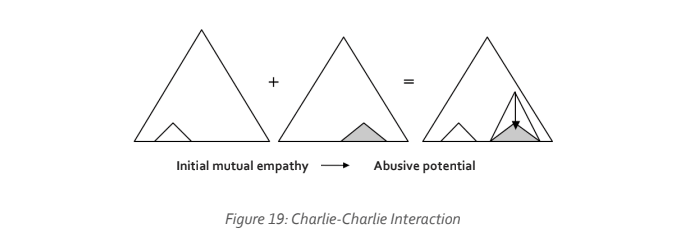
Charlie-Charlie attraction occurs because each Charlie empathizes with the other. Each identifies with the other’s loss of self-esteem as well as misfortunes which may prevail. In this way they find mutual solace in each other. However, should the female of the union experience any success or gratification, the male will be quick and brutal to bring her back to wretchedness because her success or gratification is too painful for him to bear. This is therefore the configuration that may lead to physical and emotional abuse. The dynamic is illustrated in figure 19.
Archetypes and Leadership
Archetypal traits directly determine leadership styles. Thus, in the case of Alpha, the broad-based integration reflects the traits of unprejudiced sensitivity, adequate self-confidence and an appreciation of the bigger picture. This translates into an individual who leads by facilitating dialogue between Archetypes. The intrinsic understanding that the Alpha has for the Bravo’s aggressive ambition and judgmentalism, fuelled by self-interest and the fear of not achieving, gives rise to facilitation in which the fear element is neutralized. Once fear is minimized through assurances of value within the team, the Bravo is reconciled with the bigger picture and encouraged to contribute to the collective dynamic. In effect, the Alpha functions as facilitator and mentor. In regard to the Charlie, the Alpha understands the deficient self-esteem and self-worth of this archetype. Sensitivity and support are essential in buffering the Charlie and ensuring that suppressed value gains expression. Through facilitation, Alpha maximizes the human resource potential. Supported dialogue contributes to morale and enhanced productivity.
The Bravo leads by prescription. The management structure is denoted by a collective Bravo configured triangle, tall and narrow-based. Anyone expressing a view which falls outside of the triangle of interest is regarded as a threat to the organization. Thus unquestioning conformity is a prerequisite for tenure and promotion. Unfortunately a significant amount of intrinsic human resource potential is lost as a result. This leadership style is driven by fear.
The Charlie in a leadership position may result in a potentially damaging situation. Charlies with significantly compromised self-esteem may surround themselves with competent Bravos. In effect the Bravo’s are held to ransom by the leading Charlie. As long as the Bravo’s perform, they remain in good standing with the Charlie. If the Charlie perceives questionable loyalty, vengefulness born out of a threat to self-esteem and self-worth may cause the Charlie to inflict damage upon the offending Bravo.
In a business environment, the Alpha tends to become the entrepreneur in that he or she is relatively devoid of fear, can see the bigger picture and is adequately self-assured. Practically speaking, however, the ideal entrepreneur would need, in addition, the Bravo traits of motivation and engagement to supplement the potential deficiencies of these qualities in the true Alpha configuration. The pure Bravo configuration, on the other hand, with inherent fear and a narrow base centered upon self-interest, is more orientated to success within a corporate hierarchy. In terms of their respective approaches, the Bravo is driven by ambition to achieve an objective/destination. Inherent in this drive is the fear of not achieving. Very little regard is given to the journey in pursuit of the destination. As indicated previously, the Bravo thus lives almost entirely in the future which is invariably fear-based. Alpha, on the other hand, confidently aspires to the objective/destination. In this case however, Alpha attributes as much importance to the journey in the present as to the destination in the future.
Inflammation, cancer and aging
Wellness and performance are ultimately a reflection of the vitality of individual living cells. The living cell is an autonomous entity that maintains the process of life by creating energy from nutrients and oxygen and by replenishing its functioning components from amino acids. This replenishment is co-ordinated by the DNA template, together with messenger and transfer RNA. The overall modulation of cellular activity occurs at the level of the cell membrane where messenger chemicals dock with receptors and influence intra-cellular activity.
Every cell produces electro-chemical activity as a consequence of its living processes. The collective electro-chemical environment derived from all cells within the body has been shown, in turn, to have an effect on every living cell by interfacing with the cell membrane. Increased electro-chemical activity results from driven, purposeful activity while the diminished activity seen in states of hopeless-helplessness decreases electro-chemical activity. One of the effects of electro-chemical activity on the cell membrane is the activation of an enzyme called sodium-potassium ATPase (Tsong et al, 1989). This enzyme functions by maintaining the concentrations of the electrically active ions sodium and potassium at the correct levels and on the correct sides of the membrane. Potassium is maintained in higher concentrations on the inside of the membrane while sodium is maintained in higher concentrations on the outside.
Hopeless-helpless mind states are also associated with raised levels of pro-inflammatory cytokines. Raised levels of pro-inflammatory cytokines have been shown to suppress the activity of the sodium-potassium pump. Therefore diminished electro-chemical activity as well as raised levels of pro-inflammatory cytokines resulting from the hopeless-helpless mind state both contribute to decreased activity of sodium-potassium ATPase. Decreased sodium-potassium ATPase activity results in raised levels of extra-cellular potassium and low levels of extra-cellular sodium. This contributes to the syndrome of sickness behaviour (also referred to as the sick cell syndrome) seen in states of hopeless-helpless as well as in situations of physical illness and injury. Other features of sickness behaviour include irritability, a disinterest in the environment, fever, anorexia and lowered libido.
Raised levels of intra-cellular free radicals are also associated with high levels of pro-inflammatory cytokines. Free radicals are highly toxic to intracellular organelles. Free radicals are products of the metabolic pathway that are usually broken down by intracellular enzymes. Levels of free radicals, however, will increase in inflammation, in response to toxins, in response to UV and therapeutic irradiation and with increasing age. Both pro-inflammatory cytokines and free radicals negatively affect chromosomal function and DNA replication. There is evidence that they interfere with the methylation process (suppression and de-suppression of chromosomal segments) as well as with the enzymes that correct abnormal DNA splicing. The resultant abnormal DNA has been shown to give rise to neoplastic (tumor) cells (Schetter et al., 2010). Chronic inflammation therefore may give rise to tumor formation over a period of time. The risk of tumor formation is increased when immune function is suppressed, as occurs in states of hopeless-helpless.
Changes associated with the aging processes have been shown to be related to, and mediated by, the effects of raised pro-inflammatory cytokines and free radicals. It is postulated therefore that the hopeless-helpless mind state, associated with lowered levels of dopamine and serotonin and raised levels of pro-inflammatory cytokines and free radicals, contributes directly to the aging process.
Intervention
As a rule, intervention is offered only when there is a need. The existence of a defined illness state and/ or a life crisis associated with hopeless-helpless are, in themselves, clear indications for intervention. However even in these challenging situations the individual would need to exhibit receptivity and a degree of motivation, together with a belief in this modality of intervention, for the intervention to be effective. Belief is fundamental because, by its very nature, it generates levels of dopamine that serve to drive the process. In principle, there are two defined stages of intervention. Firstly, a process needs to be implemented in which the height of the nurture-based Charlie triangle is enhanced and/or the narrowed base of the Bravo triangle is broadened. The height of the Charlie triangle is increased through processes that enhance the purposeful energy of meaning and purpose. The narrowed triangular base of the Bravo is broadened through processes that lessen fear and provide sensitivity to meaningful environmental entities—beyond own needs.
Effective intervention requires empathy as an essential ingredient. Empathy is important for establishing rapport. In addition, however, empathy has been shown to stimulate the secretion of oxytocin (Hurlemann et al., 2010). As indicated previously, oxytocin suppresses amygdala activity and decreases levels of pro-inflammatory cytokines and cortisol. In this way, it functions as an anxiolytic. It has also been shown to diminish the raised levels of cortisol associated with nurture deprivation.
Once the fundamental configurations are addressed and hopefully moved towards a more resourceful state, a second process needs to be engaged. We are always subjected to negative influences in our environments that may cause us to react in kind. Thus a Bravo challenge may cause us to react in a Bravo manner or a vengeful Charlie challenge may cause us to respond in a hostile Charlie manner. In this way, all our best efforts at establishing a resourceful configuration would come to nothing unless we integrate prospectively a neutralizing process designed to buffer us against unanticipated negative challenges. The second process of intervention is therefore the establishment of a very necessary calm zone. This is illustrated in figure 20.
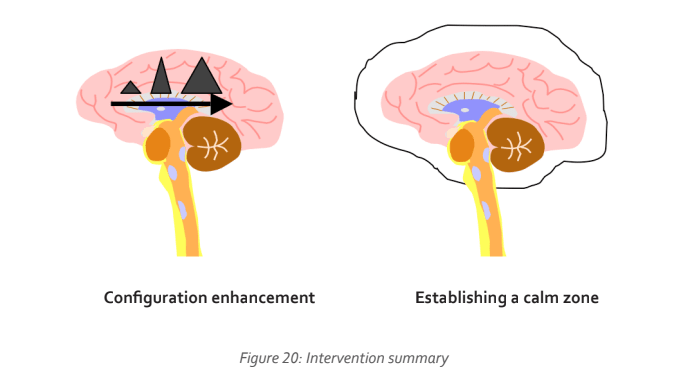
Intervention Summary
The intervention required to enhance the nurture-based Charlie configuration can be challenging. Many nurture-based Charlie individuals have experienced an inadequate peer interaction in their early nurture period as a result of being forced into a role of premature responsibility. This may occur as a result of maternal absence/disinterest or maternal narcissism. If one accepts that peer interaction is vital for the development of a self-identity, early self-actualization, self-confidence and the experience of enjoyment, then the absence of this interaction results in an adult who is characterized by poor self-esteem, self-confidence and an inability to enjoy life - anhedonia. This translates into the classical hopeless-helpless Charlie trait. Intervention is further aggravated by a subjective feeling on the part of many of these individuals, of not being deserving of any gratification and believing that they are born to serve others. The intervention requires, at the outset, the formulation of a personal mission statement which incorporates elements that provide a degree of meaning and purpose. Once formulated the individual would need to strategize the implementation. On implementing the action, the individual would have to be de-briefed. The success of the action would need to be emphasized, as would the personal gratification because, as indicated above, the nurture-based Charlie may not believe that they are worthy of gratification. This process would need to be repeated and hopefully the sum of small increments of success would serve to re-wire the Charlie configuration. One should also remember that the nurture-based Charlie Archetype often has talents and sensitivities. These should be emphasized and often serve as an appropriate starting point in formulating a personal mission statement. Physical exercise is also very useful in that it is conducive to increasing levels of dopamine and serotonin.
Once intervention is underway in neutralizing the hopeless-helpless circuitry of the Charlie configuration, the individual would need to engage core nurture-based circuitry. In principle, they would need to be walked down a time line in an objective, meta-state. Through facilitation they are brought face to face with themselves as they were as infants in the midst of the pain of nurture deprivation. They are encouraged to dialogue with the infant (themself) and in so doing impart the new found wisdom of latter experience. In effect, they are contributing to a re-wiring process.
The fundamental principle required to move the Bravo towards an Alpha Archetype is the broadening of the integration reflected in the triangular base. The broadening of integration represents a shift away from a narrow base representing my needs and fear of these not being fulfilled, to one of accepting that my needs will be fulfilled and becoming aware of and sensitive to the bigger picture. The pre-occupation of the Bravo with the fear of not experiencing the fulfillment of own needs results in an insensitivity to other elements of the prevailing environment not included in the Bravo configuration. Only once the obsession with own needs is modulated, can there be a shift to appreciating more of the prevailing environment, with the appropriate sensitivity. This step facilitates the evolution into the Alpha configuration.
It is futile to impose intervention upon a Bravo who is gratified in functioning as a Bravo. Bravos who may be amenable to intervention are those that experience degrees of dis-ease in living as a Bravo. Dis-eases include excessive fear and the need to excessively control elements of their environments; illnesses, especially those related to excessive noradrenalin, such as hypertension and vascular complications; illness of a close relative or friend; or a life crisis in the form of a pseudoverve phenomenon.
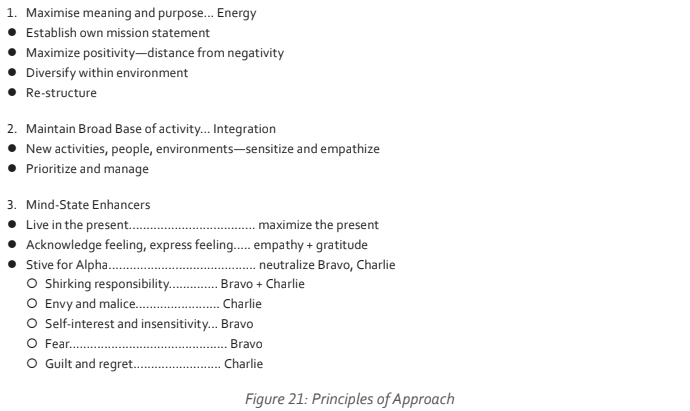
Figure 21 is a summary of all the components required to complete the first phase of intervention. Initially, meaningful, passionate energy needs to be enhanced. This is achieved by compiling at the outset, a personal mission statement. The personal mission statement would apply to the three interest areas, work/application, personal/interpersonal and recreation. It is important that the mission statement incorporates our genuine needs rather than appease the expectations of the environment. Once the mission statement is formulated we turn to our current environments and establish whether we can make them more meaningful by approaching things differently. If this does not bring about an improved level of personal gratification, we may need to diversify. If none of these efforts enhance meaning and purpose and thus personal gratification, we may need to re-structure our lives. This should never be undertaken unless a comprehensive mission statement is in place. Furthermore, a re-structuring should only be undertaken once an ecology check is performed. An ecology check is a review of all possible consequences of the planned changes.
The second phase of this intervention is the broadening of the base of integration by incorporating meaningful elements of our environments. The height and base then become mutually enhancing in that more meaningful and purposeful energy results in the incorporation of more meaningful environmental elements which in turn enhance the meaningful energy.
The next phase of the integration is the incorporation of elements designed to move us towards an Alpha configuration. Thus an awareness of the traits such as empathy, gratitude, contributing value and acknowledging other’s value contributions, neutralizing the fear of tomorrow and the losses and regrets of yesterday, all contribute to the overlapped Alpha state with all its advantages. Being aware of the symptoms of the deprivation states will also serve to keep us in a more resourceful place. Thus, shirking responsibility for a failed venture is the domain of Bravo and Charlie. Bravo fears that the failure will negatively affect future needs being appeased while for Charlie, failure serves to endorse all the negatives of their configuration. Fear of future failures is the domain of Bravo while a deep seated survival fear occurs in the Charlie configuration. Regret, loss and guilt based in the past occur in the nurture-based Charlie configuration.
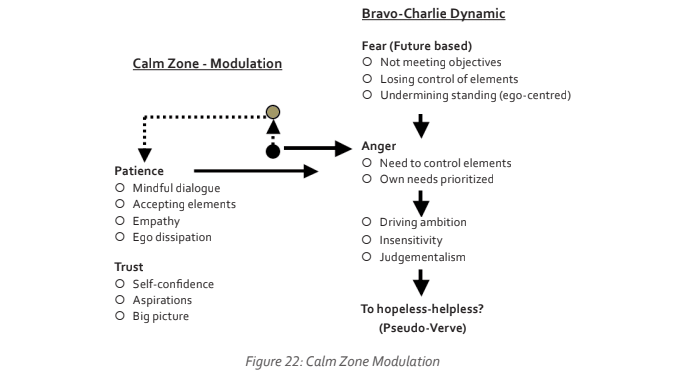
As indicated previously, the second major phase of intervention requires that we establish a buffer zone. The buffer zone would need to be created to neutralize impinging negative influences. These influences may arise from our environments or, alternatively, from internal deprivation thoughts and emotions. There are two levels of approach to neutralizing potentially negative influences:
1. Accept the impinging information without judgment or response
2. Modulate the information by neutralizing the deprivation consequences
The level one response in essence is one of initial inaction. We are aware that the stimulus can give rise to a response which can move us into a deprivation Bravo/Charlie configuration. We choose to deal with this information in dialogue mode—non-judgmental and fully mindful of the individual or circumstances that may be the source of the information.
The second level of response is designed to neutralize the Bravo fear complex and its conversion to anger. If the aggravating stimulus persists, the fear-anger complex may devolve (pseudoverve) into hopeless-helpless. The prevailing fear of losing control and not meeting objectives may be aggravated by any environmental situation that obstructs the Bravo type in his/her quest. This environmental situation effectively pushes a button that converts the Bravo fear into anger (See figure 22). The resulting anger precipitates all the extreme Bravo traits centred upon achieving “own needs”. These include the need to control, driving ambition, judgementalism and insensitivity. If the prevailing situation defies the Bravo’s ability to manage and control, fear and anger may devolve to hopeless-helpless. The antidote is to factor in a second “button”, which is pushed simultaneously with the first and which triggers a program of patience and trust. In this program patience functions as a break state, enabling the Bravo individual to change from aggressive language to non-judgmental dialogue. The internal dialogue then functions to highlight the following aspects of the situation:
- The acceptance of prevailing elements that cannot be managed or changed
- Empathy towards others who may have inadvertently obstructed the Bravo quest
- Dissipation of ego self-interest in the face of a far bigger and uncontrollable environmental dynamic
- Trust in one’s own ability (based on previous successes)
- Trust in one’s own aspirations, which invariably come to fruition
- Remain mindfully in the present, emphasizing the positives of one’s life (gratitude)
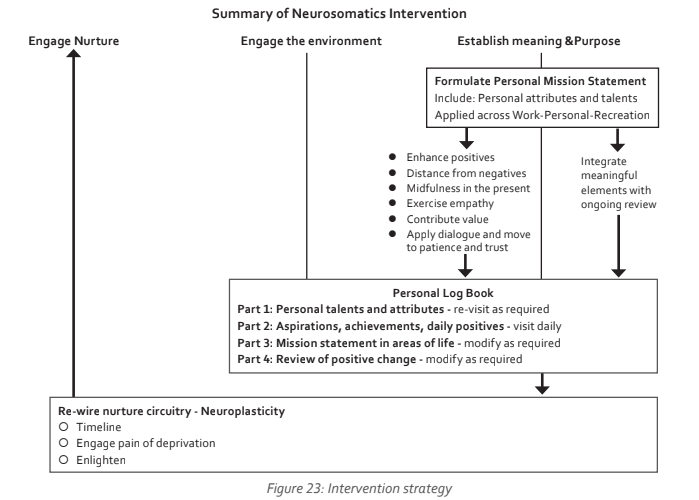
Clients or patients are encouraged to compile a personal log book in order to maintain a clear and concise strategy, as well as to ritualize the intervention processes. Figure 23 represents the application that is used to empower the individual to sustain the process.
Neuroplasticity
The term neuroplasticity refers to the observed phenomenon in which neurons are able to sprout new processes and create new connections with other neurons (Cramer & Nudo, 2010). This re-wiring process explains the dramatic improvement in neurological function that occurs following strokes and head injuries. Lost neurological function is regained as a result of the growth of new neuronal processes into the damaged areas. Enhancing this re-wiring process is the triad of purposefulness-achievement-supportive environment. The latter environment is referred to as an enriched environment. The triad increases dopamine and noradrenalin secretion, which has been shown to enhance neuroplasticity in neuro-rehabilitation. We can safely infer that the process of neuroplasticity in the domain of neuro-rehabilitation applies equally to neuropsychological intervention in that the triad, associated chemical configurations and outcomes, are similarly observed.
Intervention based on Chemical Processes
It is far more effective and sustaining to optimize the chemistry of wellness and performance by applying the principles outlines above. By enhancing meaning and purpose and diminishing issues relating to poor self-esteem, a chemical configuration is attained in which serotonin levels are raised and dopamine and noradrenalin levels are brought into the optimal zone for performance. The resultant lowering of pro-inflammatory cytokine levels predisposes to enhanced wellness.
In addition to the above application one may need to introduce more direct interventions designed to correct disadvantageous chemical profiles. In this regard it should be noted that exercise enhances dopamine levels. However excessive exercise may result in raised levels of pro-inflammatory cytokines (usually as a result of the secretion of endorphins), which will tend to lower the levels of dopamine. This then becomes counter-productive. The use of drug therapy may be required to bring the individual into the most resourceful state. Thus the use of SSRI’s will tend to raise levels of serotonin, which would ameliorate states of fear, anxiety and panic. Several agents can be used to raise dopamine activity, which in turn enhances subjective feelings of gratification. The use of agents that enhance dopamine and noradrenalin activity, specifically in areas connected to the pre-frontal cortex, may enhance the executive functions of the pre-frontal cortex.
The use of non-steroidal anti-inflammatory agents (NSAID’s) diminishes the inflammatory activity of the pro-inflammatory cytokines. The use of NSAID’s also diminishes the negative effects of pro-inflammatory cytokines on the brain and has been shown to enhance levels of personal gratification. Finally, it has been shown that stimulation of the parasympathetic nervous system tends to lower levels of pro-inflammatory cytokines. Consequently direct stimulation of the vagus nerve with a paced electrode has been shown to decrease levels of pro-inflammatory cytokines.4
Discussion
The Triangles model is proposed as a working application in which individuals and their unique behavior can be defined and quantified in the context of the full spectrum of daily life. The model, which was derived from neuro-physiological processes occurring in the visual cortex, provides the means whereby the chemistry of wellness and performance may be accessed. This is achieved consequent upon the fact that the three defined archetypes reflect not only traits of behavior but also associated chemical activity. Cognitive intervention therefore results in a profound effect upon body physiology, including consciousness itself.
The vast majority of individuals live their lives in default mode. They remain unaware of their strengths and weaknesses and make no attempt to engage fundamental neuropsychological processes. If in fact they are the products of significant deprivation in their heritage, by not engaging and initiating appropriate intervention, they may remain victims of a less resourceful configuration. In this way they compromise themselves in terms of wellness, performance, quality of life and longevity. In this regard, the Triangles model can be viewed as a practical, empowering application supporting the enhancement of wellness and performance and thus personal efficiency and gratification. The application is not restricted to personal coaching of the individual. Rather, it should be viewed as providing a comprehensive framework for the implementation of multiple modalities of intervention, including leadership training, team-building, management re-structuring, and wellness enhancement.
References
Appels, A., Bar, F.W., Bar J., Bruggeman, C., de Baets M. (2000). Inflammation, depressive symptomatology, and coronary artery disease. Psychosomatic Medicine, 62, 601–605.
Arnsten, A.F.T. (2009).Stress signalling pathways that impair prefrontal cortexstructure and function. Nature Reviews Neuroscience, 10,6, 410–422.
Cramer, S.C., & Nudo, R. J. (2010). Brain repair after stroke. Cambridge. Cambridge University Press.
Everson, S.A., PHD, Goldberg, D.E., Kaplan, G.A., Cohen, R.D., Pukala, E., PHD, Jaakko, T., & Salonen, J.T. (1996). Hopelessness and Risk of Mortality and Incidence of Myocardial Infarction and Cancer. Psychosomatic Medicine 58,113-121.
Freund, G.G. (Ed). (2006). Psychoneuroimmunology. Neurologic Clinics 24, 3.
Hurlemann, R., Patin, A., Onur, O.A., Cohen, M.X., Baumgartner,T., Metzler,S., Dziobek, I., Gallinat, J., Wagner, M., Maier, W., & Kendrick, K.M. (2010). Oxytocin Enhances Amygdala-Dependent, Socially Reinforced Learning and Emotional Empathy in Humans. The Journal of Neuroscience, 30, 14, 4999 –5007.
Kiecolt-Glaser, J. K., Preacher, K. J., MacCallum, R. C., Atkinson, C., Malarkey, W. B., & Glaser, R. (2003). Chronic stress and age-related increases in the proinflammatory cytokine interleukin-6. Proceedings of the National Academy of Sciences, USA, 100, 9090-9095.
Kiecolt-Glaser, J.K., Robles, T.F., Heffner, K.L., Loving, T.J. & Glaser, R. (2002). Psycho-oncology and cancer: Psychoneuroimmunology and cancer. Annals of Oncology, 13,4, 166-169.
Leonard, B.E. (2007). Neurodegeneration: the link between depression and Alzheimer’s disease. Neurologia Croatica, 56,5, 51-55.
Miller, A.H., Maletic, V., & Raison, C.L. (2009). Inflammation and its discontents: The role of cytokines in the pathophysiology of major depression. Biological Psychiatry, 65, 9, 732-741.
Peng, B., Hodge, D.R., Thomas, S.B., Cherry, J.M., Munroe, D.J., Pompeia, C., Xiao, W., & Farrar, W.L. (2005). Epigenetic Silencing of the Human Nucleotide Excision Repair Gene, hHR23B, in Interleukin-6-responsive Multiple Myeloma KAS-6/1 Cells. The Journal of Biological Chemistry, 280, 6, 4182–4187.
Schetter, A.J., Heegaard, N.H.H., & Harris, C.C. (2010). Inflammation and cancer: interweaving microRNA, free radical, cytokine and p53 Pathways. Carcinogenesis 31, 1 37–49.
Tsong, T.Y. (1989) Resonance electroconformational coupling: a proposed mechanism for energy and signal transductions by membrane proteins. Bioscience Reports 9, 1 13-26.
Weinberg, I.R., (2007). The Last Frontier. Johannesburg: Interpak Books.
Ian Weinberg is a practicing neurosurgeon who applies psychoneuroimmunological (PNI) principles in the clinical and corporate environments. He has also developed an online psychometric (diagnostic) which is used to evaluate individuals in the context of the application. The application is referred to as The Triangles Model, the origins of which date back to 1992. The application is used in the training of accredited coaches and is also CPD accredited for the training of medical and para-medical graduates. Workshops are routinely given in the corporate environment, as well as in clinical and personal spheres.
Sources for citations [1]-[4]
- [1] Sapolsky, R. M. (2000). Glucocorticoids and hippocampal atrophy in neuropsychiatric disorders. Archives of General Psychiatry, 57(10), 925-935. https://pubmed.ncbi.nlm.nih.gov/11015810/
- [2] Cho, J. H., Bhutani, S., Kim, C. H., & Irwin, M. R. (2021). Anti-inflammatory effects of melatonin: A systematic review and meta-analysis of clinical trials. Brain, Behavior, and Immunity, 93, 245-253. https://pmc.ncbi.nlm.nih.gov/articles/PMC7979486/
- [3] Kirsch, P., Esslinger, C., Chen, Q., Mier, D., Lis, S., Siddhanti, S., Gruppe, H., Mattay, V. S., Gallhofer, B., & Meyer-Lindenberg, A. (2005). Oxytocin modulates neural circuitry for social cognition and fear in humans. The Journal of Neuroscience, 25(49), 11489-11493. https://www.jneurosci.org/content/25/49/11489
- [4] Borovikova, L. V., Ivanova, S., Zhang, M., Yang, H., Botchkina, G. I., Watkins, L. R., Wang, H., Abumrad, N., Eaton, J. W., & Tracey, K. J. (2000). Vagus nerve stimulation attenuates the systemic inflammatory response to endotoxin. Nature, 405(6785), 458-462. https://www.nature.com/articles/35013070
Important: TherapyRoute does not provide medical advice. All content is for informational purposes and cannot replace consulting a healthcare professional. If you face an emergency, please contact a local emergency service. For immediate emotional support, consider contacting a local helpline.
Find Therapists
Must Read
Creating Space for Growth: How Boundaries Strengthen Relationships
Setting healthy boundaries fosters respect, protects emotional well-being, and strengthens relationships by defining personal limits and maintaining self-care.
International Mutual Recognition Agreements for Mental Health Professionals
Mutual recognition agreements for mental health professions are rare and uneven, with major gaps in counselling, social work, and allied therapies. Read on to understand ...
Mental Health Licensing & Regulation in New York State: 2026 Guide
Mental Health Licensing & Regulation in Singapore: 2026 Guide
Jumping to Conclusions
Jumping to conclusions is a thinking habit where we assume the worst or make judgments without enough evidence. By recognising this pattern, therapy can help you slow dow...
About The Author

New Therapist Magazine
Pietermaritzburg, South Africa
“An independent, subscription-based magazine for mental health therapists, produced by journalists and therapists on five continents.”
New Therapist Magazine is based in Clarendon, Pietermaritzburg, South Africa.