
Body of Evidence

❝An overview of body use in psychotherapy, by Kelly Quayle (practicing psychologist).❞
Much as Descartes might have theorised that the mind and body are separate entities in his famous Cartesian dualism, it has long been understood that mind and body are not neatly distinct from one another. To a large extent, the focus of traditional psychotherapy is in working with one’s thoughts and beliefs. The old adage of psychotherapy as the ‘talking cure’ priveleges verbal communication to the sine quanon for any interpretation offered by psychologists of the state of their clients. But many schools of thought in the psychology field have long considered the central role of the body in not only expressing mental trauma or imbalance, but also as a tool for therapeutic change and for tracking the progress of clients. This overview will cover the work of some leading writers and psychotherapists in this evolving area of psychotherapy.
Therapy should be personal. Therapists listed on TherapyRoute are qualified, independent, and free to answer to you – no scripts, algorithms, or company policies.
Find Your TherapistUnderstanding the body in mental illness: From hysteria to conversion disorders
Hysteria is an obsolete medical term that is still used colloquially to refer to a state of extreme fear or emotion and the resultant irrational behaviour. The term was originally employed to describe women who acted irrationally due to a supposed disturbance of the uterus, and dates back as far back as Hippocrates.
The notion of hysteria was revived through the influence of Freud’s theories about hysterical conversions, which no doubt influenced the current thinking, namely that people may have physical manifestations of psychological distress as an unconscious way of repressing, expressing and coping with it.
In modern psychological thought the term hysteria is no longer considered a diagnostic category, although physical manifestations of psychological conditions can be diagnosed as somatoform disorders and dissociative disorders. A somatoform disorder is characterised by physical symptoms that have no identifiable physical causes. These symptoms usually mimic real diseases or injuries. Such disorders include conversion disorder, body dysmorphic disorder and somatization disorder. Dissociative disorders are psychological disorders that involve dissociation or interruption in aspects of consciousness, including identity and memory. These types of disorders include dissociative fugue, dissociative identity disorder and dissociative amnesia.
Routinely, the body is considered when diagnosing mental imbalance and psychologists are trained to assess a client’s vegetative functioning, take into account their general physical functioning and observe non-verbal behaviours. But many psychotherapists and branches of psychotherapy are attempting to recognise the body not simply as a diagnostic agent, but as a living source of intelligence, information and change.
Clarifying ‘body in psychotherapy’ versus other disciplines
Although, by definition, most psychotherapeutic approaches involving the body have a holistic understanding and work towards some form of body/mind integration, there are considerable differences in terms of technique, therapeutic stance and the role of the therapeutic relationship in the process. It is important to distinguish the various forms of body therapy from psychotherapy that integrates body work into its understanding and treatment techniques. Body healers may, for instance, use some form of massage or physical exercises, work simply to improve physical well-being and see inner balance and psychological benefits as indirect results. Other approaches, such as martial arts or cranio-sacral therapy, go further and aim to involve the client more pro-actively in increasing inner awareness and healing the body-mind split.
But psychotherapy with a ‘body’ focus is distinct from the above in that it always works from and within the client’s subjective reality, which includes an awareness of the different levels of body, emotion and mind that shape this reality. The understanding and use of the body in psychotherapy probably stands in most stark contrast to other body therapies in its conception of the therapeutic relationship. Although a holistic model of the client is common to all approaches involving the body, most non-psychotherapeutic body therapies tend to rely on a quasi-medical ‘expert’ relationship between patient and healer. Within the psychotherapeutic realm, no one specific technique is considered therapeutic in itself, but only as an integral part of a therapeutic relationship.
Conceptualising the body in psychotherapy on a continuum
The therapeutic approaches that incorporate the body in psychotherapy may be depicted along a continuum. On the one end, predominantly verbal therapies pay little or no attention to the body. On this extreme, the spoken word dominates the therapeutic interaction and in the verbal interventions, there is little or no reference to body aspects. However, even on this end of the continuum, nonverbal interactions have an important and unavoidable impact on practice. Therapists and client are never just ‘talking’, they are always bodies interacting. Further along the continuum, there are therapies that display increasing body-orientedness. There may still be a focus on verbal interventions, but the body is recognised as an explicit source of information. And moving further along the continuum, there are approaches that are sometimes called “body therapy”. Major methods here are working with movement, nonverbal expressions and direct touch. These are the focus of this overview.
History of the body in psychotherapy: From the 1900’s to the present
A brief, incomplete history of the body therapies is depicted below, followed by a fuller description of some of the theorists that have contributed to the developments in this field.
- Freud, early 1900’s: The grandfather of modern psychotherapy was clear that the ego is first and foremost a ‘body-ego’ (certainly a statement integrating body and mind) and, for a while, assumed that some day psychoanalysis would be grounded in physiology and biology. His early conceptualisation of libido within a framework of homeostasis is much more aligned with biology and physics than with psychology, and there was a strong subversive impetus to liberate the body’s energies. From early on, Freud used a wide variety of techniques, including massage. Later in his professional life he veered more towards seeing the body as representing the dangerously dominant force of the instincts which had to be kept in check by an increasingly conscious mind.
- Reich, from 1920: Reich was probably the first psychoanalyst to give significant impetus to Freud’s early ideas about the body and libido. He eventually became the pioneer of a school of thought known generically as body psychotherapy, although he began with an approach he labelled ‘vegetotherapy’. Reich recognised that all neurotic symptoms also have a physiological and physical aspect and that the body is closely linked to the psychological process. His central understanding was that body and mind interact dynamically with, and mirror, each other. If the mind forms a conclusion, the body has a reaction. Tension in physical form is connected to a mental state and releasing it has a freeing effect on the mind. Reich’s concept of ‘character armour’— habitual and chronic fixed relational positions— captures both the defensive and self-protective aspects of ‘repression’ which have long been a cornerstone of analytic theory. Reich called his way of working with the body ‘vegetotherapy’, which he considered ‘character-analysis in the realm of the body’. For Reich, the therapeutic process is liable to remain bound by the linear world of mental understanding and insight unless the underlying ‘body armour’ is addressed—the body is just as effective and necessary an arena for change as is the mind.
- Neo-reichian theories, originating from Reich’s work, which focus on somatic healing and consider the mind-body interrelations and connectivity in order to heal the whole person. Various techniques are utilized, including breath, physical touch and movement. Known generically as ‘body psychotherapy’, contributors to this line of work include Georg Groddeck and Sandor Ferenczi, whilst Alfred Adler and C.J. Jung and others contributed to its development through their concern with the distribution of psychic energy within the body and the relationship between body and mind. Specific therapies that emerged from within these developments include (cited in Eiden, 1999):
-
- Bioenergetic Analysis developed by Alexander Lowen, who emphasised the importance of ‘grounding’—being in strong contact with the ground through feet and legs.
- Core energetics: Developed by John Pierrakos. It emphasised the bridge between psychology and spirituality.
- Biodynamic psychology: Developed by GerdaBoyesen. She theorized that the dismantling of psychological stress is also connected with the digestive system.
- The Chiron approach was founded by Bernd Eiden and Jochen Lude in the early 1980s and emphasises an integral-relational approach totherapeutic healing.
Other body-therapies:
- Rolfing: Developed by Ida Rolf in the 1930’s. It is a mode of treatment which physically manipulates the body, creating a postural release which aims to loosen up and realign the body. It aims to release past trauma and built-up stress as a way of enhancing mind-body health.
- Primal therapy: Developed by Arthur Janov in the 1970’s and based on the thinking that neurosis is caused by the repressed pain of childhood trauma, primal therapy is used to re-experience childhood pain as an attempt to resolve these feelings.
Some more current mind-body psychotherapies:
Pat Ogden’s sensorimotor approach to psychotherapy: For many years, the realm of implicit nonverbal communications and bodily- based affective states was largely ignored by mainstream psychoanalysis. The result was a traditionally strong bias in favour of explicit, verbal, cognitive mechanisms (Schore, 1994).
However, advances in our understanding of the psychology and biology of bodily-based emotional states and neuropsychoanalytic concepts that bypass the Cartesian error, along with the developmental psychoanalytic discoveries of how affect regulating attachment experiences positively and negatively impact evolving structure, are being incorporated into more complex clinical models of the psychopathegenesis and treatment of brain/mind/body disorders.
Until recently, body psychotherapy progressed independently, and somewhat apart from, contemporary psychoanalysis. This field has focussed more intensely on the somatic expressions of psychobiological trauma, especially trauma and affect dysregulation that occur in the histories of severe self pathologies. But the body psychotherapists appear increasingly to be adopting an interdisciplinary perspective (Schore 2002).
Pat Ogden and her colleagues are a prominent source of neurobiologically, psychodynamically, and developmentally informed clinical models in the expanding world of somatically-focussed psychotherapy. Dubbed the sensorimotor approach, it builds on traditional psychotherapeutic understandings, but includes the body as central in the therapeutic field of awareness and employs a set of observational skills, theories, and interventions not usually practiced in psychodynamic psychotherapy.
Ogden argues that therapy is the context in which we work with the wisdom of the body in an attempt to integrate sensations, images, feelings and thoughts that constitute ongoing experience. The experience of trauma is recognised as being significantly body-based. Sensorimotor approaches recognises and use this to allow the therapist to open up the client’s non-verbal world and make it available for integration and processing. By being aware of how a client stands, sits, walks, talks or gestures, the therapist can hypothesise about these bodily gestures and client and therapist can learn what these might be communicating. The therapist also attends to the way in which bodily organisation reflects competence and well-being. Techniques may include the inculcation of deep and regular breathing, relaxation, physical flexibility and physical alignment.
The sensorimotor therapist is concerned with “top-down” management skills, such as clarifying meaning, formulating a new narrative, and working with emotional experience, as well as with “bottom-up” interventions that address the repetitive, unbidden, physical sensations, movement inhibitions, and somatosensory intrusions of unresolved trauma (Ogden, Pain & Fisher, 2006). Such an integrative approach attempts to help clients experience a reorganised sense of self.
- Mindfulness-based psychotherapies, eg. the Hakomi Method: In the last decade mindfulness has become increasingly popular within many branches of psychotherapy, based on the growing recognition that the ancient mindfulness teachings can reduce stress and contribute to the healing process for a wide-range of difficulties (Kabat-Zinn, 2005). Within mindfulness, the somatic realm is not only deeply tied into all our emotional and mental processes, but it reflects them precisely, allowing the uncovering of fundamental issues and memories that give rise to them (Marlock & Weiss, 2006, in Weiss, 2009)). Mindfulness encourages ways of becoming more ‘aware’ or more conscious of bodily processes. Patients are usually encouraged to sense, feel and observe their bodies at great length. Body psychotherapist Ron Kurtz pioneered the integration of mindfulness into psychodynamic therapy in the 1970’s. In his approach, The Hakomi Method, the therapist constantly monitors and helps to regulate the state of consciousness of the client. In the course of a successful Hakomi process, there is an expanding sense of mindfulness and the core of the process usually takes place in this state. As an experiential process, the therapist is radically nondirective in order not to interfere with mindfulness. This shifts the focus of the therapist from a ‘thinking’ to an ‘observing’ mode. When completely in tune with mindfulness, the therapist will manifest a state of being that Kurtz calls ‘a loving presence’ (Martin, 2007). The mindful approach requires a fundamental shift in attitude that is hard to fathom for those schooled in traditional ways of Western psychotherapy (Weiss 2007).
- Post-modern contributions (Tom Andersen and Jaakko Seikkula): The late Tom Andersen, a well-respected Norwegian therapist who co-developed a form of therapy known as ‘collaborative therapy’ and Jaakko Seikkula, a renowned Finnish psychotherapist and academic who borrowed from this approach and successfully developed social network based practices in psychiatry, brought about an increasing recognition of the dialogical and ‘embodied’ nature of therapy. Andersen observed the work of physiotherapists who worked intuitively with a person’s body to effect change and he drew forth many observations to apply to his therapy with clients. He stated that therapy must be like a ‘pain producing hand’ in the sense that a therapist’s words must be unusual enough to incite change in the client. He also observed that a good therapist is guided by his or her client’s signs, which are often very subtle ones, and from this his ‘slow’ way of working evolved. Tom Anderson’s approach to therapy highlighted the importance of a responsive and embodied contact with an others expressions and following these moving’ expressions wherever they might lead (Shotter, 2007). Jaako Seikkula developed Open Dialogue, a group therapy method in which ‘team members’ bring new words that offer an alternative language to those of symptoms and problem behaviours. Network members are encouraged to sustain intense painful emotions of sadness, helplessness, and hopelessness as a multi-voiced picture of the event evolves. A dialogical process is a necessary condition for making this possible. To support diaological process, team members attend to how feelings are expressed by the many voices of the body: tears in the eye, constriction in the throat, changes in posture, and facial expression. Team members are sensitive to how the body may be so emotionally strained while speaking of extremely difficult issues as to inhibit speaking further, and they respond compassionately to draw forth words at such moments. “The experiences that had been stored in the body’s memory as symptoms are “vaporised” into words” (Seikkula & Trimble, 2005, p. 468). In this approach, dialogue is not just a form of communication, but a way of engaging with others in a way that forms minds. ‘Mind’ is not seen as an independent element of human psychological structure, but an ongoing process from one second to another between living (embodied) persons.
Towards an integration: Drawing from the concepts and practices of ‘body’ psychotherapies
It is clear that body psychotherapies do not emanate from a common theoretical base. Support for body work is found in different theoretical models: psychodynamic theories, including Reichian and non-Reichian theories, humanistic and existential psychology, transpersonal psychology, and behaviour therapy. Despite the number of specific models and therapies that incorporate the body into psychotherapy, Leijjsen (2006) suggests that a psychotherapist wanting to validate the body in psychotherapy can work with one or a combination of these aspects of the body, which might include the body perceived from outside, the body in action in movement and other nonverbal expressions, and the body in physical contact with another body, usually by touch. These are outlined below, with practical illustrations of how these techniques might be used in the therapy context.
The body sensed from inside
The body as sensed from inside, the experiencing body, relies on the premises that what is most essential can be experienced in the body. This is a visceral process, rooted in emotional experience, with cognitive activity as secondary. The inclusion of the simple invitation to pay attention to the body as sensed from inside can enhance each method of therapy without changing it very much (Gendlin, 2003 in Leijjsen, 2006). The therapist may ask: “Wait a moment, can you check inside, in your body, what you are feeling there?” If this bodily source is not too alien for the client, the symbols arrived at from that place will deepen the therapy by accessing the emotional material on more than just the cognitive level.
In the interaction with the client, the therapist can also rely on his or her body orienting sense, which some might call ‘somatic countertransference’. In their research on therapists’ experiences of empathy, Greenberh and Rushanskiu-Rosenberg (2002) investigated therapists’ internal process while being empathic. Therapists reported often using their own bodily responses as tools to finding the most accurate connection with the client’s experience and as feedback for the accuracy of the interaction. A therapist might notice that they have a physical sensation mirroring the client’s experience. This might be felt as a shiver down the spine or a feeling of excitement; or as a body resonance that recognises the pain of the client. The therapist can even verbalise their own bodily experience with comments, such as “I notice that my heart beats faster when you talk about that.”
There are also many benefits to experiencing the body from the inside, such as increased self-awareness, a capacity for less impulsive or automatic behavioural responses to feelings and delaying automatic behaviour, and the attendant calming, relaxing and grounding effects that follow from these.
The body perceived from outside
A person’s facial expressions, body postures, gestures, breathing, even voice quality, sighing and laughing, are commonly used by the therapist to aid insight. People also have a natural tendency towards mimicking the posture, gestures, facial expressions of the people they are looking at, referred to as empathic attunement. Research shows that mirroring of bodily positions and an unconscious synchronisation of actions between people helps to develop and maintain rapport and relatedness (Cooper, 2001 in Leijssen, 2006).
The nonverbal communication may complement the client’s narrative or even reveal something different from the spoken narrative of which client may not be conscious. An awareness and reflection on the non-verbal communication of the client can bring greater awareness and insight to the issue being discussed. For instance, a client may verbally express that they are no longer affected by an experience from their past, but the therapist may observe the client holding her hands across her abdomen and this might cue the therapist to note that she is trying to protect herself from something that she is not verbally expressing.
However, sometimes clients may be confused when the therapist draws attention to physical components of their communication or feel intruded upon and thus therapists would ideally move the client along such observations or interpretations only at a pace that does not disrupt the therapeutic process, particularly when dealing with the results of trauma (Rothschild, 2002).
The body perceived in action: Movement
In this step of validating the body, the therapist pays more explicit attention to kinaesthetic, movement-related experiences and also may also experiment with guiding the client to new movements and body postures. The therapist might, for instance, ask the client to exaggerate a movement to increase its emotional salience and to bring the client in contact with something that is further away from awareness. Or the therapist might introduce small steps of experiential learning and invite the client to experiment with active behavioural expression. For example, a client reporting that he is “fed-up” with doing something and hunches his shoulders as he says it might be invited to exaggerate the moment in his body posture, or alternatively he might be encouraged to explore the opposite body position.
The therapist may also modulate body posture or movement that are unusual for a client in order to help the client achieve a recognition of alternate bodily experiences and explore new possibilities. For instance, a dependent person who ‘holds on’ to others and has difficulty standing on her own legs might be encouraged to plant her feet firmly on the ground. Movement exercises and experiements can also activate muscle functioning and create bodily flexibility, creating the possibility of new awareness and new experiences. However, Leijjsen (2006) cautions against the pitfalls of working with the body in action in the sense that the therapist may take too much control, or see himself or herself as the agent of change.
The body in physical contact: Touch
How touch is experienced is often subjective. The same sensory stimulus, like a tap on the shoulder, might be seen as an encouragement by one person and a reprimand by another. Touch crosses a body border and there is, inevitably, a correspondingly heightened sensitivity and intimacy involved in the act of touch. For these reasons, it is hardly surprising that touch has been been considered a controversial and usually undesirable practice in ethical codes that guide the practice of therapy. Where it has been used in therapy, touch might extend from a handshake in almost exclusively verbal therapy to intensive bodywork at the other end of the touch continuum.
While making physical contact with clients is indeed a ‘touchy’ topic amongst therapists, a survey of members of the American Academy of Psychotherapists (Tirnauer et al, 1996 in Leijjsen, 2006), indicated that only 13% “never touch” their clients. Ethical fears of touch are typically centred around a fear that physical contact may lead to exploitative or sexual interactions. Therapeutically, there is also a fear that touch may create transference issues and/ or retraumatisation when misuse of touch was part of the client’s original trauma. Leijssen (2006) suggests that acknowledging these concerns doesn’t imply that touch has to be problematic in therapy.
One way of framing touch in therapy is that, when used appropriately, it is a genuine expression of person-to-person relating, and a strategic means of providing nurturance and support. Touch is clearly a more intrusive technique, but Leijjsen (2006) argues that touch, used appropriately, can provide a physical holding or containment of the client in trouble. Take the example of a trauma therapist, working with survivors of political torture, who used kind and gentle touch to help them ‘come back into their bodies’ (Bingham Hull, 1997, p.6 in Leijjsen, 2006). Touch in these instances would appear to assist the traumatised individual to move beyond a layer of fear that ‘freezes’ their ability to benefit from other interventions. As a guide, therapists are encouraged to ask permission and state the intention behind touch before making contact. Touch should also only be employed once the therapeutic relationship is well established and should always be congruent for the therapist and feel comfortable and appropriate to the client. Neither the therapist nor patient should experience the touch as a demand, nor as an expression of intimacy beyond that felt on an emotional level (Kertay & Reviere, 1993).
The body in action: Nonverbal forms of self expression
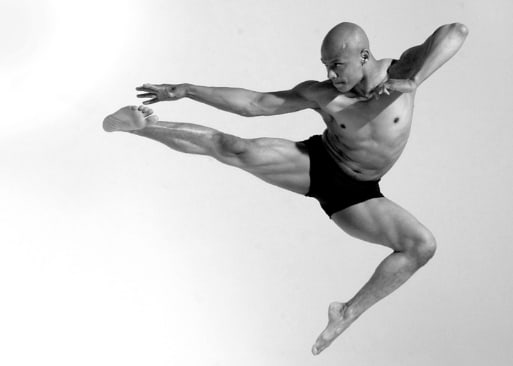
This way of validating the body is an extension of movements in more nonverbal actions. The therapist may introduce expressive arts (dance, drawing, painting, sculpting, music, sound) as an alternate path for exploration and communication. In the consulting rooms of Carl Jung for example, people danced, sang, acted, mimed, played musical instruments, painted, modelled with clay (McNeely, 1987, p.39). In this way of validating the body, it is important to remind the client that performing visibly is not essential—these methods are used to increase self-insight. Nonverbal expressions can also replace or supplement words when talk fails to produce results. What is creative is often therapeutic (Adzema, 1985; Kahn, 1985 in Leijssen, 2006).
About the author
Kelly Quayle is a psychologist in private practice in Pietermaritzburg, South Africa, and a contributing editor to NewTherapist.
References
Andersen, T. (1997) Researching client-therapist relationships: a collaborative study for informing therapy. Journal of Systemic Therapies, 16(2), pp 125-133.
Eiden, B. 1999. The History of Body Psychotherapy—An Overview. This article was written in January 1999 for 'Counselling news—the voice of counselling training'—a magazine published by CSCT.
Greenberg, L.S., Rushanski-Rosenberg, R. (2002). Therapist’s Experience of Empathy. In J.C. Watson, R.N. Goldman, & M.S. Warner (Eds.), Client-Centered and Experiential Psychotherapy in the 21st Century: Advances in theory, research and practice (pp. 168- 181). Ross-on Wye: PCCS Books.
Kabat-Zinn, J. (2005). Coming to our senses: Healing ourselves and the world through mindfulness. New York: Hyperion.
Kertay, L., & Reviere, S. L. (1993). The use of touch in psychotherapy: Theoretical and ethical considerations. Psychotherapy: Theory, Research, and Practice, 30(1), 32-40.
Leijssen, M (2006). Validation of the Body in Psychotherapy. Journal of Humanistic Psychology. 46, 2, 126-146.
Maines, Rachel P. (1998). The Technology of Orgasm: "Hysteria", the Vibrator, and Women's Sexual Satisfaction. Baltimore: The Johns Hopkins University Press. ISBN 0-8018-6646-4.
Martin, D. (2007). Tracking and contact. In H. Weiss, G. Johanson, & L. Monda (Eds.), The Hakomi Method. Boulder, CO: The Hakomi Institute.
McNeely, D.E. (1987). Touching. Body therapy and depth psychology. Toronto: Inner City Books.
Ogden, P., Pain, C. & Fisher, J. (2006). A sensorimotor approach to the treatment of trauma and dissociation. Psychiatric Clinics of North America, 29: 263-279.
Rothschild, B. (2002). Body psychotherapy without touch: applications for trauma therapy. In T. Staunton (Ed.), Body Psychotherapy (pp. 101-115). New York: Brunner- Routledge.
Seikkula, J (2008). Inner and outer voices in the present moment of family and network therapy. Journal of Family Therapy. 30: 478-491.
Seikkula, J. and Trimble, D. (2005). Healing elements of therapeutic conversation: Dialogue as an embodiment of love. Family Process. 44: 461-475.
Schore, A.N. (2002). The right brain as the neurobiological substratum of Freud's dynamic unconscious. In D. Scharff (Ed.), The psychoanalytic century: Freud’s legacy for the future. (pp. 61- 88). New York: Other Press.
Shotter, J. (2007). Not to forget Tom Andersen’s way of being Tom Anderson: the importance of what ‘just happens’ to us. Draft of paper delivered at The 12th International Meeting on the Treatment of Psychosis, Lithuania, September, 2007.
Weiss, J. (2009). The use of mindfulness in psychodynamic and body oriented psychotherapy. Body, Movement and Dance in Psychotherapy, Vol. 4, No. 1, April 2009, 5-16.
This article was first published in New Therapist: http://www.newtherapist.com/
Important: TherapyRoute does not provide medical advice. All content is for informational purposes and cannot replace consulting a healthcare professional. If you face an emergency, please contact a local emergency service. For immediate emotional support, consider contacting a local helpline.
Find Therapists
Must Read
Creating Space for Growth: How Boundaries Strengthen Relationships
Setting healthy boundaries fosters respect, protects emotional well-being, and strengthens relationships by defining personal limits and maintaining self-care.
International Mutual Recognition Agreements for Mental Health Professionals
Mutual recognition agreements for mental health professions are rare and uneven, with major gaps in counselling, social work, and allied therapies. Read on to understand ...
Mental Health Licensing & Regulation in New York State: 2026 Guide
Mental Health Licensing & Regulation in Singapore: 2026 Guide
Jumping to Conclusions
Jumping to conclusions is a thinking habit where we assume the worst or make judgments without enough evidence. By recognising this pattern, therapy can help you slow dow...
About The Author

New Therapist Magazine
Pietermaritzburg, South Africa
“An independent, subscription-based magazine for mental health therapists, produced by journalists and therapists on five continents.”
New Therapist Magazine is based in Clarendon, Pietermaritzburg, South Africa.



