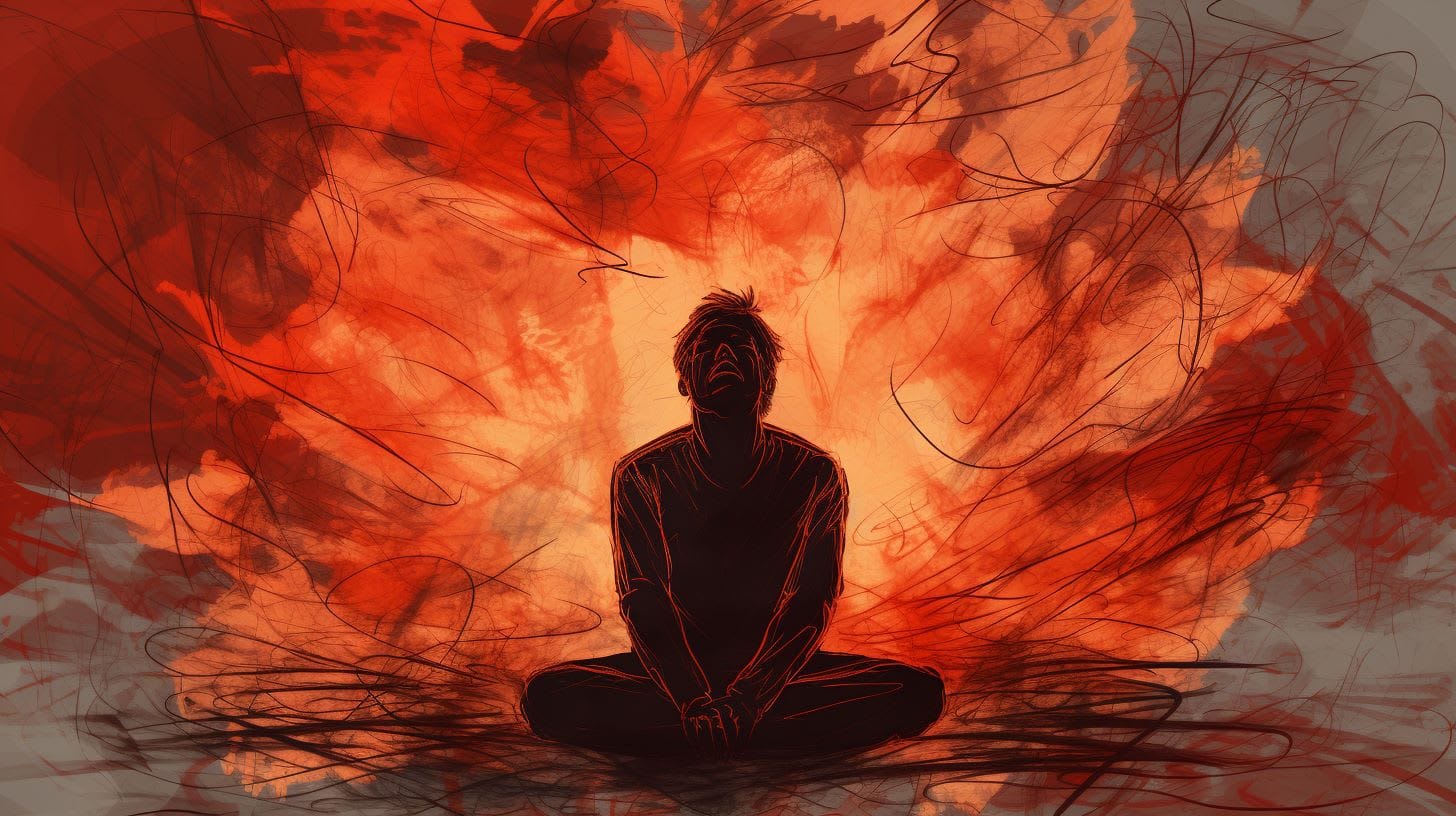
What is Anger Management?

❝Learn how to control and manage anger effectively with expert strategies. Explore the causes, signs, and techniques for anger management to improve relationships and well-being.❞
Anger is a natural and normal emotion that everyone experiences occasionally. However, when anger becomes uncontrolled and starts affecting daily life, relationships, and overall well-being, seeking help in managing this powerful emotion becomes important.
Anger management is a set of techniques and strategies designed to help individuals understand and control their anger healthily and productively. It involves learning to identify triggers, manage anger levels, and develop skills to express and process anger more constructively.
Anger management courses and therapy can provide individuals with the tools to effectively navigate challenging situations, reduce angry outbursts, and improve their overall quality of life. By learning anger management skills and techniques, individuals can control their anger, improve mental health, and develop healthier relationships with others.
Key Takeaways
Understanding Anger Management: Anger is a normal emotion, but managing it is essential for overall well-being.
Benefits of Anger Management: Effective anger management leads to improved mood, reduced stress, and healthier relationships.
Sometimes you just need someone qualified to talk to. Find a counsellor near you — independent, professional, and ready to listen.
Find a CounsellorCauses of Uncontrolled Anger: Unresolved emotions, stressful situations, mental illness, genetics, and poor communication can contribute to uncontrolled anger.
Strategies for Managing Anger: Identifying triggers, recognizing warning signs, establishing boundaries, and seeking professional help are crucial steps in managing anger effectively.
Benefits of Managing Anger
Managing anger is key to leading a healthier and happier life. When we learn to control our anger, we unlock many benefits that contribute to our overall well-being.
One of the most immediate advantages is an improved mood. Anger can easily cloud judgment, leading to irrational decision-making and negative emotions. By managing anger, we can maintain a more positive outlook and handle challenging situations calmly and rationally.
Furthermore, controlling anger also reduces stress on the body. When we get angry, our heart rate and blood pressure rise, putting strain on our cardiovascular system. Over time, this can lead to serious heart health issues. Managing anger lowers our stress levels and protects our hearts from unnecessary strain.
In addition, mastering anger management skills enhance our relationships. Uncontrolled anger often leads to outbursts and aggressive behaviour, damaging our connections with others. By managing anger, we can communicate more effectively, healthily express ourselves, and build positive relationships based on respect and understanding.
Causes of Uncontrolled Anger
Uncontrolled anger can stem from various factors and situations. Understanding the root causes can help manage and control this intense emotion effectively.
One of the primary causes of uncontrolled anger is unresolved or suppressed emotions. When we fail to address and process our underlying feelings, such as frustration, hurt, or fear, they can build up until they explode.
Life circumstances, such as ongoing stress, trauma, or major life changes, can increase the likelihood of experiencing uncontrolled anger. Mental health conditions like mood disorders and borderline personality disorder can also impact anger management and lead to uncontrollable outbursts.
Furthermore, learned behaviour and environment play a significant role in shaping how we express and handle anger. For example, growing up in an angry or aggressive household can normalize and perpetuate uncontrolled anger.
Stressful Situations
Stressful situations are common triggers for uncontrolled anger, often exacerbating angry feelings and leading to potential outbursts. One example of a stressful situation that can provoke anger is work-related stress, such as heavy workloads, unrealistic deadlines, or conflicts with colleagues. These situations can create immense pressure and frustration, causing anger levels to rise.
Financial difficulties can also play a significant role in triggering uncontrolled anger. Struggling with debt, financial instability, or the inability to meet basic needs can generate intense frustration and helplessness. These emotions can easily spill over into anger, especially when there is a perceived lack of control over the situation.
Relationship conflicts can be another common source of anger triggers. Whether it's a disagreement with a partner, conflicts within a family, or strained friendships, these situations can elicit strong emotional reactions. Feelings of betrayal, disrespect, or unmet expectations can quickly escalate angry feelings, leading to uncontrolled anger and potential confrontations.
Recognizing the impact of these stressful situations on anger levels and finding ways to address them constructively can help alleviate and manage anger. Achieving this may involve seeking support from a mental health professional, learning effective anger management techniques, or practising relaxation skills like deep breathing or progressive muscle relaxation.
By managing stress and finding healthy ways to cope with anger triggers, individuals can take control of their emotions and improve their overall well-being.
Mental Illness
Mental illness can significantly impact the experience and expression of anger, making it essential to address mental health concerns when exploring anger management strategies. Individuals with mental illnesses may struggle with regulating their emotions, which can result in uncontrolled anger.
Various mental illnesses are commonly associated with anger issues. Mood disorders such as depression and bipolar disorder can manifest as intense irritability and anger. A borderline personality disorder may involve difficulty managing emotions, leading to frequent and intense anger outbursts. Intermitting explosive disorder and oppositional defiant disorder are characterized by recurrent aggressive behaviour and explosive anger reactions.
Addressing mental health concerns is crucial in managing anger. Effective management techniques often involve anger management skills and mental health interventions. Therapy , including behavioural therapy, can help individuals identify triggers, manage anger levels, and develop healthier coping mechanisms. Medication may be prescribed to alleviate symptoms and improve overall mental well-being.
By recognizing and addressing mental illness, individuals can better understand their anger issues and learn to manage them effectively. Seeking the support of mental health professionals can provide the guidance and resources necessary to achieve a healthier relationship with anger.
Genetics/Heredity
Genetics and heredity play a significant role in the development of uncontrolled anger. Certain genetic factors can contribute to a person's predisposition to anger issues, making them more susceptible to experiencing intense and frequent anger reactions.
Family history also plays a crucial role in understanding anger management difficulties. Studies have shown that individuals with a family history of anger are likelier to exhibit similar behaviours. Inherited traits passed down through generations can influence how individuals perceive and respond to anger-inducing situations.
Recognizing the influence of genetics is vital when addressing anger management strategies and techniques. By considering a person's genetic predisposition, therapists and mental health professionals can tailor interventions to manage their anger effectively. This may include developing healthy coping mechanisms, exploring relaxation techniques, and improving emotional regulation skills.
While genetics can contribute to the development of anger issues, it's important to note that environmental factors also play a role. A combination of genetic and environmental influences shapes an individual's anger response. Understanding these factors helps develop comprehensive and personalized approaches to anger management that address genetic and environmental aspects.
Poor Communication Skills
Poor communication skills are often at the core of uncontrolled anger, intensifying conflicts and fueling misunderstandings. When individuals struggle to express their needs and emotions effectively, it can lead to escalating tensions and frustration.
Misunderstandings and misinterpretations are common consequences of poor communication skills. When individuals fail to convey their thoughts clearly or listen actively to others, it can result in distorted interpretations of messages. These misunderstandings can easily trigger anger and resentment, as individuals may feel their concerns or perspectives are ignored or invalidated.
Additionally, ineffective expression of needs and emotions further exacerbates anger issues. When individuals struggle to articulate their feelings, frustrations can build up over time. Similarly, the failure to validate emotions and empathize with others' perspectives can create a breakdown in effective communication, causing resentment and anger to intensify.
Aggressive communication patterns, such as yelling, interrupting, or using harsh language, also contribute to the deterioration of communication. These patterns often escalate conflicts and hinder the resolution of issues, leading to heightened anger and frustration for all parties involved.
Addressing poor communication skills is crucial in anger management. By developing effective listening skills, practising empathy, and learning assertive communication techniques, individuals can enhance their ability to express their needs and emotions constructively. Additionally, seeking therapy or anger management courses that focus on improving communication skills can be beneficial in managing anger and resolving conflicts in healthy ways.
Signs and Symptoms of Uncontrolled Anger
Uncontrolled anger can significantly impact a person's life, relationships, and well-being. It is important to recognize the signs and symptoms of uncontrolled anger to address and manage it effectively. One common sign is frequent outbursts of anger that are disproportionate to the situation at hand. These outbursts may involve shouting, screaming, and throwing things. Physical symptoms such as increased heart rate, clenched fists, and tense muscles are common.
Additionally, individuals struggling with uncontrolled anger may experience difficulty staying calm or having a rational conversation, often interrupting or talking over others. Irritability, restlessness, and a general sense of heightened tension are other symptoms to be aware of. It is important to seek help and learn healthy anger management techniques to regain control and improve overall quality of life.
Physical Symptoms
Uncontrolled anger can have a profound impact on our physical well-being. When left unchecked, anger can manifest in physical symptoms that indicate heightened anger levels. These symptoms can signal that anger management techniques are necessary to regain emotional balance.
One common physical symptom associated with anger is a faster heartbeat. As anger escalates, the body's natural stress response is triggered, causing the heart to beat faster. This increase in heart rate is a physiological response to the heightened emotional state.
Tense muscles are another physical symptom of uncontrolled anger. When anger builds up, muscles throughout the body can become tense, leading to physical discomfort and even pain. This tension can be felt due to clenching fists, tightness in the chest, and overall muscular stiffness.
Feeling hot is also a physical manifestation of anger. Anger can cause blood vessels to widen, leading to increased blood flow to the skin and a sensation of heat. This sensation is commonly associated with anger and exacerbates the emotional state.
Recognizing these physical symptoms is crucial in understanding one's anger levels and the need for anger management techniques. By becoming aware of these physical cues, individuals can take proactive measures to calm themselves down and regain control over their emotions. Deep breathing exercises, progressive muscle relaxation, and taking breaks during frustration are some effective anger management techniques that can help alleviate these physical symptoms of uncontrolled anger.
Incorporating anger management strategies into daily life can greatly improve one's ability to manage anger and enhance overall well-being. By addressing these physical symptoms and implementing effective techniques, individuals can live a healthier and more balanced life.
Verbal Outbursts/Threats
Verbal outbursts and threats are common behaviours associated with uncontrolled anger. When someone experiences heightened levels of anger, they may have difficulty controlling their words, leading to outbursts that can be emotionally damaging and intimidating. These behaviours include shouting, screaming, using offensive language, and displaying aggressive body language.
In some cases, uncontrolled anger may escalate to the point where physical fights are started. Those experiencing intense anger may feel the need to physically confront others as a way to release their pent-up emotions. This can result in harm to oneself or others involved in the altercation.
Making threatening statements towards others is another manifestation of uncontrolled anger. Threats can range from verbal warnings to physical harm, and they often attempt to intimidate or instil fear in others.
Recognizing these signs of uncontrolled anger and seeking appropriate help and support is crucial. Engaging in verbal outbursts and making threats can harm relationships, cause emotional harm to oneself and others, and have legal consequences.
Seeking professional guidance, attending anger management courses, and utilizing anger management techniques can help individuals learn healthier ways to cope with and express their anger. With the right tools and support, individuals can effectively manage their anger and improve their well-being.
Destructive Behaviors
Uncontrolled anger can manifest in destructive behaviours that harm relationships and well-being. These behaviours often serve as outlets for the intense emotions individuals experience when they cannot manage their anger effectively. Here are some examples of destructive behaviours commonly associated with uncontrolled anger:
- Aggressive Outbursts: Individuals may exhibit verbal and physical outbursts when consumed by anger. This can involve shouting, throwing objects, or engaging in physical violence towards others.
- Verbal and Physical Aggression: Uncontrolled anger can lead to aggressive language and physically aggressive behaviour towards others. This can include yelling, name-calling, or even physical confrontations.
- Self-Harm: Some individuals may use self-harming behaviours to cope with anger. This can involve punching walls, cutting oneself, or engaging in self-harm.
- Isolation: People struggling with uncontrolled anger may isolate themselves to avoid triggering situations or conflicts. They may withdraw from social activities, avoid interactions with loved ones, and isolate themselves emotionally.
- Passive-Aggressive Behavior: Passive-aggressive behaviour is another destructive manifestation of uncontrolled anger. This can involve indirectly expressing anger through sarcasm, backhanded compliments, or sabotaging others' efforts.
These destructive behaviours can significantly negatively impact relationships, causing emotional distance, erosion of trust, and resentment. They can also lead to physical harm, chronic stress, and deteriorating mental health. Recognizing these behaviours and seeking appropriate anger management strategies can lead to healthier and more fulfilling lives.
Withdrawal from Relationships
Uncontrolled anger can profoundly impact relationships, leading individuals to withdraw from those they care about. When anger becomes intense and frequent, it can create a barrier between people and make it difficult to maintain healthy connections.
Withdrawal from relationships is a common coping mechanism for individuals struggling with uncontrolled anger. They may isolate themselves emotionally and physically, avoiding triggering situations or conflicts. This withdrawal can manifest as a reluctance to engage in social activities or interactions with loved ones.
The damage caused by uncontrolled anger extends beyond personal relationships. It can also affect relationships with co-workers, family members, and friends. The intense and frequent expression of anger can lead to strained communication, misunderstandings, and a breakdown of trust.
When relationships are damaged or destroyed due to uncontrolled anger, individuals may experience guilt, regret, and loneliness. It is crucial for those struggling with anger issues to seek help and learn healthy ways to manage their emotions. By doing so, they can begin to rebuild and heal the relationships that have been affected.
Strategies and Techniques for Managing Anger
When managing anger, various strategies and techniques can help keep this powerful emotion under control. One effective approach is to practice relaxation techniques, such as deep breathing and progressive muscle relaxation. These techniques help to calm the body and mind, reducing the physical and emotional tension associated with anger. Another useful strategy is to take regular breaks during times of heightened anger. Stepping away from the situation and allowing some quiet time can provide the opportunity to reflect, gain perspective, and approach the situation more calmly.
Additionally, it can be beneficial to identify and challenge negative thoughts and beliefs that may contribute to anger. By replacing them with more positive and rational thoughts, individuals can gain control over their emotional reactions. Seeking professional help, such as anger management or behavioural therapy, can also be instrumental in learning effective anger management skills. Individuals can regain control over their anger by developing a toolbox of strategies and techniques, improve their relationships, and enhance their overall quality of life.
Identifying Triggers and Warning Signs for Anger Management
Anger is a natural and healthy emotion that everyone experiences at times. However, uncontrolled anger can negatively impact daily life and relationships. One key aspect of anger management is identifying triggers and warning signs that can lead to anger outbursts. By recognizing specific situations, comments, or feelings that provoke anger, individuals can develop strategies to manage their emotions better.
Common triggers for anger vary from person to person, but some examples include long lines, traffic jams, and snarky comments. These situations can activate irritability and frustration, leading to angry reactions. It is important for individuals also to identify their personal triggers, as they may differ from the typical ones mentioned above. Personal triggers can be specific situations or events that consistently provoke anger or even certain comments or behaviours from others.
Being aware of warning signs that anger is escalating is also crucial for effective anger management. These warning signs include physical cues like increased heart rate, clenched fists, and flushed face, and emotional indicators like agitation or a growing sense of frustration.
Recognizing these warning signs can help individuals implement relaxation techniques or take a break during stressful moments, preventing anger from escalating further.
Establishing Healthy Boundaries
Establishing healthy boundaries is a crucial aspect of managing anger effectively. When individuals set limits and communicate their needs, they are less likely to encounter anger triggers and can foster healthier relationships.
By establishing healthy boundaries, individuals define acceptable behaviour and what is not. This clarity helps prevent situations that may lead to frustration and anger. Individuals can assert their needs and express their emotions and concerns by communicating their limits to others. This open and honest communication can prevent misunderstandings and conflicts that often result in anger.
In anger management therapy, establishing healthy boundaries is highly emphasized. Therapists work with individuals to develop effective strategies for setting limits, expressing boundaries, and assertively communicating needs. This essential aspect of therapy helps individuals understand their triggers and learn how to constructively navigate situations.
Summary
This article discusses the importance of anger management, its benefits, common causes of uncontrolled anger, and the impact of factors such as stressful situations, mental illness, genetics, poor communication skills, and destructive behaviours. It emphasizes the significance of recognizing signs and symptoms of uncontrolled anger and provides strategies and techniques for managing anger effectively. The article also highlights the importance of identifying triggers and warning signs and establishing healthy boundaries.
Conclusion
In conclusion, anger is a natural emotion, but when left uncontrolled, it can harm our well-being and relationships. Understanding the causes and triggers of anger, along with learning effective management techniques, is crucial. By practising relaxation, setting healthy boundaries, and seeking professional help when needed, individuals can regain control over their anger, improve their lives, and foster healthier connections with others.
Frequently Answered Questions
What is anger management, and why is it important?
Anger management involves techniques and strategies to control anger healthily and productively. It's essential because uncontrolled anger can affect daily life, relationships, and well-being.
What are the benefits of managing anger?
Managing anger leads to improved mood, reduced stress on the body, and healthier relationships based on respect and understanding.
What are the common causes of uncontrolled anger?
Uncontrolled anger can stem from unresolved emotions, life circumstances like stress or trauma, mental health conditions, learned behavior, or environmental factors.
How do stressful situations contribute to uncontrolled anger?
Stressful situations, such as work-related stress, financial difficulties, or relationship conflicts, can trigger uncontrolled anger by increasing pressure and frustration.
How does mental illness relate to anger management?
Mental illnesses like mood disorders or borderline personality disorder can lead to uncontrolled anger by affecting emotions. Addressing mental health concerns is crucial in managing anger.
Can genetics and heredity influence anger issues?
Yes, certain genetic factors and family history can predispose individuals to anger issues. Genetics, along with environmental factors, shape how anger is expressed and managed.
Important: TherapyRoute does not provide medical advice. All content is for informational purposes and cannot replace consulting a healthcare professional. If you face an emergency, please contact a local emergency service. For immediate emotional support, consider contacting a local helpline.
Find Therapists
Must Read
Creating Space for Growth: How Boundaries Strengthen Relationships
Setting healthy boundaries fosters respect, protects emotional well-being, and strengthens relationships by defining personal limits and maintaining self-care.
International Mutual Recognition Agreements for Mental Health Professionals
Mutual recognition agreements for mental health professions are rare and uneven, with major gaps in counselling, social work, and allied therapies. Read on to understand ...
Jumping to Conclusions
Jumping to conclusions is a thinking habit where we assume the worst or make judgments without enough evidence. By recognising this pattern, therapy can help you slow dow...
Case Conceptualisation
Case conceptualisation is how a therapist thoughtfully pulls together your concerns, experiences, and strengths into a clear understanding of what’s going on. This shared...
Guided Discovery
Guided discovery invites clients to arrive at their own insights through collaborative questioning and reflection. Instead of being told what to think, individuals learn ...
About The Author

TherapyRoute
Mental Health Resource
Cape Town, South Africa
“Our mission is to help people access mental healthcare when they need it most.”
TherapyRoute is a mental health resource platform connecting individuals with qualified therapists. Our team curates valuable mental health information and provides resources to help you find the right professional support for your needs.