Understanding Teletherapy


❝Teletherapy offers a convenient way to access mental health support from home. Learn how to set up, stay engaged, and make the most of your online therapy sessions.❞
In this Article
- What is Teletherapy Counseling?
- Who Can Benefit from Teletherapy Counseling?
- How Does Teletherapy Work in Real Life?
- What Techniques Are Commonly Used in Teletherapy?
- How Much is Online Therapy in India?
- What are the Benefits of Teletherapy?
- What Are the Disadvantages of Teletherapy?
- Find Your Ideal Therapist on TherapyRoute
- Final Thoughts
- Frequently Asked Questions
|
Struggling to find the time, energy, or privacy to visit a therapist’s office? You’re not alone. In today’s fast-paced and often isolating world, teletherapy counseling has emerged as a powerful, flexible solution, offering mental health support right from your screen.
Whether you're a student battling academic stress, a working professional juggling deadlines, or someone living in a remote area, teletherapy bridges the gap. It connects you with licensed therapists through secure video, phone, or chat sessions: no travel, no long waiting rooms, and no compromise on quality.
In this blog, we’ll break down how teletherapy works, who it’s for, what it costs in India, and how to get started with the right therapist, all on your terms.
What is Teletherapy Counseling?
Teletherapy counseling is a modern approach to mental health treatment where therapy sessions are delivered remotely using digital tools like video conferencing, mobile apps, and secure messaging platforms. This method allows you to access mental health services from the comfort of your own home, eliminating the need to visit a therapist’s office.
According to the American Psychological Association, online therapy has shown high effectiveness in treating a range of mental health conditions, including anxiety, depression, and post-traumatic stress disorder (PTSD).
Therapy should be personal. Therapists listed on TherapyRoute are qualified, independent, and free to answer to you – no scripts, algorithms, or company policies.
Find Your TherapistA wide range of concerns, from social anxiety and substance use disorders to relationship issues and grief, can be addressed through teletherapy. This format also supports continuity of care in situations where in-person visits aren’t feasible due to geographic location, physical disabilities, or public health crises.
Who Can Benefit from Teletherapy Counseling?
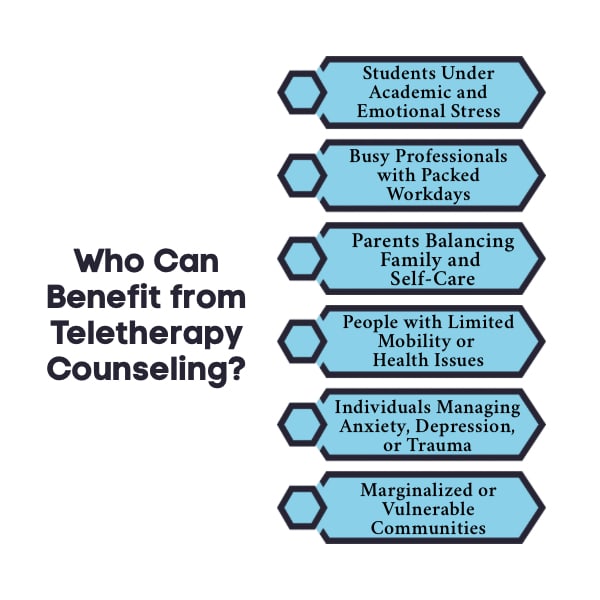
Teletherapy counseling is designed to break down barriers to mental health care, whether those barriers are related to time, location, stigma, or comfort. Because it’s flexible and customizable, it can support a wide range of people navigating different life challenges.
Here are some groups that can greatly benefit from teletherapy:
1. Are You a Student Struggling with Stress or Pressure?
Young adults often face high academic expectations, peer pressure, and identity-related struggles. Teletherapy provides a safe space to explore mental health concerns like stress, performance anxiety, and loneliness, all without disrupting class schedules.
2. Too Busy at Work to Prioritise Mental Health?
Busy professionals often delay therapy due to rigid work hours. Teletherapy offers after-hours sessions, video or phone therapy, and even text-based support, making it possible to prioritize mental health alongside career demands.
3. Parenting and Burnout Wearing You Down?
Juggling parenting, work, and relationships can be overwhelming. Teletherapy allows parents to get help during nap times, late evenings, or weekends, without leaving the comfort of their own home or arranging childcare.
4. Facing Mobility or Health-Related Challenges?
For individuals with limited mobility, transportation challenges, or chronic illness, teletherapy removes physical barriers by bringing mental health care directly to them through online sessions.
5. Struggling with Anxiety, Depression, or Trauma?
People experiencing symptoms of anxiety, PTSD, or depression may find traditional therapy settings triggering or exhausting. Teletherapy offers a less intimidating, more private alternative that still provides access to professional mental health treatment.
6. Need Culturally Sensitive or Inclusive Support?
Teletherapy can be especially helpful for LGBTQ+ or other vulnerable populations who may face stigma or bias in traditional settings. TherapyRoute lets you choose therapists based on language, gender, expertise, and areas of specialization, making it easier to find someone who truly understands your needs.
How Does Teletherapy Work in Real Life?
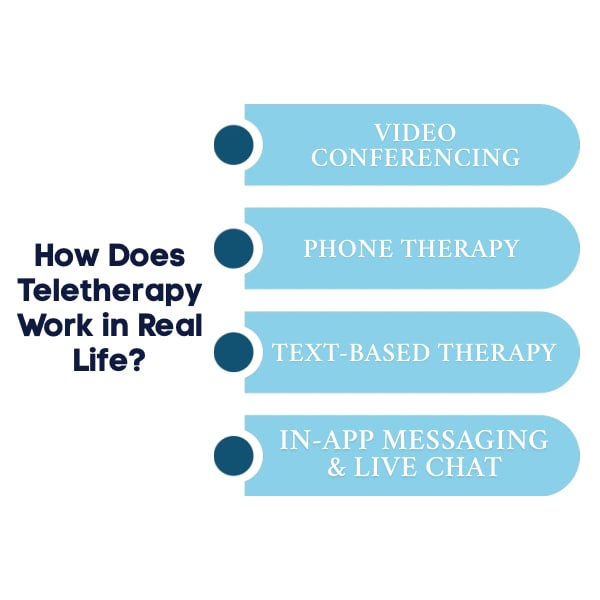
Teletherapy counseling isn’t a one-size-fits-all solution; it adapts to your lifestyle, comfort, and communication preferences. Platforms like TherapyRoute offer multiple ways to connect with a licensed therapist, making therapy more accessible than ever.
Here are the most common formats teletherapy sessions follow:
1. Prefer Face-to-Face Interaction? Try Video Conferencing
The most widely used technique, video-based therapy, closely mirrors traditional sessions. It allows your therapist to observe body language, tone, and emotional cues, which can enhance techniques like Cognitive Behavioural Therapy (CBT), mental health counseling, or psychodynamic therapy.
2. Camera-Shy or Low Bandwidth? Use Phone Therapy
This voice-only technique is ideal if you're uncomfortable on camera or have limited internet bandwidth. Phone sessions are structured yet discreet, making them a helpful option for clients with mental health concerns in rural or low-connectivity areas.
3. Express Yourself Better in Writing? Try Text Therapy
Communicating through text messaging, either in real-time or asynchronously, is a technique especially useful for those dealing with social anxiety or those who express themselves better in writing. It also works well for short check-ins or ongoing therapy support throughout the week.
4. Want Support on the Go? Use In-App Messaging & Live Chat
Some online platforms offer therapy through secure mobile apps, allowing live chat or message-based communication. This method combines flexibility with convenience, and often includes tools like journaling, progress tracking, and goal setting.
What Techniques Are Commonly Used in Teletherapy?
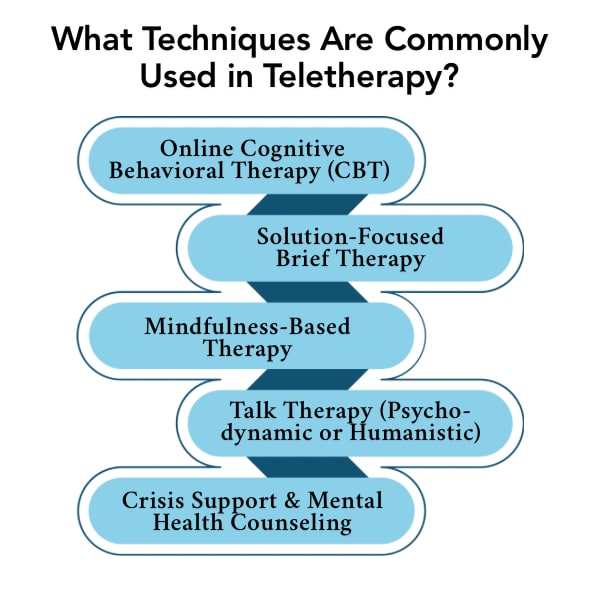
Teletherapy counseling doesn't compromise on quality, but it uses the same evidence-based techniques as traditional, in-person therapy. The key difference? These approaches are delivered through secure digital platforms, allowing you to access support from the comfort of your own home.
Here are some of the most widely used teletherapy techniques, tailored to your mental health goals and preferences:
1. Online Cognitive Behavioural Therapy (CBT)
This structured, goal-oriented method helps you identify and reframe negative thought patterns that affect your emotions and behaviour. Online CBT often includes interactive worksheets, mood trackers, and homework between sessions, making it highly effective in virtual formats.
2. Solution-Focused Brief Therapy
Focused on present challenges rather than past issues, this approach helps you set short-term, achievable therapy goals. It’s ideal for individuals seeking quick, practical strategies to navigate specific life situations or transitions.
3. Mindfulness-Based Therapy
This technique blends traditional talk therapy with mindfulness and grounding exercises to help manage symptoms of anxiety, stress, and trauma. Many platforms offer guided meditations or breathing tools integrated into mobile apps to support your daily practice.
4. Talk Therapy (Psychodynamic or Humanistic)
Centered on emotional exploration and self-awareness, talk therapy helps you process deep-rooted emotions, past experiences, and relationship patterns. It works well in video or phone formats for clients seeking long-term personal growth.
5. Crisis Support & Mental Health Counseling
For urgent concerns such as mental illness, grief, or sudden stressors, teletherapy provides immediate mental health support through phone, video, or chat, often with quicker response times than in-person care.
How Much is Online Therapy in India?
Online therapy in India has become more accessible in 2025, with various platforms offering flexible pricing through pay-per-session and subscription models. Here’s a breakdown of the current rates:
Subscription & Package Models
| Package Type | Price Range |
| Weekly Subscriptions | ₹1,500 – ₹3,450/week |
| Monthly Subscriptions | ₹4,000 – ₹11,500/month |
| Text-Based Therapy | ₹1,000 – ₹2,875/week |
| Video Session Bundles | Discounted rates for 4–8 sessions |
| Corporate Partnerships | Reduced rates via employer programs |
These options allow you to choose what works best based on your therapy needs, communication style, and budget. However, it is important to know that the prices listed above are indicative.
They may vary depending on factors such as the therapist’s qualifications, type of therapy, session duration, platform policies, and your specific mental health needs. Always check the latest rates directly on the provider’s website before booking a session.
Want to know more about therapy prices across India? Explore the full breakdown in our 2026 cost guide.
What are the Benefits of Teletherapy?
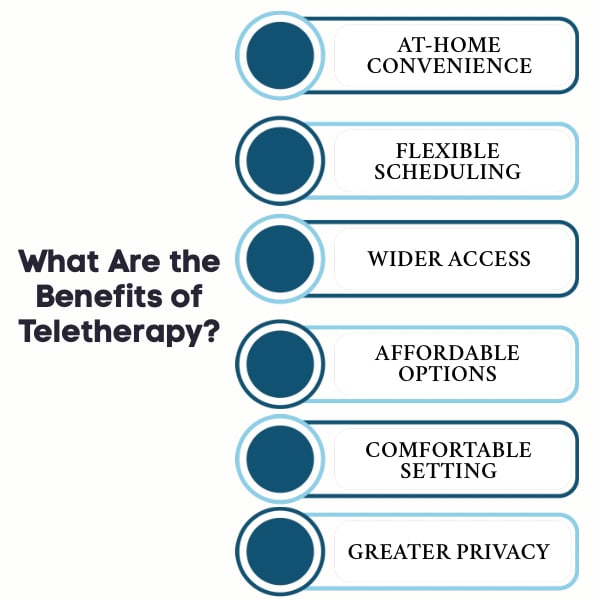
Let’s look at some key benefits of teletherapy that make it a preferred option for many:
1. At-Home Convenience
You can attend sessions from the comfort of your own home, without the hassle of travel or waiting rooms. This makes it especially helpful for those with mobility issues, busy schedules, or transportation challenges.
2. Flexible Scheduling
Teletherapy can easily fit around your lifestyle. Many therapists offer sessions during evenings or weekends, giving you the freedom to choose a time that works best without disrupting your daily routine.
3. Wider Access
People living in rural areas or remote locations often struggle to find nearby therapists. Teletherapy removes these barriers by providing access to qualified professionals regardless of where you live.
4. Affordable Options
Teletherapy is often more cost effective than traditional sessions. With lower overhead costs and package deals or subscriptions, it is a good option for individuals seeking affordable treatment options.
5. Comfortable Setting
Being in your own environment can help reduce anxiety and create a sense of safety. This makes it easier to open up during sessions, especially for those new to therapy.
6. Greater Privacy
Teletherapy offers discreet access to mental health support. You can speak with a therapist without the fear of being seen entering a clinic, which can help reduce stigma, especially in conservative or close-knit communities.
Ready to take the next step? Learn how to find a good therapist that fits your needs and goals.
What Are the Disadvantages of Teletherapy?
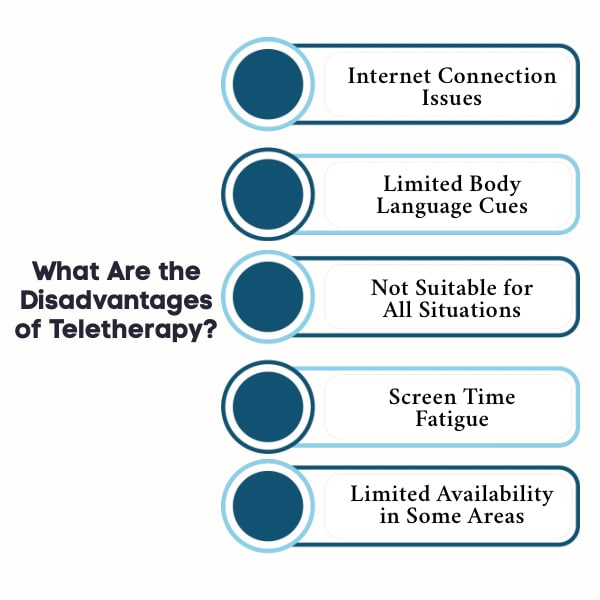
Despite its many advantages, there are a few limitations of teletherapy to keep in mind:
1. Internet Connection Issues
A stable internet connection is essential for smooth teletherapy sessions. Poor connectivity can disrupt conversations, cause delays, or drop calls altogether. This can lead to frustration and make it harder to maintain therapeutic momentum or emotional connection.
2. Limited Body Language Cues
In virtual sessions, therapists can’t always observe subtle non-verbal cues such as body posture, fidgeting, or facial expressions. These cues often help in understanding emotional nuances, and their absence may occasionally limit the depth of insight or therapeutic responsiveness.
3. Not Suitable for All Situations
Teletherapy isn’t ideal for individuals in acute mental health crises, experiencing suicidal ideation, or those who need close clinical supervision. If that is you now, see helplines and suicide hotlines worldwide. In such situations, in-person care or immediate psychiatric support is critical for safety and effective treatment.
4. Screen Time Fatigue
Engaging in therapy through video adds to the overall screen exposure many people already face due to work or school. This can result in eye strain, mental exhaustion, or reduced engagement over time, especially in longer sessions.
5. Limited Availability in Some Areas
In rural or low-resource regions, access to secure teletherapy platforms, qualified therapists, or even stable internet can be limited. This reduces the feasibility and consistency of receiving ongoing virtual care in such locations.
Not loving therapy right away? Here’s why it’s normal to feel that way, and what to do about it.
Find Your Ideal Therapist on TherapyRoute
Looking for trusted teletherapy counseling that truly fits your life? TherapyRoute helps you find qualified mental health professionals across India, based on your personal preferences and therapy goals.
Whether you prefer sessions in your native language, a therapist of a specific gender, or someone who specializes in a particular issue, TherapyRoute puts the choice in your hands. It allows you to:
- Filter by language, gender, speciality, and more.
- Browse real-time availability and book sessions that fit your schedule.
- Read unbiased reviews to choose with confidence.
Start your healing journey with someone who understands you, and not just your diagnosis.
Final Thoughts
Teletherapy counseling has transformed how mental health care is accessed in India by offering flexibility, privacy, and quality support without the need to step outside your home. Whether you're navigating stress, trauma, or life transitions, this approach brings licensed professionals to your screen, on your schedule.
At TherapyRoute, we help you find a therapist who fits your needs by language, gender, speciality, or session style. Ready to begin? Take the first step toward healing with the support you deserve.
Frequently Asked Questions
1. Can I get the same therapist for every session?
Yes, most online therapy platforms let you continue with the same licensed therapist. This consistency helps build trust, strengthens communication, and ensures your therapy sessions are more effective and aligned with your long-term mental health goals.
2. Can I switch therapists if I don’t feel a connection?
Yes, most online therapy platforms allow you to change therapists if you're not feeling a good fit with your current therapist. It’s important to find someone you’re comfortable with, as a strong therapeutic relationship plays a key role in effective treatment.
3. Are online therapy sessions recorded?
In general, online therapy sessions are not recorded. Most platforms and mental health professionals adhere strictly to confidentiality norms. Recording only happens with clear client consent, usually for training or supervision purposes. It’s best to confirm with your online therapist before starting.
4. How can I ensure privacy during online therapy?
To maintain privacy, use a secure and private space, ensure a stable internet connection, and choose platforms that offer encrypted communication. These steps help protect your confidentiality and create a safe environment for your teletherapy sessions.
5. Can couples or families use teletherapy?
Yes, many teletherapy platforms offer joint sessions for couples and families. These can help improve communication, resolve conflicts, and support emotional connection, all while offering the flexibility to attend therapy sessions together from different locations.
6. What is online therapy and is it different from teletherapy?
Online therapy and teletherapy both refer to receiving psychological support through digital means like video calls, phone, or chat. While "teletherapy" is the more clinical term, both essentially provide the same service, and that is accessible mental health care from licensed professionals without needing in-person visits.
7. Is online therapy worth it?
Yes, online therapy is worth it for many individuals. It offers flexible scheduling, greater privacy, and access to qualified therapists regardless of location. It is effective for issues like anxiety, depression, and stress-related conditions.
Important: TherapyRoute does not provide medical advice. All content is for informational purposes and cannot replace consulting a healthcare professional. If you face an emergency, please contact a local emergency service. For immediate emotional support, consider contacting a local helpline.
Find Therapists
Must Read
Creating Space for Growth: How Boundaries Strengthen Relationships
Setting healthy boundaries fosters respect, protects emotional well-being, and strengthens relationships by defining personal limits and maintaining self-care.
International Mutual Recognition Agreements for Mental Health Professionals
Mutual recognition agreements for mental health professions are rare and uneven, with major gaps in counselling, social work, and allied therapies. Read on to understand ...
Mental Health Licensing & Regulation in New York State: 2026 Guide
Mental Health Licensing & Regulation in Singapore: 2026 Guide
Jumping to Conclusions
Jumping to conclusions is a thinking habit where we assume the worst or make judgments without enough evidence. By recognising this pattern, therapy can help you slow dow...
About The Author

TherapyRoute
Cape Town, South Africa
“Our in-house team, including world-class mental health professionals, publishes high-quality articles to raise awareness, guide your therapeutic journey, and help you find the right therapy and therapists. All articles are reviewed and written by or under the supervision of licensed mental health professionals.”
TherapyRoute is a mental health resource platform connecting individuals with qualified therapists. Our team curates valuable mental health information and provides resources to help you find the right professional support for your needs.