
Everything You Need to Know about Claustrophobia

❝Do you, or someone you know, have claustrophobia? A detailed article on the causes, symptoms, treatments, and triggers of claustrophobia.❞
We all have some unconventional fears. Fears that make us afraid of certain situations, of certain things. But for some of us, these fears get out of hand. They turn into debilitating anxiety and disrupt our daily lives. That is when we stop being afraid and become phobic.
“Avoiding danger is no safer in the long run than outright exposure.” - Helen Keller.
A phobia refers to an irrational fear of something unlikely to cause harm. That may be an individual, an object, a place, or a situation.
It creates an inability to cope with daily life responsibilities. The word itself comes from the Greek word ‘Phobos,’ which means fear or horror.
If you experience a fear that disrupts your daily activities, then you may struggle with a phobia. In such cases, receiving treatment can be healing and sometimes necessary.
Today, we’ll talk about claustrophobia, one of the most common phobias in people worldwide.
What Is Claustrophobia?
Claustrophobia is a phobia of confined or crowded spaces. Its intensity can vary from one person to another. While some people with claustrophobia seem to go on with life just fine, others need treatment to deal with its severity.
Claustrophobia is a class of phobias stemming from certain things or situations. That includes the fear of spiders, elevated heights, confined spaces, etc. This class of phobias is often called “specific phobias.”
Managing anxiety is easier with the right support. TherapyRoute connects you with qualified therapists who specialise in anxiety and stress.
Find an Anxiety TherapistWhile claustrophobia is primarily situational, it can cause severe anxiety and even give panic attacks. For some who struggle with severe claustrophobia, even the thought of such confined spaces may be distressing and cause panic.
How Many People May Have Claustrophobia?
Specific phobias are the most common anxiety disorders. According to several studies, an estimated 12.5% of adults in the United States experience a specific phobia during their life.
Research on specific phobias showed that approximately 2.2% of the total population experience claustrophobia. The prevalence of this phobia is higher among women than men. According to further studies, claustrophobia is most likely to emerge during early adulthood, with an average age of 20.
Claustrophobia is one of the most impairing and disruptive phobias to experience. Despite that, most individuals who have claustrophobia do not get help. A report showed that only 7.8% of individuals with claustrophobia reach out for professional assistance.
What Are The Causes Of Claustrophobia?
Several factors and events may cause claustrophobia. Although there is ongoing research, here are some of the reasons that may be the leading causes of claustrophobia:
- Childhood Trauma
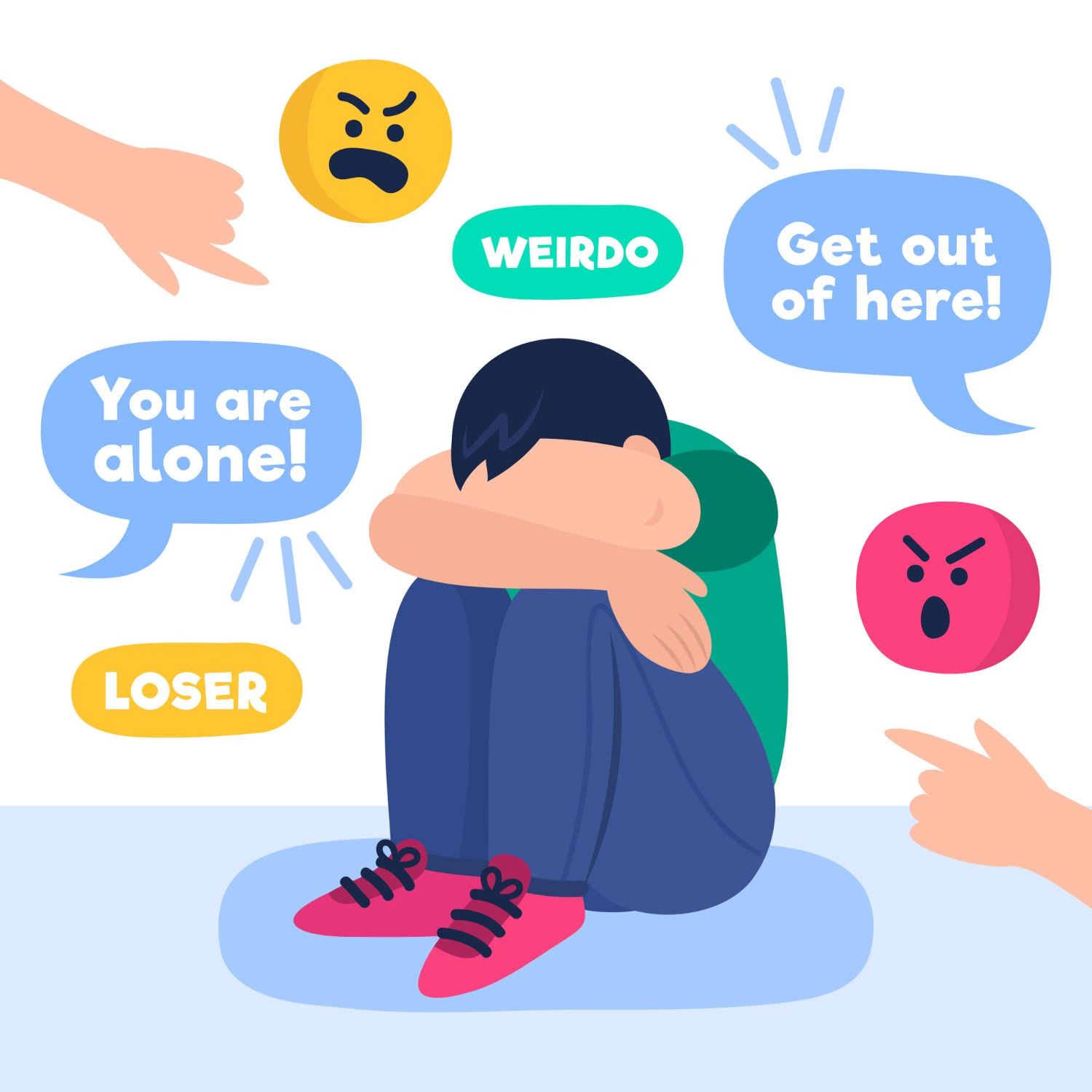
Childhood trauma is probably the most common cause of claustrophobia. Several possibilities can give rise to claustrophobia.
- Experience of being bullied:
Adults bullied as children often report feeling suffocated in confined spaces. That may result from the helplessness you experienced earlier in your life.
- Child abuse:
Incidences of child abuse most often cause phobias and mental conditions in individuals.
- Being punished in closed spaces:
Being shut in enclosed rooms, bathrooms, closets, etc., is a frequently seen factor in individuals who have claustrophobia.
- Dysfunction Of the Amygdala

Several neuroimaging studies using functional Magnetic Resonance Imaging (fMRI) suggest hyperactivity of the Amygdala is often associated with situational anxiety. Amygdala is part of the brain that controls how you process fear. Its greater amygdala reactivity to such stimuli is a potential cause of claustrophobia.
- Being Trapped In Closed Spaces
Even as an adult, being trapped in closed spaces for a long time can cause claustrophobia due to prolonged suffocation and loss of control.
- Being In An Accident
Experiencing a car or plane accident can also be a causal factor of claustrophobia. Many people experience the fear of being stuck in such situations again, which gradually develops into a phobia.
- Genetic Factors
Some studies suggest genetics may play a role in developing claustrophobia. The gene GPm6a can cause claustrophobia. A 2013 study showed that the gene responsible for encoding a stress-regulated neuronal protein could also be accountable for developing claustrophobia. Individuals with claustrophobia are more likely to have this gene’s mutations than those without this phobia.
- Environmental Factors
Some studies suggest that environmental factors can play a role in developing claustrophobia. It can include mirroring. Usually, a child may mirror their parent or caregivers or loved ones’ fear of enclosed spaces and start associating the phobia with themselves.
For example, my client had a phobia of entering elevators. Her mother had the same aversion. Since childhood, my client had soaked up the fear from her mother within her.
What Are The Symptoms Of Claustrophobia?
There are several symptoms associated with claustrophobia.
However, most of these symptoms vary for each individual. While some individuals only experience mild anxiety in such situations, they may also cause severe panic attacks for others.
- Physical Symptoms Of Claustrophobia
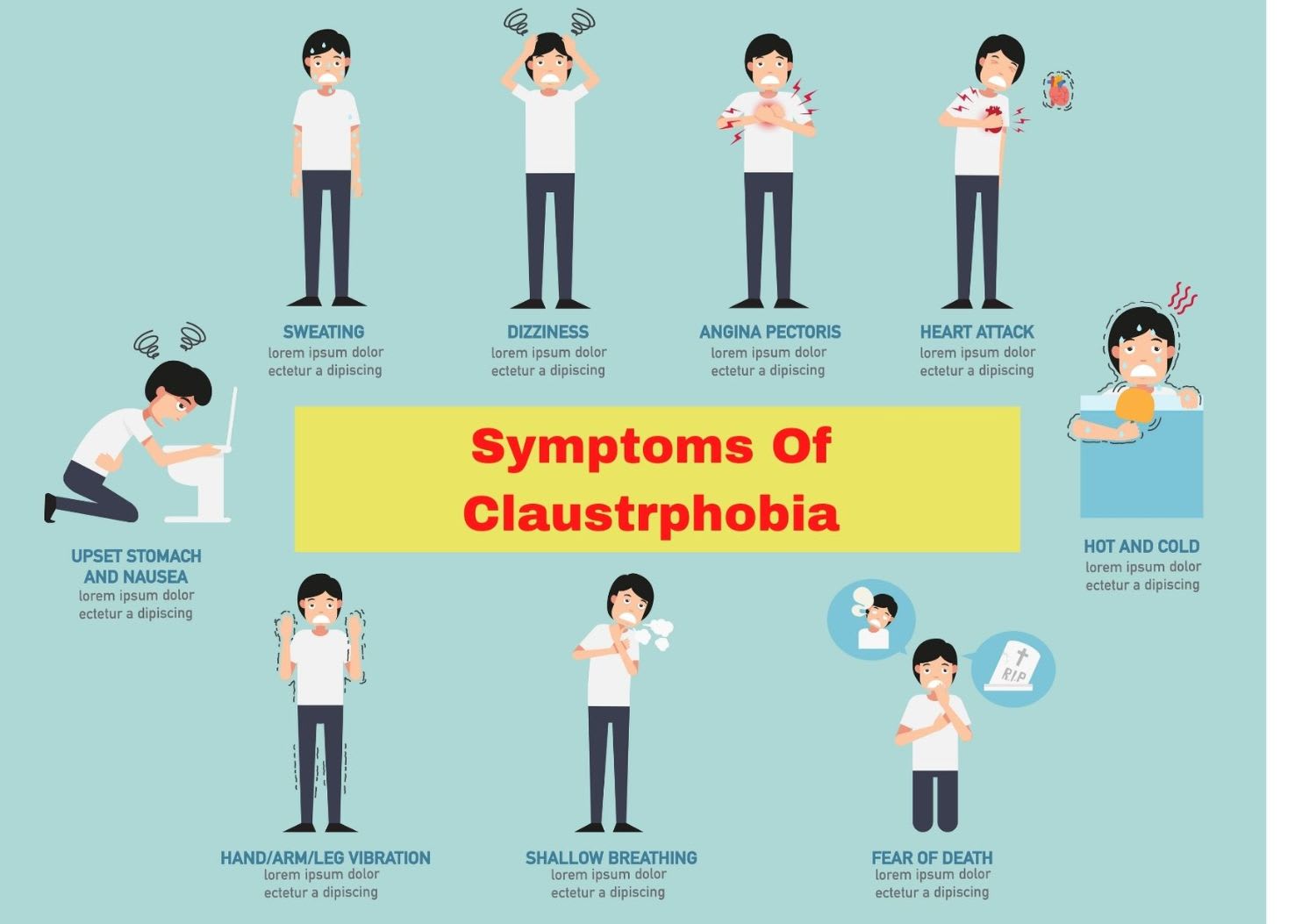
Some of the most common physical symptoms of claustrophobia are as follows:
- Trembling
- Dizziness or Lightheadedness
- Chills
- Sweating
- Sensation of choking
- Hyperventilation
- Shortness of breath or rapid breathing
- Tightness of chest or chest pains
- Nausea
- Numbness
- Headache
- Dry mouth
- Ringing ears
- Feeling of disorientation
- Elevated heart rate
- Panic attack (Lasting 5 - 30 minutes).
- Psychological Symptoms Of Claustrophobia
Claustrophobia can also cause some psychological symptoms:
- Going out of your way to avoid potentially confined spaces
- Distressing thoughts and sensations that cause signs of panic
- Loss of control
- Feeling of dread
- Feel like you’re going to faint
- Feeling like you’re going to die
- Feel like the walls are closing in on you
- Feeling a sense of doom
- Fear that the door will shut when you’re in an enclosed space
How Is Claustrophobia Diagnosed?
While most people don’t consult professional help for claustrophobia, it is necessary to realise its importance. Early diagnosis can help you manage your symptoms and control the phobia before it gets out of hand. A psychiatrist considers several factors to diagnose claustrophobia. Some of these factors are:
- Checking whether the symptoms are persistent
- If the symptoms interfere with everyday tasks
- Take your health history into consideration
- If the symptoms link to another disorder
- Consider the intensity of panic attacks
- If the fear affects your life on a regular
- If the symptoms are anxiety of certain events
What Are Some Tips For Managing Claustrophobia?
If you have mild claustrophobia, there are several tips and techniques you can practice in triggering situations. Some of these include:
- Practice Deep Breathing:
Take slow and deep breaths. Focus on the numbers and count each one as you go.
- Focus On An Object:
Look for a thing around you that doesn’t seem like a threat. Keep that object in clear view and focus on it. The object can be the seat in front of you on a train, a button in the elevator, etc.
- Say Affirmations Out Loud:
Reminding yourself that the anxious thoughts will pass in time can help recenter your brain. It will allow you to get out of a panicked mindset and assure you that you will get out of the space safely.
- Ask Someone Around You for Help:
What if you find yourself in a situation where you’re stuck with people in an enclosed space? Letting someone know about your condition will allow them to be more mindful if you start feeling panicked.
- Don’t Fight it Too Hard:
Claustrophobia is a genuine mental condition, and your body is aware of that. Chances are, it won’t stop until it induces the panic it intends to in your body. It is better to stop avoiding the problem and let your body react in such situations.
What Are The Triggers Of Claustrophobia?
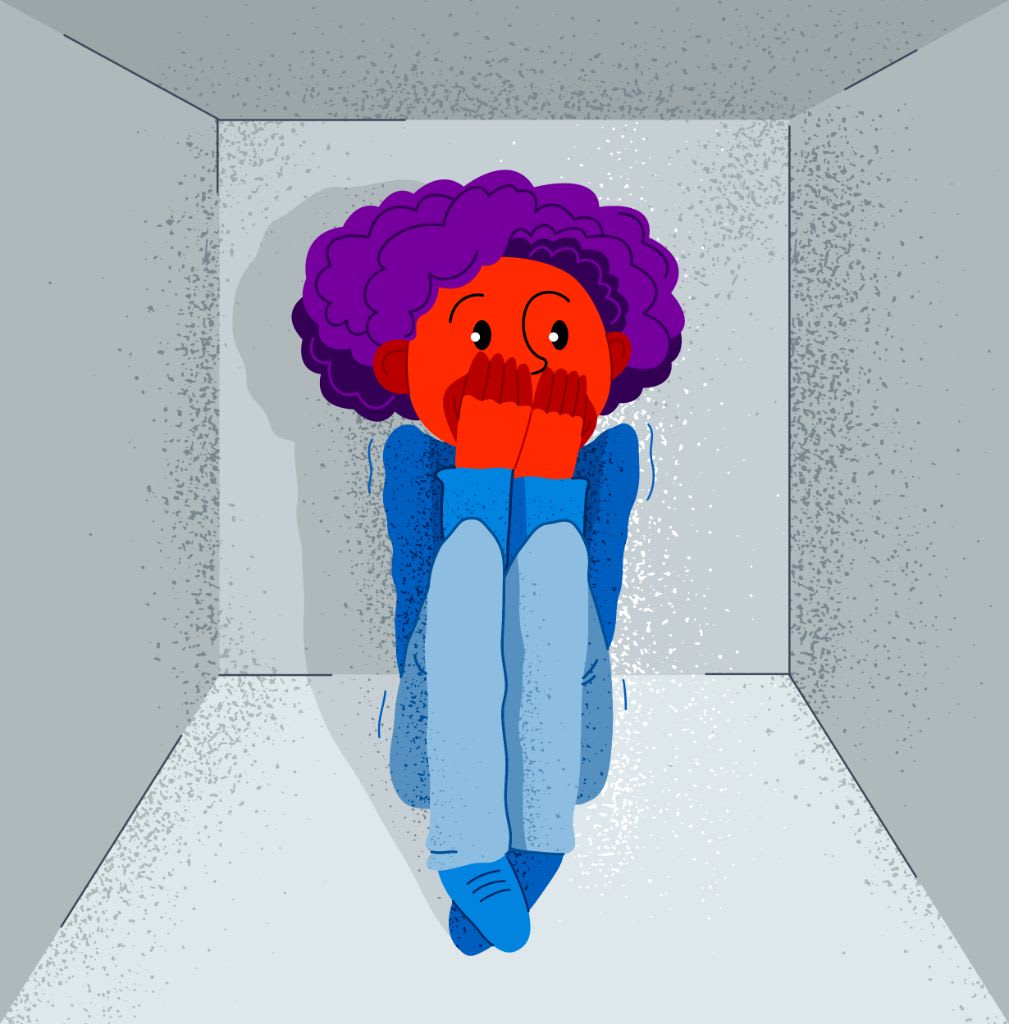
There are several triggers associated with claustrophobia. Avoidance isn’t the most effective way of dealing with that, although being aware of potentially triggering situations can help you cope better with the symptoms.
Every person, including claustrophobics, has their sense of comfortable personal space. This perceived comfortable space varies depending on the severity of your phobia.
Here are a few of the common triggers of claustrophobia:
- Elevators
- Public transport (especially tube trains/subways)
- Public bathroom stalls
- Aeroplanes (notably experiencing turbulence when flying)
- Rooms with sealed or closed windows
- Changing stalls
- Driving a small vehicle
- Being stuck in heavy traffic
- Confined closets
- Revolving doors
- MRI or CT Scan machines
- Spaces where quick escape seems difficult
What Is The Treatment Of Claustrophobia?
If you experience immense panic in confined spaces, I advise you to get treatment for claustrophobia. Remember that avoidance only reinforces the fear instead of healing it. Consulting a mental health professional can help you be more aware of the phobia and work on it actively.
Many individuals with claustrophobia avoid reaching out for professional help. A significant factor in this hesitance is facing and re-experiencing the fear. However, getting help from a trained psychotherapist can help you get the peace and high-quality life you deserve. We can employ several strategies to reduce the influences of claustrophobia on your daily activities.
Here are a few ways psychotherapy helps the treatment of claustrophobia:
- Visualisation Techniques
Studies show that the perception of near and far spaces contributes to the development of claustrophobia.
Specially trained psychologists and hypnotherapists may use visualisation techniques to help you deal with claustrophobia. You will visualise a safe space in your head and shift your focus to that. This technique helps calm your nerves and ease you from a panicked state.
- Relaxation Techniques

Relaxation techniques can help you out when you face a triggering situation. For example, if you’re stuck in an elevator, you can use these techniques to ground yourself till help arrives. Mental health specialists can teach you some relaxation techniques for such scenarios. These exercises include counting down from 10, focusing on the number of breaths per minute, mindfulness, tapping and other activities. You can do these exercises yourself, but having a therapist who can guide you is more effective.
- Rational Emotive Behavioral Therapy (REBT):
Rational Emotive Behavioral Therapy (REBT) is an action-oriented approach to treating claustrophobia. This Behavioral Therapy teaches you to focus on the present in a panic-inducing situation.
REBT primarily deals with unhealthy attitudes and behaviours to help you solve phobias and negative beliefs. It will help you develop healthy and realistic alternative coping patterns with claustrophobia.
- Desensitisation or Self-Exposure Therapy Under Hypnotherapy
I effectively use Desensitisation Therapy to help my clients heal from claustrophobia or any other phobias. This procedure entails gradual exposure to the triggering situation in a relaxed mind. The therapy allows you to get closer to your fear instead of avoiding it all your life. The gradual exposure includes taking you from the least scary to the scariest stage and having the psychotherapist guide you through the process.
Once that is done, you can build a hierarchy of experiences and situations that may be potential triggers for claustrophobia.
- Cognitive Behavioral Therapy (CBT):
Cognitive Behavioral Therapy (CBT) is probably one of the most common therapies used. In this therapy, the psychologist helps you take control of your thoughts. The treatment focus is on the thoughts and emotions associated with the phobia itself.
CBT helps you to manage and alter thought patterns and lead them to healthier alternatives. You learn to explore your fear and thoughts and develop realistic ways to deal with claustrophobia.
Takeaway
If you struggle with claustrophobia or know someone who does, it is better to get professional help. That will ensure that the condition doesn’t affect your daily lives as severely.
Avoiding your fear seems like a good idea until you have no choice but to face the fear. It is better to be fully conscious of the fear so you can deal with the symptoms better.
Important: TherapyRoute does not provide medical advice. All content is for informational purposes and cannot replace consulting a healthcare professional. If you face an emergency, please contact a local emergency service. For immediate emotional support, consider contacting a local helpline.
Find Therapists
Must Read
Creating Space for Growth: How Boundaries Strengthen Relationships
Setting healthy boundaries fosters respect, protects emotional well-being, and strengthens relationships by defining personal limits and maintaining self-care.
International Mutual Recognition Agreements for Mental Health Professionals
Mutual recognition agreements for mental health professions are rare and uneven, with major gaps in counselling, social work, and allied therapies. Read on to understand ...
Mental Health Licensing & Regulation in New York State: 2026 Guide
Mental Health Licensing & Regulation in Singapore: 2026 Guide
Jumping to Conclusions
Jumping to conclusions is a thinking habit where we assume the worst or make judgments without enough evidence. By recognising this pattern, therapy can help you slow dow...
About The Author

Insightful Counselling & Training
Singapore, Singapore
“At Insightful Counselling, we offer compassionate, client-centred therapy to help you navigate life’s challenges and transitions. Our experienced team supports individuals, couples, and families, prioritising emotional safety, respect, and collaboration. We assist clients facing anxiety, depression, relationship issues, trauma, life changes, and stress, focusing on building resilience and insight. Our approach combines evidence-based techniques with a strengths-based perspective to help clients gain self-understanding, heal, and move forward. Therapy is a personal journey, and we are committed to supporting you with empathy, professionalism, and trust.”
Insightful Counselling & Training is based in Singapore, Singapore.
