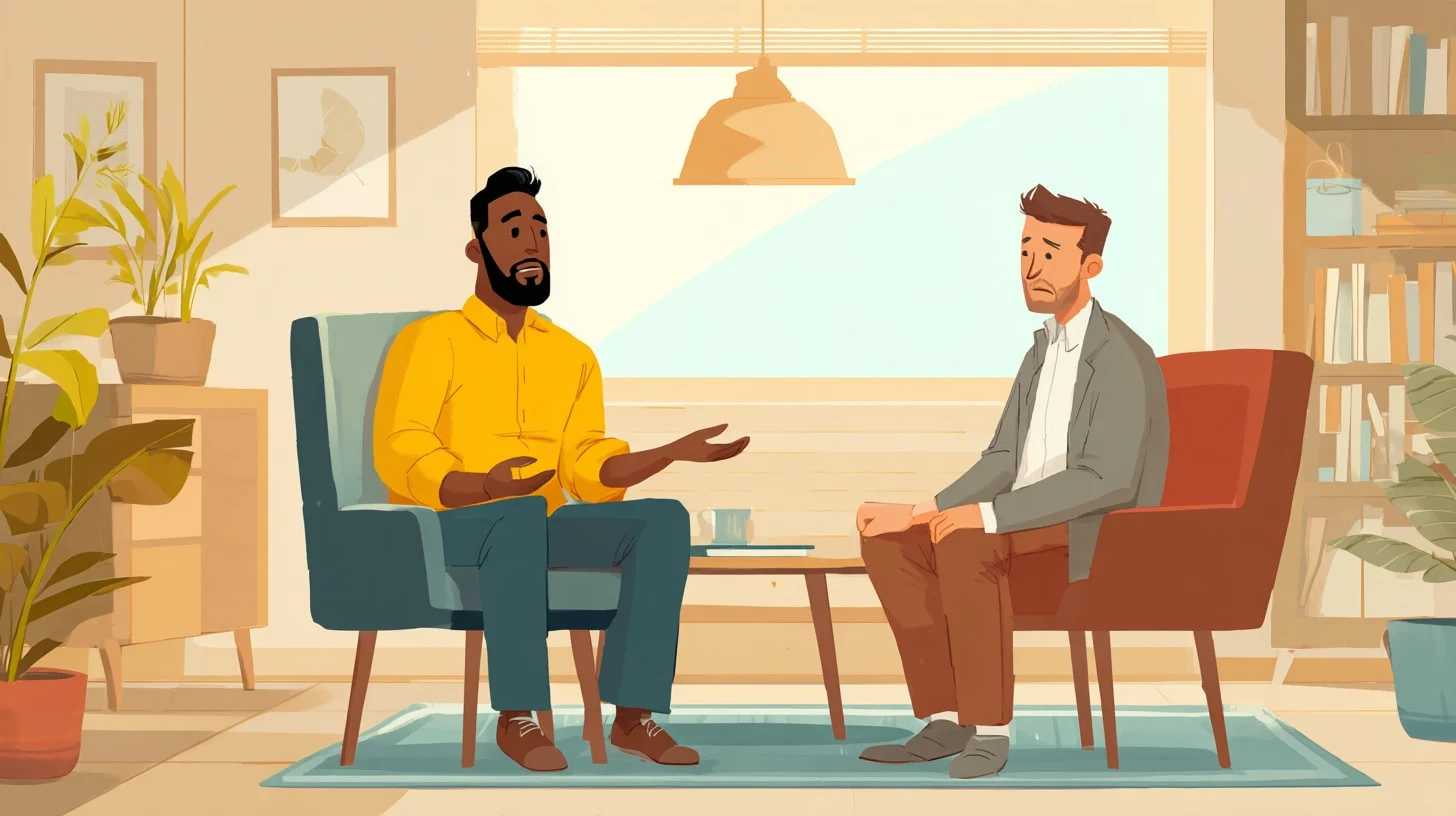
Choosing the Right Therapist: What Really Matters
Finding the right therapist isn’t just about qualifications or techniques; it’s about connection. Research shows that the quality of the therapeutic relationship plays a ...

“An empathic, experienced psychologist providing psychotherapy and psychological interventions to adults in private practice and organisational contexts, supporting wellbeing, insight, and meaningful growth.”
Ask a quick question or arrange a time to meet.
In-person & Online
The scientific study and clinical practice of understanding the mind, emotions, and behaviour, applied to promote healthier functioning.
Learn more about PsychologyA form of therapy that works with family members together to improve communication, resolve conflict, and strengthen relationships within the family system.
Learn more about Family TherapyOne-on-one therapy sessions between a client and a therapist, focused on that person's specific concerns and goals.
Learn more about Individual TherapyA therapy that explores how past experiences and unconscious patterns shape current feelings, relationships, and behaviour.
Learn more about Psychodynamic TherapyEmotional, physical, or sexual mistreatment by another person that causes lasting psychological harm and disrupts a person's sense of safety.
Major life changes, such as relocation, retirement, parenthood, or career shifts, that disrupt routine and require psychological adjustment.
Learn more about Life TransitionsAn intense emotional response to perceived threat, injustice, or frustration that, when persistent or uncontrolled, can damage relationships and well-being.
Learn more about AngerPersistent worry, nervousness, or fear that is disproportionate to the situation and interferes with daily functioning.
Learn more about AnxietyThe emotional, physical, and psychological response to the death of a loved one or another significant loss.
Learn more about Grief & LossA category of mental health conditions, including depression and bipolar disorder, in which a person's emotional state is significantly and persistently disrupted.
Learn more about Mood DisorderDifficulties within the family system, including conflict, communication breakdown, blended family tensions, or intergenerational patterns, that affect individual and collective well-being.
Guidance for the psychological challenges of raising children, including discipline, communication, co-parenting, and managing the emotional demands of parenthood.
Difficulties in romantic relationships, including communication problems, trust breakdowns, conflict patterns, or uncertainty about the relationship's future.
Learn more about Relationship IssuesThe lasting psychological impact of deeply distressing events, such as violence, abuse, accidents, or disasters, that overwhelm a person's ability to cope.
Learn more about TraumaA psychologist who helps people with everyday life challenges (relationships, work stress, adjustment) as well as mental health conditions.
Counseling Psychologist
Verify LicenseUniversity of Pretoria
Year: 2002


Lakeside, Cape Town, South Africa