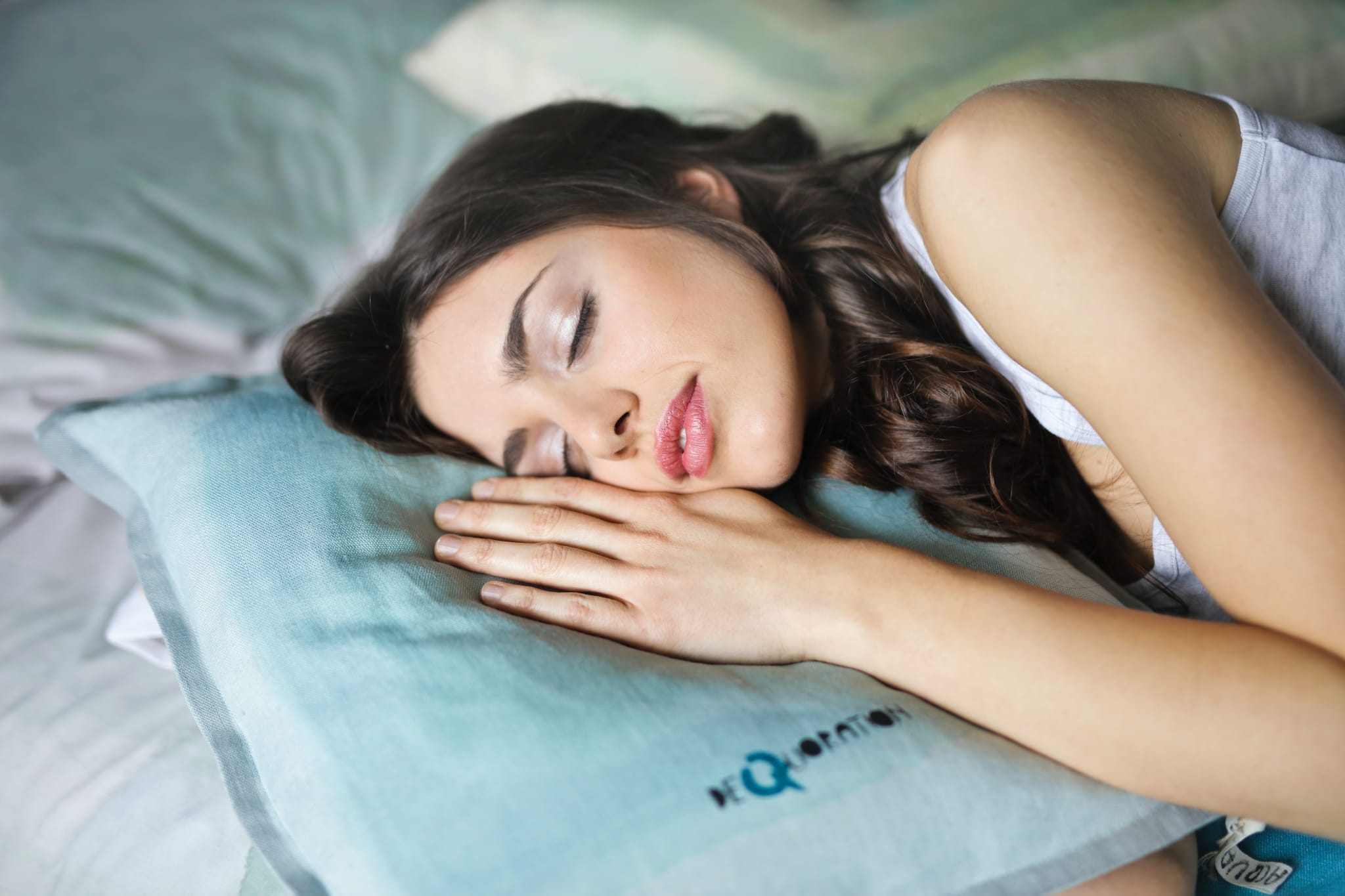
Why a Good Sleep Is Important For Our Health

❝The health benefits of a good night sleep❞
Sleep is important for many brain functions, including communication between nerve cells (neurons).
Your brain and body are very active while you sleep. Recent evidence suggests that sleep plays an important role in flushing out toxins from the brain that accumulate when you wake up.
Therapy should be personal. Therapists listed on TherapyRoute are qualified, independent, and free to answer to you – no scripts, algorithms, or company policies.
Find Your TherapistSleep latency and sleep duration may be beneficial for short-term treatment with benzodiazepines and non-benzodiazepine agonists such as zolpidem and zopiclone, but there is a risk of tolerance and dependence. Sleep disorders are a group of disorders that affect your ability to sleep regularly.
sleep disturbances caused by health problems or excessive stress are becoming more common in the United States. In fact, over a third of US adults report that they sleep less than 7 hours in 24 hours. More than 70% of high school students say they sleep less than 8 hours a week.
Most people occasionally have trouble sleeping due to stress, busy meetings, and other external influences. However, if these problems occur regularly and interfere with your daily activities, it could indicate sleep disturbance and, depending on the type of sleep disturbance, can cause sleep problems and cause severe fatigue throughout the day.
Lack of sleep can negatively affect your energy, mood, concentration, and overall health. In some cases, sleep disturbance can be a symptom of another physical or mental disorder.
These sleep problems may eventually go away once the cause is corrected. If the sleep disorder is not related to another medical condition, treatment usually involves a combination of medication and lifestyle changes. If you suspect a sleep disorder, it is important to seek immediate diagnosis and treatment.
If left untreated, the negative effects of insomnia can have additional health consequences. It can also affect productivity at work, create tension in relationships, and affect your ability to participate in daily activities.
Alzheimer’s and other forms of dementia can interfere with sleep control and other brain functions. Night walks, disorientation, and excitement – a phenomenon known as “sunset” – require constant supervision and can be a heavy burden on caregivers. In such cases, small doses of antipsychotics make more sense than benzodiazepines.
You should get up at the same time as before the epidemic, dress as if you were going to work, have breakfast and go to work. So ideally, you should set aside time for exercise and dinner at the same time. “
This disorder is characterized by disturbed breathing during sleep. Some people may experience abnormal breathing even while awake. Some respiratory illnesses can seriously disrupt sleep and cause serious disturbances during the day.
Sleep apnea, a common respiratory condition in both children and adults, can also cause severe snoring. Sleep apnea is a common sleep-related respiratory condition caused by a blockage in the upper airways. People with this condition often wake up, gasp, or breathe heavily.
Another common symptom is severe snoring. Like other sleep disorders, sleep apnea can cause excessive daytime sleepiness and fatigue, as well as various cognitive impairments. Most cases of sleep apnea can be divided into two categories.
Obstructive sleep apnea (OSA) is caused by a physical obstruction that blocks the upper airway. People with this condition often wake up, gasp, or breathe heavily. Another common symptom is severe snoring. Like other sleep disorders, sleep apnea can cause excessive daytime sleepiness and fatigue, as well as various cognitive impairments.
Most cases of sleep apnea can be divided into two categories. Obstructive sleep apnea (OSA) is caused by a physical obstruction that blocks the upper airway. This blockage can be associated with large tonsils or polyps, fluid retention due to advanced heart or kidney failure, or a genetic syndrome that affects facial structures such as B. Cleft palate.
People who are obese and have fat in their necks are also at higher risk of OSA, and sleeping on the back can lead to apnea attacks when the tongue returns to the throat.
For many patients, CPAP (Continuous Positive Airway Pressure) therapy is the most effective treatment.
Central sleep apnea (CSA) occurs when the brain stops sending signals to the muscles that control breathing, causing asthma attacks at night. As with OSAS, obesity is a common risk factor for CSA.
The condition can also affect people with stroke, brain infections, and other brain stem diseases, as well as people taking opioids and other sleep inducers. CPAP therapy is often prescribed for CSA, but two-stage positive airway pressure (BiPAP) therapy is more effective for some patients.
However, sleep enhancers are usually prescribed for short-term insomnia and then prescribed for up to two weeks. Sleep disorders experts say there are much more effective approaches to treating insomnia.
The pragmatic division of sleep disturbances into three main symptoms – insomnia, daytime sleepiness, and sleep-related movement disorders – often provides a very accurate preliminary diagnosis.
Some of these disorders can be treated by a therapist, while others should be referred to a neurologist or psychiatrist with specialized experience in sleep medicine. In the case of patients who view insomnia as a serious sleep disorder rather than a symptom of other diseases, a meta-analysis showed that the effect of cognitive-behavioral therapy was on average higher.
As with patients with secondary sleep disturbance, these patients may benefit from treatment for a limited period.
Studies have shown that short-term treatment with benzodiazepines and Z-drugs (non-benzodiazepine agonists such as zolpidem and zopiclone) significantly improved latency and sleep duration, but this is not without the risk of tolerance and dependence.
Targeted drug therapy is beneficial for sleep disorders, along with two other major symptoms. Some of these disorders can be treated by a therapist, while others should be referred to a neurologist or psychiatrist with specialized experience in sleep medicine.
In the case of patients who view insomnia as a serious sleep disorder rather than a symptom of other diseases, a meta-analysis showed that the effect of cognitive-behavioral therapy was on average higher.
Hyperthyroidism (hyperthyroidism) can cause sleep problems. This condition can overstimulate the nervous system, make it difficult to fall asleep, and cause cold sweats that can cause anxiety at night. Colds and drowsiness are signs of hypothyroidism (hypothyroidism).
Sleep problems are frequently reported around the world. Sleep disorders currently affect 50 to 70 million adults in the United States, with insomnia being reported most often, according to the American Sleep Association (AMA). Central nervous system problems can cause insomnia.
Central sleep apnea occurs when breathing stops several times during a night’s sleep for more than 10 seconds. It is caused by an abnormality in the brain that cannot regulate oxygen levels and automatically starts breathing.
This oxygen reduction is called hypoxia. It can worsen conditions such as epilepsy or cause problems such as chest pain or heart attack in people with coronary artery disease.
Central sleep apnea can also be caused by problems with carbon dioxide control.
Important: TherapyRoute does not provide medical advice. All content is for informational purposes and cannot replace consulting a healthcare professional. If you face an emergency, please contact a local emergency service. For immediate emotional support, consider contacting a local helpline.
Find Therapists
Must Read
Creating Space for Growth: How Boundaries Strengthen Relationships
Setting healthy boundaries fosters respect, protects emotional well-being, and strengthens relationships by defining personal limits and maintaining self-care.
International Mutual Recognition Agreements for Mental Health Professionals
Mutual recognition agreements for mental health professions are rare and uneven, with major gaps in counselling, social work, and allied therapies. Read on to understand ...
Jumping to Conclusions
Jumping to conclusions is a thinking habit where we assume the worst or make judgments without enough evidence. By recognising this pattern, therapy can help you slow dow...
Case Conceptualisation
Case conceptualisation is how a therapist thoughtfully pulls together your concerns, experiences, and strengths into a clear understanding of what’s going on. This shared...
Guided Discovery
Guided discovery invites clients to arrive at their own insights through collaborative questioning and reflection. Instead of being told what to think, individuals learn ...
About The Author

“A counselor who desires to see people living their best lives”
Charles Ituah is a qualified Counselor, based in Festac, Nigeria. With a commitment to mental health, Charles provides Counseling.