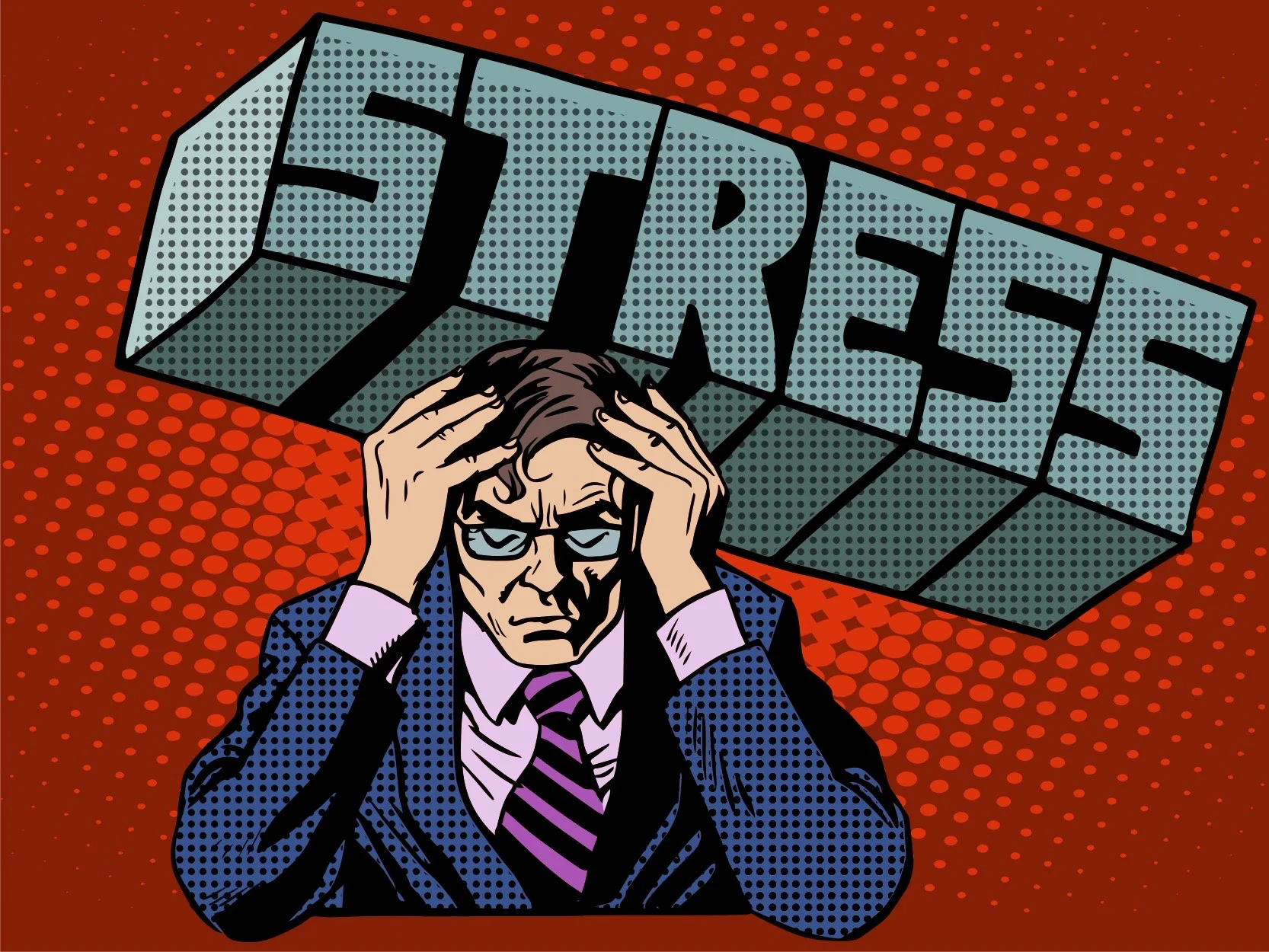
Understanding Stress: The Silent Epidemic


❝Stress got you down? This guide explores its impact, reveals effective coping mechanisms, & encourages seeking help for ultimate well-being.❞
Stress is an inevitable part of life that everyone experiences at some point. It can manifest in various forms, from everyday challenges to significant life events. While stress can serve as a motivator in certain situations (eg, mild stress before an exam or interview helps you prepare better), chronic and unmanaged stress can harm one's overall health. This article explores the concept of stress, and its impact on health and emphasizes the crucial role of counselling and therapy in managing and alleviating stress.
In this Article
Defining Stress
Stress is the body's natural response to a perceived threat or demand, triggering the "fight or flight" response. This physiological reaction, designed to help humans survive in threatening situations, involves the release of stress hormones such as cortisol and adrenaline. In the short term, stress can be beneficial, sharpening focus and enhancing performance. However, chronic exposure to stress can lead to serious health problems.
Impact of Stress on Overall Well-being
-
- Cardiovascular System: Prolonged stress can contribute to high blood pressure, increased heart rate, and a higher risk of cardiovascular diseases.
-
- Immune System: Chronic stress weakens the immune system, making the body more susceptible to infections and illnesses.
-
- Digestive System: Stress can lead to digestive issues such as irritable bowel syndrome (IBS), indigestion, and other gastrointestinal problems.
-
- Mental Health: Stress is closely linked to mental health issues, including anxiety and depression. Prolonged stress can exacerbate existing mental health conditions or trigger their onset.
-
- Sleep Disturbances: Stress often disrupts sleep patterns, leading to insomnia or other sleep disorders.
Epidemiology of Stress Worldwide
Accordin g to the World Health Organization (WHO), stress is a global cause of health problems . Over 450 million people worldwide suffer from mental health disorders , with stress and anxiety being significant contributors. In India, the burden of stress is substantial, with a fast-paced lifestyle, work pressure, and societal expectations contributing to heightened stress levels. According to a survey by the National Mental Health Survey of India , about 9.8% of the country's population suffers from stress-related disorders.
Importance of Counseling and Therapy
Managing anxiety is easier with the right support. TherapyRoute connects you with qualified therapists who specialise in anxiety and stress.
Find an Anxiety TherapistCounselling and therapy are crucial in managing stress by addressing its root causes and providing individuals with effective coping mechanisms. Here are key reasons why seeking professional help is often helpful in stress management:
-
- Identifying Triggers: Therapists can help individuals identify specific stressors and develop strategies to manage and mitigate their impact.
-
- Coping Skills: Counseling provides individuals valuable coping skills to navigate challenging situations, promoting resilience and adaptability.
-
- Emotional Support: Therapists offer a safe and supportive environment for individuals to express their thoughts and emotions, reducing feelings of isolation and fostering a sense of connection.
-
- Behavioural Strategies: Therapists can assist in modifying harmful behaviours and thought patterns, replacing them with healthier alternatives that promote well-being.
-
- Holistic Approach: Counseling and therapy often take a holistic approach, addressing the interconnectedness of physical, emotional, and mental well-being.
Conclusion
In conclusion, stress is a natural part of life, but its chronic and unmanaged presence can lead to serious health issues. Recognizing the importance of mental health and seeking counselling and therapy can significantly contribute to effective stress management. Therapists provide valuable tools, strategies, and support, empowering individuals to navigate life's challenges with resilience and maintain a healthier overall well-being. If you or someone you know is struggling with stress, seeking the assistance of a qualified mental health professional can make a significant difference in improving overall health and quality of life.
FAQ About Stress:
How can I tell if my stress is chronic?
Chronicity often depends on frequency and intensity. If you experience stress symptoms (e.g., anxiety, fatigue, headaches) most days for weeks or months, it's likely chronic. Additionally, seek professional support if stress significantly disrupts your daily life or relationships.
What are some natural stress-reduction techniques?
Regular exercise, mindfulness practices like meditation, spending time in nature, and engaging in hobbies you enjoy can all help reduce stress hormones and promote relaxation.
Is it true that caffeine and alcohol can worsen stress?
Yes, while caffeine can provide a temporary energy boost, excessive intake can exacerbate anxiety and disrupt sleep, worsening stress. Similarly, alcohol might initially seem calming, but it can disrupt sleep and contribute to rebound anxiety later.
How can I improve my sleep when I'm stressed?
Establish a regular sleep schedule, create a relaxing bedtime routine (e.g., reading, warm bath), avoid screens in the hour before bed, and exercise regularly (but not too close to bedtime). If sleep issues persist, consult a doctor.
What are some signs that stress is affecting my relationships?
Increased irritability, difficulty communicating, emotional withdrawal, and reduced patience can all indicate stress impacts your relationships. Open communication with loved ones and seeking professional help can be beneficial.
If I can't afford therapy, what are some alternative resources for managing stress?
Answer:
Many free and low-cost resources are available
. Online resources like self-help apps, guided meditations, and educational websites can offer valuable tools. You can also find support groups in your community or talk to a trusted friend or family member.
Remember, seeking help is a sign of strength, not weakness. Don't hesitate to reach out for support if you're struggling with stress.
Important: TherapyRoute does not provide medical advice. All content is for informational purposes and cannot replace consulting a healthcare professional. If you face an emergency, please contact a local emergency service. For immediate emotional support, consider contacting a local helpline.
Find Therapists
Must Read
Creating Space for Growth: How Boundaries Strengthen Relationships
Setting healthy boundaries fosters respect, protects emotional well-being, and strengthens relationships by defining personal limits and maintaining self-care.
International Mutual Recognition Agreements for Mental Health Professionals
Mutual recognition agreements for mental health professions are rare and uneven, with major gaps in counselling, social work, and allied therapies. Read on to understand ...
How many therapists per person? Statistics by country
How many psychologists, psychiatrists and other mental health workers there are for every hundred thousand people, country by country, as a rough guide to how easy it is ...
Therapy sessions and fit statistics
How many sessions people have in therapy, how the working relationship with a therapist links to outcome, how many people stop early and how much outcomes differ between ...
How well therapy works: statistics
What randomised trials and meta-analyses show about how well psychological therapy works. Figures cover therapy against waiting lists, usual care or placebo, results by c...
About The Author

“A passionate mental health practitioner inclined towards ethical mental health care practices, Madhumita has 11+ years of experience in counselling clients from diverse mental health issues. Madhumita has delivered numerous workshops, seminars, webinars and awareness programes in schools, colleges and corporates.”
Madhumita Bhattacharya is a qualified Counseling Psychologist, based in Bangalore, India. With a commitment to mental health, Madhumita provides Adoption, Corporate Workshops, Counseling, Hypnosis, Relationship Counseling, Mindfulness-Based Cognitive Therapy (MBCT), Pain Management, Organisational Psychology, Health Psychology and Stress Management.