Some Scars Never Fade

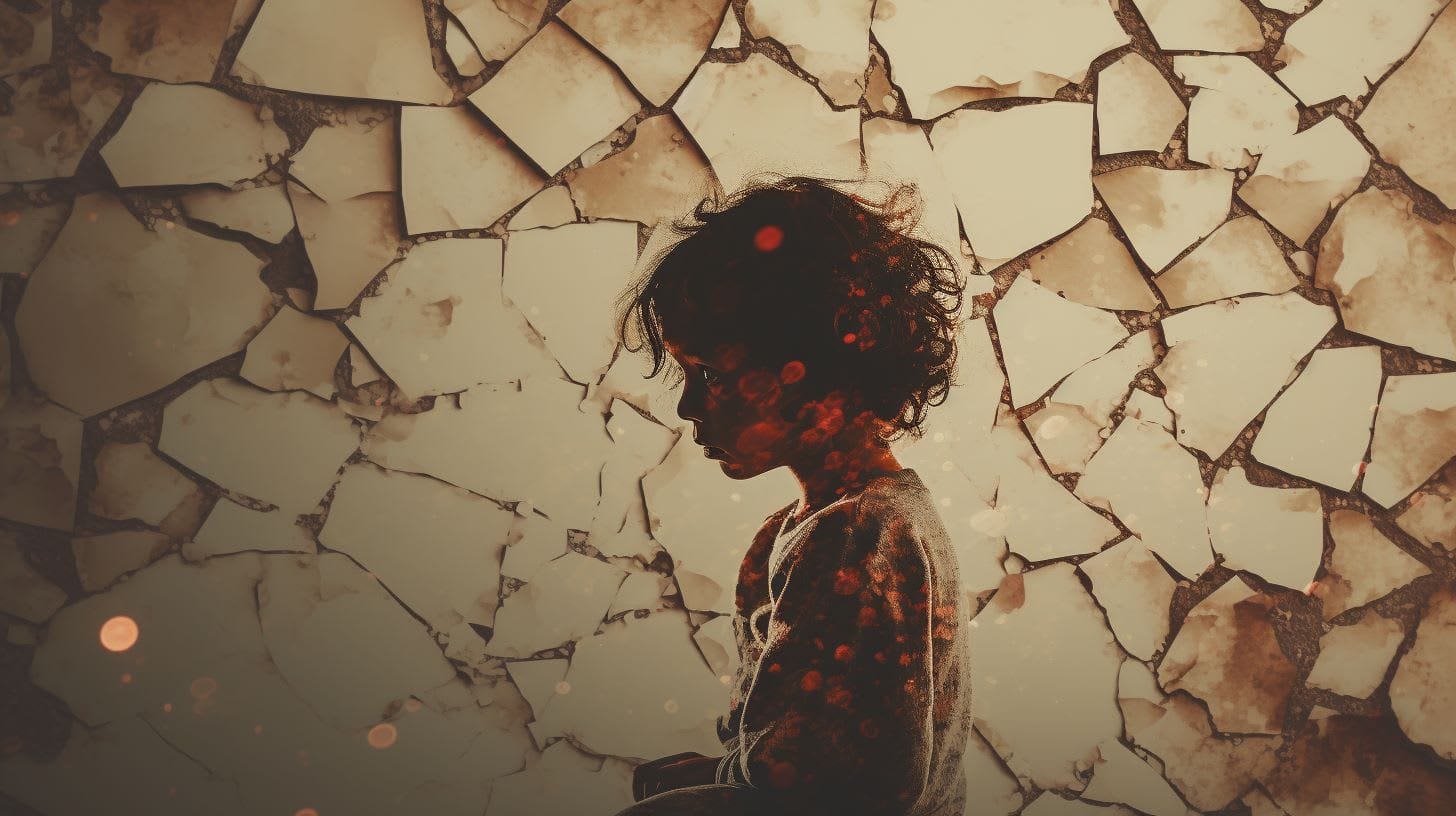
❝Childhood wounds shape our identities, leaving emotional scars that impact behaviour throughout life. Triggered by familiar events, these wounds resurface, affecting emotional and physical responses. Acceptance, empathy, and seeking support are crucial for healing and growth.❞
Today, approximately 8 billion people tread the planet, but the majority seldom ponder over the influences that give them their individual identities.
If you have ever witnessed the sight of a few dozen soaring balloons, their flight, their colours, and the contrast they create over the blue canvas of the sky might have you in awe in your admiration of their ability to soar high. We rarely get to follow them to the end of their flight to know that some float longer than others and some sway in a different direction than others.
Managing anxiety is easier with the right support. TherapyRoute connects you with qualified therapists who specialise in anxiety and stress.
Find an Anxiety TherapistAlthough it is the helium that enables all of them to soar, it is their individual qualities that determine their flight. The material they are made of, factory defects, varying amounts of gas filled in each one of them, the tightness of the knot, their handling during transportation, and resultant wounding.
Generally, as humans, we rarely look beyond the surface. Like the vibrancy and the initial sight of the soaring balloons, we rarely look into the forces that shape our individuality.
It is an open secret that human individuality is largely shaped by their wounding. Beyond the physical being, there lies a body, emotionally scarred and riddled with marks with a colossal impact on their behavior for an entire lifetime. Of course, these are invisible to the human eye.
Our wounds, particularly those from childhood, otherwise called primary wounds, particularly remain embedded within our souls throughout our lives. Remarkably, these wounds can manifest themselves at any age and place as we 'grow up' and impact the way we interact with our surroundings. They give rise to nuances in our personality, and therefore, recognizing their presence holds paramount importance.
This inflicted trauma becomes repressed in the depths of our unconscious mind but persistently manifests itself through bodily signals. Yes. While our conscious and 'thinking mind' may forget them, the body cleverly retains the impact of these experiences and will reactivate the emotional and physical responses upon encountering 'triggers' - any familiar event or thing that hits the trauma nerve and puts the individual back in the place where they initially experienced the trauma.
The origins of these wounds are diverse. From abusive parenting to bullying at school and the aftermath of a death or abandonment, these wounds shape our psychological patterns in relation to others.
If an individual, during their childhood, experienced abandonment by a primary caregiver, they may undergo a resurgence of anxiety, panic, and emotional burden similar to what they felt during their childhood through triggers that seem as 'insignificant' as bidding farewell to a cousin who stayed at their place. And although others might perceive this reaction as trivial, it is not because they cannot see the person in pain but because their own emotional wounds and triggers differ from theirs.
In addition to being unaware of the internal conflict, the individual may also be oblivious to the friction between conflicting thoughts—straying a balance between staying strong versus being anxious. This internal conflict if left unaddressed, can lead to unhealthy functioning and can disturb the overall physical and mental processes of the individual.
The influence of the wounding is more profound and pervasive in the extreme cases of childhood sexual abuse and can manifest in a highly distressing fashion during adulthood. As a coping mechanism, the child's mind might have unconsciously repressed the traumatic incident in an attempt to shield itself from the overwhelming pain associated with the experience and its memories. The existence of a wound of this magnitude at the back of the mind' cannot exist in a repressed form forever and although the coping system's blackout of the memories tucks it away from the active thought process, leaving the individual largely unaware, it resurfaces in distressing and disruptive manners later in life.
The influence of such wounding is colossal. For example, if the perpetrator during the ordeal was tall, the survivor, as an adult; may experience difficulty in engaging with, or feeling at ease around individuals who share the physical attribute.
These wounds and sufferings ultimately shape one's identity, and unfortunately, there is often little control over the existence of these wounds. Mere contemplation can evoke overwhelming horror and leave the individual feeling helpless. In such cases, it becomes crucial to cultivate a mindset of acceptance. To embrace with generosity, an open mind, and an open heart, the presence and impact of those experiences in the lives of those around us and let them heal in safety.
However, it's imperative to recognize that while healing is attainable, the scars may persist as an integral part of one's existence. They will serve as reminders of the past, carrying their own stories and lessons. In navigating this journey, empathy becomes an essential nourishment. Cultivating empathy, both for oneself first and later for others, provides the sustenance needed to navigate the ongoing process of healing and growth.
Another vital aspect, alongside self-acceptance, is the pursuit of suitable support systems. It is crucial to seek the right sources of support, be it from friends, family, a therapist, or a psychologist that can provide the necessary holding and understanding that a suffering individual truly deserves.
Wounds shape identities,
Hidden scars, unseen complexities.
Triggers reveal, pain remains,
Acceptance, healing, and growth sustain.
Empathy, and support, are vital for the way,
Navigating life's journey, scars portray.
Important: TherapyRoute does not provide medical advice. All content is for informational purposes and cannot replace consulting a healthcare professional. If you face an emergency, please contact a local emergency service. For immediate emotional support, consider contacting a local helpline.
Find Therapists
Must Read
Creating Space for Growth: How Boundaries Strengthen Relationships
Setting healthy boundaries fosters respect, protects emotional well-being, and strengthens relationships by defining personal limits and maintaining self-care.
International Mutual Recognition Agreements for Mental Health Professionals
Mutual recognition agreements for mental health professions are rare and uneven, with major gaps in counselling, social work, and allied therapies. Read on to understand ...
Jumping to Conclusions
Jumping to conclusions is a thinking habit where we assume the worst or make judgments without enough evidence. By recognising this pattern, therapy can help you slow dow...
Case Conceptualisation
Case conceptualisation is how a therapist thoughtfully pulls together your concerns, experiences, and strengths into a clear understanding of what’s going on. This shared...
Guided Discovery
Guided discovery invites clients to arrive at their own insights through collaborative questioning and reflection. Instead of being told what to think, individuals learn ...
About The Author

“I aim to emancipate humanity through supporting them in their emotional journey, through compassion, safety, and professional competence, thus ensuring mutual growth and togetherness.”
Sheheryar Shahid is a qualified Psychotherapist, based in Islamabad, Pakistan. With a commitment to mental health, Sheheryar provides Art Therapy, Advocacy, Counseling, Group Therapy, Inpatient Services, Occupational Therapy, Online Therapy, Psychotherapy, Stress Management and Support Groups.