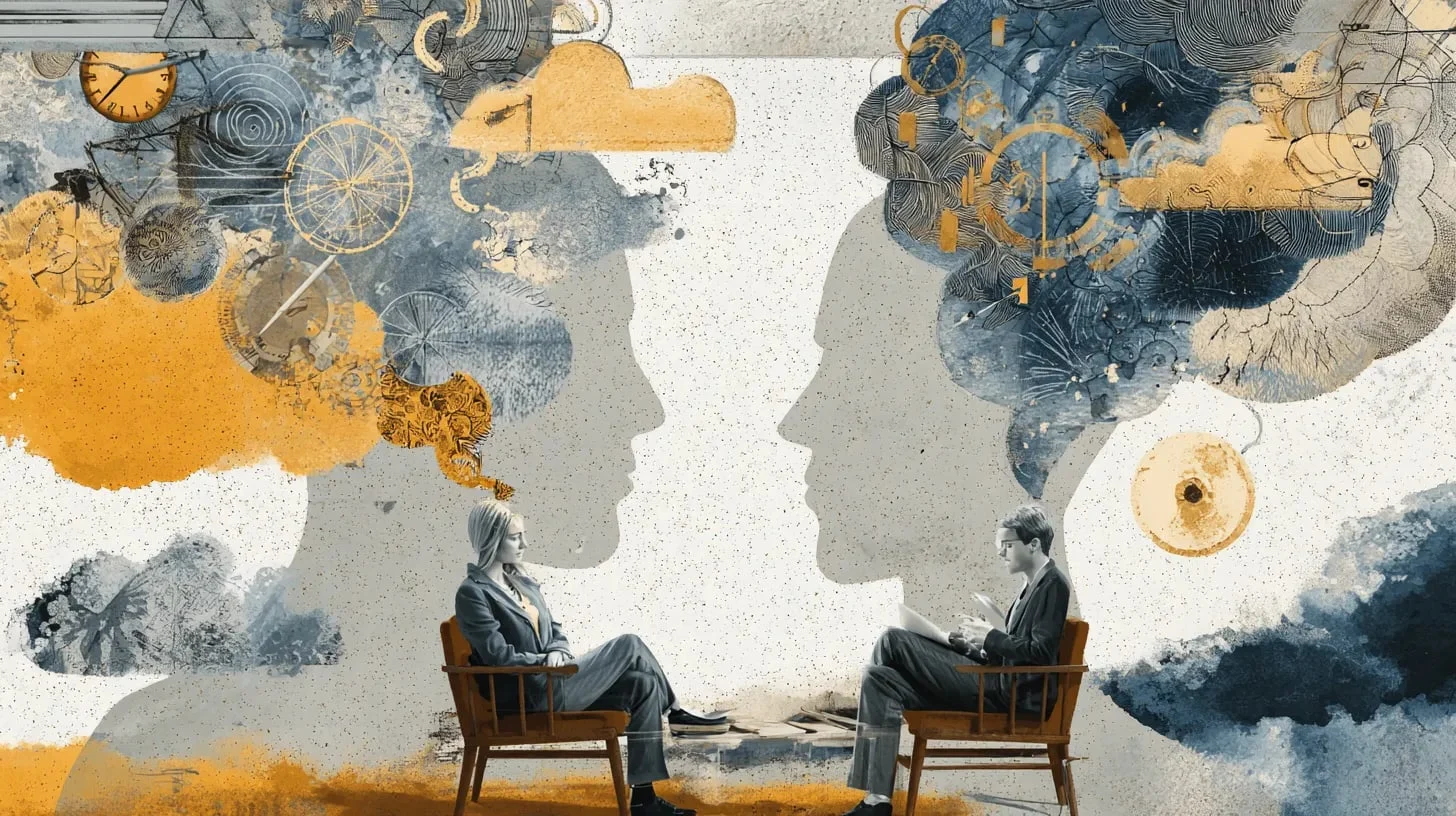
Labelling and Mislabeling
TherapyRoute
Clinical Editorial
Cape Town, South Africa
❝Labelling and mislabeling happen when we judge ourselves or others by one mistake or trait and treat it as who they are. This way of thinking affects confidence and relationships, and learning to separate what someone does from who they are helps build a kinder, more balanced view.❞
Table of Contents
- Definition
- Key Characteristics
- Theoretical Background
- Clinical Applications
- Treatment Approaches
- Research and Evidence
- Examples and Applications
- Cultural and Social Considerations
- Relationship to Other Concepts
- Professional Applications
- Practical Implications
- Conclusion
Definition
Labelling and mislabeling are cognitive distortions that involve defining oneself or others by mistakes, negative characteristics, or single behaviours rather than recognising the complexity and multifaceted nature of human beings. This thinking pattern creates rigid, often negative identities based on limited information or specific incidents, leading to oversimplified and typically harmful self-concepts or perceptions of others.
Therapy should be personal. Therapists listed on TherapyRoute are qualified, independent, and free to answer to you – no scripts, algorithms, or company policies.
Find Your Therapist
Key Characteristics
Core Features
- Identity reduction to single negative characteristics
- Global labelling based on specific behaviours or mistakes
- Rigid categorisation of self or others
- Overgeneralisation from specific incidents to overall identity
- Negative self-definition that becomes self-fulfilling
Clinical Manifestations
- Calling oneself "stupid" after making a mistake
- Labelling others as "selfish" based on single actions
- Defining oneself as "a failure" after experiencing setbacks
- Categorising people as "good" or "bad" based on limited interactions
- Using permanent, global labels for temporary, specific behaviours
Theoretical Background
Cognitive Theory Framework
Labelling and mislabeling represent a fundamental error in self-concept and social perception identified in Beck's cognitive model. This distortion reflects the tendency to create oversimplified identity categories that ignore the complexity and changeability of human behaviour.
Identity Development Impact
Research demonstrates that labelling patterns can significantly impact identity development, self-esteem, and interpersonal relationships by creating rigid self-concepts that resist change and growth.
Clinical Applications
Assessment and Identification
- Language analysis of how clients describe themselves and others
- Identity exploration of self-concept and self-definition patterns
- Labelling frequency tracking across different life domains
- Emotional impact assessment of labelling on mood and behaviour
- Relationship effects examination of how labelling affects interpersonal connections
Therapeutic Interventions
- Language modification to develop more specific, behavioural descriptions
- Identity expansion exercises to recognise multiple facets of self and others
- Behavioural evidence gathering to challenge global labels
- Compassionate reframing to develop a more balanced self-perception
- Perspective-taking exercises to understand complexity in others
Treatment Approaches
Cognitive Behavioural Therapy
CBT addresses labelling through examination of language patterns and development of more specific, behavioural descriptions that recognise human complexity and potential for change.
Self-Compassion Approaches
These interventions help individuals develop kinder, more balanced ways of viewing themselves and others, reducing the tendency toward harsh global labelling.
Research and Evidence
Empirical Support
Studies show that labelling and mislabeling are associated with:- Increased risk for depression and low self-esteem
- Maintenance of negative self-concept
- Impaired interpersonal relationships
- Reduced motivation for change and growth
- Increased social anxiety and interpersonal difficulties
Developmental Research
Research from multiple countries demonstrates that labelling patterns often develop in childhood and can persist into adulthood, affecting identity formation and social relationships.
Examples and Applications
Self-Labelling Examples
- Academic struggles: "I'm stupid" instead of "I'm having difficulty with this subject"
- Social situations: "I'm awkward" instead of "I felt nervous in that situation"
- Work challenges: "I'm incompetent" instead of "I made an error on this task"
- Relationship issues: "I'm unlovable" instead of "We had a disagreement"
- Physical appearance: "I'm ugly" instead of "I don't like this particular feature"
Other-Labelling Examples
- Partner behaviour: "He's selfish" instead of "He acted selfishly in this situation"
- Friend actions: "She's unreliable" instead of "She was late this time"
- Colleague performance: "They're lazy" instead of "They didn't complete this task"
- Family dynamics: "My parent is controlling" instead of "My parent tends to be directive"
- Social interactions: "People are mean" instead of "Some people behaved unkindly"
Cultural and Social Considerations
Cultural Variations
Different cultures may have varying tendencies toward individual versus collective identity formation, influencing how labelling patterns manifest and are addressed in treatment.
Social Media Impact
Digital environments can exacerbate labelling through simplified profile representations and rapid judgments based on limited online interactions.
Relationship to Other Concepts
Related Cognitive Distortions
- All-or-nothing thinking: Viewing characteristics in extreme terms
- Overgeneralisation: Drawing broad conclusions from specific events
- Mental filter: Focusing on negative aspects while ignoring positives
- Personalisation: Taking excessive responsibility for negative outcomes
Therapeutic Modalities
- Cognitive-behavioural therapy for language and thought pattern modification
- Acceptance and commitment therapy for psychological flexibility
- Compassion-focused therapy for self-kindness development
- Narrative therapy for identity story reconstruction
Professional Applications
Therapeutic Language
- Modelling specific, behavioural language in therapy sessions
- Helping clients recognise and modify labelling patterns
- Teaching the distinction between behaviour and identity
- Encouraging growth-oriented rather than fixed mindset language
Assessment and Diagnosis
- Avoiding diagnostic labelling that becomes identity-defining
- Using person-first language in clinical documentation
- Recognising the impact of professional labelling on client self-concept
- Balancing diagnostic utility with identity protection
Practical Implications
For Individuals
- Developing awareness of automatic labelling patterns in self-talk
- Learning to use specific, behavioural descriptions instead of global labels
- Practising self-compassion and recognition of human complexity
- Building tolerance for mistakes and imperfections without identity threats
- Seeking professional support when labelling significantly impacts self-esteem
For Professionals
- Assessing client labelling patterns and their impact on functioning
- Teaching language modification techniques for more balanced self-perception
- Modelling non-labelling communication in therapeutic relationships
- Addressing underlying beliefs that drive labelling tendencies
- Integrating identity flexibility into treatment planning
Conclusion
Labelling and mislabeling represent significant cognitive distortions that can limit personal growth and damage relationships by reducing complex human beings to oversimplified categories. Understanding and addressing these thinking patterns through evidence-based interventions helps individuals develop more nuanced, compassionate, and accurate perceptions of themselves and others.
Sources:
Important: TherapyRoute does not provide medical advice. All content is for informational purposes and cannot replace consulting a healthcare professional. If you face an emergency, please contact a local emergency service. For immediate emotional support, consider contacting a local helpline.
Creating Space for Growth: How Boundaries Strengthen Relationships
Setting healthy boundaries fosters respect, protects emotional well-being, and strengthens relationships by defining personal limits and maintaining self-care.
International Mutual Recognition Agreements for Mental Health Professionals
Mutual recognition agreements for mental health professions are rare and uneven, with major gaps in counselling, social work, and allied therapies. Read on to understand ...
Jumping to Conclusions
Jumping to conclusions is a thinking habit where we assume the worst or make judgments without enough evidence. By recognising this pattern, therapy can help you slow dow...
Case Conceptualisation
Case conceptualisation is how a therapist thoughtfully pulls together your concerns, experiences, and strengths into a clear understanding of what’s going on. This shared...
Guided Discovery
Guided discovery invites clients to arrive at their own insights through collaborative questioning and reflection. Instead of being told what to think, individuals learn ...
About The Author
TherapyRoute
Cape Town, South Africa
“Our in-house team, including world-class mental health professionals, publishes high-quality articles to raise awareness, guide your therapeutic journey, and help you find the right therapy and therapists. All articles are reviewed and written by or under the supervision of licensed mental health professionals.”
TherapyRoute is a mental health resource platform connecting individuals with qualified therapists. Our team curates valuable mental health information and provides resources to help you find the right professional support for your needs.