
From Isolation to Inclusion: Effective Ways to Combat Loneliness

❝How many times have you felt like you didn’t have someone to rely on? Or to go to when you have something to share? Or did you feel like a burden when you tried? So you resorted to isolation, you became hyper-independent and now you feel like you don’t “NEED” anyone. Right?❞
Ever felt surrounded by people yet felt a deep sense of loneliness? Loneliness isn't just about being alone; it’s the feeling of emotional disconnection, even in a crowd. In India, where community and family ties are deeply valued, feeling isolated can bring added guilt, confusion, or shame. But you're not the only one going through this.
In fact, a global survey by the Statista Research Department revealed that India ranked as the third most affected country by loneliness, with 43% of its population expressing feelings of isolation.
If left unaddressed, loneliness can quietly affect your physical and mental health, contributing to anxiety, sleep issues, or even low immunity. The truth is, loneliness isn’t a permanent mental health condition; it’s a feeling you can understand, manage, and move through with the right mindset, support, and daily habits.
And no, overcoming loneliness doesn’t mean forcing social interactions or pretending to be okay. It means rebuilding trust with yourself and others in ways that feel safe and genuine. Let’s explore how to overcome loneliness together.
In this Article
Feeling Lonely in a Crowd? Why It Happens and How It Feels?
In India, it’s easy to feel like you “shouldn’t” be lonely, especially when surrounded by family or a bustling neighbourhood. But the experience of loneliness isn’t always about being physically alone. It’s about lacking a sense of connection, even in familiar settings.
You might feel this way after:
Managing anxiety is easier with the right support. TherapyRoute connects you with qualified therapists who specialise in anxiety and stress.
Find an Anxiety Therapist- Life changes like moving to a new place, switching jobs, or losing a loved one.
- Losing touch with good friends or struggling to make new friends.
- Spending too much time online or escaping through video games, apps, or endless internet scrolling.
- Feeling out of sync with your social life, even during a visit to a coffee shop, grocery store, or local library.
Loneliness can feel like:
- A constant ache, like something’s missing.
- Emotional numbness or irritability.
- A deep longing for closeness, but fear of rejection.
- Feeling like you’re on the outside, not part of a group.
So, what can you actually do when loneliness starts to weigh you down?
The answer lies in small, meaningful changes that help you reconnect with yourself and the world around you. Up next, we’ll explore some practical tips on how to get rid of loneliness, realistic steps you can start applying today to feel more supported, seen, and feel emotionally strong.
15 Practical Tips on How to Deal with Loneliness
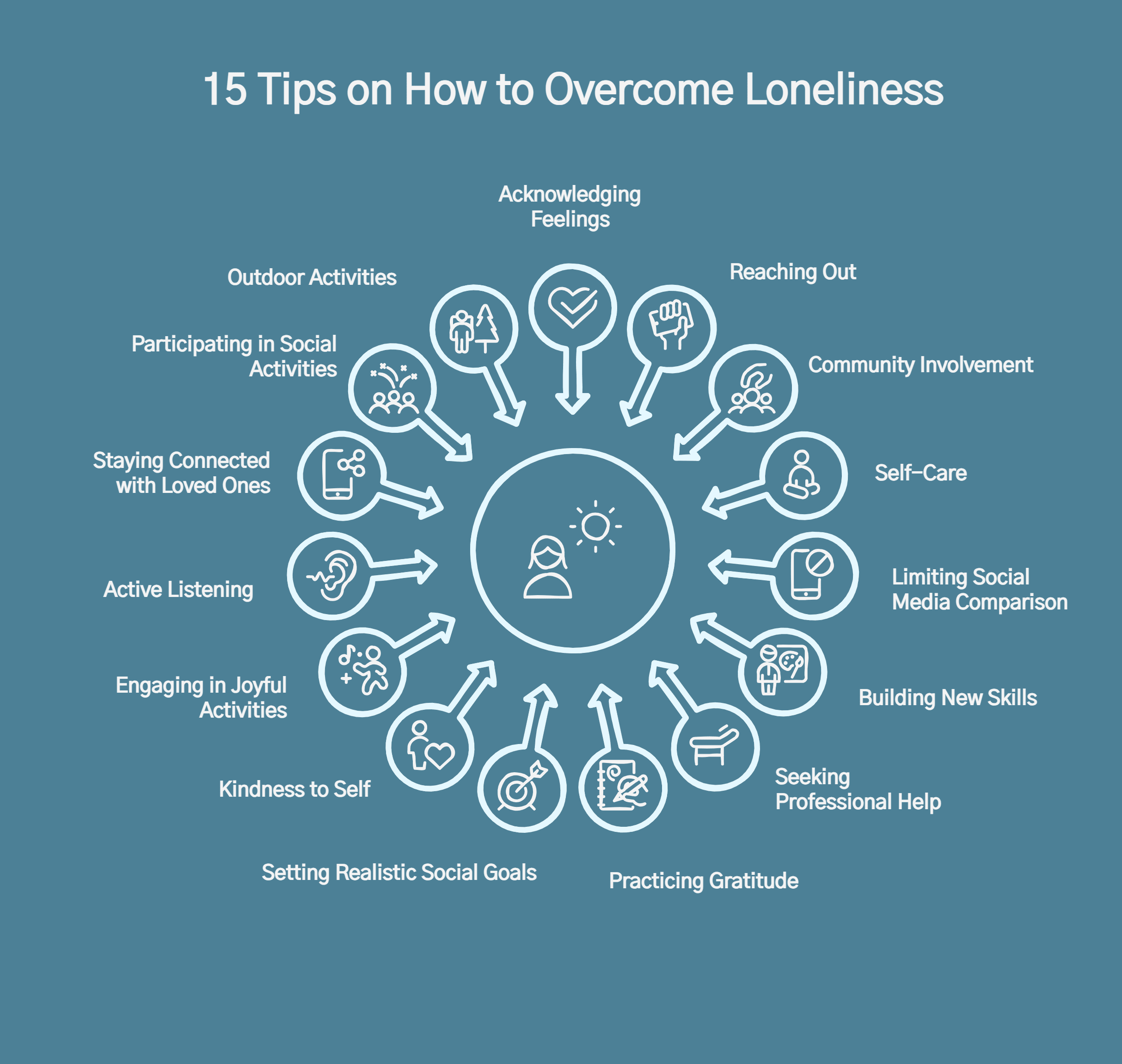
Dealing with loneliness doesn’t require drastic changes; it starts with small, intentional steps. Whether you're feeling emotionally disconnected, adjusting to a life change, or simply craving more meaningful connections, these practical tips can help. From daily habits to deeper mindset shifts, here are 15 effective ways to help you feel less alone and more in tune with yourself and those around you.
1. Acknowledge Your Feelings
Loneliness is a normal part of the human experience, not a sign that something is wrong with you. In India’s emotionally reserved culture, many people push these feelings aside. But the truth is, naming your loneliness is the first step toward healing.
When you acknowledge your emotions:
- You reduce feelings of shame.
- You build self-awareness and self-compassion.
- You give yourself permission to seek support.
Not sure where to start? Take the first step, connect with a therapist through TherapyRoute, and begin understanding your emotions with expert guidance.
2. Reach Out to Friends or Family, Even in Small Ways
A simple “Hi” over text or a quick call can go a long way. You don’t need long conversations; just a small check-in helps you feel seen and remembered.
In India, family bonds are strong, but opening up emotionally can feel uncomfortable. That’s okay.
- Start small, a message, a voice note, or a short visit.
- Consistent contact reduces isolation and rebuilds connections.
Small steps lead to deeper support.
3. Join Community Groups or Activities
Being part of a group, even one that meets casually, can ease feelings of loneliness. Whether it’s a yoga class, a book club, or a volunteering group, shared interests help spark a connection with like-minded people.
Here's how it helps:
- Builds a sense of belonging.
- Offers chances to meet new people.
- Creates routine and structure.
- Encourages positive social interaction without pressure.
4. Practice Self-Care and Mindfulness
Taking care of your body and mind builds emotional strength. Whether it’s a morning walk, journaling, or quiet meditation, these small acts remind you that you matter, even on lonely days.
Why it helps:
- Boosts emotional resilience.
- Reduces stress and anxious thoughts.
- Improves sleep and mood.
- Helps you reconnect with the present moment.
Start with just 10 minutes a day, it can make a big difference.
5. Limit Social Media and Online Comparisons
Endless scrolling can deepen feelings of loneliness. Seeing others' highlight reels on apps like Instagram or Facebook often creates unrealistic expectations and damages self-worth.
Why taking a break helps:
- Reduces negative self-comparison.
- Frees up time for real-world connection.
- Improves focus and mental clarity.
- Encourages healthier, mindful habits.
Try setting screen-time limits or taking digital detox days; you’ll feel lighter.
6. Build New Skills or Hobbies
Learning something new can shift your focus and lift your mood. Whether it’s cooking, music, art, or coding, engaging your mind in a fresh activity creates purpose and daily joy.
Why it’s worth trying:
- Boosts self-confidence and motivation.
- Creates opportunities to meet like-minded people.
- Adds structure to your day.
- Encourages positive distraction from difficult emotions.
7. Consider Professional Help: Therapy Can Help
Sometimes, loneliness goes deeper than what daily routines can fix. Speaking to a therapist gives you a safe space to explore your feelings, identify patterns, and build healthier connections, without judgement.
How therapy makes a difference:
- Helps you understand the root causes of loneliness.
- Offers tools to manage difficult emotions.
- Builds emotional resilience and self-awareness.
- Encourages healthier relationship patterns.
You don’t have to face this alone.
Find the right therapist through TherapyRoute and take your first real step toward feeling understood, supported, and truly connected.
8. Practice Gratitude and Positive Self-Talk
When loneliness creeps in, it’s easy to focus on what’s missing. Shifting your attention to what’s going well, even small things, can bring comfort and perspective. Pair this with kind, encouraging self-talk.
How it helps your mindset:
- Boosts emotional well-being.
- Reduces self-criticism and negative thinking.
- Builds a more hopeful, balanced outlook.
- Encourages inner strength during tough times.
Try writing down three things you're grateful for each day, it’s a simple but powerful habit.
9. Set Realistic Social Goals
Overcoming loneliness doesn’t mean rushing into crowded gatherings. Setting small, achievable social goals helps you build confidence and feel comfortable at your own pace.
Why setting goals works:
- Reduces pressure and social anxiety.
- Encourages consistent progress.
- Helps you celebrate small wins.
- Builds stronger, genuine connections over time.
Start with simple steps, like saying hello to a neighbour or attending a short meetup, and grow from there.
10. Be Kind to Yourself
Loneliness can make you feel frustrated or harsh towards yourself. Practising kindness means treating yourself with the same care and patience you’d offer a good friend.
How self-kindness helps:
- Reduces self-criticism and guilt.
- Encourages emotional healing.
- Builds a stronger, more compassionate mindset.
- Supports lasting mental wellbeing.
Remember, it’s okay to have difficult days, be gentle and patient with yourself as you heal.
11. Engage in Joyful Activities
Doing things that make you happy, whether it’s dancing, gardening, or listening to music, can lift your spirits and ease loneliness. Joyful activities remind you of the simple pleasures life offers every day.
Why joy matters:
- Boosts mood and energy.
- Creates moments of positive distraction.
- Encourages self-expression and creativity.
- Helps you feel more connected to yourself.
Make time for what you love, even if it’s just for a few minutes daily.
12. Practice Active Listening
Truly listening to others deepens connections and makes conversations more meaningful. It shows you care and helps you feel more engaged in social interactions.
Why active listening helps:
- Builds trust and empathy.
- Enhances communication skills.
- Strengthens relationships.
- Makes you feel valued and understood.
Focus fully on the person speaking, put away distractions and respond with kindness and curiosity.
13. Stay Connected with Your Loved Ones on Social Media
Social media can be a helpful way to maintain bonds when meeting in person isn’t possible. Sharing updates, photos, or even a simple message keeps your relationships alive and shows you care.
Benefits of staying connected online:
- Maintains closeness despite distance.
- Encourages regular communication.
- Provides a sense of companionship and support.
- Helps you feel part of a wider community.
Use social media mindfully to nurture meaningful connections, not just scroll aimlessly.
14. Participate in Social Activities
Joining social activities like local clubs, cultural events, or volunteer groups helps you meet new people and feel part of a community. These experiences create opportunities for connection and shared joy.
Why social participation matters:
- Builds a strong sense of belonging.
- Expands your social circle.
- Boosts confidence and happiness.
- Encourages positive routines and habits.
Start small and choose activities that genuinely interest you to make meaningful connections.
15. Get Moving Outdoors
Spending time outside, whether walking in a park, gardening, or simply sitting in the sun, can boost your mood and reduce feelings of loneliness. Fresh air and nature help refresh your mind and body.
Benefits of outdoor activity:
- Improves mental and physical health.
- Encourages natural stress relief.
- Increases opportunities to meet new people.
- Enhances energy and positivity.
Make it a habit to step outside daily, even for a few minutes, to reconnect with yourself and the world around you.
Feeling overwhelmed by loneliness? Take the first step. Book a session through TherapyRoute with a trusted therapist in India today and start building real, meaningful connection.
Professional Help Made Easy: How TherapyRoute Supports Your Mental Wellbeing
In a culture where we're expected to stay strong for our families, opening up about emotional struggles like loneliness can feel uncomfortable, or even unacceptable. But seeking support is not a weakness, it’s self-respect.
TherapyRoute bridges the gap between you and trusted mental health professionals across India, offering discreet, judgement-free access to care that understands your unique journey.
Whether you prefer in-person sessions or online support, TherapyRoute connects you with:
- Verified therapists
- Local and online options
- Culturally-sensitive care
- Confidential and secure care
Take the guesswork out of finding help. Start your journey toward meaningful connection and better mental wellbeing with TherapyRoute today.
Conclusion
Loneliness may feel overwhelming right now, but it doesn’t have to be your forever. Real change begins with small, consistent actions, like reaching out to someone you trust, setting tiny social goals, or simply being kinder to yourself each day.
You don’t need to have it all figured out. What matters is taking the next step, no matter how small. With time, patience, and intention, it is possible to feel more connected, supported, and emotionally whole. Start where you are, and give yourself permission to grow from there.
Frequently Asked Questions
Is loneliness the same as being alone?
No, being alone is a physical state, while loneliness is emotional. You can feel lonely even in a crowd if you’re not emotionally connected or understood by those around you.
How to overcome loneliness without friends?
You can overcome loneliness by building daily routines, exploring new hobbies, joining community groups, or volunteering. Focus on connecting with yourself, practicing self-care, and slowly opening up to new social opportunities, even through online platforms or local events.
What are the signs of loneliness?
Common signs include emotional emptiness, a lack of connection, persistent sadness, low motivation, and feeling left out, even around others. You may also experience sleep issues, irritability, or a longing for deeper relationships and meaningful conversations.
Is it okay to seek therapy for loneliness?
Absolutely. Therapy offers a safe, judgement-free space to explore your feelings, understand patterns, and learn tools to build stronger emotional connections.
Can loneliness affect my physical health?
Yes. Long-term loneliness can impact sleep, weaken immunity, raise stress levels, and even contribute to heart-related issues. Emotional wellbeing is deeply connected to physical health.
Important: TherapyRoute does not provide medical advice. All content is for informational purposes and cannot replace consulting a healthcare professional. If you face an emergency, please contact a local emergency service. For immediate emotional support, consider contacting a local helpline.
Find Therapists
Must Read
Creating Space for Growth: How Boundaries Strengthen Relationships
Setting healthy boundaries fosters respect, protects emotional well-being, and strengthens relationships by defining personal limits and maintaining self-care.
International Mutual Recognition Agreements for Mental Health Professionals
Mutual recognition agreements for mental health professions are rare and uneven, with major gaps in counselling, social work, and allied therapies. Read on to understand ...
Mental Health Licensing & Regulation in New York State: 2026 Guide
Mental Health Licensing & Regulation in Singapore: 2026 Guide
Jumping to Conclusions
Jumping to conclusions is a thinking habit where we assume the worst or make judgments without enough evidence. By recognising this pattern, therapy can help you slow dow...
About The Author

“I help individuals aged 15-50 overcome anxiety, stress, relationship challenges, and career transitions through integrative psychotherapy combining CBT, NLP, Gestalt, and holistic therapies. I offer compassionate online and in-person sessions tailored to your unique healing journey.”
Vivek S. is a qualified Psychotherapist (Registered), based in Pashan, Pune, India. With a commitment to mental health, Vivek provides Coaching, Corporate Workshops, Counseling, Family Therapy, Wellness Support, Relationship Counseling, Individual Therapy, Sex Therapy and Therapy.
