Trichotillomania (Hair-Pulling Disorder)

TherapyRoute
Clinical Editorial
Cape Town, South Africa


❝Trichotillomania, or hair-pulling disorder, is more than a habit, it’s a complex mental health condition that affects millions. Understanding its causes, signs, and treatment options is key to managing urges, supporting recovery, and rebuilding confidence.❞
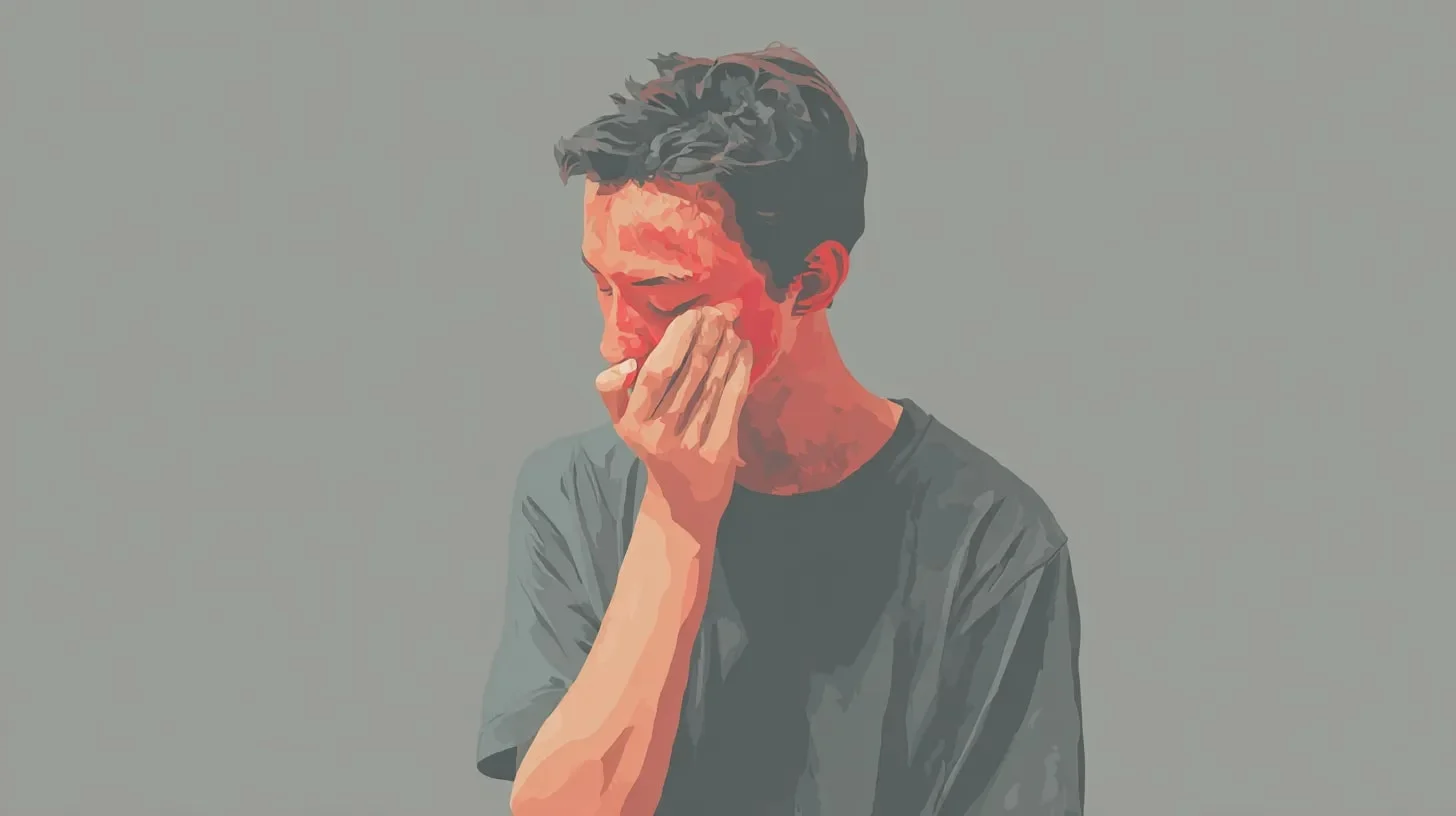
Trichotillomania, also known as Hair-Pulling Disorder, is a mental health condition characterised by the recurrent urge to pull out one's own hair, resulting in noticeable hair loss. People with trichotillomania often feel tension before pulling and relief or pleasure during or after pulling. The behaviour is not done for cosmetic reasons but rather as a response to emotional states or urges. Trichotillomania affects 1-2% of the population, is more common in females, and typically begins during adolescence, though it can start in childhood or adulthood.1
Table of Contents
- Understanding Trichotillomania
- How Trichotillomania Develops
- Signs and Symptoms
- Impact on Daily Life
- Diagnosis and Assessment
- Treatment and Recovery
- Strategies for Daily Life
- For Family and Friends
- Hair Regrowth and Cosmetic Concerns
- Support and Community
- Hope and Recovery
- Finding Help
- Remember
- References
Understanding Trichotillomania
Key Features:
- Recurrent hair pulling - resulting in noticeable hair loss
- Tension before pulling - feeling of urge or tension
- Relief during/after pulling - sense of satisfaction or pleasure
- Attempts to stop - repeated efforts to decrease or stop pulling
- Significant distress - emotional pain about the behaviour
- Functional impairment - problems in social, work, or other areas
Common Areas of Hair Pulling:
Looking for evidence-based support? Find a qualified psychologist near you through TherapyRoute.
Find a Psychologist- Scalp - most common area
- Eyebrows - often completely removed
- Eyelashes - can lead to eye irritation
- Facial hair - beard, moustache area
- Body hair - arms, legs, pubic area
- Any area with hair - some people pull from multiple sites
Types of Pulling:
- Focused pulling - deliberate, conscious hair pulling
- Automatic pulling - unconscious pulling, often while doing other activities
- Mixed type - combination of both focused and automatic pulling
How Trichotillomania Develops
Possible Contributing Factors:- Genetics - family history of trichotillomania or related disorders
- Brain differences - abnormalities in areas controlling impulses and habits
- Stress and trauma - difficult life events or ongoing stress
- Emotional regulation - difficulty managing emotions
- Sensory factors - seeking specific textures or sensations
- Perfectionism - desire to remove "imperfect" hairs
Common Triggers:
- Stress or anxiety
- Boredom or inactivity
- Fatigue or tiredness
- Negative emotions (sadness, anger, frustration)
- Positive emotions (excitement, happiness)
- Specific textures or hair characteristics
- Certain activities (reading, watching TV, studying)
Signs and Symptoms
Physical Signs:- Noticeable hair loss or thinning
- Broken or short hairs in pulling areas
- Bald patches or uneven hair growth
- Irritated or damaged skin
- Infections from repeated pulling
- Digestive problems if hair is swallowed (trichophagia)
Behavioural Signs:
- Spending significant time pulling hair
- Using tools to pull hair (tweezers, needles)
- Examining or playing with pulled hairs
- Eating pulled hairs (in some cases)
- Avoiding activities that might expose hair loss
- Wearing hats, wigs, or makeup to cover hair loss
- Repeatedly checking mirrors or avoiding them entirely
Emotional Symptoms:
- Shame and embarrassment about appearance
- Guilt about inability to stop pulling
- Anxiety about others noticing hair loss
- Depression and low self-esteem
- Feeling out of control
- Relief or pleasure during pulling
- Tension or urges before pulling
Impact on Daily Life
Social Functioning:- Avoiding social situations due to embarrassment
- Difficulty with intimate relationships
- Problems at work or school
- Isolation and loneliness
- Avoiding activities like swimming or windy weather
- Spending excessive time and money on hair products or wigs
Emotional Well-being:
- Chronic shame and self-criticism
- Depression and anxiety
- Low self-esteem and confidence
- Feeling different or abnormal
- Stress about hiding the condition
- Frustration with inability to stop
Physical Health:
- Skin damage and infections
- Eye problems from eyelash pulling
- Digestive issues if hair is swallowed
- Repetitive strain injuries in hands/arms
- Sleep problems from nighttime pulling
- Dental problems from using teeth to pull
Diagnosis and Assessment
Professional Evaluation: Diagnosis requires assessment by a qualified mental health professional:- Detailed clinical interviews about pulling behaviours
- Assessment of emotional triggers and consequences
- Evaluation of functional impairment
- Medical examination to rule out other causes of hair loss
- Sometimes psychological testing
Diagnostic Criteria (DSM-5):1
- Recurrent pulling out of one's hair, resulting in hair loss
- Repeated attempts to decrease or stop hair-pulling
- Hair pulling causes significant distress or impairment
- Hair pulling is not due to medical condition
- Hair-pulling is not better explained by another mental disorder
Related Conditions:
- Trichophagia - eating pulled hair (can cause serious medical complications)
- Trichobezoar - hairball in stomach from eating hair
- Other body-focused repetitive behaviours - skin picking, nail biting
Treatment and Recovery
Therapy Approaches:- Acceptance and Commitment Therapy (ACT) - accepting urges without acting
- Dialectical Behaviour Therapy (DBT) - emotional regulation6
- Cognitive Behavioural Therapy (CBT) - changing thoughts and behaviours
- Habit Reversal Training (HRT) - awareness and competing responses3
- Comprehensive Behavioural Treatment (ComB) - combines multiple approaches
Key Treatment Components:
- Awareness training - recognising pulling urges and behaviours
- Stimulus control - modifying the environment to reduce triggers
- Competing responses - alternative behaviours when urges arise
- Emotional regulation - managing underlying emotions
- Acceptance strategies - accepting urges without acting on them
Medication:
- SSRIs may help with associated anxiety and depression
- N-acetylcysteine (NAC) - supplement that may reduce pulling urges
- Antipsychotics - sometimes used for severe cases
- No FDA-approved medications specifically for trichotillomania
- Work with a psychiatrist for medication decisions
Strategies for Daily Life
Awareness Building:- Keep a pulling diary to identify triggers
- Notice early warning signs of urges
- Track emotions and situations that lead to pulling
- Use apps or reminders to increase awareness
- Practice mindfulness to stay present
Environmental Modifications:
- Remove or limit access to pulling tools
- Wear gloves or bandages on fingertips
- Keep hands busy with fidget toys or stress balls
- Change lighting or seating arrangements
- Use barriers like hats or headbands
Alternative Behaviours:
- Squeeze stress ball when feeling urges
- Draw or write when hands want to pull
- Exercise or do physical activity
- Practice deep breathing or relaxation
- Engage in activities that require both hands
Self-Care:
- Be gentle and compassionate with yourself
- Focus on progress, not perfection
- Celebrate small victories
- Practice good hair and scalp care
- Consider wigs or hair accessories if helpful
For Family and Friends
How to Help:- Learn about trichotillomania to understand it's not a choice
- Offer emotional support without judgement
- Help identify triggers and warning signs
- Support their treatment efforts
- Be patient with the recovery process
- Focus on the person, not just the hair pulling
What Not to Do:
- Don't tell them to "just stop" pulling
- Don't criticise or shame them
- Don't constantly monitor their behaviour
- Don't make comments about their appearance
- Don't take their pulling personally
- Don't enable avoidance of all triggering situations
Hair Regrowth and Cosmetic Concerns
Hair Regrowth:- Hair typically regrows when pulling stops
- May take several months to see significant regrowth
- Some areas may regrow differently (texture, colour)
- Permanent damage is rare but possible with severe pulling
- Scalp massage and gentle care can promote healthy regrowth
Cosmetic Options:
- Wigs and hairpieces for temporary coverage
- Hair fibres and powders to camouflage thinning
- Makeup to fill in missing eyebrows and eyelashes
- Hats, scarves, and headbands for coverage
- Professional styling to work with existing hair
Support and Community
Finding Support:- TLC Foundation for Body-Focused Repetitive Behaviours
- Online support groups and forums
- Local support groups
- Mental health professionals specialising in Body-Focused Repetitive Behaviours (BFRBs)
- Hair-pulling support communities
- Family support resources
Peer Support Benefits:
- Reduces feelings of isolation and shame
- Provides practical tips and strategies
- Offers hope and inspiration from others in recovery
- Creates a sense of community and understanding
- Helps normalise the experience
Hope and Recovery
Recovery from trichotillomania is possible. Many people have successfully reduced or stopped their hair-pulling and gone on to live fulfilling lives. Recovery often involves:- Learning to manage urges without pulling
- Developing healthy coping strategies
- Building self-compassion and acceptance
- Creating supportive relationships
- Finding meaning and purpose beyond the disorder
Recovery Process:
- Progress is often gradual with ups and downs
- Setbacks are normal and part of the process
- Small improvements can lead to bigger changes
- Support from others is crucial
- Professional treatment is usually helpful
- Self-compassion is essential throughout
Finding Help
Look for therapists who:- Have specific experience with trichotillomania or BFRBs
- Use evidence-based treatments like ACT or DBT
- Understand that trichotillomania is not a choice
- Are patient and non-judgmental
- Can help with both the behavioural and emotional aspects
Questions to Ask:
- What experience do you have treating trichotillomania?
- What treatment approaches do you use?
- How long does treatment typically take?
- Do you understand body-focused repetitive behaviours?
- Can you help with both stopping pulling and emotional healing?
Remember
Trichotillomania is not a choice, a bad habit, or a sign of weakness. It's a real medical condition that affects millions of people. You are not alone, and you are not broken. With proper understanding, treatment, and support, recovery is possible. Be patient and compassionate with yourself as you work toward healing.References
- [1] American Psychiatric Association. (2013). Trichotillomania (Hair-Pulling Disorder). In Diagnostic and Statistical Manual of Mental Disorders (5th ed.). https://psychiatryonline.org/doi/book/10.1176/appi.books.9780890425596
- [2] TLC Foundation for Body‑Focused Repetitive Behaviours. (n.d.). Hair pulling (trichotillomania). https://www.bfrb.org/hair-pulling/
- [3] Franklin, M. E., Zagrabbe, K., & Benavides, K. L. (2011). Trichotillomania and its treatment: A review and recommendations. Expert Review of Neurotherapeutics, 11(8), 1165–1174. https://pubmed.ncbi.nlm.nih.gov/21797657/
- [4] França, K., Kumar, A., Castillo, D., Jafferany, M., Hyczy da Costa Neto, M., Damevska, K., Wollina, U., & Lotti, T. (2019). Trichotillomania (hair pulling disorder): Clinical characteristics, psychosocial aspects, treatment approaches, and ethical considerations. Dermatologic Therapy, 32(4), e12622. https://pubmed.ncbi.nlm.nih.gov/30152568/
- [5] Woods, D. W., Flessner, C., Franklin, M. E., Wetterneck, C. T., Walther, M. R., Anderson, E. R., & Cardona, D. (2006). Understanding and treating trichotillomania: What we know and what we don’t know. Psychiatric Clinics of North America, 29(2), 487–501, ix. https://pubmed.ncbi.nlm.nih.gov/16650719/
- [6] Keuthen, N. J., Rothbaum, B. O., Fama, J., et al. (2012). DBT‑enhanced cognitive-behavioural treatment for trichotillomania: A randomised controlled trial. Journal of Behavioural Addictions, 1(3), 106–114. https://pubmed.ncbi.nlm.nih.gov/26165460/
Important: TherapyRoute does not provide medical advice. All content is for informational purposes and cannot replace consulting a healthcare professional. If you face an emergency, please contact a local emergency service. For immediate emotional support, consider contacting a local helpline.
Find Therapists
Must Read
Creating Space for Growth: How Boundaries Strengthen Relationships
Setting healthy boundaries fosters respect, protects emotional well-being, and strengthens relationships by defining personal limits and maintaining self-care.
International Mutual Recognition Agreements for Mental Health Professionals
Mutual recognition agreements for mental health professions are rare and uneven, with major gaps in counselling, social work, and allied therapies. Read on to understand ...
How many therapists per person? Statistics by country
How many psychologists, psychiatrists and other mental health workers there are for every hundred thousand people, country by country, as a rough guide to how easy it is ...
Therapy sessions and fit statistics
How many sessions people have in therapy, how the working relationship with a therapist links to outcome, how many people stop early and how much outcomes differ between ...
How well therapy works: statistics
What randomised trials and meta-analyses show about how well psychological therapy works. Figures cover therapy against waiting lists, usual care or placebo, results by c...
About The Author

TherapyRoute
Cape Town, South Africa
“Our in-house team, including world-class mental health professionals, publishes high-quality articles to raise awareness, guide your therapeutic journey, and help you find the right therapy and therapists. All articles are reviewed and written by or under the supervision of licensed mental health professionals.”
TherapyRoute is a mental health resource platform connecting individuals with qualified therapists. Our team curates valuable mental health information and provides resources to help you find the right professional support for your needs.