
The Wonderful World of Feelings & Emotions

❝Our feelings and emotions are beacon for our needs, if we allow them to be.❞
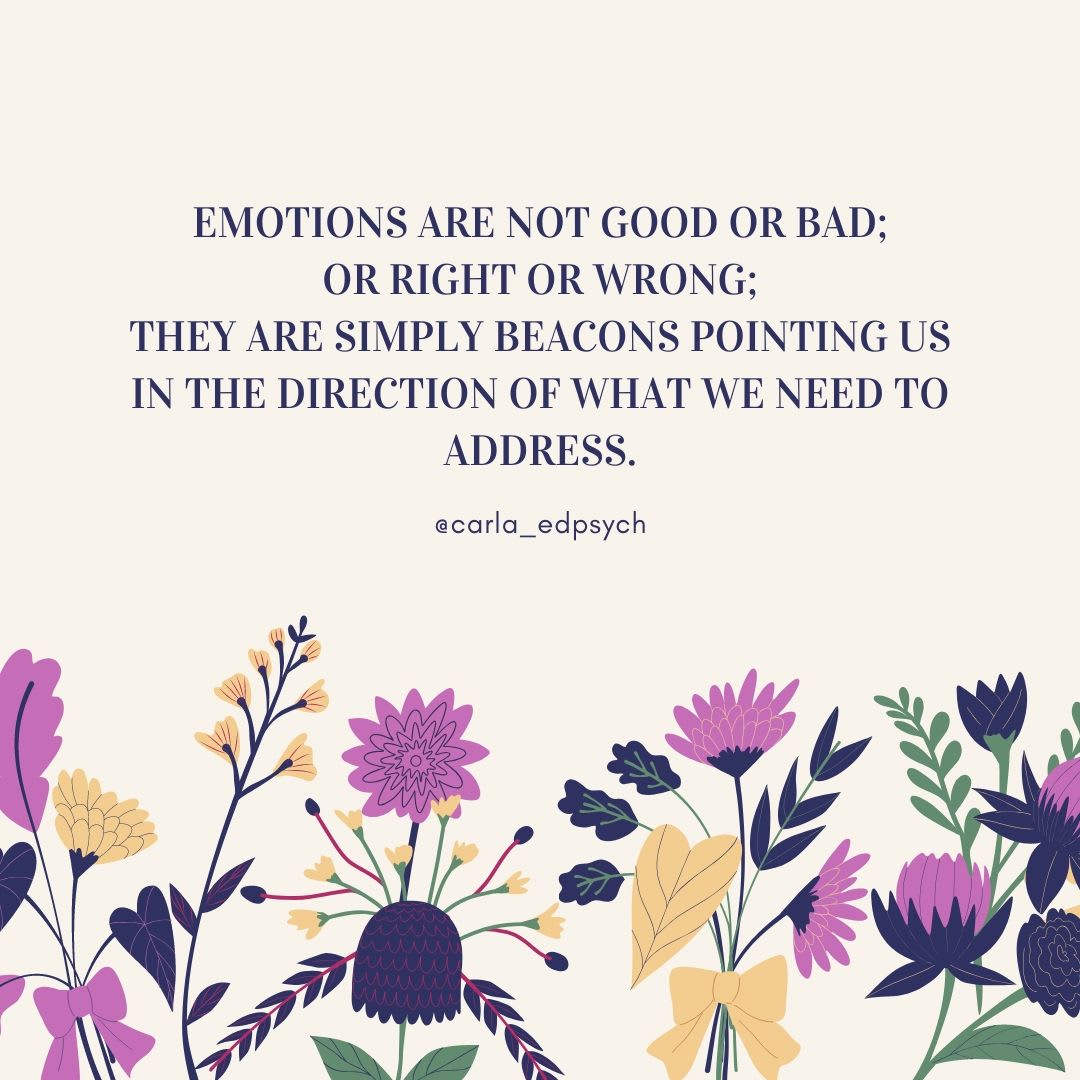
Feelings and emotions often times feel like incredibly complicated and abstract ideas that are hard to pull into reality. We certainly experience them, but truly understanding them can feel like a different story. The problem is, when we experience a sensation that we don’t understand, this can lead to the development of unhelpful thoughts and beliefs around this. For example, we might start to believe that emotions are bad and scary, or good or bad, or right or wrong. We may start to believe that it is better to push emotions aside rather than feel them.
While absolutely normal and common, this could not be further from the truth! But before we delve into that, it might be helpful to understand what feelings and emotions are. Because feelings and emotions go hand in hand, we often use the terms interchangeably, but it is important to note that there are very real distinctions between the two.
Sometimes you just need someone qualified to talk to. Find a counsellor near you — independent, professional, and ready to listen.
Find a CounsellorAn emotion is a complex physiological and psychological state that arises as a result of our experiences with the external world. In other words, emotion is something we feel in our heart and body that tells us whether we feel good or bad based on our experiences with family, partners, colleagues, or any real-world interaction. There are six core emotions: joy, surprise, sadness, anger, fear and disgust- depending on one’s personal history, we may either be aware of the emotion or it may lie below our conscious awareness.
A feeling is a mental state brought about by an emotional experience as well as physical sensations. Basically, emotions give rise to feelings. Examples of feelings include frustration, relief, comfort, loneliness, stress, relaxation, anxiety, all of which we consciously experience in the moment. Feelings give rise to thoughts, beliefs and later judgements about the world.
Why do we experience feelings and emotions? There is not any single answer to this, but a major function that feelings and emotions serve is to act as a beacon for understanding what is truly happening in our lived experiences. They act as a warning bell for when we are not ok and shine a light on when we feel good. By allowing yourself to interrogate your thoughts and sit in the feeling, we can gain priceless information about how to strengthen our relationships with ourselves, partners or children.
So, how do we then put this into practice? Quite simply, it all begins with awareness- we cannot understand what we are not aware of. Shifting our beliefs and engagement with the wonderful (and often scary) world of feelings and emotions takes time, patience and self-compassion, so begin gently at a pace that feels safe for you. Begin by allowing yourself to notice whether you feel OK or Not OK and gently work your way down the rabbit hole. Notice the thoughts that give you more information about your feelings- your mental state. Should you dig a little bit deeper, what lies below?
Remember, this is a journey not about judgement and determining what is right or wrong. Rather it is a journey of self-love that allows you to live a life immersed in compassion for self and others.
With joy and light,
Carla
Top Splash Photo by Aziz Acharki on Unsplash
Important: TherapyRoute does not provide medical advice. All content is for informational purposes and cannot replace consulting a healthcare professional. If you face an emergency, please contact a local emergency service. For immediate emotional support, consider contacting a local helpline.
Find Therapists
Must Read
Creating Space for Growth: How Boundaries Strengthen Relationships
Setting healthy boundaries fosters respect, protects emotional well-being, and strengthens relationships by defining personal limits and maintaining self-care.
International Mutual Recognition Agreements for Mental Health Professionals
Mutual recognition agreements for mental health professions are rare and uneven, with major gaps in counselling, social work, and allied therapies. Read on to understand ...
Mental Health Licensing & Regulation in New York State: 2026 Guide
Mental Health Licensing & Regulation in Singapore: 2026 Guide
Jumping to Conclusions
Jumping to conclusions is a thinking habit where we assume the worst or make judgments without enough evidence. By recognising this pattern, therapy can help you slow dow...
About The Author

“Therapy & Asssessments with a focus on children with ADHD, Learning Difficulties, Anxiety and Depression, High Sensitivity, and Giftedness. Practice based in Victory Park and online.”
Carla Richards is a qualified Educational Psychologist, based in Victory Park, Randburg, South Africa. With a commitment to mental health, Carla provides Scholastic Psychological & Diagnostic Assessment, Play Therapy and Child / Adolescent Therapy.
