
Major Depressive Mood Disorder - AKA Depression

❝Feeling stuck under a heavy cloud? Learn what depression is, how it truly feels, and discover how therapy offers effective pathways to healing and hope.❞
Life can feel incredibly heavy when depression takes hold – like walking through mud or seeing the world in shades of grey. It's more than just sadness; it drains your energy, interest, and hope.
This guide simply explains depression, what it can feel like, and importantly, how therapy provides real tools and support to help you navigate through it and find relief. Feeling this way is not a sign of weakness, and help is available.
- What is Depression?
- How Does Depression Affect Daily Life?
- What Does Depression Actually Feel Like?
- What Might Contribute to Depression?
- What Else Could It Be?
- How Can You Start Helping Yourself?
- What Professional Help Looks Like?
- What Can You Do Now?
- Books to Deepen Your Understanding of Depression
Click for more like this: Anxiety Disorder - Attachment Disorder - ADHD - Bipolar Disorder - Borderline Personality Disorder - Depression - Eating Disorder - Narcissistic Personality Disorder - Obsessive Compulsive Disorder - PTSD - Somatic Symptom Disorder - Substance Use Disorders
What is Depression?
Depression (often called clinical depression or major depressive disorder) is a mood disorder that causes persistent feelings of sadness, emptiness, or a loss of interest in activities you once enjoyed.
Think of it less like temporary sadness after a bad day, and more like a heavy cloud that sticks around, affecting how you feel, think, and behave.
If you're struggling with low mood or depression, talking to a professional can make a real difference. Find a therapist who understands.
Find a Therapist for DepressionKey things to know:
- It's a real medical condition, not something you can just "snap out of."
- It impacts your emotions, thoughts, physical body, and daily functioning.
- It can range from mild and temporary to severe and long-lasting.
- It's different from grief, though grief can sometimes trigger depression.
Depression isn't just one thing. It can show up in several ways. Here are some common types:
1. Major Depressive Disorder (MDD):
- This is often what people think of as "clinical depression."
- You might feel very down, lose interest in things you used to enjoy, and have other symptoms that last for at least two weeks.
2. Postpartum Depression (PPD):
- This type of depression can affect individuals after giving birth.
- It's much more than the "baby blues" and needs proper support and understanding.
3. Seasonal Affective Disorder (SAD):
- This depression is linked to the changing seasons.
- It often begins in the fall or winter when there's less sunlight and usually improves in spring and summer.
4. Persistent Depressive Disorder (Dysthymia):
- This is a long-lasting, chronic form of depression where you feel down or lose interest most of the time.
- Symptoms are generally less severe than Major Depressive Disorder but persist for at least two years (one year for children/teens).
- This condition involves extreme shifts in mood, from energetic highs (mania or hypomania) to deep lows (depression).
- It's distinct from depression because of the manic/hypomanic episodes, and it requires a different treatment approach.
6. Other Forms:
- There are other specific ways depression can appear.
- A mental health professional can help understand your unique experience.
Correctly diagnosing depression can be challenging because (as seen in movies that depict depression) the symptoms of a depressive disorder often vary among individuals and can mimic other mental health conditions.
How Does Depression Affect Daily Life?
Depression's weight can make even simple daily tasks feel overwhelming. It often affects multiple areas:
- Motivation & Energy: Feeling constantly tired, struggling to get out of bed, lack of drive to do anything.
- Work or School: Difficulty concentrating, making decisions, meeting deadlines, loss of interest in work/studies.
- Relationships: Withdrawing from friends and family, feeling irritable, feeling like a burden, loss of interest in intimacy.
- Self-Care: Neglecting personal hygiene, poor eating habits (eating too much or too little), lack of exercise.
- Enjoyment: Losing interest in hobbies, social activities, or things that used to bring pleasure (this is called anhedonia).
- Sleep: Sleeping too much (hypersomnia) or too little (insomnia), waking up tired.
What Does Depression Actually Feel Like?
Depression is more than just feeling sad. It's a complex experience that varies from person to person.
Common thoughts might include:
- "What's the point?" or "Nothing matters."
- Feeling worthless, guilty, or hopeless.
- Harsh self-criticism ("I'm a failure," "I'm letting everyone down").
- Difficulty concentrating or remembering things ("brain fog").
- Thinking about death or suicide (If you have thoughts of harming yourself, please reach out for immediate help - contact a crisis line or emergency services.).
Feelings often involve:
- Persistent sadness, emptiness, or numbness.
- Irritability, frustration, or anger (sometimes more noticeable than sadness, especially in men).
- Overwhelming hopelessness or helplessness.
- Feeling emotionally drained.
- Anxiety often co-occurs with depression.
- Physical sensations can include:
- Chronic fatigue and low energy, no matter how much you sleep.
- Aches, pains, headaches, or digestive problems without a clear physical cause.
- Changes in appetite leading to weight loss or gain.
- Feeling heavy or slowed down.
- Relational and life impacts:
- Pushing loved ones away or feeling disconnected from them.
- Struggling to function at home or work.
- Feeling isolated, even when around others.
What Might Contribute to Depression?
Depression rarely has just one cause. It's usually a result of a combination of factors interacting together.
Potential contributing factors include:
- Brain Chemistry & Biology: Imbalances in brain chemicals (neurotransmitters like serotonin) and genetics can play a significant role. Depression can run in families.
- Life Events & Stress: Difficult experiences like loss, trauma, major life changes (job loss, divorce), chronic stress, or relationship problems can trigger or worsen depression.
- Personality Traits: Certain traits, like low self-esteem, being overly self-critical, or having a pessimistic outlook, might make someone more vulnerable.
- Medical Conditions: Chronic illness, chronic pain, or hormonal changes (like thyroid problems or postpartum) can contribute to depression.
- Early Childhood Experiences: Difficult or traumatic experiences in childhood can increase vulnerability later in life.
- Substance Use: Alcohol or drug misuse can trigger or worsen depression.
Understanding these factors doesn't mean it's anyone's fault. Depression is complex.
What Else Could It Be?
Symptoms associated with depression can sometimes overlap with other issues. A clear understanding is important for getting the right support.
Depression symptoms might sometimes resemble or co-occur with:
- Grief: While grief involves intense sadness, it's typically related to a specific loss and often comes in waves, allowing for moments of joy. Depression tends to be more pervasive.
- Anxiety Disorders: Anxiety and depression frequently occur together, sharing symptoms like sleep issues, fatigue, and concentration problems.
- Bipolar Disorder: This involves shifts between depressive episodes and periods of high energy or mania/hypomania. A correct diagnosis is crucial.
- Medical Conditions: Issues like thyroid disorders, chronic fatigue syndrome, or vitamin deficiencies can cause symptoms that mimic depression.
- Burnout: Severe workplace stress can lead to exhaustion and cynicism, overlapping with some depressive symptoms.
Only a healthcare professional (like a doctor or psychologist) can provide an accurate diagnosis after a proper assessment.
How Can You Start Helping Yourself?
When you're depressed, taking action feels incredibly hard, but even tiny steps can make a difference over time. Be kind and patient with yourself.
- Break Tasks Down: If getting out of bed feels impossible, aim just to sit up. If showering feels too much, aim just to brush your teeth. Make goals very small.
- Gentle Movement: Even a short walk (5-10 minutes) outside can help slightly lift mood and energy. Don't aim for a marathon, just move a little.
- Connect (Even Briefly): Reach out to one trusted person, even just via text. Let someone know how you're feeling. Isolation fuels depression.
- Prioritise Sleep Routine: Try to go to bed and wake up around the same time each day, even if you don't feel rested.
- Sunlight & Nature: Spending a little time outdoors, especially in sunlight, can have a positive impact on mood.
- Nourishment: Try to eat regular, balanced meals, even if your appetite is low. Focus on small, manageable portions.
- Challenge One Negative Thought: Notice a harsh self-critical thought? Gently ask yourself: "Is this 100% true? Is there another way to look at this?" Don't force it, just practice noticing.
These steps aren't a replacement for professional help, but they can be small anchors in a storm.
What Professional Help Looks Like?
If you think you might have depression, talking to a mental health professional like a psychologist, psychiatrist, or your family doctor is a really good step. They will listen carefully as you share your feelings, thoughts, and what you've been experiencing. This conversation helps them understand your symptoms and make sure nothing else, like a different medical issue, is causing them.
These professionals use established guidelines (Diagnostic and Statistical Manual of Mental Disorders, 5th edition (DSM-5) , and the International Classification of Diseases, 10th Revision (ICD-10) to make an accurate assessment. This understanding is crucial, as therapy is often a cornerstone of effective depression treatment. Therapy provides a safe space to explore your feelings, learn coping strategies, and move towards recovery.
Common evidence-based therapies for depression include:
1. Cognitive Behavioural Therapy (CBT):
- What it does: Helps you identify, challenge, and change negative thought patterns and behaviours that contribute to depression.
- How it works: You learn practical skills to reframe unhelpful thinking, solve problems, and gradually increase engaging activities (behavioural activation). Very effective for depression.
2. Interpersonal Therapy (IPT):
- What it does: Focuses on how your relationships and social roles impact your mood, and vice versa.
- How it works: Helps you navigate relationship difficulties, grief, role transitions (like becoming a parent or retiring), or interpersonal conflicts that may be linked to your depression.
3. Psychodynamic Therapy:
- What it does: Explores how past experiences, unresolved conflicts, and unconscious feelings contribute to current depression.
- How it works: Aims to build insight into the roots of your depression through exploring your personal history, relationships, and patterns.
4. Behavioural Activation (often part of CBT):
- What it does: Specifically focuses on gradually increasing participation in rewarding or meaningful activities.
- How it works: Based on the idea that action can improve mood, it helps you schedule positive activities, even when motivation is low, breaking the cycle of withdrawal.
5. Medication:
- Antidepressant medications, prescribed by a doctor or psychiatrist, can be very effective, especially for moderate to severe depression. They help correct chemical imbalances in the brain.
- Medication is often most effective when combined with therapy. Discussing options with a medical professional is essential.
What Can You Do Now?
Acknowledging you might be struggling with depression is a brave and important first step. Reaching out for help can make a profound difference.
It's likely time to seek professional help if:
- Your low mood or loss of interest persists for more than two weeks. Symptoms are significantly interfering with your daily life (work, relationships, self-care).
- You feel hopeless or worthless.
- You have thoughts of death or suicide (Seek immediate help).
- Self-help strategies aren't enough.
Here are clear next steps you can take:
- Schedule a Doctor's Appointment: Talk to your GP about how you're feeling. They can assess your symptoms, rule out physical causes, discuss treatment options (including medication if appropriate), and provide referrals.
- Explore Therapist Profiles: Use trusted directories like therapyroute.com to find qualified therapists who specialise in treating depression. Read their profiles to see whose approach and experience resonate with you.
- Make Contact: Reach out to one or two potential therapists. Many offer brief initial calls to discuss your needs and see if it's a good fit. Ask about their approach to depression.
- Commit to the First Few Sessions: Therapy takes time. Attend the initial appointments to allow a professional assessment and begin building a relationship with your therapist.
Recovery from depression is possible. Therapy offers a path forward, providing support, understanding, and effective strategies to help you heal and rediscover hope. Taking that next step is an act of self-care.
Books to Deepen Your Understanding of Depression
Looking to learn more? Below is a curated list of worthwhile books that offer insight into depression, drawing from both personal experiences and clinical expertise. Whether you're a psychologist seeking a deeper understanding or someone looking for tools to manage depression, these books provide helpful perspectives and strategies.
We’re Amazon affiliates, so if you click a title and make a purchase, you’ll be supporting your learning and helping us continue doing meaningful work.

The Noonday Demon: An Atlas of Depression
Author: Andrew Solomon
This book is a comprehensive and moving exploration of depression. It covers everything from the history of the illness to its current treatments.
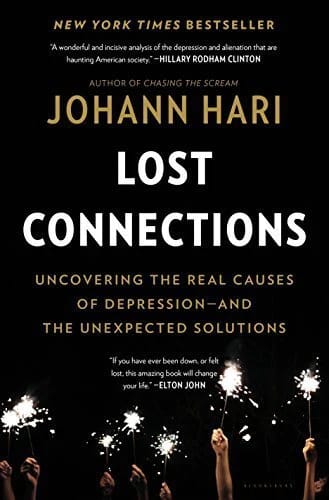
Lost Connections: Uncovering the Real Causes of Depression - and the Unexpected Solutions
Author: Johann Hari
Hari explores surprising causes of depression beyond brain chemistry—like disconnection from meaning, people, and nature—and offers fresh ideas for healing based on social and environmental changes.
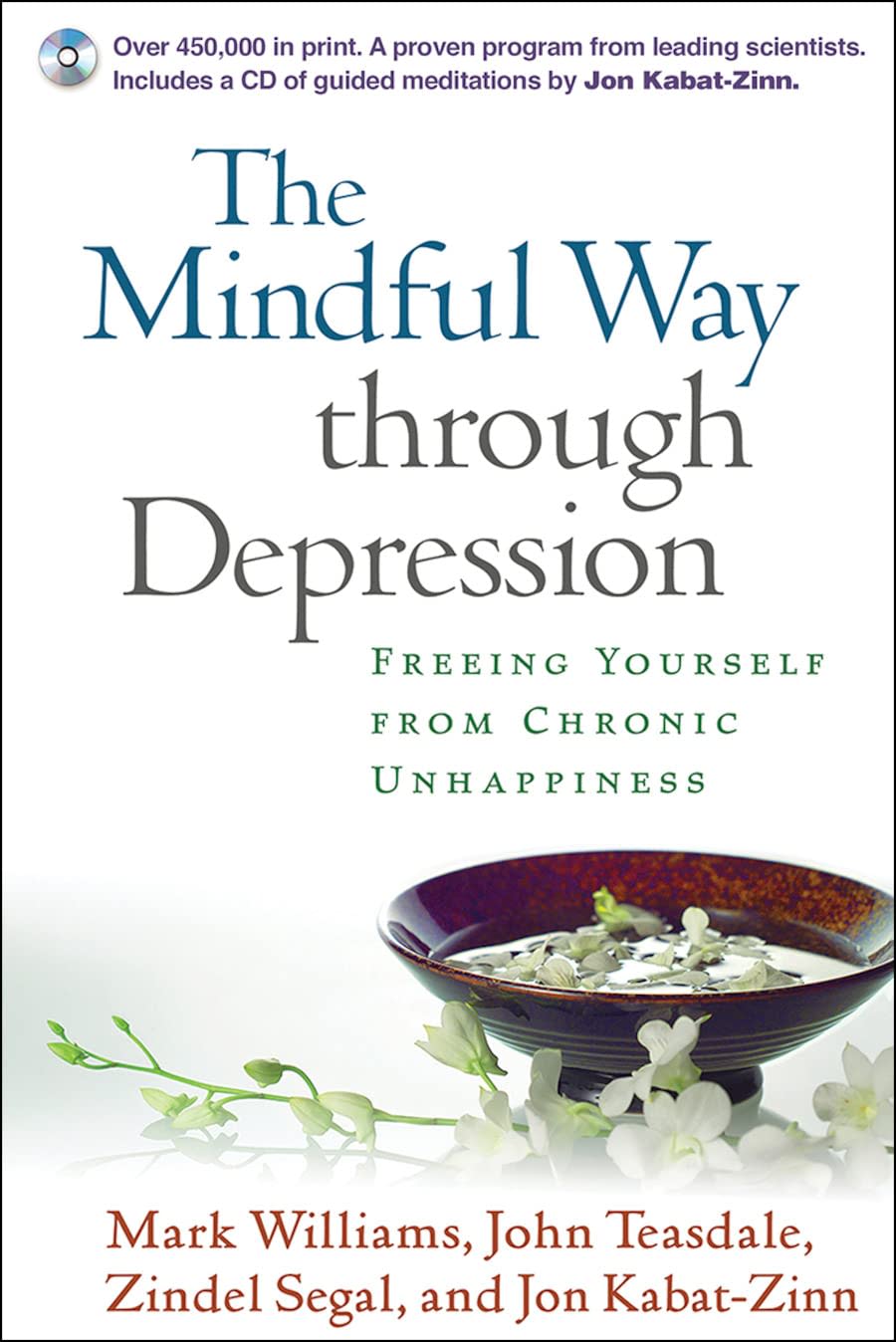
The Mindful Way Through Depression: Freeing Yourself from Chronic Unhappiness
Author: Mark Williams, John Teasdale, Zindel Segal, and Jon Kabat-Zinn
This guide teaches how to use mindfulness-based cognitive therapy (MBCT) to break the cycle of chronic sadness and create a healthier relationship with your thoughts.
An Unquiet Mind: A Memoir of Moods and Madness
Author: Kay Redfield Jamison
In this honest and deeply personal memoir, Jamison—a psychologist living with bipolar disorder—shares her experience with mental illness, including periods of severe depression.

Darkness Visible: A Memoir of Madness
Author: William Styron
This short but powerful memoir tells Styron’s story of falling into a deep depression and his painful road toward recovery, offering a raw and compassionate look at mental illness.
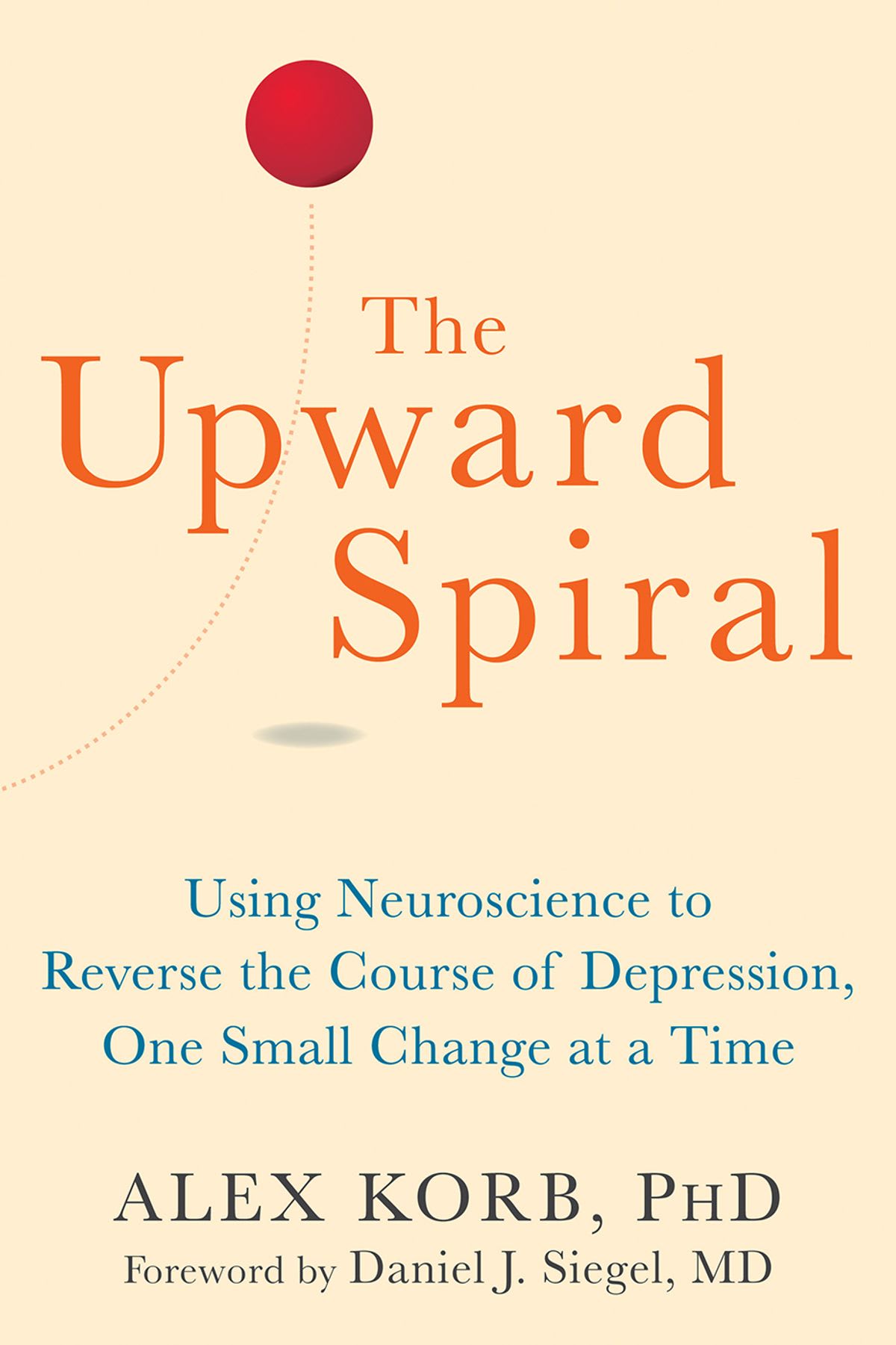
Author: Alex Korb
Korb explains how small actions—like exercise or better sleep—can lead to positive brain changes and gradually lift depression, using easy-to-understand neuroscience.

Author: Sylvia Plath
This classic novel, based on Plath’s own life, tells the story of a young woman’s mental health crisis. It's a powerful portrayal of depression from the inside out.

Author: Matt Haig
With warmth and honesty, Haig shares his battle with depression and anxiety—and how he found hope again. This book is a comforting read for anyone struggling or supporting someone who is.
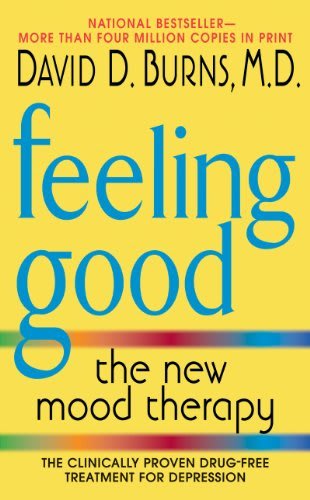
Feeling Good: The New Mood Therapy
Author: David D. Burns
A practical and accessible guide based on cognitive behavioural therapy (CBT), this book helps readers recognize and challenge negative thoughts that fuel depression.
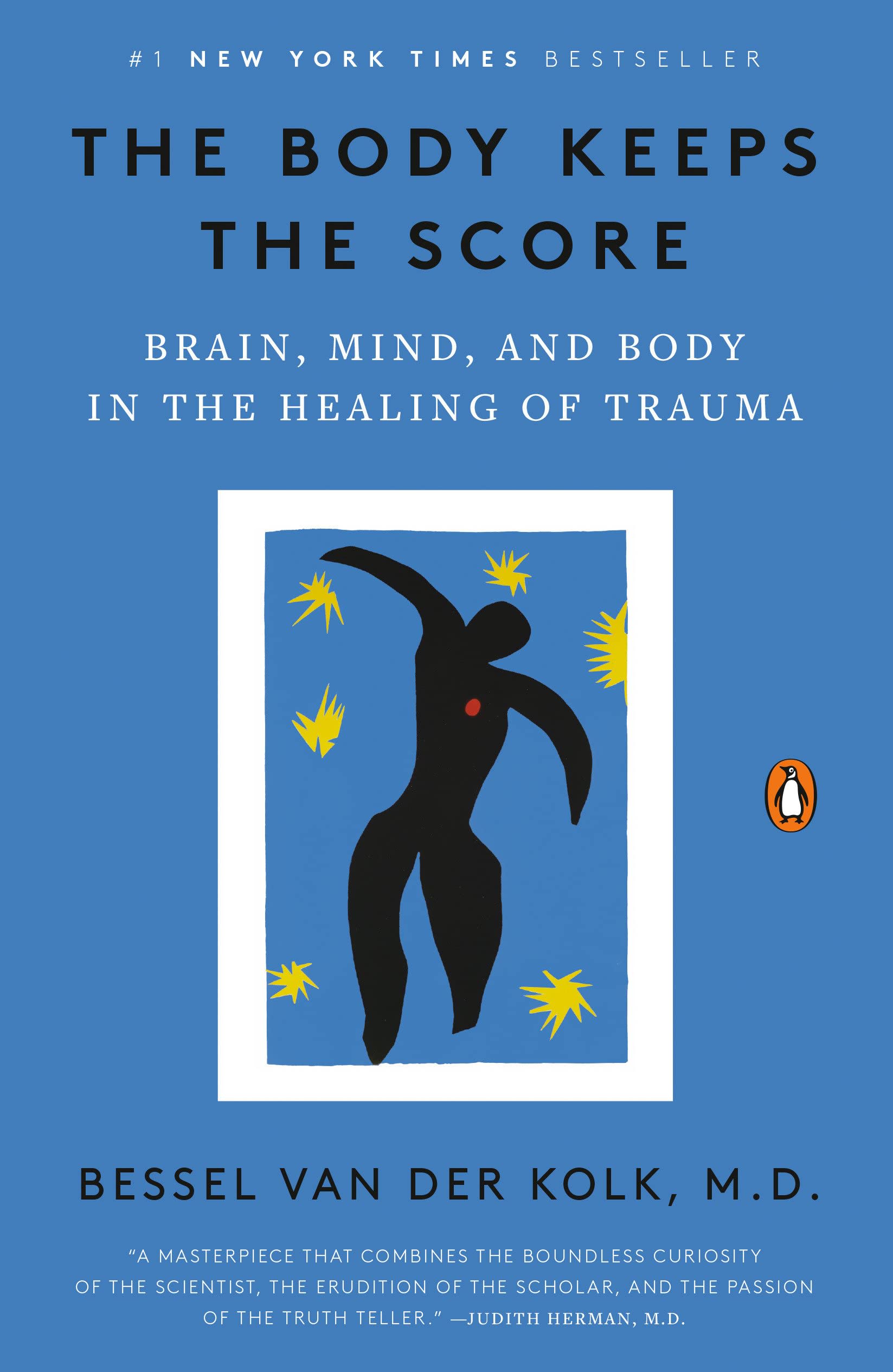
The Body Keeps the Score: Brain, Mind, and Body in the Healing of Trauma
Author: Bessel van der Kolk
Though focused on trauma, this groundbreaking book explains how traumatic experiences affect the brain and body, and how they can contribute to depression and other mental health issues.
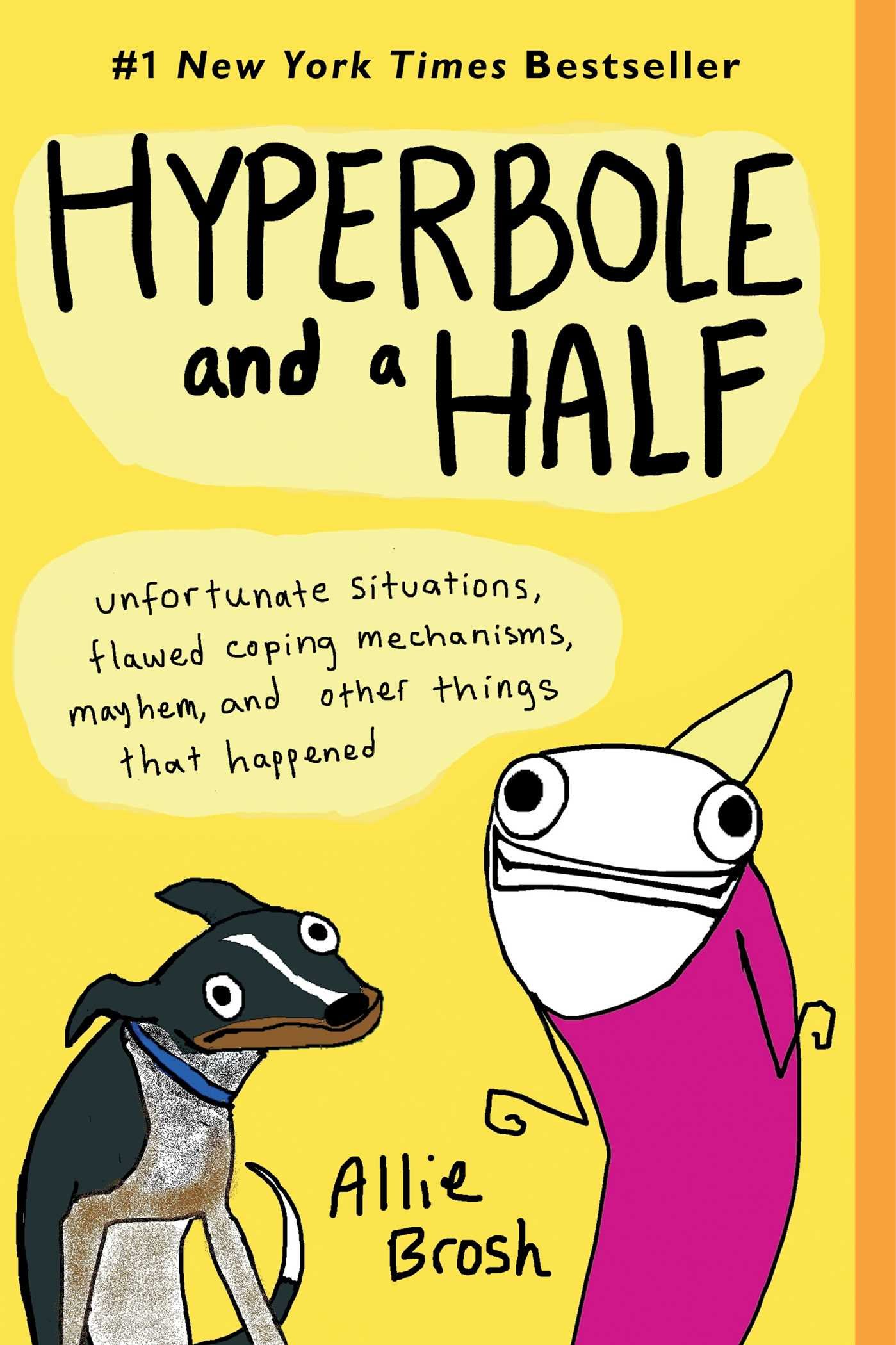
Author: Allie Brosh
Told through quirky comics and personal essays, this graphic memoir offers a funny, honest, and relatable take on living with depression.

Unholy Ghost: Writers on Depression
Author: Nell Casey
This collection features essays by well-known writers who share their personal struggles with depression, offering many unique perspectives on the illness.
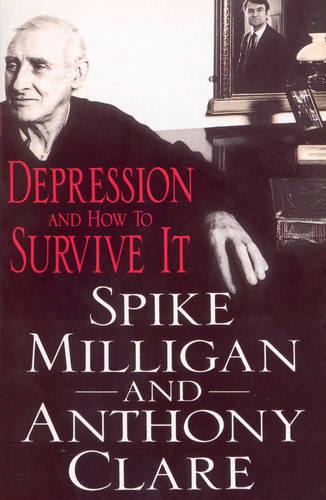
Depression and How to Survive It
Author: Spike Milligan and Anthony Clare
A mix of personal reflection and expert advice, this book combines humor, insight, and clinical information to help readers better understand and cope with depression.

Author: David Healy
This book explores how antidepressants became central to the treatment of mental illness, questioning their widespread use and the influence of the pharmaceutical industry.

The Man Who Mistook His Wife for a Hat: And Other Clinical Tales
Author: Oliver Sacks
This fascinating collection of case studies explores unusual neurological conditions—including some involving depression—with empathy and storytelling flair.
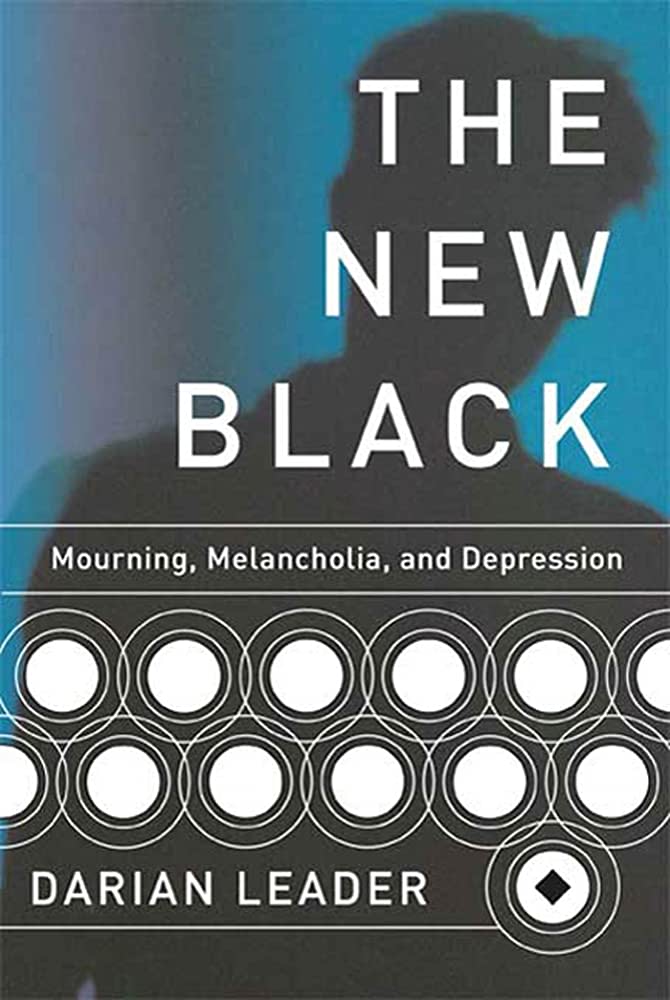
The New Black: Mourning, Melancholia, and Depression
Author: Darian Leader
This book looks at how loss and mourning are often misunderstood and mislabeled as depression, arguing that sadness is sometimes a necessary and healthy response to life events.
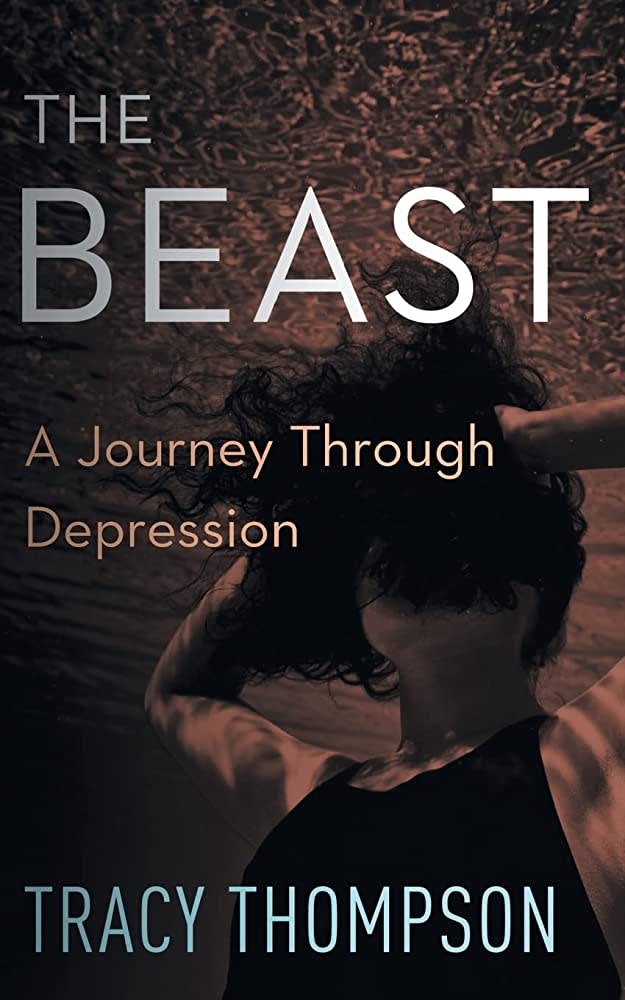
The Beast: A Journey through Depression
Author: Tracy Thompson
Thompson combines her personal story with science and history to explain what depression feels like and how she has learned to live with it.
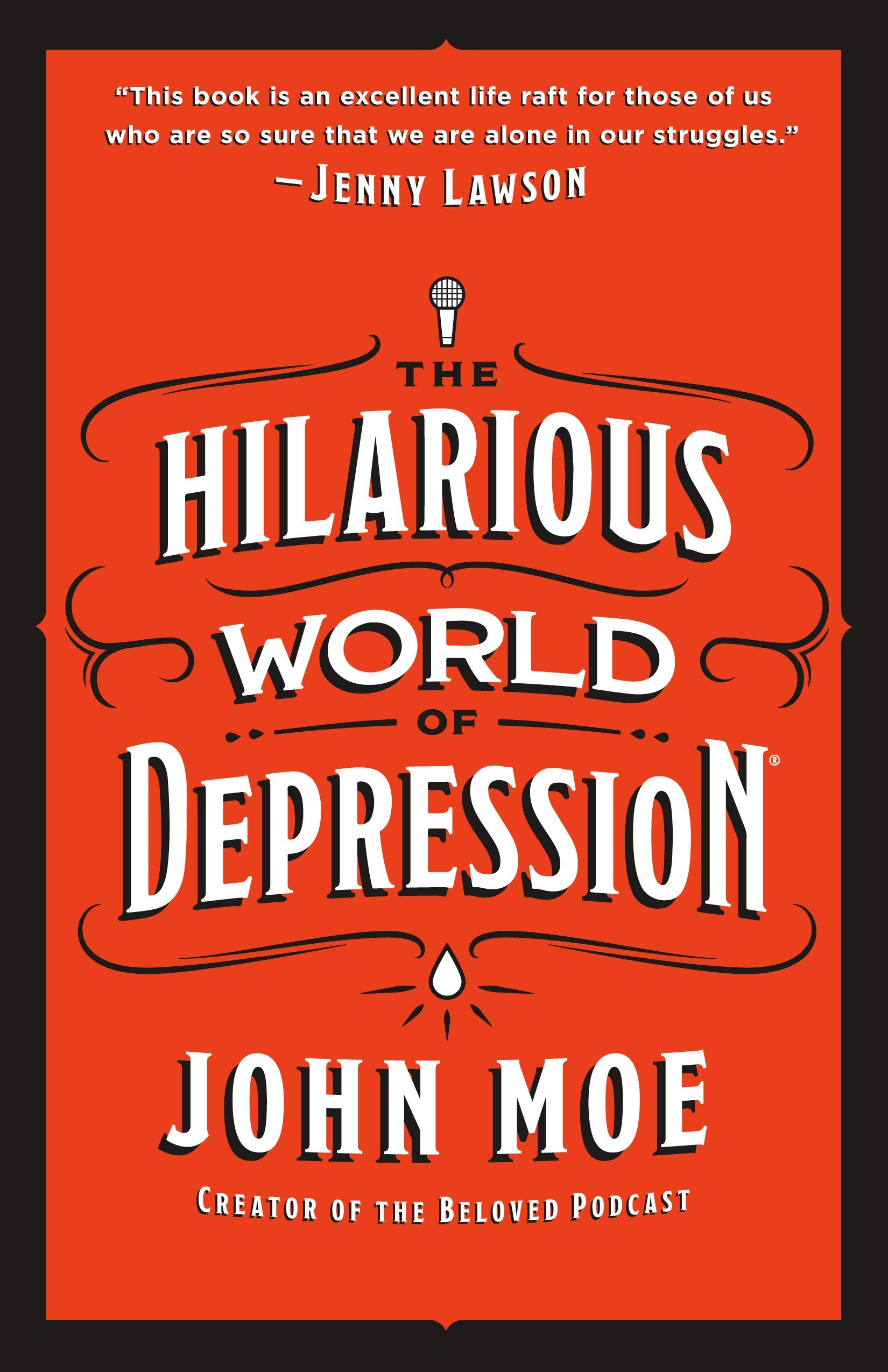
The Hilarious World of Depression
Author: John Moe
Based on his popular podcast, Moe blends humor with heartfelt interviews from comedians and public figures who have lived with depression, showing that laughter can be a way to heal.

I Don’t Want to Talk About It: Overcoming the Secret Legacy of Male Depression
Author: Terrence Real
This groundbreaking book explores how depression often looks different in men—and why many men hide their struggles. Real offers strategies for healing and support
Disclaimer: This resource is for information only and is not meant to replace professional advice, diagnosis, or treatment. If you're in crisis or thinking about hurting yourself, please call a local emergency number or crisis hotline right away. Always talk to a licensed mental health professional or your doctor if you have questions about a mental health condition. Click here to find a therapist, psychologist, or counsellor near you.
About the Reviewer: Vincenzo Sinisi holds a MA in Clinical Psychology from the University of the Witwatersrand and has over 20 years of experience in the field. As an expert in clinical psychology and psychotherapy, Vincenzo Sinisi is a member of the HPCSA, AGPA, and IPA. His dedication to providing accurate, high-quality information and staying current with industry developments ensures that the content they review meets the highest standards of Experience, Expertise, Authoritativeness, and Trustworthiness (E-E-A-T). To learn more about Vincenzo Sinisi and his work, visit his website or connect with him on LinkedIn.
Important: TherapyRoute does not provide medical advice. All content is for informational purposes and cannot replace consulting a healthcare professional. If you face an emergency, please contact a local emergency service. For immediate emotional support, consider contacting a local helpline.
Find Therapists
Must Read
Creating Space for Growth: How Boundaries Strengthen Relationships
Setting healthy boundaries fosters respect, protects emotional well-being, and strengthens relationships by defining personal limits and maintaining self-care.
International Mutual Recognition Agreements for Mental Health Professionals
Mutual recognition agreements for mental health professions are rare and uneven, with major gaps in counselling, social work, and allied therapies. Read on to understand ...
Mental Health Licensing & Regulation in New York State: 2025 Guide
Mental Health Licensing & Regulation in Singapore: 2025 Guide
Jumping to Conclusions
Jumping to conclusions is a thinking habit where we assume the worst or make judgments without enough evidence. By recognising this pattern, therapy can help you slow dow...
About The Author

TherapyRoute
Cape Town, South Africa
“Our in-house team, including world-class mental health professionals, publishes high-quality articles to raise awareness, guide your therapeutic journey, and help you find the right therapy and therapists. All articles are reviewed and written by or under the supervision of licensed mental health professionals.”
TherapyRoute is a mental health resource platform connecting individuals with qualified therapists. Our team curates valuable mental health information and provides resources to help you find the right professional support for your needs.